
Pests
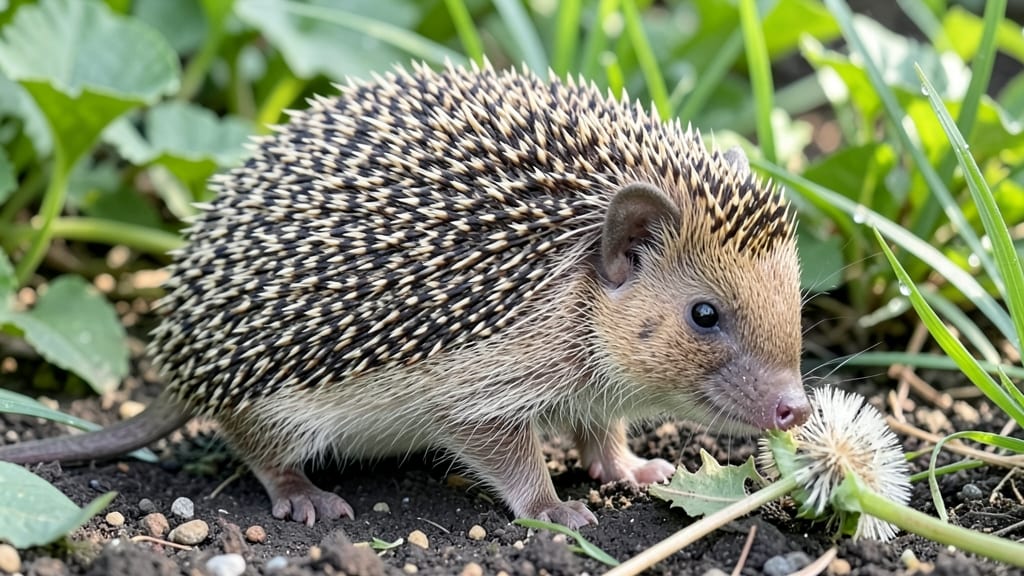
Learn how to keep rabbits out of flowers—because those chewed petals and nibbled stems are not a compliment: I’ve lost count of the times I’ve woken up to destruction until I found the right mix of barriers, repellents, and plant choices that actually work.
The key isn’t just scaring them off; it’s making your garden unappealing and inaccessible without harming those fluffy pests.
You don’t need expensive gadgets or toxic sprays—just a few strategic tools like chicken wire fencing (buried 6 inches deep), companion plants rabbits hate (like lavender or Russian sage), and humane live traps for relocation.
My garden now thrives because I combined physical barriers with natural deterrents, and the rabbits moved on to the neighbor’s lawn instead.
By the end of this, you’ll have a garden that’s rabbit-proof without cruelty, with flowers standing tall and unharmed. We’ll cover everything from DIY fencing tricks to the most effective (and humane) repellents, so you can enjoy your blooms without constant damage. Let’s get started!
This works for any flower bed size, from small balcony pots to sprawling perennial gardens. The same principles apply whether you’re dealing with a few curious bunnies or a full-blown invasion—just adjust the scale. Ready to reclaim your garden?
📚 In This Guide
- What you need
- Instructions
- Tips and common mistakes
- Wrapping up and next steps
What you need
- ● Physical Barriers: Chicken wire (1/2-inch mesh, at least 2 feet tall) – 20–50 feet (depending on garden size)
- ● Hardware cloth (1/4-inch mesh, more durable than chicken wire) – 10–30 feet
- ● Sturdy stakes or posts (wooden or metal, 6–12 inches long) – 1 per every 3–4 feet
- ● Humane Traps: Live rabbit traps (e.g., Havahart or Tomahawk, humane and reusable) – 1–3 traps
- ● Bait (e.g., fresh lettuce, carrots, or apple slices) – small amounts per trap
- ● Natural Deterrents: Compost or manure (to mask scent of flowers) – 5–10 gallons
- ● Predator urine (e.g., fox or coyote urine, non-toxic but strong-smelling) – 1–2 small bottles
- ● Essential oils (e.g., peppermint or citrus, diluted in water) – 10–20 drops
- ● Tools for Installation: Wire cutters or heavy-duty scissors
- ● Gloves (gardening or work gloves)
- ● Measuring tape
- ● Spray bottle (for essential oil mixtures)
- ● Motion-activated sprinklers (e.g., ScareCrow) – 1–2 units (for larger gardens)
- ● Decoy plants (e.g., clover or lettuce, planted away from flowers) – small patches
- ● Reflective tape or old CDs (to create visual distractions) – 5–10 pieces
- ● Fencing fabric (e.g., Rabbit-Proof Fence cloth) – 5–10 feet (for high-risk areas)
Step-by-Step guide to protecting flowers from rabbits
Here’s how to shield your garden without harming these nibbling visitors.
Assess Your Garden’s Vulnerability
Start by identifying which plants rabbits find most tempting—tender perennials, young seedlings, and low-lying flowers like tulips or hostas are prime targets. I always check for fresh bite marks or flattened stems near the soil line, which reveal their feeding patterns. Observe where rabbits enter your yard, like along fences or woodpiles, and note their paths.
Rabbits prefer cover, so dense shrubs or tall grass near your garden create perfect ambush spots. If you spot droppings or rub marks on posts, you’ll know they’re active in the area. This step ensures you place deterrents where they’ll actually work, rather than scattering them randomly.
Install Physical Barriers
For young plants or high-value flowers, wrap stems with 18-24 inches of hardware cloth (not chicken wire—rabbits can chew through it). Bury the bottom 6 inches deep to prevent digging underneath. I like to use 1/4-inch mesh, which is sturdy yet allows water and air to reach roots. Secure the top with a twist tie or plant tie to keep it snug.
For larger garden beds, install temporary fencing at least 3 feet tall, anchored with stakes every 3 feet. Rabbits can jump surprisingly high when motivated, so don’t skimp on height. If you’re protecting a raised bed, drape the fence over the top and weigh it down with bricks or rocks to deter climbing.
Use Humane Repellents
Commercial rabbit repellents like Liquid Fence or Bobcat’s Granules work best when applied every 3-4 weeks or after rain. I prefer sprays for delicate flowers because granules can cling to petals. Always follow label instructions—overapplying can harm beneficial insects or plants. Test a small area first to check for sensitivity.
Natural alternatives like hot pepper wax (mix cayenne pepper with wax and rub on leaves) or predator urine (fox or coyote) can also deter rabbits. Reapply after heavy rain, as the scent washes away. Place repellents along rabbit paths and near vulnerable plants for maximum effectiveness.
Create Distractions
Plant a sacrificial garden 10-15 feet away from your prized flowers, using rabbit favorites like lettuce, clover, or dill. This gives them an easy meal while protecting your main garden. I also scatter gravel or crushed eggshells around the perimeter—rabbits dislike the texture underfoot and avoid crossing it.
Motion-activated sprinklers, like ScareCrow, startle rabbits when they approach. Set them to 3-5 second bursts on a random timer to mimic natural predator movement. Place units 10-12 feet apart for full coverage, and adjust the spray angle to avoid wetting your flowers.
Monitor and Adjust
Check your garden daily for new damage, especially after rain or wind, which can dislodge barriers. If you notice fresh bites, reinforce weak spots immediately. I keep a small notebook near my garden tools to log sightings, weather changes, and which methods worked best each week.
Rotate repellents every 2-3 weeks to prevent rabbits from becoming accustomed to them. If one method fails, like fencing being gnawed, switch to a stronger deterrent. Persistence is key—rabbits are persistent, but so are the best gardeners.
Tips & tricks for protecting your garden from rabbits
Rabbits can turn your carefully tended garden into a salad bar overnight—but these insights will help you outsmart them without harming them.
Step 1: Look for Rabbit Clues: Before installing barriers, spend 10 minutes scanning your garden for signs of rabbit activity. Fresh bite marks on stems (clean cuts, not jagged tears) and flattened plants near the soil are telltale signs. I’ve found that checking in the early morning—when rabbits are most active—reveals their paths more clearly. This step is crucial because it lets you target deterrents precisely where they’re needed, rather than guessing where rabbits might appear.
Barrier Installation Secrets: When wrapping stems with hardware cloth in Step 2, don’t just wrap—secure it tightly with twist ties every 6 inches. I learned this the hard way after watching rabbits nibble through loosely wrapped stems. For raised beds, drape the fencing over the top and weigh it down with bricks; rabbits are clever climbers and will test any weak points. The extra effort prevents them from simply hopping over your defenses.
Repellent Application Strategy: In Step 3, focus repellents on high-traffic areas and vulnerable plants rather than spraying everything. I’ve had the most success applying hot pepper wax directly to leaf edges—rabbits avoid the spicy taste but beneficial insects aren’t affected. For predator urine, place it near known rabbit paths and refresh every 2 weeks, especially after rain. The key is consistency: rabbits learn quickly, so rotating repellents every 3-4 weeks keeps them guessing.
Sacrificial Garden Placement: When creating your sacrificial garden in Step 4, position it downwind from your prized flowers. Rabbits have an incredible sense of smell, and placing their favorite plants where they naturally investigate first (like near garden edges) draws them away from your main garden. I’ve seen this work within days—suddenly, my tulips stop getting nibbled because the rabbits have found their new buffet.
Pro Tips for Keep Rabbits Out Of Flowers
- Rabbits can turn your carefully tended garden into a salad bar overnight—but these insights will help you outsmart them without harming them.
- Step 1: Look for Rabbit Clues: Before installing barriers, spend 10 minutes scanning your garden for signs of rabbit activity.
- Barrier Installation Secrets: When wrapping stems with hardware cloth in Step 2, don’t just wrap—secure it tightly with twist ties every 6 inches.
Frequently asked questions
Got more questions about protecting your flowers from rabbits? Here are some common ones—and their practical solutions!
What’s the best time of day to set out rabbit deterrents?
Early morning or late evening works best, as rabbits are most active during dawn and dusk. Avoid midday setups—they’re less effective when rabbits are resting. Pro tip: Check for fresh droppings or tracks to confirm their active hours in your area!
Are commercial rabbit repellents safe for flowers and pets?
Most pet-safe repellents (like garlic-based sprays or capsaicin products) won’t harm flowers, but always check labels. Avoid toxic chemicals like rodent poison—opt for humane options like motion-activated sprinklers or physical barriers for peace of mind.
Can I use plants as natural rabbit deterrents?
Yes! Rabbits dislike lavender, rosemary, or marigolds—plant them near your flowers as a living barrier. Bonus: These herbs also repel other pests like deer and aphids! Just ensure they’re non-toxic to your other plants.
What if rabbits keep returning after I’ve tried deterrents?
Rotate methods! Try combination tactics: sprinkle repellent, add fencing, and place fake predators (like owl statues). If the issue persists, consider temporary netting over vulnerable plants until rabbits lose interest.
Will chicken wire work, or do I need something stronger?
Chicken wire (with holes ≤1” wide) is a budget-friendly option, but rabbits can chew through it over time. For long-term protection, use hardware cloth (¼” mesh) buried 6” deep to block digging. Burying it also deters burrowing!
Wrapping up and next steps
Keeping rabbits out of your flowers doesn’t have to be a battle—just a smart, humane strategy!
By combining physical barriers, natural deterrents, and humane traps, you can protect your garden while respecting these adorable (but destructive) critters. 🌿✨ Start small: test one or two methods in a high-risk area, then expand as needed.
Ready to reclaim your garden? Pick one solution today—whether it’s a raised bed, a motion-activated sprinkler, or a cozy rabbit haven elsewhere—and watch your flowers thrive without a single nibble! 🌸💪