Size
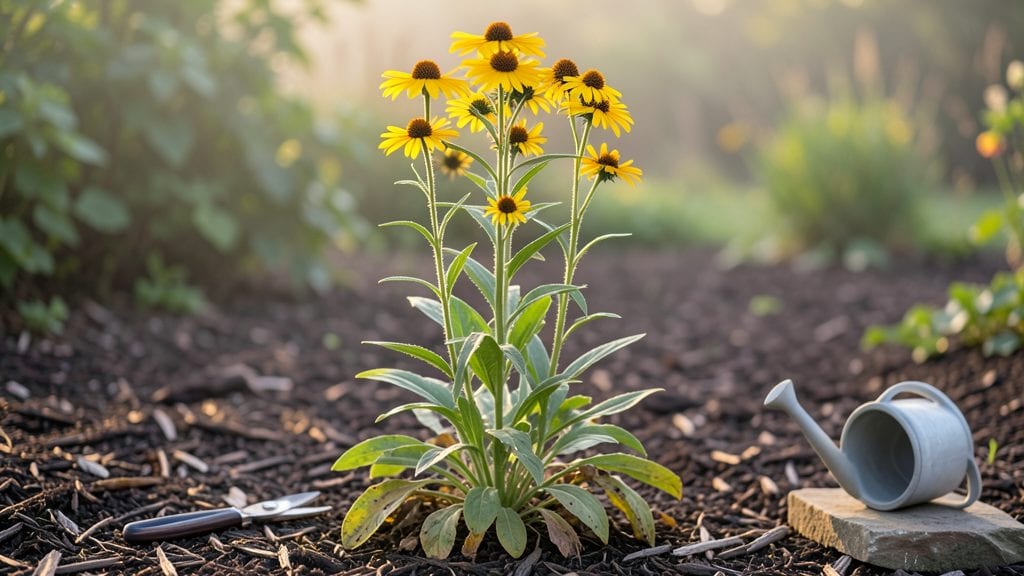
Tall stalk yellow flowers like Pacific Northwest goldenrod and black-eyed Susans become your garden's vertical backbone—frost-resistant, bold, and impossible to ignore. 🌻 I've seen them transform shady corners into sunlit backdrops, their cheerful blooms cutting through the misty summer air like golden beacons.
These stalwarts thrive where others falter, their deep roots anchoring them through late-season rains and early frosts.
The right pairing turns them from stand-alone stars into design anchors. Plant them behind purple coneflowers for a cottage garden's dreamy contrast, or tuck them beside silver foliage plants for a modern garden's sleek drama.
Their 3-6 foot heights make them perfect for borders, privacy screens, or cut-flower arrangements that last weeks in vases.
You'll love how they bloom from mid-summer through fall, their cheerful yellows attracting pollinators while adding warmth to autumn's cooler palette. Maintenance is minimal—just deadhead spent blooms to encourage more flowers and watch them bounce back after heavy rains.
These plants work in full sun or light shade, making them the PNW gardener's secret weapon.
Whether you're designing a pollinator paradise or a low-maintenance border, these stalwarts deliver year after year. Here's how to make the most of their natural beauty in your garden.
📚 In This Guide
- What you need
- Instructions
- Tips and common mistakes
- Wrapping up and next steps
What you need
- ● Seeds or nursery plants: 10–20 seeds (if starting from scratch) or
- ● 3–5 healthy nursery-grown plants (18–36" tall, frost-hardy varieties)
- ● Well-draining soil: 5–10 bags of peat moss or compost mix (amend garden soil with perlite or sand if heavy)
- ○ Organic fertilizer: 1–2 lbs of balanced 10-10-10 or slow-release granular (optional but recommended)
- ● Mulch: 2–3 cubic feet of straw, wood chips, or shredded bark (to protect roots in winter)
- ● Gardening tools: 1 trowel
- ● 1 pruning shears
- ● 1 garden fork (for loosening soil)
- ● 1 watering can or hose with nozzle
- ● Location: Full sun to partial shade (6+ hours of light daily; PNW’s dappled light works great!)
- ● Water source: Access to a drip irrigation system or consistent watering setup (these beauties love moisture!)
- ○ Optional (but helpful!): Stakes or cages (for taller varieties like Solidago)
- ● Soil pH tester (ideal range: 6.0–7.5)
- ● Row cover fabric (for early/late frost protection)
Step-by-step guide to cultivating Pacific Northwest's frost-resistant vertical yellow flowers
These towering beauties thrive in cool climates and bring bold vertical drama to any garden.
🌱 Step 1: Select the Right Variety for Your Climate
For the Pacific Northwest's frost-prone conditions, I recommend Solidago canadensis (Canada goldenrod) or Helenium autumnale (sneezeweed)—both reach 4-6 feet tall and handle temperatures down to 15°F. These perennials return yearly, making them a low-maintenance vertical investment.
Check your hardiness zone (PNW ranges from 5-8) and plant varieties labeled as drought-tolerant—they'll need less supplemental watering once established. Avoid hybrid varieties unless specified as frost-resistant, as many commercial types struggle with cold snaps.
☀️ Step 2: Prepare the Planting Site for Vertical Growth
Choose a location with full sun exposure (at least 6 hours daily) and well-draining soil—these tall stalks need space to develop strong root systems. Amend heavy clay soil with 2-3 inches of compost mixed into the top 12 inches to improve aeration and moisture retention.
Dig a hole twice as wide as the root ball but only as deep—planting too deeply suffocates roots. Space plants 2-3 feet apart to prevent overcrowding, which weakens stalks and invites fungal diseases. I always add a handful of bone meal to the planting hole to boost early root development.
💧 Step 3: Plant and Water for Frost Resilience
Remove the plant from its container and loosen any circling roots with your fingers—this encourages outward growth. Place the root ball in the hole, backfill with native soil, and water deeply until moisture reaches 6 inches down. The goal is to eliminate air pockets while avoiding compaction.
After planting, apply 1 inch of mulch around the base (but not touching the stems) to insulate roots during winter. Water once weekly during the first growing season, checking that the soil stays moist but not soggy—saturated conditions invite root rot. These plants thrive on neglect once established, but consistent moisture in their first year ensures sturdy stalks.
✂️ Step 4: Prune Strategically for Height and Health
In early spring, cut back dead stalks to 6 inches tall—this redirects energy to new growth while preventing disease buildup from old foliage. Avoid heavy pruning in fall, as the dried stalks provide winter interest and insulation for roots.
When flowers begin to fade in late summer, deadhead spent blooms by snipping the stem just above the first set of healthy leaves. This encourages a second flush of flowers and prevents self-seeding if you prefer controlled growth. I leave a few seed heads for winter texture, but remove them if they spread aggressively in your space.
⏰ Step 5: Winterize for Repeat Performance
In late fall, apply a 3-inch layer of shredded bark mulch around the base to protect roots from freezing temperatures. These varieties handle frost beautifully, but the mulch prevents soil heaving and maintains even moisture levels. Avoid heavy pruning until spring—leaving stalks intact provides windbreaks and habitat for beneficial insects.
Come spring, remove any damaged foliage but leave the structure intact until new growth appears. The first flush of leaves signals it's safe to clean up completely. Fertilize lightly with balanced 10-10-10 in early spring to support the plant's vertical ambitions—these beauties grow fast and need consistent nutrients to maintain their height.
Tips & tricks for perfectly cultivating tall stalk yellow flowers
These frost-resistant vertical stars need just a few key strategies to thrive in Pacific Northwest conditions—and avoid the common pitfalls that can stunt their growth.
Variety Selection Matters: When choosing between Solidago canadensis and Helenium autumnale, consider your specific microclimate. Solidago handles wetter soils better, while Helenium tolerates slightly drier conditions. Both handle down to 15°F, but Solidago's deeper root system makes it more resilient during freeze-thaw cycles. For windy sites, Helenium's slightly sturdier stalks hold up better.
Soil Preparation Secret: The 2-3 inches of compost mixed into the top 12 inches of soil isn't just about nutrients—it's about creating the perfect air-to-water ratio. For heavy clay soils common in the PNW, add an extra inch of compost to improve drainage. I've found that adding a handful of perlite to the planting hole helps prevent compaction, especially in areas with heavy winter rains.
Watering Wisdom: That first-year weekly watering is critical, but timing matters just as much as quantity. Water in the early morning so foliage has time to dry before evening—this prevents fungal diseases that can weaken those tall stalks. I use a soaker hose to deliver water directly to the root zone without wetting the leaves, which has dramatically reduced my disease issues.
Pruning Precision: When deadheading spent blooms in late summer, use clean, sharp pruners and cut just above the first set of healthy leaves. This encourages that second flush of flowers while maintaining stalk strength. I've noticed that plants I deadhead aggressively produce slightly shorter but more abundant blooms, while those left to go to seed develop taller, more dramatic stalks—choose your aesthetic priority!
Pro Tips for Tall Stalk Yellow Flowers
- These frost-resistant vertical stars need just a few key strategies to thrive in Pacific Northwest conditions—and avoid the common pitfalls that can stunt their growth.
- Variety Selection Matters: When choosing between Solidago canadensis and Helenium autumnale, consider your specific microclimate.
- Soil Preparation Secret: The 2-3 inches of compost mixed into the top 12 inches of soil isn't just about nutrients—it's about creating the perfect air-to-water ratio.
Frequently asked questions
Got questions about those striking tall stalk yellow flowers thriving in the Pacific Northwest? You’re not alone! Here are some of the most common queries—and answers—to help you grow (or admire) them with confidence.
What are the most frost-resistant tall yellow flowers for the PNW?
The Solidago (goldenrod) and Helenium varieties are top picks! Both handle PNW’s damp, chilly winters like champs. For extra hardiness, try Rudbeckia (black-eyed Susan) or Helianthus (sunflower). Just ensure they’re planted in well-draining soil to avoid root rot.
When is the best time to plant tall stalk yellow flowers in the PNW?
Spring (after the last frost, typically mid-April to May) is ideal for most varieties. For perennials like Solidago, you can also plant in early fall (September) to give roots time to establish before winter. Annuals (e.g., Zinnia) can go in as late as June!
How tall do these flowers typically grow, and do they need staking?
Expect heights from 3 to 6 feet, depending on the variety. Tall stalks (like Helianthus) may need light support—use bamboo stakes or tomato cages to prevent flopping. For heavy bloomers, stake early to avoid bending stems. Pro tip: Plant in groups for natural wind resistance!
What can I do if my tall yellow flowers flop over or look leggy?
Leggy stems often mean too little light or overcrowding. Thin out plants to 12–18 inches apart and ensure they get 6+ hours of sun daily. For flopping, try topping (cutting back 1/3 of the stem) to encourage bushier growth. Deadhead spent blooms to redirect energy to new stems!
Are there any low-maintenance alternatives to traditional tall yellow flowers?
Consider Echinacea (coneflower) for 3–5 ft stalks with cheerful yellow blooms and zero staking. Coreopsis (tickseed) is another drought-tolerant option (2–3 ft tall) that thrives in poor soil. Both are perennials and deer-resistant—win-win!
Still stumped? Drop your question in the comments—we’re happy to help your garden reach new heights!
Wrapping up and next steps
From the towering elegance of tall stalk yellow flowers like Solidago or Helenium to their frost-resistant charm, the Pacific Northwest offers a stunning vertical garden solution. These blooms aren’t just eye-catching—they’re low-maintenance, hardy, and perfect for adding height and warmth to any outdoor space.
Whether you’re a seasoned gardener or just starting, these flowers prove that beauty and resilience go hand in hand.
Ready to transform your garden? Start small—pick one variety, gather your supplies, and let nature do the rest! 🌱✨ Your vertical floral masterpiece awaits!