
Planting
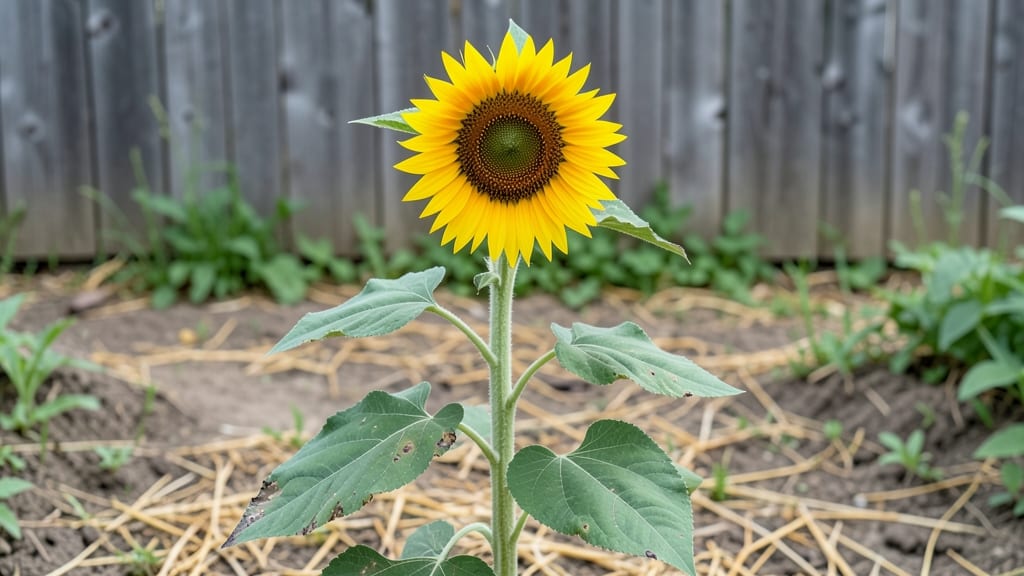
Looking after a sunflower plant is easier than you think—once you know the few key tricks that turn floppy stems into towering giants. 🌻 I’ve grown sunflowers from seed every summer, and the difference between a sad, wilted plant and one that reaches for the sky comes down to three things: the right soil, consistent watering, and giving those heavy blooms the support they need.
Sunflowers are forgiving plants, but they do demand bright, full sun (at least six hours daily) and soil that drains well—no soggy roots here. Start with a loose mix of garden soil and compost, and space your seeds 12–18 inches apart (closer for dwarf varieties).
The first few weeks are all about keeping the soil evenly moist but not waterlogged; let the top inch dry out between waterings to prevent rot.
By mid-summer, your plants will be racing toward the sky—some varieties grow 10+ feet tall—so stake them early with 3-foot bamboo stakes or use a tomato cage for support. A light fertilizer every 4–6 weeks keeps them blooming strong, and deadheading spent flowers encourages more blooms.
The payoff? A sunflower that’s bold, sturdy, and ready to turn your garden into a golden showstopper.
Whether you’re growing for cut flowers, birdseed, or just the joy of watching them grow, this care routine works for all sunflower types—from dwarf varieties to giants. Let’s get those seeds in the ground and start the countdown to summer sunshine.
📚 In This Guide
- What you need
- Instructions
- Tips and common mistakes
- Wrapping up and next steps
What you need
- ● Sunflower seeds: Choose Helianthus annuus varieties (e.g., ‘Mammoth’, ‘Autumn Beauty’, or ‘Teddy Bear’). Buy 10–20 seeds for a small garden or 50+ seeds for larger patches.
- ● Potting soil: A 10–15 lb bag of high-quality, well-draining potting mix (or garden soil if planting outdoors). Add perlite or vermiculite (1–2 cups) for better aeration.
- ○ Containers (optional): If starting indoors, use 4–6 inch biodegradable pots (6–10 pots for 10 seeds) or seed trays with drainage holes.
- ● Garden bed or raised bed (outdoor planting): Ensure it’s at least 12–18 inches deep and receives 6–8+ hours of sunlight daily.
- ● Watering can or hose: A 1–2 gallon watering can with a gentle spray nozzle or a soaker hose for efficient hydration.
- ● Fertilizer: Balanced fertilizer (10-10-10 or 5-5-5): 1–2 tbsp per plant at planting time.
- ● Compost or organic matter: Mix 1–2 cups into the soil for nutrients.
- ● Trowel or hand shovel: For digging holes or transplanting seedlings.
- ● Gloves: A pair of gardening gloves to protect your hands.
- ● Measuring tape or ruler: To space seeds 6–12 inches apart (depending on variety) and plants 18–24 inches apart.
- ○ Stakes or plant supports (optional): Tall varieties (like ‘Mammoth’) may need 6–8 ft stakes for stability.
- ● Mulch: 2–3 inches of straw or wood chips to retain moisture and suppress weeds.
- ● Sunlight: A south-facing spot or area with full sun exposure.
- ● Warmth: Soil temperature should be at least 50°F (10°C) for planting (wait until after the last frost in your zone).
- ● Patience: Sunflowers take 80–120 days to bloom, depending on the variety!
Step-by-Step guide to caring for your sunflower plant
Sunflowers reward patience with towering beauty—here’s how to nurture them from sprout to showstopper.
🌱 Step 1: Plant in Well-Draining Soil with Full Sun Exposure
Sunflowers demand 6-8 hours of direct sunlight daily—no compromise. I dig a hole twice as wide as the root ball but only as deep as the container it came in. The key is loose, fertile soil that drains freely; amending with compost ensures nutrients stay available as the plant grows. Press the soil gently around the roots to eliminate air pockets, then water deeply until moisture reaches 6 inches down.
Here’s the thing—sunflowers hate soggy feet. If your soil stays damp for more than a day after watering, mix in 20% perlite or coarse sand to improve drainage. The first true leaves should appear within 7-10 days if conditions are right. If they don’t, check for consistent moisture and warmth—sunflower seeds need 60-65°F soil temperatures to germinate.
💧 Step 2: Water Deeply but Infrequently
Overwatering is the silent killer of sunflowers. I water mine once every 5-7 days during dry spells, soaking the soil until water runs out the drainage holes. The goal is to encourage deep root growth—shallow watering produces weak stems that snap in wind or rain. You’ll know you’ve got it right when the top 2 inches of soil feel dry to the touch before your next watering.
Once the plant reaches 3 feet tall, reduce frequency to every 10-14 days unless your area experiences extreme heat. Sunflowers store water in their thick stems, so they’re surprisingly drought-tolerant once established. Watch for wilting leaves—if they perk up after watering, you’re golden. If they stay limp, you’re overdoing it.
☀️ Step 3: Support and Protect as the Stem Grows
Sunflowers can reach 10 feet tall, and that’s when sturdy support becomes non-negotiable. I install 3-4 foot bamboo stakes at planting and tie the main stem loosely with soft cloth strips every 2 feet up. The stakes prevent leaning, but the ties must allow the stem to thicken naturally—tightening too soon restricts growth. Real talk: I’ve seen sunflowers flop over by their third week if unsupported.
Protect young plants from pests like cutworms and squirrels with row covers until they hit 12 inches tall. Birds love sunflower seeds, so I cover the developing buds with netting once the flower disk forms. Even with protection, sunflowers attract pollinators—just don’t let them become a buffet for critters before you get to enjoy the blooms.
✂️ Step 4: Deadhead and Maintain for Continuous Blooms
When the center disk of a sunflower turns brown and papery, it’s time to snip the stem 6 inches below the flower head. This redirects the plant’s energy into side buds, often producing 5-10 additional blooms per stem. Use clean, sharp shears to avoid tearing the stem—sunflowers heal slowly from jagged cuts. I deadhead mine every 2-3 weeks during peak bloom season to keep the plant productive.
Fertilize lightly once during flowering with a balanced 10-10-10 formula to replenish nutrients. Too much nitrogen now will boost foliage at the expense of blooms. Watch for yellowing leaves—this usually signals overwatering or nutrient deficiency. If it’s the latter, a magnesium-rich epsom salt spray (1 tablespoon per gallon of water) revives chlorotic leaves in a week.
⏰ Step 5: Harvest Seeds and Prepare for Winter
Leave 2-3 mature sunflower heads on the plant until they’re completely dry and the back turns brown. Cut the heads off, hang them upside-down in a well-ventilated, dry place, and let the seeds fully dry for 2-3 weeks. Once the seeds rattle when shaken, they’re ready to store. I remove the seeds, clean them, and save them for next year’s planting—sunflower seeds retain viability for 3-5 years if stored properly.
After the first frost, cut the remaining stems down to 6 inches above ground level. Sunflowers are annuals, but their roots leave behind nitrogen-rich soil that benefits subsequent plantings. I compost the dried stems and leaves, then mulch the area with 2-3 inches of straw to protect the soil over winter. Come spring, the improved soil gives new sunflowers a head start.
Tips & tricks for perfect sunflower care
Here's what nobody tells you about growing sunflowers that'll actually reach their full potential.
Soil Temperature Secret: That 60-65°F soil temperature in Step 1 isn't just a number—it's the difference between fast germination and weeks of waiting. I've seen seeds planted in cooler soil take twice as long to sprout. If your spring nights are still chilly, consider using a seedling heat mat for the first week. The roots need warmth to activate, and sunflower seeds won't germinate below 55°F.
Watering Technique: The 5-7 day watering schedule in Step 2 only works if you're using the right method. I water at the soil base rather than overhead—this prevents fungal diseases that thrive on wet foliage. For container-grown sunflowers, let the water run through the drainage holes completely. The goal is to encourage that deep taproot system, not just keep the topsoil moist.
Support System: Those 3-4 foot bamboo stakes in Step 3 are non-negotiable once your plant hits 3 feet tall. I've learned this the hard way—sunflowers grow surprisingly fast, and stems that seem sturdy at 2 feet can snap like twigs when they reach 6 feet. Use soft cloth or old t-shirts for tying (not wire)—you want to support, not strangle the stem as it grows. Tighten ties every few days as the stem thickens.
Deadheading Timing: The 2-3 week deadheading schedule in Step 4 maximizes blooms, but timing matters. I wait until the back of the flower head turns completely brown and papery before cutting. If you snip too early, you waste the plant's energy. If you wait too long, the seeds will already be forming. The perfect moment is when the petals have all fallen naturally—this ensures maximum energy transfer to side buds.
Pro Tips for Look After A Sunflower Plant
- Here's what nobody tells you about growing sunflowers that'll actually reach their full potential.
- Soil Temperature Secret: That 60-65°F soil temperature in Step 1 isn't just a number—it's the difference between fast germination and weeks of waiting.
- Watering Technique: The 5-7 day watering schedule in Step 2 only works if you're using the right method.
Frequently asked questions
Got questions about keeping your sunflower plant happy and healthy?
Here are answers to some of the most common queries to help you grow a stunning sunflower from seed to bloom!
How long does it take for a sunflower to grow from seed?
A sunflower typically takes 80 to 100 days to reach full maturity, depending on the variety. You’ll see sprouts in 7 to 14 days after planting, with buds forming around 6 to 8 weeks. Patience pays off—those towering blooms are worth the wait!
How often should I water my sunflower plant?
Sunflowers need 1 to 2 inches of water per week, especially during their first few weeks. Water deeply at the base (not the leaves) to encourage strong roots. Once established, they’re drought-tolerant, but consistent moisture prevents wilting. Avoid soggy soil—sunflowers hate "wet feet."
What are the most common pests for sunflowers, and how do I get rid of them?
Sunflowers often attract aphids, beetles, and spider mites. For mild infestations, spray with a soapy water solution (1 tsp mild soap per quart of water). Introduce ladybugs or lacewings for natural pest control. Severe cases may need neem oil—just follow label instructions!
Can sunflowers survive frost? What if it gets too hot?
Sunflowers are frost-sensitive—they’ll wilt if temperatures drop below 32°F (0°C). Start seeds indoors if your climate has late frosts. As for heat? They thrive in warm weather (70–85°F or 21–29°C), but extreme heat (above 90°F or 32°C) can stress them. Provide light shade during heatwaves if possible.
Why aren’t my sunflower seeds germinating? Troubleshooting tips!
If seeds aren’t sprouting, check these fixes:
- Depth: Plant seeds 1 inch deep—too shallow or deep can fail germination.
- Moisture: Keep soil consistently damp (not waterlogged). Use a spray bottle for fine misting.
- Temperature: Ideal germination temp is 70–75°F (21–24°C). Use a heat mat if needed.
- Fresh seeds: Old seeds (over 1 year) may lose viability. Test with a paper towel germination test.
Still no luck? Try scratching the seed coat gently with sandpaper to encourage sprouting.
Wrapping up and next steps
Caring for a sunflower plant is a rewarding journey that brings vibrant color and joy to your garden! 🌻 With the right light, soil, water, and a little patience, you’ll watch your sunflower grow tall and proud.
Remember, consistency is key—whether you’re a seasoned gardener or a beginner, every small step makes a difference.
Now that you’re armed with tips, why not share your sunflower love? Try growing a few more varieties, experiment with companion plants, or even gift seeds to a friend. Happy gardening—your sunflowers (and future blooms!) will thank you! 🌱