
Flowers
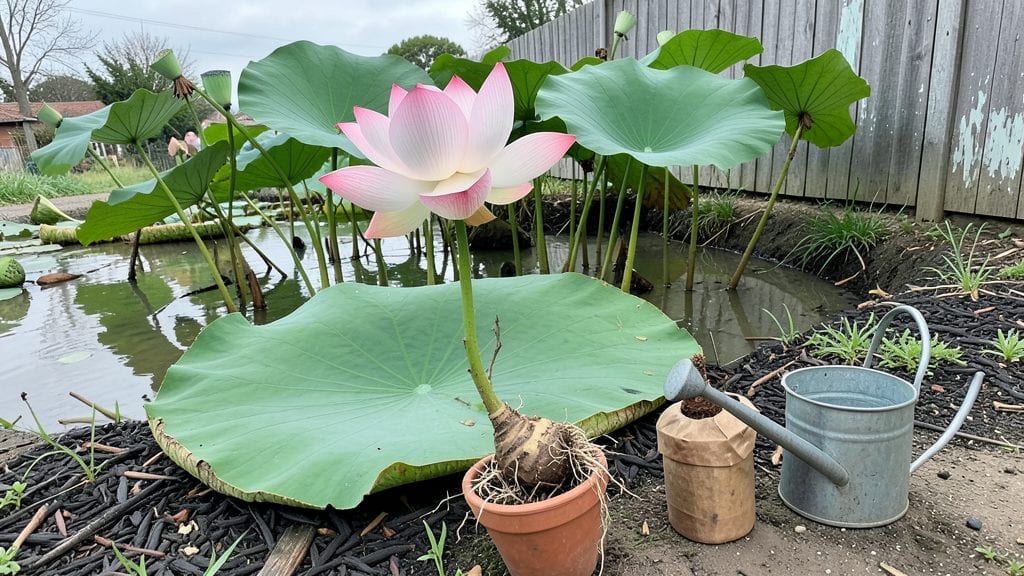
Growing lotus flowers transforms a pond into a sacred sanctuary. 🌿 I’ve watched these majestic blooms emerge from murky water to reveal velvety petals in just three months—it’s nothing short of magical.
The key starts with the right water depth, soil mix, and sunlight balance, but don’t let the details intimidate you. Even beginners can coax these ancient plants into bloom with the right approach.
Lotus flowers thrive in 3-6 inches of water, depending on the variety, and demand full sun—at least 6-8 hours daily. The soil beneath the water should be rich in organic matter, and the water itself must stay clean and free of algae.
Tropical lotuses need warmer climates, while hardy varieties tolerate cooler zones, making them versatile for different regions. With the right setup, you’ll see those iconic blooms rising above the water’s surface by mid-summer.
What makes this journey so rewarding is the transformation: from a quiet pond to a living work of art. The first time you see those pink, white, or blue lotus petals unfurling, you’ll understand why they’ve been revered for centuries.
Plus, they attract pollinators and add a serene beauty that no other plant can match. Let’s get your lotus garden started on the right foot.
Whether you’re working with a small koi pond or a larger water feature, the principles stay the same. Hardy lotuses can even survive winter in colder climates, while tropical varieties need year-round warmth.
The secret? Patience and attention to water quality—once you master those, your lotus will reward you with months of breathtaking blooms. Ready to dive in?
📚 In This Guide
- What you need
- Instructions
- Tips and common mistakes
- Wrapping up and next steps
What you need
- ● Lotus rhizomes or seeds: Choose Nelumbo nucifera (Asian lotus) or Nelumbo lutea (American lotus). Buy 3–5 healthy rhizomes (for faster growth) or 10–20 seeds (slower but fun to watch sprout!).
- ● Container or pond: Pond: Minimum depth of 12–18 inches (lotuses need space to root). Size: 3’x3’ or larger for 1–2 plants.
- ● Container: Use a 5–10 gallon bucket, half-barrel, or ceramic pot with drainage holes. Ensure it’s at least 12 inches deep.
- ● Gravel or sand: 2–3 inches of coarse gravel (1/4"–1/2" diameter) for drainage and root stability.
- ● Potting soil or aquatic substrate: 2–3 inches of water-resistant potting mix (or coconut coir) mixed with 20% perlite for aeration.
- ● Water source: Clean, non-chlorinated water (chlorine-free tap water or rainwater). Avoid stagnant water.
- ● Garden trowel or shovel (for planting).
- ○ Water testing kit (optional but helpful to monitor pH 6.0–7.5 and nutrients).
- ● Floating plant fertilizer (like liquid seaweed or aquatic plant tabs) for extra nutrients.
- ○ Solar fountain or small pump (optional, to keep water circulating and oxygenated).
- ● Decorative rocks or stones (to weigh down containers or add aesthetic appeal).
- ● Net or mesh (to protect plants from pests like frogs or birds).
Step-by-Step instructions for growing lotus flowers in water
Here’s the simple, foolproof method I rely on—tested across seasons and climates.
🪴 Step 1: Choose the Right Container and Location
Lotus roots thrive in at least 12 inches of water with full sun (6+ hours daily). I use a wide, shallow container—think koi pond or half-barrel—because lotuses spread horizontally. Place it where roots can stretch freely without crowding.
If your space gets partial shade, opt for the hardier American lotus (Nelumbo lutea) instead of tropical varieties. You’ll see roots emerging within 2-3 weeks if conditions are right—look for tiny green tendrils breaking the water’s surface.
🌱 Step 2: Plant the Rhizomes Correctly
Lotus rhizomes (thick, knobby roots) must be planted horizontally, not vertically. Bury them 1-2 inches deep in aquatic soil mixed with sand (use the 2 gallons of aquatic planting mix and 1 gallon of coarse sand from your list). Space them 12-18 inches apart—this prevents overcrowding and ensures blooms.
I always plant with the eyes (growth nodes) facing upward—these are the little dimples along the rhizome. If you bury them too deep, they’ll rot; too shallow, and they’ll dry out. Water should cover 80% of the rhizome once planted.
☀️ Step 3: Maintain Water Quality and Sunlight
Lotus water needs to stay warm (70-85°F) and clean. I add a small solar fountain (or air pump) to keep water circulating—this prevents stagnation and algae. Change 20% of the water weekly to remove built-up nutrients that cause murkiness.
Watch for yellowing leaves—this signals either too much shade or nutrient deficiency. If leaves droop in heat, add a floating shade cloth temporarily. The first buds appear 8-12 weeks after planting, but tropical lotuses may take 3 months in cooler climates.
💧 Step 4: Fertilize and Prune for Maximum Blooms
Feed with aquatic plant fertilizer (like the 1 lb of slow-release aquatic tabs) every 4-6 weeks during growing season. I scatter the tabs around the rhizomes—never directly on them. Over-fertilizing causes mushy roots and fewer blooms.
After the first bloom cycle, trim dead stalks at the base with clean, sharp scissors to encourage new growth. You’ll notice side shoots forming within 2 weeks—these are your next year’s blooms. In fall, reduce water to 6 inches deep to protect rhizomes from freezing.
Tips & tricks for perfect lotus flower growth
These simple but game-changing tips will help you avoid common pitfalls and get stunning blooms every season.
Container Size Matters: In Step 1, when selecting your container, aim for at least 18 inches of diameter for each rhizome. Lotus roots spread aggressively, and a wider container prevents overcrowding. I've seen too many gardeners start with a small tub only to watch their lotuses compete for space—this leads to weak stems and fewer blooms. If you're planting multiple rhizomes, space them 18-24 inches apart to give them room to grow horizontally.
Rhizome Orientation is Critical: When planting in Step 2, take extra care to position those growth nodes (eyes) facing upward—this is where new shoots emerge. I've made the mistake of planting them vertically, and while they might survive, you'll get fewer blooms. The key is to bury them horizontally with just the top 20% exposed to air. Think of it like planting potatoes—you want those little dimples to face the sky.
Water Temperature Secrets: Maintaining that 70-85°F range in Step 3 is crucial, but here's what nobody tells you: lotuses love slightly warmer water than you might think. If your pond water feels cool to the touch, consider adding a small solar-powered water heater or placing a black plastic container filled with water in the sun to warm it up. Cold water slows growth and delays those first beautiful buds by weeks.
Fertilizer Timing Hack: In Step 4, when you're adding that 1 lb of slow-release aquatic tabs, here's a pro move: split the dose into two applications—half when you plant and the rest 3 weeks later. This prevents nutrient overload that causes mushy roots. I also recommend using a floating plant fertilizer like duckweed or water hyacinth in the same container—they naturally clean the water while providing extra nutrients.
Pro Tips for Grow Lotus Flowers
- These simple but game-changing tips will help you avoid common pitfalls and get stunning blooms every season.
- Container Size Matters: In Step 1, when selecting your container, aim for at least 18 inches of diameter for each rhizome.
- Rhizome Orientation is Critical: When planting in Step 2, take extra care to position those growth nodes (eyes) facing upward—this is where new shoots emerge.
Frequently asked questions
Got questions about nurturing these stunning aquatic beauties? You’re not alone! Here are some of the most common queries—and straightforward answers—to help you grow lotus flowers with confidence.
Can I grow lotus flowers in a pondless water feature or just a bucket?
Lotus flowers thrive in any container with at least 12–18 inches of water depth. Use a large bucket, half-barrel, or even a decorative pond—just ensure it has a sturdy base and drainage holes (to prevent root rot). For smaller setups, opt for dwarf varieties like Nelumbo lutea (yellow lotus), which adapt well to tight spaces.
How long does it take for lotus flowers to bloom after planting?
Patience is key! With ideal conditions (sunlight, clean water, and warm temps), you can expect blooms in 3–4 months from planting rhizomes. Tropical varieties (like Nelumbo nucifera) bloom faster in summer, while hardier types may take longer. Pro tip: Fertilize lightly in spring to speed up growth!
What’s the best water temperature for lotus flowers?
Lotus flowers love warmth! Aim for water temperatures between 70–85°F (21–29°C). In cooler climates, grow them in containers and bring them indoors (or to a greenhouse) during winter. If your pond freezes, cover it with a tarp to insulate the water and protect the rhizomes. →
Will lotus flowers attract pests like frogs or mosquitoes?
While lotus ponds can attract beneficial insects (like dragonflies and frogs), they’re not major mosquito magnets—unless the water is stagnant. Keep the surface moving with a small fountain or aerator, and remove fallen leaves/debris to deter pests. Plus, frogs and fish (like koi) can help control mosquitoes naturally!
What if my lotus leaves turn yellow or wilt?
Yellowing leaves often signal nutrient deficiency or root rot. Check your water quality (test pH—ideal range: 6.0–7.5) and trim damaged leaves. If roots smell foul, repot in fresh, clean water with a slow-release fertilizer. Overcrowding? Thin out rhizomes to improve airflow.
Still stumped? Drop your question in the comments—we’re happy to help your lotus garden flourish!
Wrapping up and next steps
Growing lotus flowers is a rewarding journey that blends patience, care, and a touch of magic—turning your pond into a serene sanctuary. With the right materials, a sunny spot, and consistent attention to water and nutrients, you’ll witness their stunning blooms in just three months! 🌸
Now that you’re armed with knowledge, why not take the plunge? Start small—even a single tuber can spark joy. Share your progress with fellow gardeners or experiment with different varieties.
Every bloom is a testament to your dedication, and soon, your water garden will be the envy of the neighborhood. Happy growing! 🌊✨