
Flowers
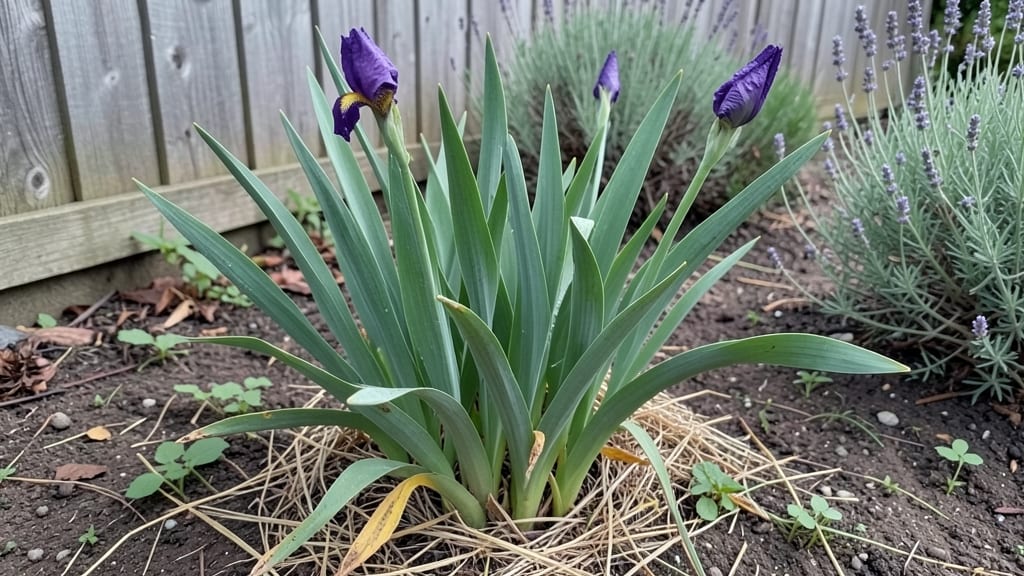
Iris flowers bring a symbolic depth to gardens that no other bloom can match—each variety carries its own story, from regal purple standards to delicate Siberian whispers. 🌸 The names alone tell you what to expect: Iris germanica for bold borders, Iris ensata for water gardens, or Iris lactea for cottage charm.
These aren't just flowers; they're living poetry with roots in mythology, medicine, and royal gardens.
The best part? Irises thrive in partial sun, need minimal fuss, and return year after year—unlike fussy annuals. Pair a bearded iris with lavender for a Mediterranean vibe, or tuck Siberian irises near hostas for shade-loving contrast.
Their sword-like foliage adds structure, while the blooms create vertical drama that no flat ground cover can match.
You'll end up with a garden that feels like a curated gallery—each iris variety pulling its weight in color, form, and meaning. The early spring bloomers like Iris reticulata wake up the garden, while late-season varieties keep the show going until summer.
Plus, their rhizomes spread naturally, creating lush drifts over time.
Whether you're designing a formal border or a wildflower meadow, irises adapt beautifully. Start with three varieties for impact, then expand as their colors and stories inspire you. The key? Plant them where they'll be seen—and remembered—for decades.
📚 In This Guide
- What you need
- Instructions
- Tips and common mistakes
- Wrapping up and next steps
What you need
- ● Iris bulbs or rhizomes: Choose from Bearded, Siberian, Japanese, or Dutch iris varieties (3–5 bulbs per plant, depending on size).
- ○ High-quality potting soil or garden loam: Well-draining mix (avoid heavy clay). Optional: Add perlite or sand for extra drainage.
- ● Garden trowel or transplant spade: For digging and planting.
- ○ Gloves (optional but recommended): Protects hands from sharp rhizome edges.
- ● Watering can or hose with a gentle spray nozzle: Irises dislike soggy roots!
- ○ Mulch (optional): Straw or shredded bark to retain moisture (apply lightly after planting).
- ● Fertilizer (balanced 10-10-10 or iris-specific): Sprinkle lightly at planting time.
- ● Sunlight: 6+ hours of direct sun daily (most irises thrive in full sun).
- ● Spacing: Plant rhizomes 12–24 inches apart for airflow (prevents rot).
- ● Timing: Best planted in early fall or late winter (varies by climate).
- ● Location: Avoid low-lying areas where water pools. Pro tip: Irises symbolize wisdom—plant near doorways for good luck!
How to select and incorporate iris flower names into your garden design
Iris flowers aren’t just stunning—they’re packed with meaning, making them perfect for themed gardens.
🌿 Step 1: Identify Your Garden’s Symbolic Theme
First, determine the emotional or cultural message you want your garden to convey. Irises carry deep symbolism: blue irises represent wisdom and hope, yellow irises symbolize passion and friendship, while purple irises embody royalty and admiration. I always start by sketching my garden layout and labeling zones based on the mood I want to evoke—like a "tranquility corner" for blues or a "joyful border" for yellows.
For a romantic garden, focus on white irises (purity) and lavender irises (devotion). If you’re designing a healing space, golden irises (sunlight and vitality) work beautifully. The key is matching the iris variety to the theme’s emotional tone—it transforms a simple planting into a storytelling experience.
📜 Step 2: Research and Select Named Iris Varieties
Irises have thousands of named cultivars, each with unique colors, heights, and bloom times. Start by browsing the American Iris Society’s registry or specialty nurseries like Heronswood or Bluestone Perennials, which categorize irises by type (bearded, Siberian, Japanese, etc.). I recommend beginning with easy-care varieties like "Cadence" (purple-blue, reliable bloomer) or "Harmony" (soft yellow, fragrant).
Look for common names that resonate with your theme—"Moonlight Serenade" (white) for elegance or "Fire King" (red-orange) for bold energy. Avoid rare or hybrid-specific names unless you’re targeting a niche collection; they can be harder to source. Pro tip: Note the USDA hardiness zone for each variety to ensure it thrives in your climate.
☀️ Step 3: Plan Iris Placements Based on Light and Symbolism
Most irises thrive in full sun to partial shade (6+ hours of sunlight daily), but their symbolic placement matters just as much. For example, blue irises (like "Blue Flag" or "Waterfall") should anchor a water feature or meditation area—their cool tones create a calming atmosphere. Meanwhile, yellow irises (such as "Golden Harvest") shine in sunny pathways to evoke warmth and guidance.
Group irises by height: Tall bearded irises (3–4 feet) work as backdrop plants, while dwarf varieties (1–2 feet) fit perfectly in rock gardens or front borders. I like to cluster three of the same named variety together for visual impact—it mimics natural groupings and makes the symbolic message stronger. Space them 12–24 inches apart to allow airflow and prevent rhizome rot.
🌱 Step 4: Incorporate Names into Garden Labels and Layouts
To deepen the connection to iris names, use engraved markers or handwritten signs near each planting. For instance, label "Queen of the Night" (a deep purple iris) near a bench for evening strolls, or place "Butter and Sugar" (a soft yellow) beside a children’s play area. I prefer slate or copper plaques for durability—weather-resistant and elegant. Include the common name, botanical name (Iris × germanica, for example), and a brief symbolic note like "courage" or "new beginnings."
For a whimsical touch, weave names into the design itself. Plant "Midnight Blue" near a moon garden or "Sunburst" beside a solar clock. Even a simple path bordered with named irises turns a functional space into a curated experience. The goal is to make every visitor pause and reflect on the meaning behind the blooms.
✂️ Step 5: Maintain and Celebrate the Symbolic Garden
Irises are low-maintenance but benefit from seasonal care tied to their symbolic roles. After blooming, cut back spent stalks (but leave the leaves until they yellow) to encourage next year’s flowers—especially for royal-themed irises like "Imperator", which deserve their best display. In fall, divide overcrowded clumps every 3–4 years to keep them vigorous; replant divisions in moist, well-draining soil (a nod to their wild origins near water).
Celebrate the garden’s themes with seasonal rituals. For example, harvest "Purple Haze" irises in spring for a bouquet symbolizing creativity, or plant "Hope" (a soft blue) in early spring as a reminder of renewal. Share the stories behind the names with guests—it turns a garden from a backdrop into a living narrative. Over time, your iris collection will grow into a personal lexicon of beauty and meaning.
Tips & tricks for creating a symbolic iris garden
Transforming your garden into a living story through iris names takes thoughtful planning—and these tips will elevate your design from ordinary to extraordinary.
Theme-Driven Selection: In Step 1, when choosing your symbolic theme, consider pairing iris varieties with complementary plants that enhance their meaning. For example, plant "Blue Flag" near lavender to deepen the tranquil vibe, or pair "Fire King" with red salvia for a bold energy statement. The color harmony creates a more immersive experience that ties directly to your garden's intended message.
Name Storytelling: When selecting named varieties in Step 2, look beyond just color—research the backstory behind each name. "Moonlight Serenade" was named for its luminous blooms that glow in moonlight, while "Butter and Sugar" evokes childhood sweetness through its soft yellow hue. These narratives become part of your garden's story when you share them with visitors during tours or plant labels.
Placement Psychology: In Step 3, think about the emotional journey you want visitors to experience. Place "Hope" (soft blue) where people first enter your garden to set a positive tone, then lead them to "Purple Haze" (deep purple) near a contemplation area. The progression creates a subconscious narrative flow that enhances the symbolic impact of your design.
Labeling with Purpose: For Step 4's labeling, go beyond just names—include a brief symbolic phrase that connects to your garden's theme. Instead of just "Iris × germanica," try "Iris 'Queen of the Night' - Royalty in Twilight" for a purple iris near your evening seating area. This approach turns your labels into mini stories that invite exploration and reflection.
Pro Tips for Iris Flower Names
- Transforming your garden into a living story through iris names takes thoughtful planning—and these tips will elevate your design from ordinary to extraordinary.
- Theme-Driven Selection: In Step 1, when choosing your symbolic theme, consider pairing iris varieties with complementary plants that enhance their meaning.
- Name Storytelling: When selecting named varieties in Step 2, look beyond just color—research the backstory behind each name.
Frequently asked questions
Got questions about naming your irises or choosing the perfect variety? Here are some of the most common queries gardeners ask—plus quick answers to help you pick with confidence!
What are the most popular iris flower names for formal gardens?
For elegant, structured gardens, classic iris names like ‘Blue Flag’, ‘Queen Elizabeth’, or ‘Mary Todd Lincoln’ add timeless charm. These varieties often feature bold, upright blooms that pair beautifully with structured hedges or trellises. Look for bearded irises (like ‘Ballet Dancer’) for a refined, almost theatrical look.
When is the best time to plant irises with unique names?
Plant irises in early fall (September–October) or late winter (February–March) for the best root establishment. Avoid summer heat—irises hate soggy soil! Pro tip: ‘Siberian irises’ (like ‘Caesar’s Brother’) thrive in cooler climates and can handle spring planting, while ‘Louisiana irises’ prefer warmer, wetter zones.
Can I grow irises with names like ‘Black Beauty’ in containers?
Yes! Many irises—including ‘Black Beauty’ (a striking purple-black variety)—thrive in containers with well-draining soil. Use pots at least 12 inches deep and pair them with dwarf irises (like ‘Little Miss’) for compact, portable color. Just ensure they get 6+ hours of sunlight daily and avoid overwatering—their rhizomes rot easily!
Why won’t my named iris varieties bloom?
Common culprits include overcrowded rhizomes (dig up and divide clumps every 3–4 years), poor sunlight (irises need full sun), or excessive fertilizer (use a low-nitrogen feed). ‘Japanese irises’ (like ‘Amanogawa’) are picky—plant them in moist, acidic soil for best results. If blooms fade fast, deadhead spent flowers to encourage reblooming!
Are there iris names that symbolize specific meanings?
Many iris names carry symbolic weight:
- ‘Hope and Glory’ – Represents optimism and victory.
- ‘Blue Moon’ – Symbolizes rarity and dreams.
- ‘Fire and Ice’ – Embodies duality (passion vs. purity).
- ‘Purple Haze’ – Evokes mystery and creativity.
Perfect for themed gardens! Bearded irises often have poetic names tied to mythology (e.g., ‘Odysseus’) or history (e.g., ‘Napoleon’).
Wrapping up and next steps
From symbolic meanings to garden themes, iris flower names offer a world of inspiration for every gardener. Whether you’re drawn to the classic elegance of the Bearded Iris or the whimsical charm of the Japanese Iris, these blooms bring both beauty and personality to your outdoor space. 🌸
Now that you’re armed with knowledge, why not plant a few irises this season? Start small—pick a name that resonates with you, and let your garden tell a story. Happy gardening! 🌱