
Propagation
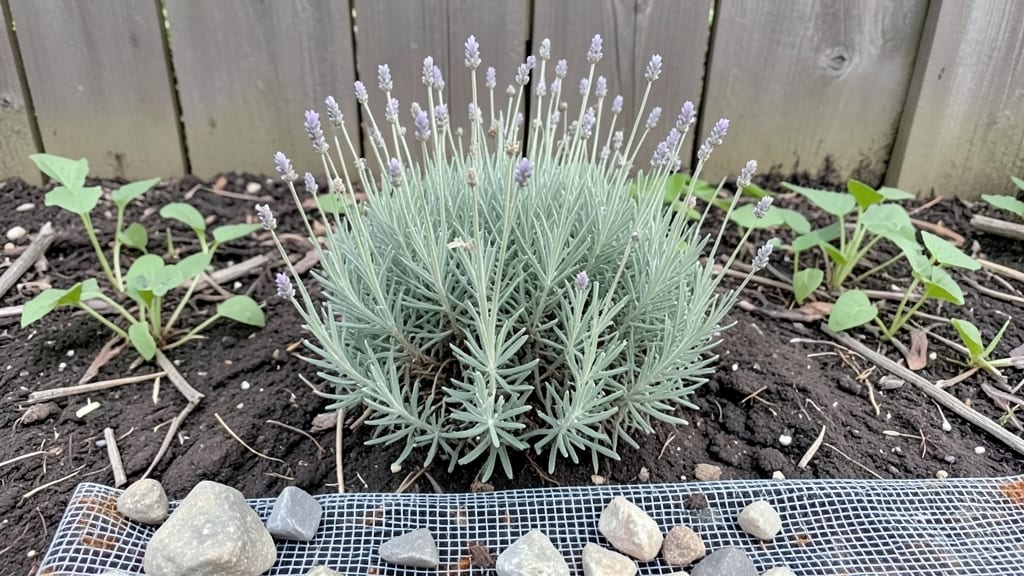
Learn how to deter dogs from digging in flower beds—my golden retriever turned them into a mess until these barriers saved the day. The key isn’t punishment or shouting; it’s redirecting that energy with smart, pet-safe solutions that actually protect your plants while keeping your dog happy.
You’ll need just three simple supplies: chicken wire (buried shallowly), landscape fabric (to block roots), and some 10-15 minutes to set it up along the bed edges.
For stubborn diggers, add a layer of 3-4 inches of smooth river rocks—dogs hate the texture, but it won’t hurt their paws. The best part? These methods work within 24 hours if your dog has a routine digging spot.
What you’ll end up with is a garden that stays intact while your dog learns new boundaries—no more uprooted perennials or muddy paw prints in your prized blooms. The barriers stay hidden under mulch, and your dog gets to sniff and explore without wrecking your hard work.
Plus, you’ll avoid the guilt of using harsh deterrents that could harm pets.
Works for any yard size, from small urban gardens to sprawling backyards. The same principles apply whether you’re protecting roses, veggies, or delicate annuals. Let’s get those flower beds back to looking like a sanctuary, not a sandbox.
📚 In This Guide
- What you need
- Instructions
- Tips and common mistakes
- Wrapping up and next steps
What you need
- ● Physical barriers: 1–2 rolls of chicken wire (18–24 inches tall, 4-foot width) – $10–$20
- ● 1–2 rolls of hardware cloth (½-inch mesh, 4-foot width) – $15–$25 (better for burrowing dogs)
- ○ 1–2 rolls of landscape fabric (30-inch width) – $10–$15 (optional for softer edges)
- ● Installation tools: Staple gun + 1 box of heavy-duty staples (for securing barriers)
- ● Post-hole digger or shovel (for anchoring stakes)
- ● 4–6 galvanized metal stakes (12–18 inches long) – $5–$10
- ● Measuring tape (10–25 feet) – $5–$10
- ● Safety & finishing touches: Gloves (heavy-duty work gloves)
- ● Knee pads (for comfort)
- ● Pruners or shears (to trim plants/weeds before installing barriers)
- ● Decorative edging (stone, brick, or plastic) to camouflage barriers – $10–$30
- ● Dog-safe mulch (cypress or pine straw) to cover soil and deter digging – $5–$15
- ● Motion-activated sprinkler (for extra deterrence) – $20–$50
- ● Citrus peels or vinegar (natural repellents to sprinkle near edges)
How to deter dogs from digging in flower beds: physical barriers that work instantly
Here’s the straightforward approach I’ve used to keep flower beds intact while keeping dogs happy.
Identify the Digging Hotspots
First, observe where your dog digs most frequently—these are the areas that need the most attention. I’ve found that dogs often target spots with loose soil, buried toys, or areas near fences where they can escape. Mark these zones with stakes or flags so you can focus your barriers there.
Digging can also be a behavioral response to boredom or anxiety, so if you notice your dog digging when left alone, consider adding mental stimulation like puzzle toys or longer walks. The goal is to address both the physical and behavioral triggers.
Install Temporary Physical Barriers
For immediate results, lay down landscape fabric or wire mesh over the digging areas before covering with mulch or soil. This prevents dogs from breaking through the surface while still allowing roots to grow. Secure the edges with landscape staples or heavy rocks to keep it in place.
If your dog is a determined digger, add a second layer of hardware cloth (¼-inch mesh) buried 4-6 inches deep around the perimeter of the flower bed. This creates a deeper barrier that’s harder to bypass. Water the soil thoroughly before installing to help it settle and stay in place.
Add Visual and Textural Deterrents
Dogs are less likely to dig in areas that feel or look unappealing. Spread gravel, pebbles, or coarse sand over the landscape fabric in the digging zones—these materials are uncomfortable to paw through. You can also plant low-growing, prickly plants like thyme or creeping juniper along the edges of the flower bed.
Another trick is to place large, flat rocks or concrete pavers in strategic spots where your dog tends to dig. The weight and texture discourage digging without harming the plants. Just make sure the rocks are stable so they don’t become tripping hazards for you or your dog.
Create a Designated Digging Area
If your dog digs out of curiosity or instinct, redirect their behavior by setting up a sandbox or designated digging pit filled with clean sand or soil. Bury a few toys just below the surface to encourage them to dig there instead. Place this area far enough from the flower beds so it doesn’t interfere with your garden.
Train your dog to use this space by praising them when they dig there and gently redirecting them if they start in the flower beds. Consistency is key—if you allow digging in one spot, your dog will keep testing other areas. Over time, they’ll learn where digging is acceptable.
Reinforce with Behavioral Training
Combine physical barriers with basic training to reinforce boundaries. Use a firm but calm "no" when you catch your dog digging in the flower bed, then immediately redirect them to their designated digging area. Reward them with treats or praise when they comply.
For dogs that dig out of anxiety, consider desensitization exercises like leaving them in the yard with the barriers in place while you’re home, gradually increasing the time you’re away. Over time, they’ll associate the flower beds with discomfort and avoid them naturally.
Tips & tricks for dog-proofing flower beds
These practical strategies will help you create a dog-friendly yard that keeps your flower beds looking pristine. The key is combining physical barriers with behavioral training for long-term success.
Layer Your Barriers: In Step 2, don't stop at just landscape fabric. For maximum effectiveness, combine the fabric with the hardware cloth buried 4-6 inches deep. I've found this double-layer approach works best for persistent diggers—it creates a physical barrier they simply can't break through. The fabric handles surface digging while the buried hardware cloth stops them from going deeper. Remember to water the soil before installing to help everything settle properly.
Visual Cues Matter: When adding visual deterrents in Step 3, focus on creating contrast. Place the large flat rocks or concrete pavers in a pattern that's visually unappealing to your dog. I've had success with creating a checkerboard pattern of rocks and mulch—it's not only functional but also makes the area look intentionally off-limits. The key is making the flower bed areas look like places your dog shouldn't be.
Digging Area Placement: For Step 4, position the designated digging area at least 10 feet away from your flower beds. I've learned this the hard way—closer placement can actually encourage dogs to test the boundaries between areas. Also, make this digging zone larger than you think you'll need. Dogs often dig more than their owners anticipate, so give them plenty of space to satisfy their instincts without encroaching on your garden.
Behavioral Consistency: The most important tip for Step 5 is to be absolutely consistent with your training. I've seen many well-meaning owners give in occasionally, and that's when dogs learn to test boundaries. If you allow digging in one spot, your dog will keep pushing the limits elsewhere. Set clear boundaries and stick to them—your dog will learn what's acceptable much faster than you might expect.
Pro Tips for Deter Dogs From Digging In Flower Beds
- These practical strategies will help you create a dog-friendly yard that keeps your flower beds looking pristine.
- Layer Your Barriers: In Step 2, don't stop at just landscape fabric.
- Visual Cues Matter: When adding visual deterrents in Step 3, focus on creating contrast.
Frequently asked questions
about keeping dogs out of flower beds—because even the best-laid plans need a little troubleshooting!Why does my dog dig in flower beds in the first place?
Dogs dig for many reasons: boredom, instinct (like hunting or cooling off), anxiety, or even just curiosity! If your pup is tearing up your garden, it’s often a mix of understimulation and natural behaviors. Physical barriers (like those in our guide) address the how, but also consider adding mental enrichment—puzzle toys or longer walks can help curb the habit!
How quickly will these barriers stop my dog from digging?
Results vary, but most dogs adjust within 1–3 days if the barrier is consistent and unremovable. Start with a temporary solution (like a pop-up fence) to test their reaction. If they persist, combine barriers with positive reinforcement—praise or treats when they avoid the area. Patience is key!
Are there non-physical alternatives to barriers?
Try these low-effort tweaks first:
- Spray deterrents: Commercial pet-safe sprays (like Grannick’s Bitter Apple) or diluted vinegar-water mixes (test on plants first!).
- Distractions: Bury large rocks or digging-approved spots (like a sandbox) elsewhere in the yard.
- Training: Teach a “leave it” command with treats—consistency is everything!
What if my dog keeps digging under or around the barrier?
If your pup is creative (or determined!), adjust your setup:
- Buried barriers (like chicken wire) should extend 12+ inches deep to prevent tunneling.
- Add a second layer of deterrents—e.g., a fence plus a motion-activated sprinkler.
- Check for gaps in fences or weak spots in mulch/rocks.
Will these solutions work in extreme heat or cold?
Most barriers (like hardware cloth or mulch) hold up year-round, but seasonal adjustments may help:
- Heat: Ensure buried barriers don’t trap moisture (rot risk!). Opt for loose mulch or sand in hot climates.
- Cold: Avoid frozen mulch—switch to gravel or a temporary plastic barrier if needed.
- Sprinklers: Test them in all weather; some freeze or clog in winter.
Wrapping up and next steps
Deterring your pup from turning your flower beds into a personal excavation site doesn’t have to be a battle—it just takes the right mix of patience, creativity, and strategy. 🌱 From simple DIY barriers to smart landscaping tweaks, these solutions can transform your garden into a no-dig zone while keeping your dog happy and engaged.
Start small: try one method, observe what works best for your furry friend, and adjust as needed.
Ready to reclaim your garden? Pick one barrier today—whether it’s a sturdy wire mesh, a cozy sand pit, or a fragrant herb border—and watch your flower beds thrive while your dog finds their new favorite spot to relax (without the digging!). 🐾