Pests
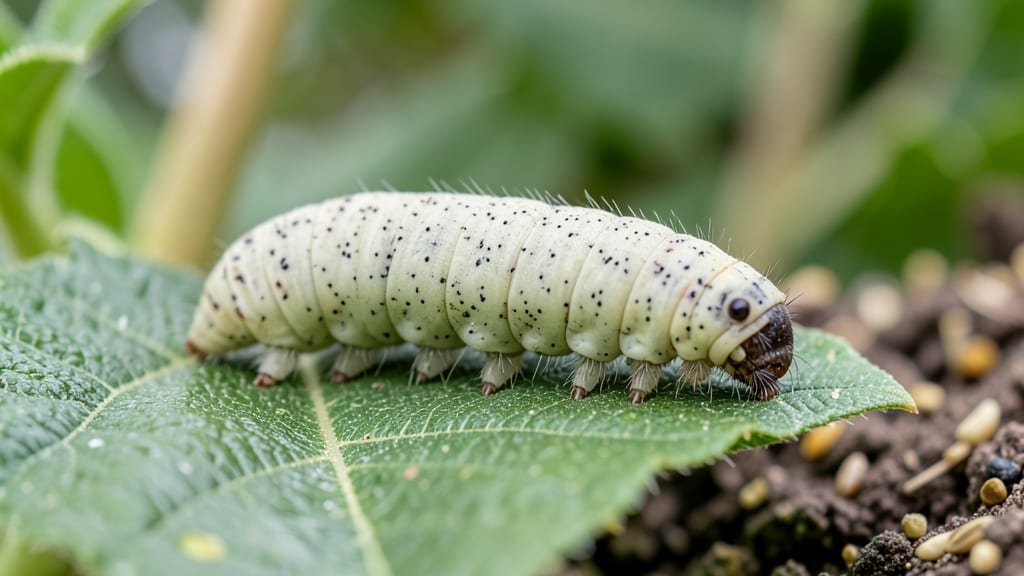
When sunflower moth caterpillars strip your plants bare, organic control isn’t just possible—it’s your best bet. 🌻 I’ve battled these tiny green devils in my sunflower patch for years, and the secret lies in disrupting their lifecycle before they get started.
They start small but multiply fast, turning vibrant blooms into skeleton leaves overnight.
The good news? You don’t need harsh chemicals to win. A few simple tools—like row covers, neem oil, or even handpicking—can save your sunflowers without harming pollinators. The key is acting early, before the caterpillars spin their way into your plants’ hearts.
I’ll show you exactly how to spot them, when to strike, and which methods work best for your garden’s size.
By the end, you’ll have sunflowers that stay lush and strong, not just a few straggly stems. The payoff? Stunning blooms that attract bees, not just pests, and a garden that thrives without the chemical trade-offs. Let’s get those caterpillars under control for good.
Whether you’re dealing with a single stalk or a full field, these methods adapt easily. The right timing and tools make all the difference—so let’s dive into what actually works in the real world, not just in theory.
📚 In This Guide
- What you need
- Instructions
- Tips and common mistakes
- Wrapping up and next steps
What you need
- ● Gloves – Heavy-duty, long-sleeved gloves (2 pairs) to protect your skin from caterpillars and plant sap.
- ● Handheld magnifying glass – Helps spot eggs and tiny caterpillars hidden in foliage.
- ● Pruning shears – Sharp, clean shears (1 pair) for trimming infested leaves or stems.
- ● Garden sprayer – 1-gallon capacity with adjustable nozzle for applying organic sprays.
- ● Neem oil or insecticidal soap – 1 bottle (16 oz) of pure, cold-pressed neem oil or a soy-based insecticidal soap (check for OMRI certification).
- ● Diatomaceous earth (DE) – 1 lb of food-grade DE (fine powder, not pool-grade!).
- ● Cardboard egg cartons or small containers – For creating natural traps (2–3 units).
- ● Yellow sticky traps – 2–3 traps (4" x 6") to catch adult moths.
- ○ Beneficial nematodes (optional but effective) – 1–2 million Steinernema carpocapsae per 1,000 sq. ft. (store in fridge until use).
- ● Row covers (floating fabric) – Lightweight, breathable fabric (enough to cover sunflower patches, ~3 ft x 5 ft per plant).
- ● Check the weather forecast—apply treatments on calm, dry days (avoid rain for 24 hours post-application).
- ● Inspect plants early morning when caterpillars are least active.
- ● Have a bucket of soapy water (1 gallon) ready for manual removal of caterpillars.
- ● Wear closed-toe shoes—some caterpillars may drop from plants when disturbed!
- ● 🔥 Mix your own spray: Combine 1 tbsp neem oil + 1 tsp insecticidal soap + 1 tsp horticultural oil per gallon of water for extra potency.
- ● ✨ Rotate methods to prevent resistance—use DE one week, neem oil the next, etc.
- ● 🌡️ Timing is key—apply nematodes in the evening when soil is moist.
Step-by-Step guide to managing sunflower moth caterpillars organically
Here’s how to tackle these pests without chemicals—tested methods that protect your plants and pollinators.
🌱 Step 1: Identify and Monitor Infestations Early
Sunflower moth caterpillars strike fast, so act the moment you spot chewed leaves or silk webbing on sunflowers. I check plants every 2-3 days during peak season (late summer to early fall). Look under leaves and along stems—larvae hide in tight clusters, blending into the foliage. The sooner you catch them, the easier removal is.
Use a 10x magnifying glass (if you have one) to spot tiny eggs—white and oval—on the undersides of leaves. These hatch in 3-5 days, so if you see eggs, prepare for an outbreak. I mark infested plants with a bright ribbon to track progress without disturbing the caterpillars.
🪴 Step 2: Hand-Pick and Remove Larvae Daily
This is the most effective method, but it takes consistency. Wear thick gardening gloves—caterpillars can be fuzzy and irritating. Pinch larvae between your fingers and drop them into a bucket of soapy water (1 tablespoon dish soap per gallon). Never crush them on the plant; their crushed bodies release pheromones that attract more moths.
Focus on young caterpillars first—they’re easier to remove and less damaging. I do this early in the morning when they’re sluggish from cool temperatures. If your sunflowers are tall, use a small hand net to sweep larvae off leaves and stems. Repeat twice daily for severe infestations.
💧 Step 3: Apply Organic Sprays for Prevention
Mix 1 tablespoon neem oil + 1 teaspoon mild liquid soap in 1 quart of water and spray evenly on all leaf surfaces (including undersides). Neem disrupts caterpillar feeding and growth, while soap smothers their waxy outer layer. Apply every 3-5 days or after rain. I spray late afternoon to avoid harming bees—neem is safe once dry.
For a stronger barrier, try Bacillus thuringiensis var. kurstaki (Bt), a natural bacteria that targets caterpillars only. Mix 1 teaspoon Bt per quart of water and spray directly on larvae (not the whole plant). Reapply after rain, as it degrades quickly. This works best on small caterpillars—larger ones resist it.
☀️ Step 4: Encourage Natural Predators and Disrupt Mating
Ladybugs, parasitic wasps, and birds devour sunflower moth caterpillars. Plant dill, fennel, or marigolds nearby to attract these predators. I also hang nesting boxes for birds near my sunflowers—even sparrows help. Avoid pesticides entirely, as they kill beneficial insects too.
Disrupt moth mating by placing yellow sticky traps (not blue—they attract bees) near sunflowers. Male moths get trapped before they can fertilize females. Replace traps weekly and check for caterpillars stuck to them. I also prune heavily infested stems to remove egg-laying sites, tossing clippings in sealed bags.
✂️ Step 5: Protect Young Plants with Physical Barriers
For seedlings or newly transplanted sunflowers, cover them with fine mesh netting (like agricultural row cover) secured with clips. This blocks adult moths from laying eggs. Leave the netting on for 4-6 weeks or until flowers form—after that, caterpillars are less of a threat. I use white netting to reflect sunlight and keep plants cooler.
If caterpillars are already present, wrap heavily damaged stems with copper tape (1-inch width). The copper creates a mild electric charge that deters moths from laying eggs there. This is a last-resort fix but works well for single-stem varieties like ‘Moulin Rouge.’
Tips & tricks for managing sunflower moth caterpillars organically
Here's what I've learned after dealing with these pests for years—simple tricks that make all the difference.
Timing is Everything: Those 2-3 days between checks in Step 1 are crucial—caterpillars multiply fast! I set a phone reminder for every other day during peak season. Early morning is the best time to spot them because they're sluggish from cooler temperatures. If you see eggs (white ovals on leaf undersides), act immediately—they hatch in just 3-5 days.
Hand-Picking Pro Tips: When you're removing caterpillars in Step 2, focus on the younger ones first—they're easier to handle and less damaging. For tall plants, I use a small hand net (about 12 inches wide) to gently sweep leaves without disturbing the plant. And here's a game-changer: wear two pairs of gloves—one for handling caterpillars and one for touching clean plants. This prevents accidental transfers.
Spray Application Secrets: When mixing your neem oil spray in Step 3, shake it well before each use—neem oil separates over time. For even coverage, spray in two directions: first the tops of leaves, then the undersides where eggs and caterpillars hide. I use a spray bottle with a fine mist nozzle to avoid runoff. And remember: the late afternoon timing is perfect because bees are less active then.
Predator Attraction Hack: For Step 4, plant dill and fennel together—they create a stronger attractant for ladybugs than either plant alone. I also place bird feeders near my sunflowers in early morning when birds are most active. The key is consistency: maintain these predator habitats throughout the growing season, not just when you first see caterpillars.
Pro Tips for Sunflower Moth Caterpillar
- Here's what I've learned after dealing with these pests for years—simple tricks that make all the difference.
- Timing is Everything: Those 2-3 days between checks in Step 1 are crucial—caterpillars multiply fast!
- Hand-Picking Pro Tips: When you're removing caterpillars in Step 2, focus on the younger ones first—they're easier to handle and less damaging.
Frequently asked questions
Got questions about sunflower moth caterpillars? You’re not alone—these pests can be tricky! Here are some of the most common concerns and straightforward answers to help you tackle them like a pro.
What do sunflower moth caterpillars look like, and how can I tell if I have them?
Sunflower moth caterpillars are velvety green with tiny white stripes and grow up to 1.5 inches long. Look for chewed leaves, stems, and flower buds—their favorite snacks! They hide under foliage during the day, so check your plants early morning or late evening.
When do sunflower moth caterpillars appear, and how long do they stay?
These caterpillars typically show up in late summer to early fall (July–September) when sunflowers are in bloom. Their lifecycle spans 4–6 weeks, so act fast if you spot them. Eggs hatch quickly, and larvae can devastate crops in just days if left unchecked.
Are there organic sprays that work better than handpicking?
Yes! Neem oil or spinosad-based sprays (like Captain Jack’s) disrupt their feeding and growth. For heavy infestations, Bt (Bacillus thuringiensis) is a biological killer—safe for bees and pets. Reapply every 5–7 days after rain.
What should I do if my sunflowers are already heavily damaged?
Don’t panic! Prune damaged buds to encourage new growth, and remove fallen leaves (where caterpillars hide). For next year, plant trap crops (like marigolds) or use row covers early in the season. Sometimes, sacrificing a few plants saves the rest.
Will organic controls harm bees or other pollinators?
Most organic methods (like neem oil, Bt, or handpicking) are bee-safe if applied after sunset or when flowers aren’t open. Avoid pyrethrin sprays—they’re toxic to pollinators. Always follow label instructions to protect your garden’s helpers!
Wrapping up and next steps
The sunflower moth caterpillar may seem like a tiny menace, but with the right organic methods—like neem oil sprays, handpicking, or introducing beneficial predators—you can protect your garden naturally and effectively. 🌱 Every small action adds up to a healthier harvest, so don’t let these caterpillars steal the spotlight!
Ready to take action? Start by monitoring your plants weekly and applying one of the methods mentioned above. Your garden (and future sunflowers!) will thank you!