
Flowers
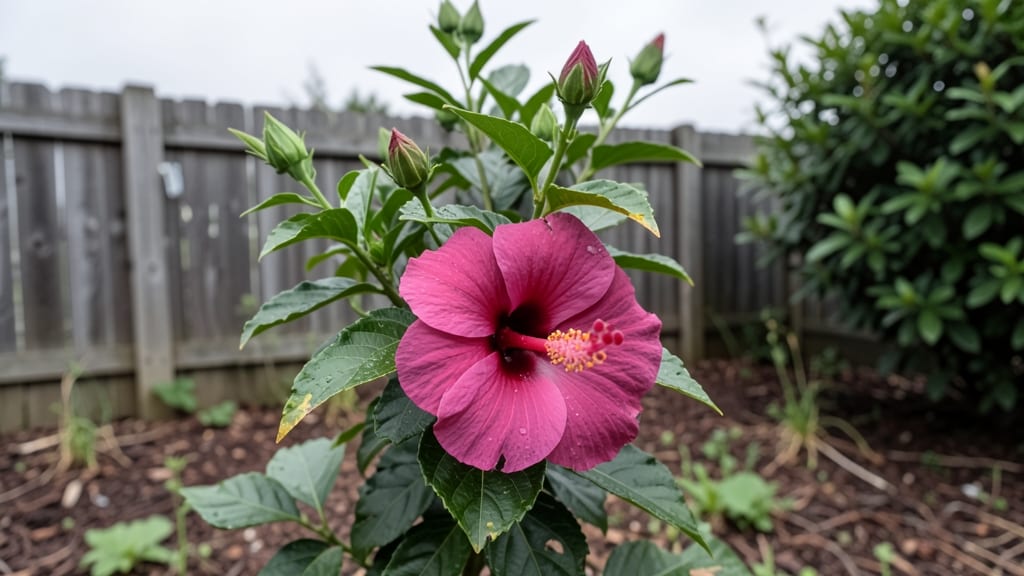
If you crave hibiscus-like drama without the tropical fuss, hibiscus-like flowers—like rose of Sharon, hollyhock, or tropical mallow—deliver the same bold blooms in far cooler climates. 🌿 These plants pack the same velvety petals and showstopping colors but handle frosts, humidity swings, and even urban heat better than their tropical cousins.
I’ve designed entire garden borders with them, and the results? Year-round interest with minimal fuss.
The secret lies in their adaptability. Rose of Sharon thrives in full sun or partial shade, while tropical mallow tolerates wet feet—perfect for rain gardens. Both bloom from midsummer through fall, offering continuous color when hibiscus might struggle.
Pair them with purple coneflowers for a cottage-garden vibe or salvias for a modern twist, and you’ve got a low-maintenance statement that rivals any tropical showstopper.
You’ll end up with a garden that feels lush and exotic without the high-maintenance price tag. These plants attract hummingbirds, deter pests, and even improve soil health over time.
The best part? They’re drought-tolerant once established, so you’ll spend less time watering and more time admiring their bold, tropical-inspired blooms.
Whether you’re filling a sunny border, a shady corner, or a container on your patio, these hibiscus-like alternatives deliver the same wow factor—just with better cold-hardiness and fewer diva demands. Let’s get planting!
📚 In This Guide
- What you need
- Instructions
- Tips and common mistakes
- Wrapping up and next steps
What you need
- ● Hibiscus-like plants: Choose cold-hardy varieties like Hibiscus moscheutos (Swamp Hibiscus) or Hibiscus syriacus (Rose of Sharon), which tolerate cooler temperatures.
- ● Well-draining soil: 5-10 bags of a mix of garden soil, compost (2-3 bags), and perlite or sand (1 bag) for aeration.
- ● Fertilizer: A balanced, slow-release fertilizer (10-10-10 or 20-20-20, 1-2 lbs) or organic options like fish emulsion or compost tea.
- ● Mulch: 2-3 bags of organic mulch (shredded bark or straw) to retain moisture and regulate soil temperature.
- ● Watering can or hose: With a gentle spray nozzle for even hydration.
- ● Garden trowel or shovel: For planting and soil prep.
- ● Pruning shears: Sharp and clean for trimming dead or overgrown branches.
- ● Gloves: Heavy-duty gardening gloves to protect your hands.
- ● Sunlight spot: A location with at least 6-8 hours of sunlight daily (partial shade is okay for some varieties).
- ○ Optional but helpful: Stakes or cages for support (especially for larger varieties like Hibiscus moscheutos).
- ● pH test kit to ensure soil is slightly acidic (6.0-6.5) for optimal growth.
- ● Slow-release watering system (like drip irrigation) for consistent moisture.
How to grow hardy hibiscus for cool climates
These tough, vibrant bloomers bring tropical drama without the heat requirements.
🌱 Step 1: Select the Right Variety for Your Zone
For cooler climates, choose Hibiscus moscheutos (swamp hibiscus) or Hibiscus syriacus (rose of Sharon)—both handle temperatures down to 10°F. Avoid tropical hibiscus (like Hibiscus rosa-sinensis), which won’t survive frost. I always opt for ‘Annabelle’ or ‘Diana’ for their disease resistance and bold blooms.
Check your USDA zone—zones 5-9 work perfectly for these hardy types. If you’re in zone 4 or colder, grow them in containers and bring them indoors before winter. The key is matching the plant’s native resilience to your climate.
🪴 Step 2: Plant in Rich, Well-Draining Soil with Full Sun
Dig a hole twice as wide as the root ball but only as deep as the container it came in. Hibiscus roots spread wide but stay shallow. Amend the native soil with 3 inches of compost and a handful of slow-release fertilizer (10-10-10) to give them a nutrient boost.
These plants crave full sun—6+ hours daily—but in hotter zones, afternoon shade prevents leaf scorch. You’ll see the difference: plants in full sun produce larger, more vibrant blooms than those struggling in shade. Water deeply after planting to eliminate air pockets around the roots.
💧 Step 3: Water Deeply and Mulch to Retain Moisture
Water once a week (or more in extreme heat) until the top 6 inches of soil feel moist. Overwatering is the #1 killer—hibiscus roots rot easily in soggy soil. I test moisture by sticking my finger in; if it’s dry by the second knuckle, it’s time to water.
Spread 2-3 inches of mulch (wood chips or shredded bark) around the base, keeping it 6 inches away from the stem. Mulch locks in moisture and regulates soil temperature. Replenish mulch in spring as it breaks down—this ensures consistent blooms all season.
✂️ Step 4: Prune for Shape and Encourage More Blooms
Prune late winter or early spring before new growth starts. Cut back one-third of the plant’s height to shape it and remove any dead or crossing branches. I always make cuts just above a leaf node—this encourages bushier growth and more flowers.
Deadhead spent blooms every 2-3 weeks to keep the plant focused on new flowers. In fall, prune lightly to remove only the dead growth. Avoid heavy pruning then, as it reduces the plant’s ability to harden off for winter.
☀️ Step 5: Protect from Winter Cold and Pests
Before the first frost, cover the base of the plant with 4-6 inches of mulch. For container-grown hibiscus, wrap the pot in burlap and move it to a sheltered spot. In zones 5-6, a lightweight frost cloth over the plant protects it from 20°F dips.
Watch for aphids and spider mites—they love hibiscus. Spray infested areas with neem oil (1 tbsp per gallon of water) every 7-10 days until pests disappear. Healthy hibiscus rarely attract pests, so proper watering and fertilization keep them at bay.
Tips & tricks for perfect hardy hibiscus growth
Here's what nobody tells you about growing these vibrant tropical beauties in cooler climates.
Variety Selection Wisdom: When choosing between Hibiscus moscheutos and Hibiscus syriacus, consider your specific climate needs. The swamp hibiscus (H. moscheutos) thrives in zones 5-9 with its stunning dinnerplate blooms, while the rose of Sharon (H. syriacus) offers more compact growth and fragrant flowers. For true cold hardiness, look for cultivars like 'Annabelle' that can withstand temperatures down to 10°F—this is the secret to winter survival.
Soil Preparation Secret: The key to establishing your hibiscus lies in the soil preparation during Step 2. After digging your hole twice as wide as the root ball, create a "soil sandwich" by mixing the native soil with 3 inches of compost and a handful of 10-10-10 fertilizer at the bottom of the hole. This nutrient-rich layer gives roots an immediate boost. For container growing, use a mix of potting soil, perlite, and compost in a 50/30/20 ratio to ensure proper drainage.
Watering Technique: In Step 3, when watering once a week, focus on deep watering rather than frequent light watering. Use your finger to check moisture—if it's dry by your second knuckle at the 6-inch depth, it's time to water. For container-grown plants, water when the top inch of soil feels dry. The goal is to encourage deep root growth rather than shallow, weak roots that lead to plant stress.
Winter Protection Strategy: For zones 5-6, the 20°F threshold is critical. When preparing for winter, don't just rely on mulch—combine it with a lightweight frost cloth for extra protection. For container plants, move them to a sheltered spot like a garage or under an eave where they'll receive some light but stay protected from freezing winds. I've found that adding a layer of bubble wrap around the pot before wrapping in burlap provides an extra insulating barrier.
Pro Tips for Hibiscus Like Flower
- Here's what nobody tells you about growing these vibrant tropical beauties in cooler climates.
- Variety Selection Wisdom: When choosing between Hibiscus moscheutos and Hibiscus syriacus, consider your specific climate needs.
- Soil Preparation Secret: The key to establishing your hibiscus lies in the soil preparation during Step 2.
Frequently asked questions
Got questions about growing and caring for hibiscus-like flowers? You’re not alone! Whether you’re a beginner or just looking for quick tips, here are answers to the most common concerns—so you can enjoy their stunning blooms year-round, even in cooler climates.
Can hibiscus-like flowers grow in pots or do they need a garden bed?
Many hibiscus-like varieties—such as Hibiscus moscheutos (swamp hibiscus) or Alcea rosea (hollyhock)—thrive in containers with proper drainage. Just ensure the pot is at least 12 inches deep and use well-draining soil. For tropical hibiscus (Hibiscus rosa-sinensis), a 5-gallon pot works well, and move it indoors when temps drop below 50°F (10°C).
How cold can hibiscus-like flowers tolerate before they die?
Most hibiscus-like flowers are tender perennials and struggle in frost. Hibiscus rosa-sinensis (tropical hibiscus) dies back at 32°F (0°C), while hardier varieties like Hibiscus syriacus (rose of Sharon) survive down to −15°F (−26°C). Pro tip: Mulch heavily in fall and wrap containers in burlap for extra protection!
What’s the easiest hibiscus-like flower to grow for beginners?
Start with Hibiscus syriacus (rose of Sharon) or Alcea rosea (hollyhock)—both are low-maintenance and drought-tolerant once established. For instant color, try Hibiscus rosa-sinensis (tropical hibiscus), which blooms year-round in warm climates and can be grown as an annual in pots.
Why aren’t my hibiscus-like flowers blooming—what am I doing wrong?
Common culprits include over-fertilizing with nitrogen (which encourages leaves, not flowers), underwatering, or poor sunlight. Most hibiscus-like flowers need full sun (6+ hours/day) and regular pruning to remove dead blooms. Try a balanced 10-10-10 fertilizer in spring and deadhead spent flowers to encourage more blooms!
Are there hibiscus-like flowers that attract hummingbirds?
Yes! Hibiscus rosa-sinensis (tropical hibiscus) and Hibiscus syriacus (rose of Sharon) are hummingbird magnets thanks to their bright, tubular flowers. For extra appeal, plant them near bee-friendly flowers like salvias or fuchsias. Bonus: Hummingbirds love the nectar-rich blooms and will visit faithfully!
Still stumped? Drop your specific hibiscus-like flower type in the comments—we’re happy to help troubleshoot!
Wrapping up and next steps
From their stunning hibiscus-like blooms to their surprising adaptability in cooler climates, these tropical beauties are a game-changer for gardeners!
Whether you're drawn to their bold colors or their low-maintenance charm, adding one (or more!) to your garden is a fantastic way to bring vibrancy and life to any space. 🌸
Ready to dive in? Start by choosing your favorite variety—like Hibiscus moscheutos or Hibiscus syriacus—and gather your supplies. Then, follow the steps to plant and care for your new tropical star. Happy gardening! 🌿