
Flowers
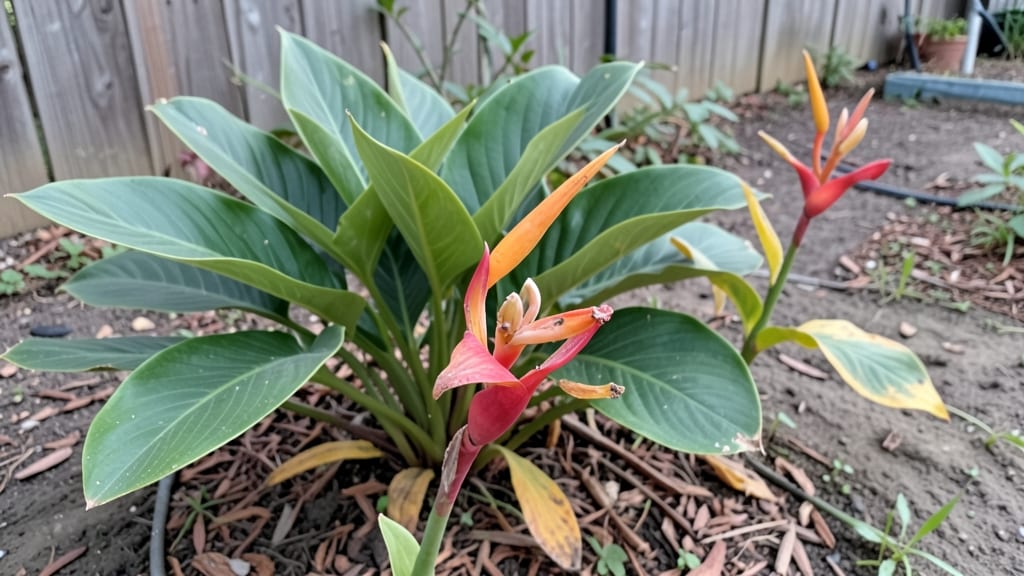
Transform your garden into a sun-drenched escape with the beautiful tropical flowers that steal every show—deep reds, electric yellows, and velvety purples—bringing the energy of a Caribbean breeze to your backyard, no matter the season. 🌺 I’ve designed gardens where these bold beauties create instant drama, turning ordinary spaces into lush, Instagram-worthy retreats.
The secret isn’t just picking the right flowers—it’s how you arrange them. Cluster fiery heliconias with soft orchids for contrast, or let cannas spill over container edges like liquid gold.
These plants thrive in warm climates but even cooler zones can enjoy them in pots that you’ll tuck close during chilly nights. The payoff? A garden that feels like a vacation, no passport required.
Imagine walking through a space where every corner bursts with color—turquoise blue agapanthus, fiery ginger lilies, and the dramatic spikes of bird-of-paradise. The key is layering textures and heights: tall drama in the back, mid-level fillers, and cascading spillers to soften edges.
Even small patios become tropical havens when you play with these combinations.
Whether you’re dreaming of a full backyard paradise or just want to add a few showstopping pots, these flowers deliver year-round excitement. Let’s bring that tropical energy to your space—one vibrant bloom at a time.
📚 In This Guide
- What you need
- Instructions
- Tips and common mistakes
- Wrapping up and next steps
What you need
- ● Tropical Flower Seeds or Plants: 10–20 Heliconia plants (for bold, banana-like blooms)
- ● 5–10 Bird of Paradise (Strelitzia reginae) plants (for striking orange-and-blue flowers)
- ● 15–25 Plumeria plants (fragrant, waxy blossoms in pink, white, or yellow)
- ● 8–12 Bromeliads (like Neoregelia or Vriesea) for vibrant, textured foliage
- ● 10–15 Orchids (e.g., Cattleya or Dendrobium) for delicate, exotic charm
- ● Well-Draining Soil: 5–10 bags of cactus or tropical mix soil (or DIY: 60% peat moss, 20% perlite, 20% orchid bark)
- ● Containers or Garden Beds: Large pots (12–18 inches in diameter) with drainage holes for container gardening
- ● Or, a sunny garden bed (6’x6’ minimum for optimal display)
- ● Fertilizer: Balanced 10-10-10 fertilizer for general growth
- ● Slow-release orchid fertilizer (for orchids and bromeliads)
- ● Garden trowel or hand shovel
- ● Pruning shears (for trimming dead blooms)
- ● Gloves (to protect your hands from thorns or sap)
- ● Watering can or hose with a gentle spray nozzle
- ○ pH testing kit (optional but helpful for soil adjustments)
- ● Mulch (e.g., pine bark or coconut coir) to retain moisture
- ● Sunlight: 6+ hours of direct sunlight daily (tropical flowers thrive in warmth!)
- ● Climate: USDA Zones 10–12 (or container gardening for cooler climates)
- ● Watering Schedule: Keep soil consistently moist but not soggy (adjust for rain)
- ● Humidity: Aim for 50–70% humidity (use a humidifier or group plants together)
Step-by-Step guide to designing a stunning tropical flower garden
Here's how I create a lush, vibrant tropical display that thrives year-round with minimal fuss.
🌿 Step 1: Select a Sunny, Sheltered Location
Tropical flowers crave warmth and protection from harsh winds. Choose a spot that gets 6-8 hours of direct sunlight daily, ideally with some afternoon shade during peak summer months. I always check for nearby trees or structures that might cast shade before planting—tropical blooms like heliconias and cannas will sulk in too much shade.
Test the spot for a few days first. Watch how sunlight moves across the area throughout the day. The ideal location stays warm even after sunset, which helps tender tropical roots stay cozy. If your climate gets chilly nights, consider planting near a south-facing wall that absorbs and radiates heat.
☀️ Step 2: Prepare the Soil for Tropical Luxury
Tropical flowers demand rich, well-draining soil that mimics their native jungle conditions. Amend your native soil with 3-4 inches of compost and mix in 20% perlite or coarse sand to prevent waterlogging. I like to add a handful of worm castings too—they introduce beneficial microbes that tropical plants adore.
Dig down 12 inches deep to create loose, airy soil. Tropical roots need room to spread, so don't skimp on the depth. You'll know you've done it right when the soil feels light and crumbly, like a well-aerated cake batter. Avoid heavy clay soils—tropical blooms will quickly develop root rot in compacted ground.
🌱 Step 3: Choose a Colorful Flower Palette
For maximum drama, I mix 3-4 different tropical flower types with complementary colors. Start with a bold focal plant like a red canna lily or orange ginger lily, then add contrasting blooms such as white bird-of-paradise or purple plumerias. The key is layering heights—place taller plants at the back and shorter ones in front.
Consider bloom times too. Some tropical flowers flower continuously, while others have specific seasons. I plant plumerias for winter blooms and hibiscus for summer, ensuring my garden stays vibrant year-round. You'll see the magic unfold when different flowers take turns starring in the display.
💧 Step 4: Plant with Proper Spacing and Mulch
Give each tropical plant 3-5 feet of space depending on its mature size. Crowding leads to poor airflow, which invites fungal diseases. Dig holes twice as wide as the root ball but no deeper. Gently remove the plant from its container and place it in the hole so the top of the root ball sits 1 inch above soil level—this prevents rot.
Backfill with native soil mixed with compost, then water deeply to settle everything. Top with 2-3 inches of mulch (I use pine bark or coconut coir) to retain moisture and regulate soil temperature. Keep the mulch 2 inches away from plant stems to prevent rot. You'll notice healthier foliage and more frequent blooms once the roots establish in this protected environment.
⏰ Step 5: Water and Fertilize for Continuous Blooms
Tropical flowers need consistent moisture but hate soggy roots. Water when the top 2 inches of soil feel dry, usually 2-3 times per week in hot weather. I water deeply in the morning so foliage dries quickly, reducing disease risk. Avoid overhead watering—it can stain petals and encourage mildew.
Feed plants every 4-6 weeks with a balanced 20-20-20 fertilizer diluted to half strength. For extra blooms, switch to a 10-10-10 high-phosphorus formula during flowering season. You'll see the difference in 2-3 weeks—plants will perk up, leaves will darken, and blooms will multiply. Just don't overdo it—tropical plants are sensitive to salt buildup from excess fertilizer.
Tips & tricks for perfect tropical flower gardens
Creating a showstopping tropical garden doesn't have to be complicated—these simple tricks will help you avoid common pitfalls and create a vibrant display that lasts all year.
Sunlight Strategy: In Step 1, when selecting your sunny spot, remember that tropical plants need that 6-8 hours of sunlight, but they also appreciate some afternoon shade during peak summer months. I've found that placing a sheer curtain or lattice structure can provide just enough shade without blocking all light. This helps prevent leaf scorch while keeping your flowers happy and blooming.
Soil Secret: The 12-inch deep soil prep in Step 2 is where the magic happens. Don't skip the worm castings—they're like a vitamin boost for your tropical plants. I like to mix in a handful of coffee grounds too (optional!) for extra nutrients. This creates the perfect jungle-like environment that tropical flowers crave, ensuring they'll thrive even in less-than-ideal native soil.
Color Layering: When choosing your flower palette in Step 3, think about how colors will interact in sunlight. Bright red cannas next to white bird-of-paradise create a stunning contrast that pops in photos. I always arrange my tallest plants first (like heliconias) at the back, then medium-height bloomers (ginger lilies) in the middle, and shorter plants (like plumerias) at the front. This creates visual depth that makes your garden look even more dramatic.
Watering Wisdom: The 2-3 times per week watering schedule in Step 5 works best when you water deeply in the morning. I've learned the hard way that overhead watering can stain delicate petals and encourage mildew. Instead, use a soaker hose or water at the base of plants. This keeps foliage dry while ensuring roots get the moisture they need—especially important for tropical plants that hate soggy roots.
Pro Tips for Beautiful Tropical Flowers
- Creating a showstopping tropical garden doesn't have to be complicated—these simple tricks will help you avoid common pitfalls and create a vibrant display that lasts all year.
- Sunlight Strategy: In Step 1, when selecting your sunny spot, remember that tropical plants need that 6-8 hours of sunlight, but they also appreciate some afternoon shade during peak summer months.
- Soil Secret: The 12-inch deep soil prep in Step 2 is where the magic happens.
Frequently asked questions
Got questions about bringing tropical flowers into your garden? Here are some common ones—and their answers—to help you create a stunning, vibrant space all year long!
Which tropical flowers bloom year-round?
While no tropical flowers bloom exactly year-round, some thrive in warm climates with minimal seasonal breaks. Plumeria, hibiscus, and birds of paradise are top picks for near-constant color. In cooler zones, opt for bougainvillea or orchids in containers you can move indoors during frost.
How do I keep tropical flowers alive in cold climates?
Tropical flowers are heat-lovers! For cold snaps, use containers (move them indoors or to a garage) or plant them in sheltered spots near walls or under eaves. Mulch heavily and wrap tender plants in burlap. Orchids and bromeliads often survive indoors with bright, indirect light.
Can I grow tropical flowers in pots?
Many tropical flowers thrive in containers, making them perfect for patios, balconies, or even indoor gardens. Choose well-draining soil and pots with drainage holes. Hibiscus and ginger lilies are especially pot-friendly—just ensure they get 6+ hours of sunlight daily.
What’s the easiest tropical flower to grow for beginners?
Start with bird of paradise or hibiscus—both are hardy and forgive occasional neglect. Plumeria is another great choice, though it needs more warmth. For indoor success, peace lilies or bromeliads are low-maintenance and add instant tropical flair with minimal effort!
Why are my tropical flowers wilting or turning yellow?
Wilting or yellowing often signals overwatering, underwatering, or poor drainage. Check the soil—it should be moist but not soggy. Yellow leaves can also mean nutrient deficiency (try a balanced fertilizer) or pests (inspect for aphids or spider mites). Adjust sunlight if leaves scorch (too much) or stretch (too little).
Wrapping up and next steps
From the fiery hues of hibiscus to the delicate elegance of orchids, tropical flowers bring a burst of color and life to any garden—no matter the season! 🌺 Their vibrant palettes aren’t just stunning; they’re effortless to incorporate with the right materials and a little creativity.
Whether you’re a seasoned gardener or just starting, these blooms promise drama, resilience, and joy year-round.
Ready to transform your outdoor space? Start small—pick one or two standout flowers, gather your supplies, and let nature’s artistry do the rest. Your garden will thank you (and so will your Instagram feed!). 🌴✨