
Flowers
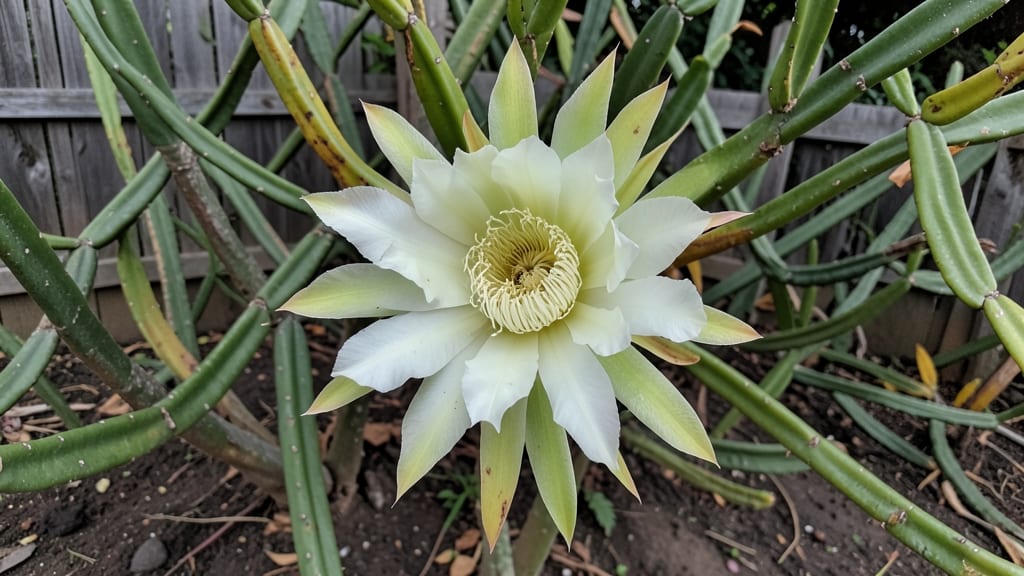
Growing pitaya fruit flowers is like unlocking a tropical treasure chest—those vibrant blooms lead to sweet, scrumptious dragon fruit. 🌺 The secret lies in mimicking their natural habitat: warm nights, bright indirect light, and just the right humidity.
My first pitaya plant took three years to bloom, but once it did, I never looked back.
These plants thrive in 70-90°F temperatures and need 6-8 hours of morning sun, then shade to prevent scorching. Humidity above 50% keeps them happy, and a balanced fertilizer every 4-6 weeks during growing season fuels those stunning flowers.
The key? Patience—some varieties bloom only at night, so you might miss the show unless you’re up late!
When flowers appear, hand-pollinate them with a soft brush to boost fruit set. Prune back leggy growth after harvest to encourage bushier, more productive plants. With the right care, you’ll enjoy year-round harvests of those exotic, spiky fruits—no greenhouse required!
Perfect for containers or ground planting in warm climates (zones 10-11), but even cooler zones can grow them indoors near a sunny window. The first harvest might take 18-24 months, but the wait is worth every juicy bite.
📚 In This Guide
- What you need
- Instructions
- Tips and common mistakes
- Wrapping up and next steps
What you need
- ● Pitaya fruit flower cuttings or seeds: 3–5 healthy cuttings (4–6 inches long) or
- ● 1–2 pitaya seeds (from organic, fresh fruit)
- ● Potting soil: Well-draining, cactus/succulent mix (avoid heavy garden soil)
- ● Containers: 5–7-inch pots (for cuttings) or
- ● Larger planters (12+ inches for mature plants)
- ● Perlite or sand: 20–30% mix to improve drainage
- ○ Rooting hormone (optional but helpful): For faster propagation
- ● Spray bottle: For gentle watering
- ● Support trellis or stakes: 3–4 feet tall (for climbing vines)
- ● Warm climate or greenhouse: Pitaya thrives in USDA zones 9–11 (or indoors with grow lights)
- ● Bright, indirect sunlight: 6+ hours daily (south/west-facing windows or LED grow lights)
- ● Humidity control: 40–70% (use a humidity tray if air is dry)
- ● Patience: Flowers appear in 18–36 months (seeds take longer than cuttings!)
Step-by-step guide to cultivating pitaya fruit flowers
Transform your space into a tropical haven with these foolproof steps for growing vibrant pitaya flowers.
🌱 Step 1: Select and Prepare the Right Growing Medium
Pitaya thrives in a well-draining, airy mix that mimics its native tropical environment. Combine equal parts coconut coir, perlite, and orchid bark to create a chunky, moisture-retentive blend. Avoid garden soil—it compacts too easily and suffocates roots. I like to add a handful of worm castings to the mix for gentle, organic nutrients.
Fill a 10-12 inch pot with the blend, leaving 2 inches of space at the top for watering. Tap the pot gently to settle the mix without compacting it. The goal is a fluffy texture that lets roots breathe while holding moisture without sogginess. Pre-moisten the mix with lukewarm water until it feels like a wrung-out sponge—damp but not dripping.
☀️ Step 2: Position for Optimal Light and Temperature
Pitaya demands bright, indirect light—think dappled sunlight under a tree in its native habitat. A south-facing window with sheer curtains works, but supplement with a grow light for 12-14 hours daily if natural light is insufficient. You’ll know your plant is happy when new growth emerges pale green and sturdy, not stretched or yellowing.
Maintain temperatures between 65-85°F—pitaya wilts below 55°F and refuses to flower above 90°F. If your home dips below 60°F at night, move the plant near a heat mat or insulate the pot with bubble wrap to protect roots. Watch for drooping leaves—a sure sign of temperature stress.
💧 Step 3: Water and Feed for Consistent Blooms
Water pitaya when the top 1-2 inches of soil feel dry to the touch. Stick your finger in—if it comes out clean, it’s time to water. Pour lukewarm water slowly until it drains freely from the bottom. Empty the saucer 10 minutes later to prevent root rot. Overwatering is the #1 killer of pitaya—yellowing leaves or mushy stems mean you’re drowning the plant.
Feed every 4-6 weeks with a balanced liquid fertilizer (10-10-10) diluted to half strength. During bloom season, switch to a phosphorus-heavy formula (5-10-5) to encourage flowers. I pause fertilizing in winter when growth slows naturally. Always water before feeding to avoid root burn.
🌿 Step 4: Prune and Support for Healthier Growth
Prune leggy or yellowing stems back to a healthy node using sterilized scissors. This redirects energy to new growth and prevents overcrowding. After pruning, wipe the cut with rubbing alcohol to prevent bacterial infections. I also remove any spent flowers—this encourages more blooms by signaling the plant to produce new ones.
Provide a small trellis or bamboo stake for vining varieties. Gently tie stems with soft plant ties as they grow, guiding them upward. Avoid tight bindings—roots need room to expand. If your pitaya flowers don’t appear after 6-8 months, check for adequate light and consistent feeding—these are the two biggest triggers for blooms.
⏰ Step 5: Pollinate and Harvest for Fruit
Pitaya flowers are self-pollinating, but a gentle tap on the bloom with a soft paintbrush boosts fruit set. Do this in the morning when humidity is low. Harvest fruit when it detaches easily from the vine—usually 3-4 months after flowering. Cut stems with 1 inch of vine attached to prevent rot.
Store harvested fruit at room temperature until fully ripe (when the skin turns bright pink or yellow). Ripened pitaya keeps for 2-3 weeks in the fridge. If your plant produces more flowers than you can pollinate, remove extras to focus energy on fewer, healthier fruits. Patience is key—rushing harvests leads to bland, seedy fruit.
Tips & tricks for perfect pitaya fruit flower cultivation
Here's what nobody tells you about growing vibrant pitaya blooms that'll make your tropical oasis come alive.
Mixing the Growing Medium: The ratio of equal parts coconut coir, perlite, and orchid bark is non-negotiable—this creates the perfect air-to-moisture balance pitaya craves. After mixing, I like to add a thin layer of orchid bark chunks on top for extra drainage. This prevents that dreaded soggy soil syndrome that kills roots. The fluffy texture should remind you of a well-aerated cake batter—not compacted like garden soil.
Lighting Strategy: That 12-14 hours of daily light isn't just a suggestion—it's the magic number for triggering blooms. If your south-facing window falls short, invest in a quality LED grow light positioned 6-12 inches above the plant. I've seen pitaya plants go from sad to spectacular in just two weeks after adding proper artificial lighting. Watch for leaves stretching toward light (etiolation)—this means your plant is starving for more photons.
Temperature Troubleshooting: Those 65-85°F temperature ranges are critical, but here's the secret: morning temperatures matter most for blooming. If your nights dip below 60°F, move your plant near a heat mat or wrap the pot in bubble wrap. I've had plants that refused to flower until I addressed this nighttime chill. Pro tip: A simple thermometer near the plant helps you catch temperature swings before they stress your tropical beauty.
Pruning Like a Pro: When pruning leggy stems back to healthy nodes, make your cuts at a 45-degree angle just above a leaf node. This prevents water from pooling on the cut surface, which can lead to rot. I also sterilize my pruners between cuts with rubbing alcohol—this simple step prevents bacterial infections that can spread through your plant. Don't forget to remove spent flowers regularly; this redirects the plant's energy toward producing new blooms instead of developing fruit.
Pro Tips for Pitaya Fruit Flower
- Here's what nobody tells you about growing vibrant pitaya blooms that'll make your tropical oasis come alive.
- Mixing the Growing Medium: The ratio of equal parts coconut coir, perlite, and orchid bark is non-negotiable—this creates the perfect air-to-moisture balance pitaya craves.
- Lighting Strategy: That 12-14 hours of daily light isn't just a suggestion—it's the magic number for triggering blooms.
Frequently asked questions
Got questions about growing pitaya fruit flowers? You’re not alone—this tropical beauty can be tricky for beginners! Here are answers to the most common queries to help you cultivate stunning blooms and sweet fruit effortlessly.
How long does it take for a pitaya plant to flower and bear fruit?
A healthy Hylocereus plant typically takes 18–24 months to flower and 2–3 years to produce fruit, depending on care and climate. With ideal conditions (warmth, humidity, and proper support), some varieties may bloom sooner—patience is key!
Can pitaya flowers survive frost or cold weather?
Pitaya flowers and plants are highly sensitive to cold. Even a light frost (32°F/0°C) can damage blooms or kill the plant. Grow them in USDA Zones 10–11 or use containers to move indoors during winter. A greenhouse or heated space is a lifesaver!
What do I do if my pitaya flowers wilt or drop off?
Wilting or dropping flowers usually signal stress—common causes include:
- Underwatering or overwatering: Keep soil evenly moist but well-draining.
- Too much direct sun: Provide morning sun + afternoon shade.
- Temperature swings: Avoid drafts or sudden cold snaps.
- Pests/fungus: Inspect leaves for mites or mold; treat with neem oil if needed.
Can I grow pitaya flowers indoors, and how?
Yes! Pitaya thrives indoors with the right setup:
- Bright, indirect light: A south-facing window or grow lights (12+ hours/day).
- Warmth: Keep temps between 65–85°F (18–29°C).
- Humidity: Mist leaves or use a pebble tray to mimic tropical conditions.
- Support: Use a trellis or moss pole for climbing—flowers need airflow!
Are pitaya flowers edible, and how do I use them?
Pitaya flowers are not only beautiful but also delicious—they’re edible and taste mildly sweet with a hint of citrus. Use them in:
- Salads: Add petals to fruit or green salads for a pop of color.
- Drinks: Blend into smoothies, infuse in cocktails, or garnish mocktails.
- Desserts: Decorate cakes, sorbets, or ice cream (remove stamens first!).
- Tea: Steep petals in hot water for a floral, caffeine-free tea.
Wrapping up and next steps
Growing pitaya fruit flowers is a rewarding journey that brings vibrant blooms and delicious harvests to your garden! With the right conditions—like well-draining soil, warm climates, and patience—you’ll unlock the secrets of tropical beauty and productivity.
Whether you’re a beginner or a seasoned gardener, every effort you put in will bloom into stunning results. 🌸
Ready to take the next step? Start by planting your first pitaya vine or experimenting with propagation techniques. Share your progress with fellow plant lovers, and don’t hesitate to tweak your approach based on what works best for your space.
Happy growing—your garden (and future fruit bowls!) will thank you! 🌱