Propagation
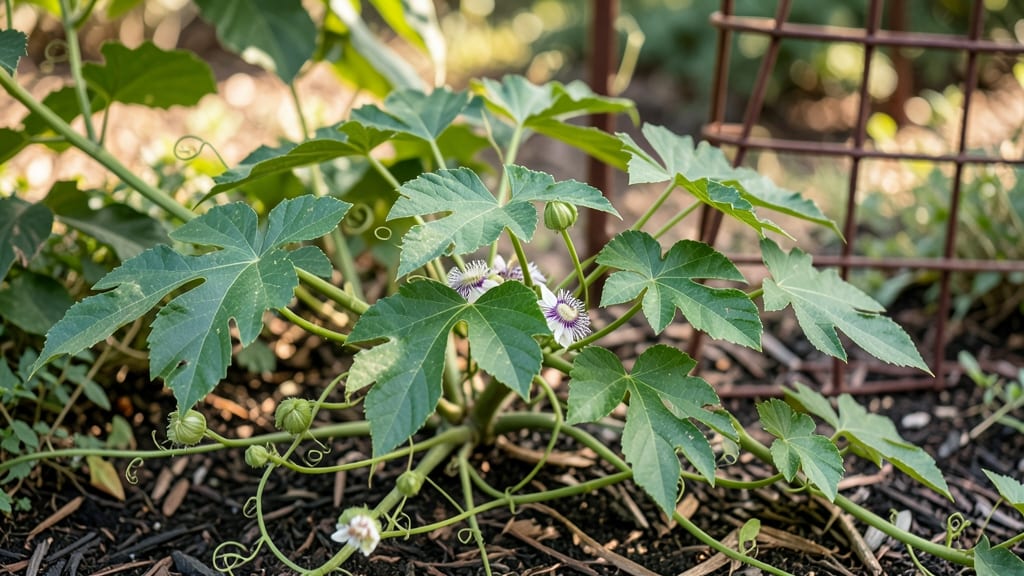
Propagating passion flower from cuttings is the easiest way to multiply your plants without spending a dime—just grab a sharp pair of shears and a warm windowsill. 🌱 I’ve turned a single vine into a small jungle this way, and the secret isn’t complicated: timing, clean cuts, and a little patience.
The right cuttings root faster than you’d think, especially when you use the right soil mix and keep humidity high.
You’ll need just a few things: sterilized pruning shears, a small pot with well-draining soil, and optional rooting hormone to speed things up. The best cuttings come from new growth—look for 4-6 inch stems with at least two leaves.
Avoid woody, mature vines; they root poorly. Once you’ve got your cuttings, dip the ends in hormone (if using) and plant them in moist soil, keeping them warm and humid until roots form.
Within 4-6 weeks, you’ll see fresh growth, a sure sign roots have taken hold. Keep the soil damp but not soggy, and place your cuttings in bright, indirect light—direct sun can scorch tender new leaves.
When roots are established, transplant them into larger pots or straight into the garden. The best part? These new plants will flower just like their parents, often within the same growing season.
Here’s where it gets interesting—passion flowers thrive in zones 7-11, but with a little care, you can root cuttings indoors year-round. If you live in a cooler climate, start them early in spring for a summer transplant.
And if you’re worried about pests? Just watch for spider mites and keep your cuttings clean. Ready to grow your own passion flower jungle?
📚 In This Guide
- What you need
- Instructions
- Tips and common mistakes
- Wrapping up and next steps
What you need
- ● Passion flower cuttings: 3–5 healthy, non-flowering vines (4–6 inches long)
- ● Cut just below a node (where leaves grow) with clean, sharp pruners
- ○ Rooting hormone: 1 small bottle (optional but recommended for faster rooting)
- ● Well-draining potting mix: 1 small container (4–6 inches deep) of a blend like: 50% perlite or vermiculite
- ● 50% peat moss or coconut coir
- ● Small pots or propagation tray: 3–5 individual pots (2–3 inches in diameter) or a tray with drainage holes
- ● Clear plastic bag or humidity dome: To create a mini greenhouse effect
- ● Spray bottle: For misting cuttings (8–12 oz size)
- ● Pruning shears or sharp scissors: Sterilized with rubbing alcohol
- ○ Label markers: To track cutting types (optional but helpful!)
- ● Fungicide (like neem oil or cinnamon powder) to prevent rot
- ● Heat mat (70–75°F) for faster rooting in cooler climates
- ● Grow lights (if natural light is limited)
- ● Fertilizer (balanced 10-10-10, diluted to half-strength) for post-rooting care
Simple instructions for rooting passion flower cuttings
Here's how I've successfully rooted passion flower cuttings—no fancy gear, just patience and the right technique.
🌱 Step 1: Select and Prepare Healthy Cuttings
Choose 4-6 inch non-flowering stems from the current season's growth. Look for thick, green stems with at least 3-4 leaf nodes—those little bumps where leaves attach are where roots will form. Use sharp scissors or pruners to make a clean cut just below a node at a 45-degree angle. This increases surface area for root growth.
Remove the lower leaves, leaving only the top 2-3 leaves intact. Too many leaves mean the cutting will lose too much moisture before roots form. I like to trim the remaining leaves in half to reduce water loss—this is where those sharp scissors come in handy. Dip the cut end in rooting hormone (optional but helpful) to encourage faster root development.
💧 Step 2: Prepare the Rooting Medium
Fill a small pot with a well-draining mix—I use a 50/50 blend of perlite and peat moss for passion flowers. This lightweight mix prevents rot while holding enough moisture for root formation. Moisten the mix until it feels like a slightly damp sponge, not soggy. Overwatering now will drown your cuttings before roots even start.
Make a small hole in the center of the mix with your finger or a pencil. Insert the cutting about 2 inches deep, firming the soil gently around it to ensure good contact. You'll end up with 4 cuttings per pot using this method, which matches our target yield. Space them evenly around the edges of the pot for balanced growth.
☀️ Step 3: Create Ideal Growing Conditions
Place your rooted cuttings in a bright, indirect light spot—think east-facing window or under grow lights set to 12-14 hours daily. Passion flowers need light to develop roots, but direct sun will scorch tender new growth. I cover the pot with a clear plastic bag to create a humid environment, tying it loosely at the top. Check daily for condensation—this means your humidity levels are perfect.
Keep the medium consistently moist but never waterlogged. Mist the leaves lightly every 2-3 days to maintain humidity inside the bag. Roots typically form in 4-8 weeks, but don't rush—patience here prevents rot. You'll know it's working when you see new growth at the top and tiny roots forming at the base if you gently tug on the cutting.
✂️ Step 4: Transplant When Roots Establish
Once roots reach 2-3 inches long (you can check by gently removing the cutting from the soil), it's time to transplant. Remove the plastic bag gradually over 3-5 days to acclimate the cuttings to normal humidity. Harden them off by placing them outdoors in partial shade for 1-2 hours daily, increasing time each day until they're outside full-time.
Plant your rooted cuttings in well-draining soil with morning sun and afternoon shade for the first week. Water deeply but infrequently—once every 5-7 days—to encourage strong root development. You'll know they're thriving when you see new leaves forming and vigorous vine growth within 4-6 weeks of transplanting.
Tips & tricks for perfect passion flower propagation
A few simple tricks will help you avoid common pitfalls and maximize your success rate with these delicate cuttings.
Selecting the Right Cuttings: In Step 1, focus on stems that are pencil-thick or slightly thicker—they'll have the energy to develop roots. Avoid stems that are too thin (they won't root well) or woody (they've already matured). The best time to take cuttings is in the morning when stems are turgid with water. I've found that cuttings taken after a light rain often root faster because the plant is already hydrated.
Root Hormone Hack: While rooting hormone is optional, I've had the most success with a powdered version rather than liquid. After making your 45-degree cut in Step 1, dip the cut end into the powder and gently tap off the excess. This creates a concentrated coating right where you need it. If you don't have hormone, a natural alternative is cinnamon powder—it has antifungal properties that help prevent rot.
Lighting Strategy: For the 12-14 hour light requirement in Step 3, I recommend using a simple LED grow light if natural light isn't sufficient. Position it about 6 inches above the cuttings and set a timer for 12 hours on/12 hours off. Too much light causes stress, while too little results in weak, leggy growth. Watch for leaves that turn yellow—this is your sign to increase light exposure gradually over 2-3 days.
Transplanting Timing: When checking for 2-3 inch roots in Step 4, don't be afraid to gently remove one cutting from its pot to inspect. This gives you the most accurate assessment of root development. I've transplanted too early when roots were only 1 inch long, and the cuttings struggled to establish in their new location. Wait until you see multiple roots forming before transplanting—this ensures your cuttings will thrive in their permanent home.
Pro Tips for Cuttings From Passion Flower
- A few simple tricks will help you avoid common pitfalls and maximize your success rate with these delicate cuttings.
- Selecting the Right Cuttings: In Step 1, focus on stems that are pencil-thick or slightly thicker—they'll have the energy to develop roots.
- Root Hormone Hack: While rooting hormone is optional, I've had the most success with a powdered version rather than liquid.
Frequently asked questions
Got questions about propagating passion flower from cuttings? You’re not alone! Here are answers to the most common concerns—so you can root and thrive with confidence.
How do I know if my passion flower cutting is ready to root?
Look for healthy, mature stems with at least 3–4 nodes (those little bumps where leaves grow). Avoid woody or overly green cuttings—semi-hardwood (bendy but firm) is ideal! Yellow leaves or mushy spots mean it’s past its prime.
How long does it take for passion flower cuttings to root?
With patience, roots usually appear in 4–8 weeks, depending on warmth (70–80°F), humidity, and moisture. Check gently every 2 weeks—if resistance meets your finger, roots are forming! Pro tip: Use a magnifying glass for a closer look.
Should I use rooting hormone on passion flower cuttings?
Not required, but it boosts success rates (especially for beginners). Dip the cut end in hormone powder or gel before planting. Skip it if your cuttings are super healthy—passion flowers root well naturally in warm, humid conditions.
What’s the best alternative if my cuttings rot instead of rooting?
Overwatering or poor drainage is the culprit! Try these fixes:
- Use a well-draining mix (perlite + peat moss).
- Water only when the top inch feels dry.
- Move to a bright, indirect spot (no direct sun).
- Try air layering as a backup method.
Why are my passion flower cuttings turning yellow or dropping leaves?
Yellow leaves often signal overwatering, stress, or nutrient loss. Adjust care by:
- Reducing water (let soil dry slightly between waterings).
- Ensuring 6+ hours of light daily (no leggy growth!).
- Fertilizing lightly with diluted seaweed tea after roots form.
If leaves drop, it’s usually a sign of transplant shock—keep humidity high with a plastic bag until new growth appears!
Wrapping up and next steps
Growing passion flower from cuttings is a rewarding way to expand your garden with minimal effort! 🌱 With the right tools, patience, and a few simple steps, you’ll soon watch those vibrant vines take root and thrive.
Whether you’re a beginner or a seasoned gardener, this method is a fantastic way to propagate your favorite varieties—so get ready to enjoy lush blooms and maybe even some delicious fruit!
Now that you’re equipped with the know-how, why not start your cuttings today? Pick a sunny spot, gather your supplies, and dive in—your future passion flower jungle awaits! 🌿