Container Gardens
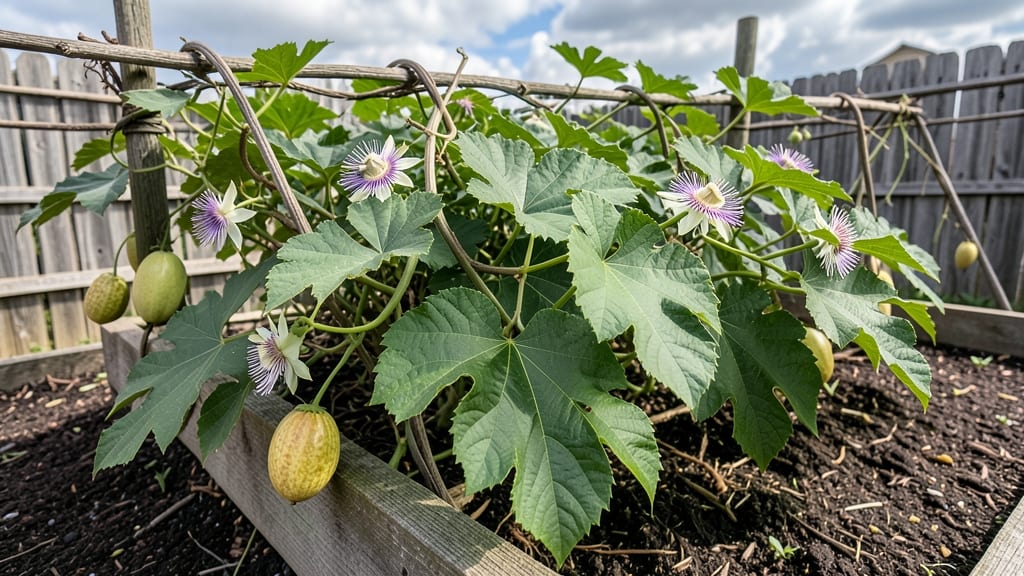
Growing passion flower in the Pacific Northwest means you can finally grow those exotic-looking vines without worrying about winter kills. 🌱 The key is choosing the right frost-tolerant varieties like Passiflora incarnata or Passiflora caerulea—they handle our cool, damp summers and light frosts better than tropical cousins.
I learned this the hard way after my first passionflower died in a single overnight freeze, but now my vines climb a trellis every summer, bursting with intricate blooms that hummingbirds adore.
The real secret isn’t complicated: well-draining soil, 6+ hours of sun daily, and a sturdy support structure (think arbor or fence). You’ll need to water consistently but avoid soggy roots—these vines hate wet feet.
Start with container-grown plants if you’re new, as they establish faster than seeds. My first attempt from seed took two years to bloom, while a nursery plant gave me flowers the same summer.
By late summer, you’ll be rewarded with 3-inch-wide blooms that look like they belong in a rainforest, not your backyard. The vines grow aggressively—10 to 20 feet per season—so prune in early spring to shape them and encourage bushier growth.
Even in our rainy climate, the foliage stays lush, and the flowers attract pollinators like nothing else.
For Pacific Northwest gardeners, the biggest challenge is winter survival. Mulch heavily in fall, and consider overwintering potted plants in a garage or shed if temperatures dip below 15°F.
With the right care, your passionflower will return year after year, proving that even our cool summers can grow tropical-looking stars.
📚 In This Guide
- What you need
- Instructions
- Tips and common mistakes
- Wrapping up and next steps
What you need
- ● Passion flower seeds or young plants: Choose frost-tolerant varieties like Passiflora caerulea (blue passionflower) or Passiflora incarnata (maypop). Start with 3–5 plants for a small garden or 10+ for a trellis display.
- ● Well-draining potting mix: A blend of 50% peat moss or coconut coir, 30% perlite or pumice, and 20% compost (1–2 bags per container). Avoid heavy clay soil.
- ● Containers (if growing in pots): Minimum 15–20 gallons per plant (e.g., 24" diameter fabric grow bags or whiskey barrels for stability).
- ● Drainage holes (required) + saucer trays to catch excess water.
- ● Trellis or support structure: A 6–10 ft tall metal or wooden trellis (e.g., T-posts with wire mesh or obelisks) to guide vines upward.
- ● Slow-release fertilizer: A balanced 10-10-10 or 20-20-20 formula (1–2 lbs per plant). Organic options like fish emulsion or worm castings work too!
- ● Watering can or hose with gentle nozzle: Passion vines hate soggy roots—aim for 1–2 inches of water per week (adjust for rain).
- ● Pruners or shears: Bypass pruners (for clean cuts) and sterilized tools to prevent disease.
- ● Mulch: 3–4 inches of straw or wood chips to retain moisture and protect roots from light frosts (PNW’s specialty!).
- ● Frost cloth or row covers: Lightweight frost blankets (rated for 25–32°F) to shield young plants during unexpected cold snaps.
- ● Epsom salt: A 1 tbsp/month dose dissolved in water boosts magnesium for vibrant blooms.
- ● Compost tea or liquid seaweed: 1 cup every 4–6 weeks for a natural growth boost.
- ● Pest control: Neem oil or insecticidal soap (for aphids or spider mites—common PNW pests!).
- ● Garden journal: Track pruning dates, blooms, and frost events to refine your passionflower care routine!
Step-by-step guide to planting frost-resistant passion flower vines
Here’s how to establish hardy passion vines that thrive in cooler climates like the Pacific Northwest.
🌱 Step 1: Choose the Right Variety and Planting Site
Select a cold-hardy variety like Passiflora caerulea (blue passionflower) or Passiflora incarnata (maypop), both of which tolerate temperatures down to 10°F with proper care. Passion vines need full sun to partial shade—at least 6 hours of direct sunlight daily—but in hotter inland PNW areas, afternoon shade helps prevent leaf scorch.
Choose a site with well-draining soil and room to climb. Vines spread 10-15 feet annually, so plant near a sturdy trellis, fence, or pergola. Avoid low spots where frost settles—passion vines despise soggy roots. Amend heavy clay soil with 2-3 inches of compost before planting to improve drainage and fertility.
🪴 Step 2: Plant Cuttings or Bare-Root Plants at the Right Time
Plant bare-root cuttings or container-grown plants in early spring, after the last frost but before new growth begins. Dig a hole twice as wide as the root ball but no deeper—passion vines resent being buried too deeply, which can rot the crown. Gently loosen the roots if they’re circling in a container.
Place the plant so the crown sits just above soil level—this prevents rot and ensures strong regrowth after winter. Backfill with native soil mixed with 1 part compost, then water deeply to settle the soil. Mulch with 2-3 inches of shredded bark to insulate roots in winter and retain moisture in summer.
☀️ Step 3: Train Vines and Provide Support Early
Passion vines grow aggressively, so install a 6-foot trellis or fence within 2 weeks of planting to guide their growth. Use soft ties or twine to gently weave vines through the structure—never force them, as this can snap tender stems. Prune leggy growth in early summer to encourage bushier, more productive vines.
Watch for tendrils (threadlike growths) that curl around supports—these are your vine’s natural climbing mechanism. If left unchecked, vines will sprawl wildly, but with consistent training, they’ll grow 6-10 feet per season. Fertilize lightly with a balanced 10-10-10 formula in early spring and again after flowering to support blooms and fruit.
✂️ Step 4: Prune for Winter Hardiness and Spring Renewal
In late fall, cut back dead or weak growth to 1-2 feet above the ground, leaving only healthy, woody stems. This prevents winter dieback and encourages stronger regrowth in spring. Wrap young vines in burlap or frost cloth for the first few winters to protect them from hard freezes below 10°F. Established vines handle frost better but still benefit from mulch.
In early spring, remove any blackened or mushy stems—these won’t recover. Prune back any remaining dead growth, then apply a layer of mulch to insulate roots. Passion vines are semi-deciduous, so don’t panic if they lose leaves in winter; they’ll rebound with new growth by late April or May in the PNW.
💧 Step 5: Water and Fertilize for Continuous Blooms
Water deeply once a week during the first growing season to establish roots, then every 10-14 days once established—passion vines are drought-tolerant but produce more blooms with consistent moisture. Avoid wetting the foliage to prevent fungal diseases like powdery mildew, which thrives in damp conditions.
Feed vines with a low-nitrogen fertilizer (5-10-10) in early spring to promote flowering, then switch to a phosphorus-heavy formula (10-20-10) when buds form. Deadhead spent blooms to encourage more flowers and fruit. With proper care, your passion vines will reward you with stunning flowers and edible fruit by mid-summer.
Tips & tricks for growing frost-resistant passion flower vines
These practical insights will help you cultivate thriving passion vines that withstand Pacific Northwest winters and flourish year after year.
Variety Selection: While Passiflora caerulea and Passiflora incarnata are your best bets for frost resistance, consider Passiflora edulis (passionfruit) varieties like 'Panama Red' if you want edible fruit—just give them extra winter protection. I've found that hybrid varieties often combine the hardiness of caerulea with the fruit production of edulis.
Soil Preparation Tip: For heavy clay soils common in the PNW, mix in 2-3 inches of compost AND 1 part perlite or coarse sand to improve drainage. I learned this the hard way after watching my first vines struggle with soggy roots during our wet winters. Test your soil's drainage by digging a hole, filling it with water, and checking if it drains within 2 hours.
Winter Protection Strategy: When wrapping young vines in burlap or frost cloth, leave the top open to allow some airflow—this prevents moisture buildup that can cause rot. For established vines, focus protection on the crown area where new growth emerges in spring. I've seen vines survive 10°F temperatures with just 2-3 inches of mulch and minimal wrapping after their first winter.
Training Technique: Install your 6-foot trellis within 2 weeks of planting to give vines immediate support. Use soft plant ties rather than wire, as passion vines have delicate stems that can snap if forced. I train vines in a spiral pattern up the trellis, which creates more surface area for sunlight exposure and better air circulation to prevent fungal issues.
Pro Tips for Growing Passion Flower
- These practical insights will help you cultivate thriving passion vines that withstand Pacific Northwest winters and ...
- Variety Selection: While Passiflora caerulea and Passiflora incarnata are your best bets for frost resistance, consid...
- Soil Preparation Tip: For heavy clay soils common in the PNW, mix in 2-3 inches of compost AND 1 part perlite or coar...
Frequently asked questions
Got questions about growing passion flowers in your Pacific Northwest garden? Here are some of the most common ones—plus straightforward answers to help you succeed!
Can passion flowers survive frost in the PNW?
Yes! While they thrive in mild climates, Passiflora edulis (hardy passionflower) and Passiflora caerulea (maypop) can tolerate light frosts (down to 15–20°F). For extra protection, grow them in containers and move them indoors or under cover during harsh winters. Mulch heavily at the base to insulate roots.
How long does it take for passion flowers to bloom?
Patience is key! Most passionflower vines take 1–3 years to establish and bloom, depending on care. Passiflora caerulea often flowers faster (sometimes within a year), while tropical varieties may take longer. Ensure full sun and well-draining soil to speed up the process.
Are there frost-resistant alternatives to tropical passion flowers?
Skip the finicky tropical varieties and opt for these PNW-friendly picks:
- Maypop (Passiflora caerulea): Hardy to 0°F, produces edible fruits, and blooms with striking purple flowers.
- Blue Passionflower (Passiflora incarnata): Drought-tolerant and attracts pollinators.
- Hardy Kiwi (Actinidia arguta): Not a true passionflower but just as cold-resistant and productive!
Why aren’t my passion flowers blooming?
No flowers? Check these common culprits:
- Too much shade: Passion flowers need 6+ hours of sun daily.
- Overwatering: Soggy soil stresses roots—let soil dry slightly between waterings.
- Poor nutrition: Feed with a balanced fertilizer (10-10-10) in spring.
- Over-pruning: Trim only to shape—never cut back hard in early spring.
Can I grow passion flowers in containers in the PNW?
Yes! Containers are ideal for PNW growers because they:
- Allow you to move vines indoors during frost.
- Improve drainage, preventing root rot.
- Give you control over soil quality (use a mix of potting soil + perlite).
Wrapping up and next steps
Growing passion flower in the Pacific Northwest is not only possible—it’s a rewarding journey that brings vibrant blooms and lush foliage to your garden! 🌿 With the right frost-resistant variety, proper support, and a little patience, you’ll enjoy stunning vines year after year.
Whether you’re a beginner or a seasoned gardener, now’s the perfect time to plant your passion flower seeds or cuttings and watch your garden transform.
Ready to take the next step? Start small—choose a sunny spot, gather your supplies, and dive in! Your future garden (and pollinators!) will thank you. Happy growing! 🌸