
Container Gardens
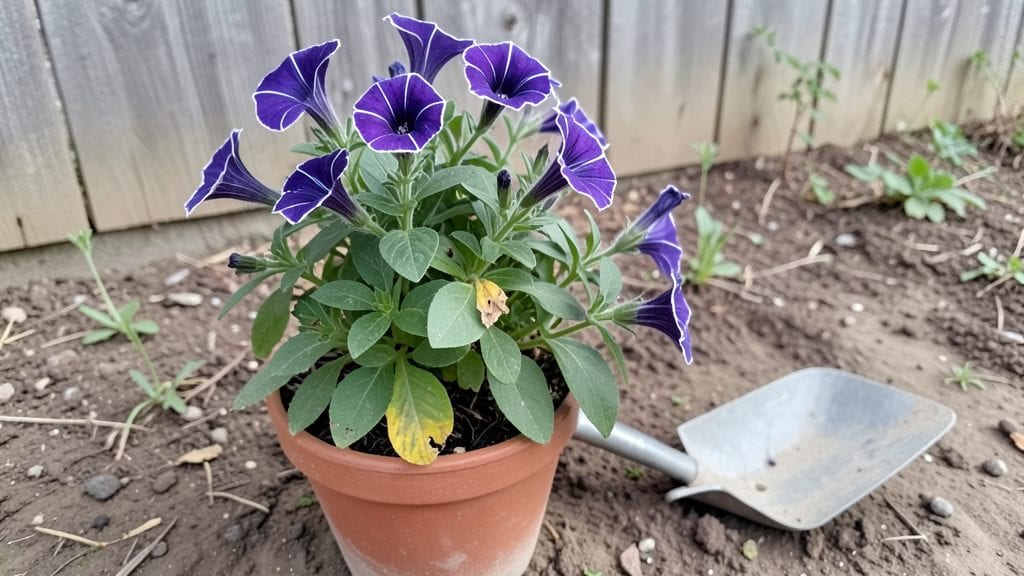
Nothing transforms a blank patio or balcony into instant charm like flower pots with petunias spilling over edges in waves of color. 🌸 I’ve watched dull concrete spaces bloom into vibrant retreats just by swapping out boring planters for ones that make petunias the star.
The secret isn’t just the flowers—it’s the right pot shapes, heights, and color pairings that turn them into eye-catching focal points.
Start with pots that match your space’s vibe: terracotta for rustic warmth, glossy ceramic for modern flair, or woven baskets for a relaxed, textured look. Pair deep purple petunias with silver foliage for drama, or let soft pink cascades contrast against a dark green pot.
The key is height variation—tall spires behind shorter pots creates depth, while trailing varieties add movement that draws the eye.
By mid-summer, your setup will be a riot of blooms that never looks tired. Petunias thrive in containers when given morning sun and regular watering, so you’ll get weeks of effortless color without the fuss of in-ground planting.
The best part? Swap out pots seasonally to refresh the look without replanting.
Whether you’re dressing up a tiny balcony or framing a front door, petunias bring life to any corner. Let’s turn those empty spaces into showstoppers—one pot at a time.
📚 In This Guide
- What you need
- Instructions
- Tips and common mistakes
- Wrapping up and next steps
What you need
- ● Flower pots: 1–3 containers (10–14 inches in diameter, with drainage holes). Tip: Choose lightweight, durable materials like terracotta, ceramic, or fiberglass.
- ● Petunia seeds or seedlings: 3–5 plants per pot (or 10–20 seeds if starting from scratch). Opt for trailing varieties like 'Supertunia' or 'Wave' for that cascading effect!
- ● Potting soil: 1–2 bags of high-quality, well-draining container mix (avoid garden soil—it compacts!). Look for blends labeled for annuals or flowers.
- ● Slow-release fertilizer: 1–2 tablespoons per pot (or liquid fertilizer for feeding later). Pro tip: Choose a balanced formula (e.g., 10-10-10) or one high in phosphorus for blooms.
- ○ Mulch (optional): 1–2 inches of pine bark fines or coconut coir to retain moisture and suppress weeds.
- ● Garden trowel or small shovel for planting.
- ● Watering can or hose with a gentle spray nozzle (petunias love consistent moisture!).
- ● Pruning shears (for trimming leggy stems later).
- ○ Support stakes or a trellis (optional, for taller pots or extra height).
- ● Gloves (to keep hands clean—petunia leaves can be prickly!).
- ○ Decorative elements (optional): Gravel, pebbles, or mosaic tiles to elevate your pot’s style.
Step-by-Step instructions for creating stunning petunia pots
Here's how to turn simple containers into cascading petunia displays that bloom all season long.
🪴 Step 1: Select the Right Containers and Drainage
Choose hanging baskets, window boxes, or 10-12 inch pots with drainage holes—petunias hate soggy roots. I prefer unglazed ceramic or fiberglass because they wick away excess moisture. If your container lacks holes, drill 3-4 ¼-inch holes in the bottom to prevent root rot.
Line the bottom with 1-2 inches of lightweight gravel or coconut coir to create an air gap. This prevents soil from clogging the drainage holes while still allowing water to escape. Place your chosen container on a saucer or tray to catch any overflow—this keeps your patio or windowsill dry and tidy.
🌱 Step 2: Layer Soil and Plant Petunias for Full Coverage
Fill the container ⅔ full with a well-draining potting mix blended with perlite or vermiculite (about 20% by volume). Petunias need airy soil that doesn’t compact. I like to add a slow-release fertilizer (like 10-10-10) mixed into the soil—this feeds roots steadily for 6-8 weeks without extra work.
Plant 3-5 petunia plants per 12-inch pot, spacing them 6-8 inches apart. For trailing varieties, place 1-2 plants near the edges so their vines can spill over beautifully. Press the soil gently around each plant to remove air pockets—you’ll see the stems stand upright immediately.
☀️ Step 3: Water and Position for Maximum Blooms
Water deeply until water runs out the drainage holes, then let the pot sit for 10-15 minutes to drain completely. Petunias need consistent moisture but will wilt if left soggy. After the first watering, keep the soil evenly moist—stick your finger 1 inch deep into the soil; if it feels dry, water again.
Place your petunia pots in full sun (6+ hours daily) for the most vibrant blooms. A south or west-facing windowsill or patio in direct sunlight works best. If you notice buds forming but no flowers opening, your pot might need more light—move it closer to the sun or supplement with a grow light for 4-6 hours daily.
💧 Step 4: Feed and Maintain for Nonstop Color
Feed petunias every 2-3 weeks with a balanced liquid fertilizer (like 20-20-20) diluted to half-strength. I like to fertilize right after watering—this prevents burning tender roots. Deadhead spent blooms weekly by pinching off faded flowers with your fingers. This encourages new buds to form and keeps your petunias looking fresh.
Check for pests like aphids or spider mites on the undersides of leaves. If you spot sticky residue or tiny webs, spray with neem oil or insecticidal soap—petunias are tough but hate these pests. In hot weather, mist the foliage lightly in the morning to prevent wilting, especially for trailing varieties.
✂️ Step 5: Prune and Refresh for Long-Lasting Beauty
When petunias grow too leggy or overcrowded, trim back one-third of the longest stems just above a leaf node. This stimulates bushier growth and prevents the plants from looking ragged. Use clean, sharp scissors to avoid crushing stems—you’ll see new growth within 7-10 days.
By mid-season, petunias may slow their blooming. Give them a light trim back to 4-6 inches tall and refresh the soil with new potting mix and fertilizer. This rejuvenates the plants and often triggers another flush of vibrant flowers. With this care, your petunia pots will stay lush and colorful all summer long.
Tips & tricks for perfect petunia pots
Here's what I've learned to make your petunia pots thrive and bloom like a pro's garden—no green thumb required.
The Drainage Secret: Don't just drill holes—create a proper air gap by using 1-2 inches of lightweight gravel or coconut coir at the bottom. This prevents soil from clogging the drainage holes while still allowing excess water to escape. I've seen petunias drown in containers that had holes but no air gap—don't make that mistake!
Soil Mix Matters: The 20% perlite or vermiculite in your soil mix isn't just filler—it's what keeps petunias thriving. This airy blend prevents soil compaction and allows roots to breathe. If you're using garden soil, blend it with at least 30% potting mix to improve drainage and prevent root rot.
Light Positioning: Those 6+ hours of full sun are non-negotiable for vibrant blooms, but placement matters too. South-facing windowsills get the most intense light, while west-facing spots offer warm afternoon sun without scorching. If your petunias start looking leggy with few blooms, they're getting too much shade—move them closer to the sun.
Pruning Payoff: When you trim back one-third of the longest stems in Step 5, you're not just tidying up—you're encouraging bushier growth. Always cut just above a leaf node (where leaves grow out), and use clean scissors to avoid damaging stems. You'll notice new growth within 7-10 days, and your petunias will look fuller and more vibrant.
Pro Tips for Flower Pots With Petunias
- Here's what I've learned to make your petunia pots thrive and bloom like a pro's garden—no green thumb required.
- The Drainage Secret: Don't just drill holes—create a proper air gap by using 1-2 inches of lightweight gravel or coconut coir at the bottom.
- Soil Mix Matters: The 20% perlite or vermiculite in your soil mix isn't just filler—it's what keeps petunias thriving.
Frequently asked questions
Got questions about growing petunias in flower pots?
You’re not alone! Here are answers to the most common inquiries to help you create stunning cascading displays with ease.
How often should I water petunias in pots?
Petunias in containers need consistent moisture—water them when the top inch of soil feels dry. In hot weather, this could mean daily watering! Use well-draining soil and a pot with drainage holes to prevent root rot. Mulching helps retain moisture too.
Can petunias grow in small pots, or do they need big containers?
Petunias thrive in pots at least 6–8 inches deep and 12+ inches wide for trailing varieties. Smaller pots may stunt growth or dry out too quickly. For cascading types, opt for hanging baskets or tall, narrow containers to showcase their trailing habit.
Why are my petunia leaves turning yellow?
Yellow leaves often signal overwatering, underwatering, or nutrient deficiencies. Check soil moisture and drainage first. If leaves are crispy, it’s thirsty; if mushy, it’s soggy. Feed with a balanced fertilizer every 2–3 weeks to boost health.
What’s the best fertilizer for petunias in pots?
Use a water-soluble, high-phosphorus fertilizer (like 10-20-10) to encourage blooms. Apply every 2 weeks during the growing season. For organic options, try fish emulsion or compost tea. Avoid over-fertilizing—it can burn roots!
How do I keep petunias blooming all season?
Deadhead spent blooms regularly to encourage new flowers! Prune leggy stems in early spring, and provide 6+ hours of sunlight daily. Cool weather may slow blooming—move pots to a sunnier spot or use a grow light if needed.
Are petunias toxic to pets or kids?
Petunias are non-toxic to cats, dogs, and humans, making them a safe choice for families! However, always monitor pets if they chew plants—some may experience mild stomach upset. Enjoy your petunia pots guilt-free!
Wrapping up and next steps
Transforming your space with flower pots filled with petunias is a rewarding way to bring vibrant color and life to any area—whether it’s a cozy balcony, a sunny patio, or a charming windowsill. 🌸 Their versatility, low-maintenance nature, and stunning cascading blooms make them the perfect choice for container gardening.
With the right soil, sunlight, and a little love, you’ll enjoy months of effortless beauty.
Ready to dive in? Start small—pick a pot, gather your supplies, and let your green thumb shine! Whether you’re a seasoned gardener or a beginner, petunias will thank you with non-stop blooms that turn heads. Happy planting! 🌿