Flowers
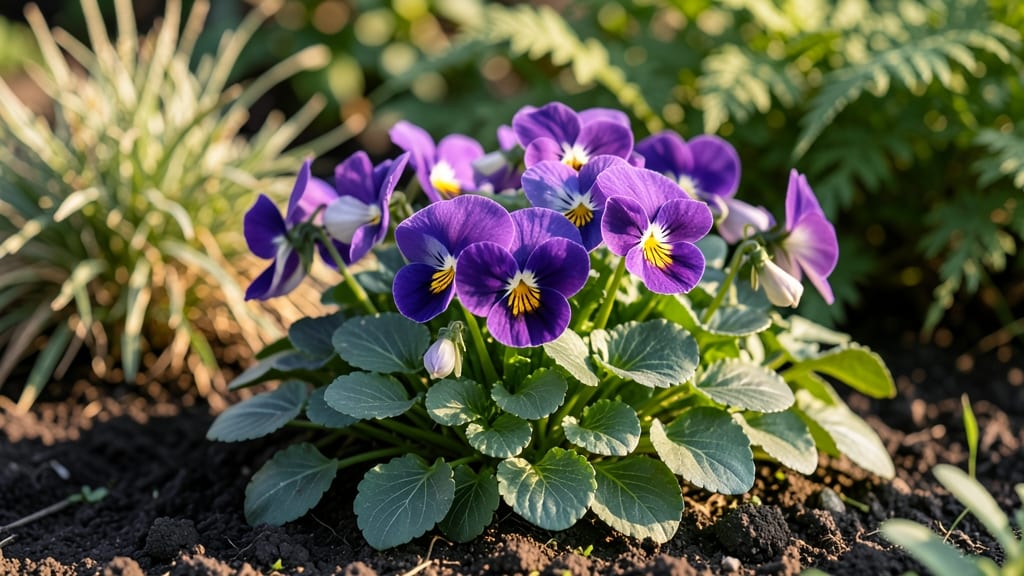
Those cheerful pansy fall flowers bring bold color when most gardens fade to brown—those cheerful faces survive light frosts and keep blooming until spring. 🌿 I’ve grown them for years, and the secret to their longevity isn’t complicated: timing, soil prep, and a little winter protection.
Most gardeners stop planting by October, but pansies thrive when others quit, turning chilly beds into vibrant displays.
The best part? They’re foolproof for beginners. Plant them in well-draining soil with morning sun and afternoon shade, and water consistently until roots establish. Mulch with straw or leaves to shield them from sudden cold snaps, and you’ll get blooms for 3-4 months—long after other annuals have given up.
Even my black thumb keeps them alive through winter.
You’ll end up with a garden that stays lively when others go dormant—think jewel-toned blooms in purple, yellow, and white against frost-kissed foliage. Pansies also attract pollinators late in the season, giving bees one last buffet before winter.
Plus, they self-seed easily, so you’ll have free plants next year. Here’s how to make them last.
Works in containers, borders, or mass plantings, and even in Zone 5 with the right care. Whether you’re dressing up a patio or filling gaps in perennial beds, these tough little flowers deliver. Let’s get them planted before the first frost!
📚 In This Guide
- What you need
- Instructions
- Tips and common mistakes
- Wrapping up and next steps
What you need
- ● Pansy seeds or seedlings: Choose frost-resistant varieties like Viola × wittrockiana (e.g., 'Cool Wave,' 'Matrix,' or 'Universal'). Buy 20–50 seeds or 6–12 seedlings for a small patch.
- ● Well-draining soil: A mix of 50% garden soil and 50% compost (or potting mix for containers). Pansies thrive in slightly acidic to neutral soil (pH 5.5–6.5).
- ● Sunlight access: 4–6 hours of partial sun daily (morning sun + afternoon shade works best).
- ● Watering can or hose: With a gentle spray nozzle to avoid disturbing seedlings.
- ● Garden trowel or transplant tool (for digging small holes).
- ○ Gloves (optional but recommended for handling soil and seedlings).
- ● Mulch (straw or shredded leaves) (1–2 inches) to retain moisture and protect from light frosts.
- ○ Fertilizer (optional): A balanced, slow-release granular fertilizer (10-10-10) or liquid bloom booster for established plants.
- ● Check your USDA Hardiness Zone (pansies tolerate Zones 3–10 with proper care).
- ● Plant 4–6 weeks before your first fall frost for best results (typically late summer to early fall).
- ● Ensure your planting area has good drainage—pansies hate soggy roots! 🚫💦
Step-by-Step instructions for planting pansies in fall
Here's how I get vibrant, frost-resistant pansies blooming through winter and into spring.
🌱 Step 1: Choose the Right Pansy Varieties and Location
For fall planting, select cold-hardy varieties like 'Matrix,' 'Cool Wave,' or 'Majesty'—they handle light frosts down to 20°F. Pansies thrive in full sun to partial shade (4-6 hours of sunlight daily). I always plant mine in well-draining soil with a slightly acidic to neutral pH (6.0-7.0)—they hate soggy roots.
Pick a spot with afternoon shade if you live in a hotter climate, as pansies appreciate cooler conditions. I test soil drainage by digging a hole, filling it with water, and checking if it drains within 2 hours. If not, amend with compost or sand before planting.
🪴 Step 2: Prepare the Soil and Plant at the Right Depth
Loosen the soil to a depth of 12 inches with a garden fork or trowel, removing any weeds or debris. Mix in 2-3 inches of compost to enrich the soil—pansies are heavy feeders and need nutrients to bloom prolifically. I like to work in a slow-release 10-10-10 fertilizer (about 1 tablespoon per square foot) at planting time.
Dig holes twice as wide as the root ball but only as deep as the container they came in. Gently remove pansies from their pots, tease apart any tangled roots, and place them in the holes. Space plants 8-12 inches apart—closer spacing encourages more blooms and prevents disease.
💧 Step 3: Water Deeply and Mulch for Frost Protection
Water each plant deeply until the soil is moist 6 inches down. I use a watering wand to avoid disturbing the roots, and I water in the early morning to let foliage dry before evening. Pansies need 1 inch of water per week, but they’re drought-tolerant once established—just don’t let them wilt.
After watering, apply a 2-3 inch layer of mulch (straw or shredded leaves work well) around each plant, keeping it 2 inches away from the stems to prevent rot. Mulch insulates roots, protecting pansies from temperature swings and keeping soil moist. I top up the mulch in late fall if heavy rains wash it away.
☀️ Step 4: Fertilize and Deadhead for Continuous Blooms
Feed pansies every 4-6 weeks with a balanced liquid fertilizer (like 20-20-20) diluted to half strength. I start fertilizing 2 weeks after planting and continue until 6 weeks before your first expected frost. Over-fertilizing leads to lush foliage but fewer flowers—stick to the schedule.
Deadhead spent blooms by pinching off the faded flower head with your fingers or snipping with clean scissors. This encourages new blooms and keeps plants tidy. I also remove any yellowing or diseased leaves immediately to prevent spread. With consistent care, pansies will keep blooming until spring frost, then often bounce back in early summer.
⏰ Step 5: Protect from Heavy Frost and Winter Prep
When temperatures drop below 25°F, cover pansies with frost cloth or a lightweight row cover at night. Remove it during the day to let sunlight reach the plants. I’ve seen pansies survive 15°F with proper protection, but they’ll look bedraggled—don’t worry, they’ll recover when temps warm up.
In late winter, trim back any leggy growth by one-third to encourage fresh, bushier growth. Once spring temperatures stabilize above 40°F, resume regular watering and fertilizing. Pansies are biennials, so with good care, they’ll reward you with two full seasons of color.
Tips & tricks for perfect fall pansy planting
These simple tricks will help you get the most vibrant, hardy pansies that keep blooming through winter's chill.
Variety Matters: When selecting your cold-hardy pansy varieties in Step 1, look for labels that specify frost tolerance down to 15°F—these are your best bets for winter survival. I've found that 'Matrix' series often outperforms others in my zone 5 garden, especially when planted in partial shade. The key is choosing varieties that match your specific winter lows.
Soil Test First: Before amending your soil in Step 2, grab a simple soil pH test kit from your garden center. Pansies prefer that 6.0-7.0 pH range mentioned, but many garden soils run acidic. If your test shows pH below 6.0, mix in some garden lime according to package instructions before planting. I've seen pansies struggle in overly acidic soil, even with perfect drainage.
Mulch Thickness Tip: That 2-3 inch mulch layer in Step 3 is crucial for winter protection, but don't pile it right against the stems. Create a little donut shape with mulch, keeping it 2 inches away from plant bases to prevent rot. I've lost pansies to mulch rot when I was too eager to insulate them completely.
Frost Protection Hack: When temperatures drop below 25°F in Step 5, I've found that using frost cloth instead of row covers gives better airflow while still protecting your pansies. The cloth allows sunlight to reach the plants during the day while providing that crucial nighttime insulation. Just remember to remove it completely when daytime temperatures rise above freezing.
Pro Tips for Pansy Fall Flowers
- These simple tricks will help you get the most vibrant, hardy pansies that keep blooming through winter's chill.
- Variety Matters: When selecting your cold-hardy pansy varieties in Step 1, look for labels that specify frost tolerance down to 15°F—these are your best bets for winter survival.
- Soil Test First: Before amending your soil in Step 2, grab a simple soil pH test kit from your garden center.
Frequently asked questions
Got questions about growing pansies for fall?
Here are some of the most common ones—plus quick answers to help you keep your garden blooming beautifully through the season!
Can pansies survive light frost?
Yes! Pansies are one of the hardiest fall flowers—most varieties tolerate light frosts (down to 20–25°F) without damage. For extra protection, mulch around the base or cover plants with frost cloth on extremely cold nights. They’ll bounce back once temps warm up!
When is the best time to plant pansies for fall color?
Plant pansies 6–8 weeks before your first expected frost (typically late summer to early fall). This gives roots time to establish before winter. For a longer bloom season, stagger plantings every 2–3 weeks—new batches will keep flowering until spring!
What’s the secret to keeping pansies blooming all fall?
Deadhead spent blooms regularly to encourage more flowers. Also, feed them with a balanced, water-soluble fertilizer every 3–4 weeks. Bonus tip: Ensure they get 4–6 hours of sunlight daily—too much shade = fewer blooms.
Are pansies prone to pests or diseases?
Pansies are generally low-maintenance, but watch for aphids, slugs, or powdery mildew in damp conditions. Prevent slugs with copper tape or diatomaceous earth. For mildew, space plants for airflow and water at the base (not leaves). Most issues are easy to fix!
Can I grow pansies in containers for fall?
Pansies thrive in containers with drainage holes. Use a well-draining potting mix and choose compact varieties like ‘Cool Wave’ or ‘Soraya.’ Place pots in partial sun (morning sun + afternoon shade works well). Just water consistently—containers dry out faster!
Wrapping up and next steps
Pansies are the perfect frost-resistant stars of fall—packing vibrant color, easy care, and year-round charm into one resilient package. Whether you’re brightening up containers, borders, or even winter salads (yes, they’re edible!), these cheerful blooms prove that fall gardening can be both beautiful and low-maintenance. 🌿✨
Ready to dive in? Start by picking your favorite varieties, prepping your soil, and planting with confidence—your garden (and future harvests) will thank you! Grab your gloves and get growing today!