
Flowers
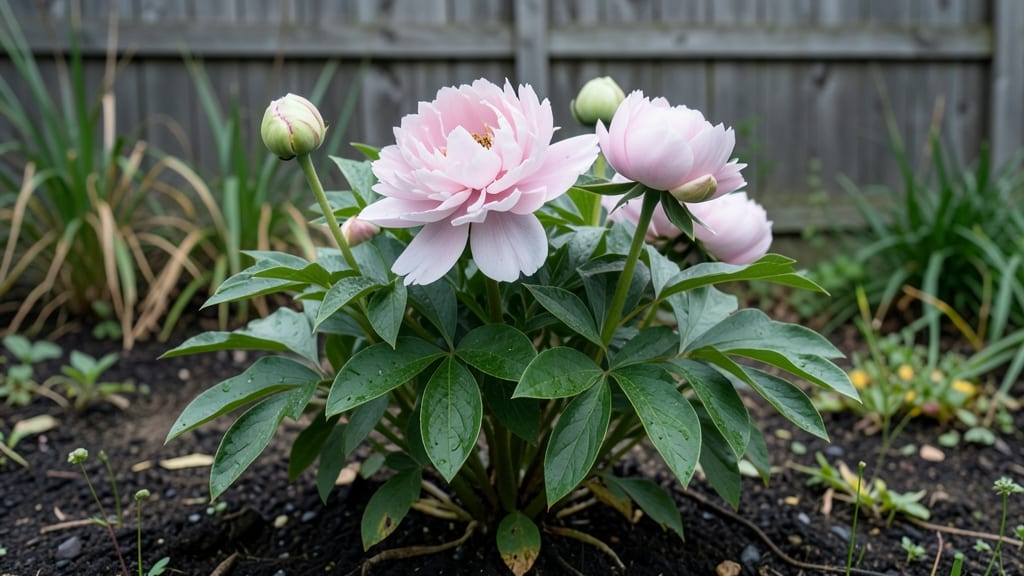
The flower called peony is the Pacific Northwest's secret weapon for bold, reliable blooms that outlast spring's fleeting flowers. 🌸 I've watched mine push through snowmelt and still deliver 3-inch-wide blooms by June—something no other perennial can match in our damp, cool climate.
The key isn't just planting; it's understanding how these old-world beauties thrive where others struggle.
Peonies demand well-draining soil (amend heavy clay with compost) and 6+ hours of sunlight, but they reward patience with decades of blooms—some plants produce for 100 years. My first mistake? Planting too deep; roots need to stay just 2 inches below soil level for strong stems.
The real magic happens in winter when they go dormant, only to burst forth with fragrant pink, white, or coral blooms that attract bees before other flowers even think about waking up.
You'll spend less time fussing and more time admiring: fewer pests, no deadheading needed, and zero staking (unlike roses). The only maintenance is light pruning in late winter and mulching to protect roots from winter heaves.
By summer, your garden becomes a magnet for neighbors stopping to admire those velvet-textured blooms that last weeks longer than anything else.
Perfect for cutting gardens, borders, or even container growing (dwarf varieties). Here's how to get yours established for lifelong color—no green thumb required, just attention to a few simple rules. Let's get those roots in the ground before next winter's frost sets in.
📚 In This Guide
- What you need
- Instructions
- Tips and common mistakes
- Wrapping up and next steps
What you need
- ● Peony plants: Bare-root peonies (1–3 plants, depending on garden size) – Choose herbaceous or tree peonies
- ● OR Potted peonies (1–2 plants, 3–5 gallons each)
- ● Well-draining soil: Amend with compost (5–10 lbs per plant) and organic matter (e.g., peat moss or coconut coir, 2–3 lbs per plant)
- ● Fertilizer: Balanced 10-10-10 fertilizer (½ cup per plant) OR
- ● Slow-release rose/peony-specific fertilizer (follow package instructions)
- ● Mulch: 3–4 inches of organic mulch (e.g., wood chips, straw, or shredded bark) to protect roots in winter
- ● Garden tools: Trowel or small shovel
- ● Garden fork (for loosening soil)
- ● Pruning shears (for cleanup)
- ● Location: Full sun (6+ hours/day) and well-draining soil (pH 6.0–7.0)
- ● Watering supplies: Hose with gentle spray nozzle OR watering can
- ○ Stakes (optional): 6–12-inch wooden or metal stakes (for support if growing tall varieties)
- ● 💡 Test your soil—PNW’s acidic soils may need lime (1–2 lbs per plant) to raise pH.
- ● ❄️ Plant in early fall or spring to avoid frost heave (a PNW peony nemesis!).
- ● 🌡️ Avoid soggy soil—peonies hate "wet feet." Raise beds if drainage is poor.
How to plant and care for peonies in Pacific Northwest gardens
Peonies bring bold, fragrant blooms to your garden with minimal fuss—here’s how to grow them reliably in cool, moist climates.
🌱 Step 1: Choose and Prepare the Planting Site
Peonies thrive in full sun to partial shade, with at least 6 hours of direct sunlight daily. In the Pacific Northwest’s damp climate, avoid soggy spots—waterlogged soil causes root rot. I always test drainage by digging a 6-inch deep hole and filling it with water; if it doesn’t drain within an hour, amend the soil with 2-3 inches of compost or plant on a slight mound.
Peonies need 5-6 years to reach full maturity, so choose a permanent location. The ideal spot has well-draining, fertile soil with a pH between 6.5 and 7.5. If your soil is heavy clay (common in PNW), mix in 1 part sand or perlite to improve aeration. Work the amendments into the top 12 inches of soil for best results.
🪴 Step 2: Plant Bare-Root Peonies at the Right Depth
Plant bare-root peonies in early fall, 6-8 weeks before the ground freezes, to give roots time to establish before winter. Dig a hole twice as wide as the root ball but no deeper—peonies hate being buried too deep, which causes weak stems and fewer blooms. The eyes (buds at the base of stems) should sit 1-2 inches below soil level after planting.
Place the plant in the hole, spreading roots outward. Fill with native soil, pressing gently to remove air pockets. Water deeply to settle the soil, then add a 2-inch layer of mulch (like wood chips or straw) to retain moisture and regulate temperature. Avoid piles of mulch against stems—keep it 3-4 inches away to prevent rot.
☀️ Step 3: Water and Fertilize for Strong Establishment
Water peonies deeply once a week during the first growing season, aiming for 1 inch of water per week. In the PNW’s rainy climate, you’ll likely need to supplement only in dry spells. Overwatering is worse than underwatering—peony roots rot easily in soggy soil. Check moisture by sticking your finger 2 inches deep; if it’s dry, water again.
Fertilize lightly in early spring with a balanced, slow-release fertilizer (10-10-10) at half the recommended rate. Peonies are heavy feeders but don’t need much—too much nitrogen encourages leafy growth at the expense of blooms. After flowering, add a low-phosphorus fertilizer (like 5-10-10) to support root development for next year.
✂️ Step 4: Prune and Divide for Longevity
Deadhead spent blooms by cutting stems back to the first set of healthy leaves to encourage more flowers. Never cut into the woody base—this weakens the plant. In late fall, after the first hard frost, cut stems back to 2-3 inches above the ground. This prevents disease and makes it easier to spot new growth in spring.
Divide peonies every 5-7 years in early fall to rejuvenate clumps. Dig up the plant, separate the roots with a clean knife, and replant the healthiest sections with 3-5 eyes per division. Discard any roots with soft, mushy spots—these are diseased and will spread rot. Water divisions deeply after replanting to reduce transplant shock.
⏰ Step 5: Protect from Winter and Watch for Pests
Peonies are hardy to USDA Zone 3, but young plants benefit from a 4-inch layer of mulch in winter to insulate roots. In the PNW’s mild winters, this is usually enough, but after a hard freeze below 10°F, add extra mulch for the first few years. Remove mulch in early spring to prevent overheating as growth resumes.
Watch for peony leaf blight (a fungal disease causing brown spots) and peony sawfly larvae (which skeletonize leaves). Treat fungal issues with neem oil and remove affected foliage immediately. For sawflies, handpick larvae or use Bt (Bacillus thuringiensis) spray. Healthy peonies are disease-resistant, so proper spacing (3-4 feet apart) and good airflow prevent most problems.
Tips & tricks for perfect peony planting in Pacific Northwest gardens
These pro insights will help you avoid common pitfalls and maximize your peonies' potential in our region's unique climate.
Sunlight Strategy: While peonies need at least 6 hours of sunlight daily, in the Pacific Northwest's often cloudy conditions, prioritize morning sun exposure—those first rays are strongest and most beneficial. If your garden gets afternoon shade, position plants where they catch the morning light first, as this prevents afternoon moisture buildup that can encourage fungal issues. I've found that even 4 hours of morning sun with 2 hours of afternoon can work if your climate is particularly wet.
Soil Test Tip: The pH range of 6.5-7.5 is crucial, but don't guess—use a soil test kit available at garden centers. If your soil tests too acidic (below 6.5), amend with lime according to package instructions. For clay-heavy soils, mix in 1 part sand or perlite to the top 12 inches—this improves drainage without altering the pH significantly. I learned this the hard way after planting in unamended clay soil and watching my first peonies struggle with root rot.
Planting Depth Visual: Getting the eye depth right (1-2 inches below soil) can be tricky. Here's my trick: After placing the plant in the hole, mound soil around the base until it reaches the level of the lowest eye. Then, gently press down—this creates a natural slope that helps water run away from the crown, preventing rot. For visual confirmation, the top of the root ball should sit just below soil level after pressing.
Winter Protection Hack: While peonies handle our mild winters well, young plants benefit from that extra 4-inch mulch layer. I use straw mulch because it breaks down slowly and adds organic matter. For extra insurance during hard freezes below 10°F, place a thin layer of burlap over the mulch—it adds another insulating barrier without trapping too much moisture. Remove both in early spring to prevent overheating as growth resumes.
Pro Tips for Flower Called Peony
- These pro insights will help you avoid common pitfalls and maximize your peonies' potential in our region's unique climate.
- Sunlight Strategy: While peonies need at least 6 hours of sunlight daily, in the Pacific Northwest's often cloudy conditions, prioritize morning sun exposure—those first rays are strongest and most beneficial.
- Soil Test Tip: The pH range of 6.5-7.5 is crucial, but don't guess—use a soil test kit available at garden centers.
Frequently asked questions
Got questions about growing and caring for peonies in the Pacific Northwest? You’re not alone!
Here are some of the most common queries—and their answers—to help you cultivate these stunning frost-resistant blooms with confidence.
When is the best time to plant peonies in the PNW?
Plant peonies in early fall (September–October) for the best results. This gives roots time to establish before winter while avoiding summer heat stress. Spring planting is possible, but fall is ideal for hardy PNW climates.
Do peonies need full sun, or can they handle partial shade?
Peonies thrive in full sun (6+ hours daily), but they can tolerate partial shade (4+ hours). In the PNW’s cooler, wetter zones, morning sun + afternoon shade helps prevent mildew. Just avoid deep shade, which weakens blooms.
Are peonies truly frost-resistant? How do they handle PNW winters?
Peonies are extremely cold-hardy (USDA Zones 3–8) and love the PNW’s chilly winters. Mulch lightly in late fall to protect roots, but no extra winter care is needed. Their dormancy actually enhances spring blooms!
Why aren’t my peony buds opening? Troubleshooting tips?
Bud blast (unopened flowers) often stems from overcrowding, too much nitrogen, or late frosts. Thin stems to 3–5 per plant, avoid heavy fertilizer, and plant in sheltered spots. If buds swell but don’t open, they may need warmer daytime temps (60°F+).
What’s a great peony alternative if I want similar flowers but lower maintenance?
Try daylilies (hemerocallis) or hostas for shade-tolerant perennials with bold foliage. For cut flowers, delphiniums or hollyhocks offer height and drama with less fuss. Just note: Peonies’ lush, fragrant blooms are hard to beat!
Still curious? Drop your peony questions in the comments—we’re happy to help your garden bloom with confidence!
Wrapping up and next steps
The peony isn’t just a stunning frost-resistant flower—it’s a low-maintenance superstar for Pacific Northwest gardens! 🌸 With its rich symbolism, hardy nature, and breathtaking blooms, it’s the perfect choice for gardeners who love beauty and resilience.
Whether you’re a seasoned gardener or just starting, adding peonies to your space brings timeless elegance and effortless charm.
Ready to transform your garden? Start small—plant a few peonies this season and watch them flourish year after year. Your future self (and your neighbors!) will thank you. 🌿✨