
Flowers
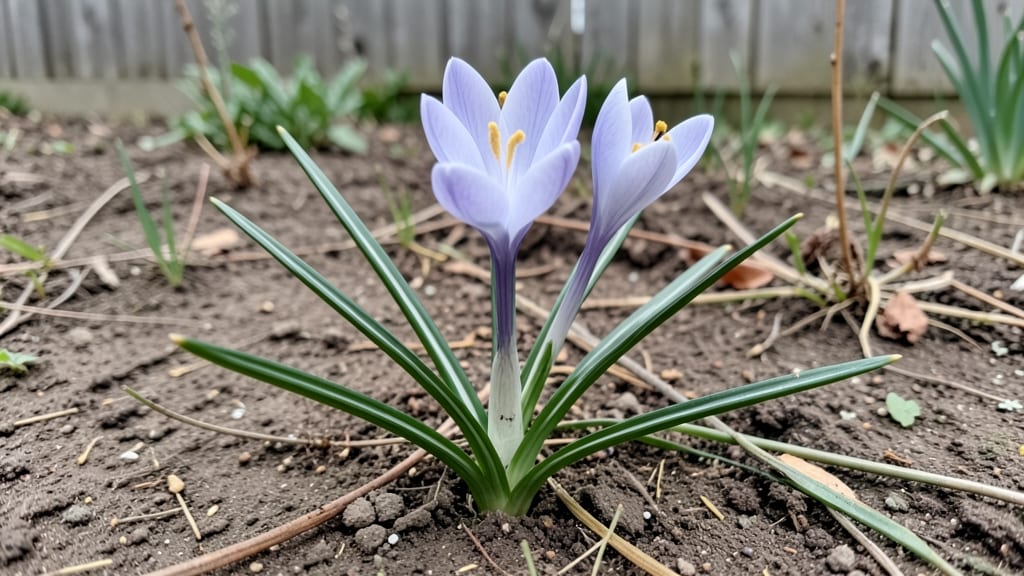
Caring for crocus flowers means embracing nature’s earliest spring messengers—those cheerful purple, white, and yellow blooms that poke through snow. 🌱 I’ve learned the hard way that their secret to success lies in patience and proper dormancy care, not constant attention.
These hardy bulbs thrive on neglect almost as much as they do on sunlight, making them perfect for gardeners who want beauty with minimal fuss.
The key to happy crocuses starts with the right soil and placement. They love well-draining, sandy loam and full sun to light shade, though they’ll tolerate partial shade in hotter climates. Plant bulbs 3-4 inches deep in fall, spacing them 3-4 inches apart—this ensures they multiply over time.
A light layer of mulch helps protect them from harsh winters while keeping soil temperatures stable.
Once they bloom, water sparingly—just enough to keep the soil lightly moist. After flowering, let the foliage die back naturally; this stores energy for next year’s blooms. The real magic happens in late summer when you can divide and replant crowded clumps.
With proper care, you’ll see those familiar cheery faces returning year after year, often before the snow even melts.
They’re foolproof for beginners but reward experienced gardeners with naturalizing colonies that spread effortlessly. Whether you’re a first-timer or a seasoned grower, crocuses prove that some of the most stunning gardens start with the simplest, hardiest plants. Let’s get those bulbs in the ground!
📚 In This Guide
- What you need
- Instructions
- Tips and common mistakes
- Wrapping up and next steps
What you need
- ● Crocus corms: Choose fall-planted varieties (e.g., Dutch, Giant, or Species crocuses). Buy 10–20 corms per square foot for a lush display.
- ● Well-draining soil: Mix 1 part potting soil with 1 part perlite or coarse sand (for containers) or amend garden soil with compost.
- ● Organic mulch: 2–3 inches of shredded leaves, straw, or pine needles to insulate roots in winter.
- ● Balanced fertilizer: A 10-10-10 or 5-10-10 formula (use sparingly—crocuses need minimal feeding).
- ● Watering can or hose: With a gentle spray nozzle to avoid displacing corms.
- ● Hand trowel: For planting and soil amendments (look for stainless steel or ergonomic handles for durability).
- ● Garden gloves: To protect hands while handling corms or mulch.
- ● Measuring tape or ruler: To ensure proper spacing (3–6 inches apart for most varieties).
- ○ Pruners (optional): For trimming dead foliage after blooming.
- ● Container pots: If growing in pots, use shallow, wide containers (6+ inches deep) with drainage holes.
- ● Slow-release fertilizer spikes: For convenience (follow package instructions).
- ● Pest deterrents: Copper tape or diatomaceous earth (if slugs/snails are a problem in your area).
- ● Garden journal: To track planting dates, blooming times, and care notes!
How to keep crocus flowers thriving in any season
Here’s the simple approach I’ve used for years—no fuss, just reliable blooms that outlast winter.
🌱 Step 1: Plant Crocus Bulbs in Well-Draining Soil
Crocus bulbs thrive in full sun to partial shade, but they’ll bloom even in shady spots if the soil drains well. Dig holes 3-4 inches deep—about three times the bulb’s height—and space them 3-4 inches apart. I always plant them in the fall, 6-8 weeks before the first frost, so roots establish before winter.
Work in a handful of coarse sand or perlite if your soil is heavy clay to prevent rot. The bulbs are hardy, but soggy soil is their only weakness. Press the soil gently after planting—you want it firm enough to support the bulb but not compacted. A light watering right after planting helps settle everything in place.
☀️ Step 2: Provide Seasonal Light and Water Carefully
Crocus flowers need at least 6 hours of sunlight daily for best blooms, but they’ll tolerate partial shade. In spring, water lightly after planting, then only when the top inch of soil feels dry. Overwatering now will drown the bulbs before they even sprout. Once leaves appear, water 1-2 times per week—enough to keep the soil moist but not soggy.
Here’s the thing—crocus bulbs store energy in their roots, so they don’t need much water once established. In summer, when the foliage yellows, stop watering entirely. This lets the bulbs recharge for next year’s blooms. I know it seems counterintuitive, but skipping summer watering is what keeps them coming back year after year.
✂️ Step 3: Deadhead and Fertilize for Next Year’s Blooms
After the flowers fade, snip off the spent blooms with clean scissors—this keeps the plant tidy and directs energy back into the bulb. But here’s what most people miss: leave the leaves alone until they turn completely yellow. Those leaves feed the bulb for next season’s blooms. I resist the urge to cut them early, even if they look messy.
In early fall, after the foliage dies back, add a low-nitrogen fertilizer (like 5-10-10) around the planting area. A light sprinkle is enough—too much fertilizer encourages leafy growth at the expense of flowers. Water lightly after fertilizing to help it soak in. This one step makes a huge difference in how many blooms you’ll see the following spring.
⏰ Step 4: Protect Bulbs in Harsh Winters (If Needed)
Most crocus varieties handle frost beautifully, but if your winters are brutal (below 0°F), add a 2-3 inch layer of mulch
If you live in a mild climate, no extra protection is needed. The bulbs will naturalize over time, multiplying and spreading into cheerful carpets of color. The key is patience—crocus bulbs take 2-3 years to fully establish, but once they do, they’ll outlast any other spring bloomer in your garden.
Tips & tricks for perfect crocus flower care
Here’s what I’ve learned over years of growing these hardy bloomers—simple secrets that make all the difference.
Soil Preparation Secret: Before planting, mix in a handful of coarse sand or perlite into heavy clay soil to prevent rot. I’ve seen soggy soil ruin bulbs in just one winter—don’t skip this step! The 3-4 inch depth you plant them at gives them just enough room to establish roots before winter sets in.
Watering Wisdom: The 6 hours of sunlight they need goes hand-in-hand with careful watering. After planting, water lightly just once to settle the soil, then wait until the top inch feels dry before watering again. In summer, when foliage yellows, stop watering entirely—this recharging period is what ensures next year’s blooms. Between us, I’ve overwatered mine before and watched them rot in just days.
Fertilizer Timing: That early fall fertilization with low-nitrogen 5-10-10 is non-negotiable for blooms. I use a light sprinkle around the planting area—think "dusting" rather than "drenching." Too much nitrogen makes them grow leaves instead of flowers, and you don’t want that when you’re dreaming of spring color.
Winter Protection Hack: For those brutal winters below 0°F, I add a 2-3 inch layer of straw mulch after the ground freezes. The key is timing—wait until after freezing to prevent trapping moisture, then remove it as soon as spring thaws. I’ve seen mulch left too long cause rot, so don’t be lazy about checking it!
Pro Tips for Crocus Flower Care
- Here’s what I’ve learned over years of growing these hardy bloomers—simple secrets that make all the difference.
- Soil Preparation Secret: Before planting, mix in a handful of coarse sand or perlite into heavy clay soil to prevent rot.
- Watering Wisdom: The 6 hours of sunlight they need goes hand-in-hand with careful watering.
Frequently asked questions
Got questions about keeping your crocus flowers happy? You’re not alone! Here are some of the most common concerns—and their simple solutions.
When is the best time to plant crocus bulbs for spring blooms?
Plant crocus bulbs in fall, about 6–8 weeks before the first hard frost (typically October–November in most U.S. zones). This gives them time to establish roots before winter. For spring-blooming varieties, aim for late summer to early fall. Pro tip: Plant them shallowly (2–3 inches deep) for easier emergence!
Can crocus survive a harsh winter without extra protection?
Yes! Crocus are frost-resistant and thrive in cold climates (USDA zones 3–8). However, in areas with extreme freezing or heavy snow, a light mulch (like straw or leaves) can help. Avoid heavy mulch, which may rot the bulbs. Bonus: Their early blooms often peek through snow!
How often should I water crocus, especially after they bloom?
Water sparingly—just enough to keep the soil moist but not soggy during active growth (fall planting to spring blooming). Once flowers fade, reduce watering entirely. Crocus bulbs store energy underground and need minimal care post-bloom. Watch out: Overwatering can cause rot!
Why aren’t my crocus flowers coming up? Troubleshooting tips?
Common culprits:
- Planting too deep: Dig up and replant bulbs at 2–3 inches max.
- Poor drainage: Ensure soil isn’t waterlogged (crocus hate soggy roots!).
- Pests/squirrels: If bulbs are missing, try planting in wire mesh cages or deeper holes.
- Old bulbs: Dig up and divide bulbs every 3–4 years for fresh blooms.
Can I grow crocus in containers? What’s the best setup?
Use well-draining containers (like terracotta pots) with a mix of potting soil and perlite. Plant bulbs close together (they multiply fast!) and place containers in full sun to partial shade. In winter, move pots to a garage or cold frame if temps drop below 20°F. Container hack: Add a layer of gravel at the bottom to prevent rot!
Wrapping up and next steps
Caring for crocus flowers is simpler than you think—just provide the right balance of sunlight, well-draining soil, and patience! 🌱 With their frost-resistant nature and early spring blooms, these hardy beauties reward you with vibrant colors year after year.
Whether you’re a beginner or a seasoned gardener, a little consistency goes a long way.
Ready to see your garden burst with life? Plant your crocuses this fall and watch them surprise you with cheerful blooms before most flowers even wake up! 🌸