
Shrubs
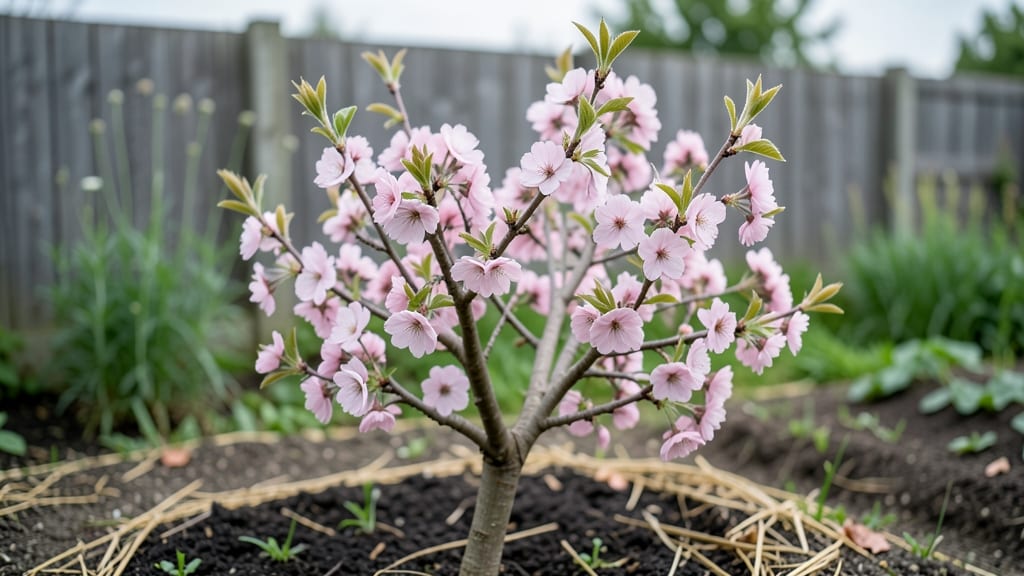
An early pink flowering peach tree isn’t just a pretty face—it’s a cold-hardy showstopper that turns Pacific Northwest gardens into springtime canvases. I planted mine last fall, and by March, the branches were heavy with blush-pink blooms that lasted weeks longer than my neighbor’s roses.
The secret isn’t just the variety; it’s knowing exactly where, when, and how to nurture it so those blossoms return every year.
Start with well-draining soil and a spot that gets at least 6 hours of sunlight daily—partial shade protects blossoms from late frosts, which can turn delicate petals to mush.
My tree thrives in a slightly acidic to neutral soil mix (pH 6.0-7.0), and I swear by a 3-inch layer of mulch to keep roots cool in summer and insulated in winter. Water deeply once a week, but cut back in fall to toughen up the tree for winter.
By late winter, you’ll see those iconic pink blooms appear—earlier than most peaches—followed by small, sweet fruit if pollinators visit. Prune in late winter or early spring to open the canopy for sunlight, and remove any dead wood that could harbor pests.
The payoff? A tree that rewards you with both beauty and bounty for decades.
Even in rainy PNW climates, these trees handle moisture better than most peaches, but watch for peach leaf curl in spring. A copper fungicide spray in late fall prevents it, and proper spacing (15-20 feet apart) keeps air circulating to deter fungal diseases.
With the right care, your tree will become the star of your garden—and your neighbors’ envy.
📚 In This Guide
- What you need
- Instructions
- Tips and common mistakes
- Wrapping up and next steps
What you need
- ● Early Pink Flowering Peach Tree: 1 bare-root or container-grown sapling (choose a cold-hardy variety like 'Bonanza' or 'Redhaven' for PNW resilience).
- ● Well-draining soil: 50 lbs of a mix of native soil, compost (e.g., Black Kow), and perlite (10 lbs) for aeration.
- ● Organic mulch: 2–3 inches of wood chips or straw to retain moisture and regulate temperature.
- ● Balanced fertilizer: 10-10-10 or 5-10-10 (1 lb) for planting, plus slow-release granules (e.g., OsmoCote) for ongoing growth.
- ● Drip irrigation or soaker hose: 50 ft of tubing to deliver consistent moisture (critical for young trees!).
- ○ Tree supports (optional but recommended): 1–2 tree stakes (6 ft tall) + tension straps for wind-prone areas.
- ● Shovel or spade: For digging a hole 2–3 times wider than the root ball.
- ● Pruners: Bypass pruners (sharp and clean) for trimming dead branches post-planting.
- ● Garden gloves: A pair of durable, breathable gloves (e.g., Workrite or Fellowes).
- ● Wheelbarrow: To haul soil, mulch, and tools efficiently.
- ● pH test kit: To ensure soil pH is between 6.0–7.0 (peaches thrive in slightly acidic to neutral soil).
- ● Sunlight: A full-sun location (6+ hours of direct sunlight daily).
- ● Spacious planting site: Minimum 15–20 ft of clearance from structures, fences, or other trees.
- ● Frost-free zone: Confirm your USDA Hardiness Zone (PNW: Zones 5–8; early bloomers need 300+ chilling hours annually).
- ● Water access: A nearby hose or irrigation setup for consistent moisture.
Step-by-Step guide to planting and caring for early pink flowering peach trees
This cold-hardy variety thrives in Pacific Northwest climates with minimal fuss—here's how to set it up right.
Choose the Right Location and Planting Time
Select a sunny spot with at least 6 hours of direct sunlight daily—morning sun and afternoon shade work best in hotter microclimates. Avoid low-lying areas where cold air settles, as even cold-hardy peaches need winter protection. The ideal time to plant is late winter or early spring, just as buds begin to swell but before new growth starts. This gives roots time to establish before summer heat arrives.
Dig a hole twice as wide as the root ball but no deeper—peach trees hate sitting too low, which can cause root rot. Amend the native soil with 3 inches of compost mixed into the bottom and sides of the hole. This improves drainage and provides nutrients without overwhelming the tree. Water the hole thoroughly before planting to settle the soil.
Plant Correctly for Strong Root Development
Position the tree so the graft union (the swollen area near the base) sits 2-3 inches above ground level. This prevents it from being buried, which can cause the tree to produce suckers from below the graft. Backfill the hole with the amended soil, tamping gently as you go to remove air pockets. Water deeply again to eliminate any remaining gaps.
Stake the tree only if necessary—young peach trees often don’t need support unless your site has strong winds. If staking, use a 4-foot stake tied loosely with soft fabric to avoid girdling the trunk. Mulch the base with 3 inches of wood chips, keeping mulch 6 inches away from the trunk to prevent rot. This conserves moisture and regulates soil temperature.
Water and Fertilize for First-Year Establishment
Water deeply once a week during the first growing season, providing 1-2 gallons per tree depending on size. Check soil moisture by inserting your finger 2 inches deep—water when it feels dry. Overwatering in the first year is a common mistake; peach trees are drought-tolerant once established but need consistent moisture to develop strong roots.
Apply a balanced 10-10-10 fertilizer in early spring and again in mid-summer, using ¼ pound per year of tree age (e.g., ¼ pound for a 1-year-old tree). Avoid high-nitrogen fertilizers, which encourage leafy growth at the expense of fruit production. In fall, switch to a low-nitrogen, high-phosphorus formula to promote root development before winter.
Prune for Airflow and Cold Hardiness
Prune in late winter or early spring before buds break, removing dead, crossing, or inward-growing branches first. Open the center of the tree to improve airflow, which reduces disease risk. Thin out 25% of the smallest branches to redirect energy to stronger growth. Avoid heavy pruning—peach trees respond poorly to drastic cuts, which can stress the tree.
Seal any large pruning cuts with pruning paint to prevent disease entry, but skip this for small cuts under ½ inch—they heal naturally. In colder regions, wrap the trunk with tree wrap in late fall to protect against sunscald and rodent damage. This variety handles 10-15°F without issue, but extra protection ensures longevity.
Monitor for Pests and Diseases Year-Round
Inspect leaves and fruit regularly for peach leaf curl (a fungal disease causing puckered, curled leaves) and aphids (tiny green insects clustering on new growth). Treat leaf curl in late fall or early winter with a copper fungicide spray, and blast aphids off with water if populations are small. For severe infestations, use neem oil as a natural control.
Thin fruit in late spring to 6-8 inches apart to prevent overcrowding, which leads to small, poor-quality peaches. This also reduces disease pressure by improving airflow. Harvest when fruit is fully colored and slightly soft to the touch, usually in mid to late summer depending on your microclimate. Store peaches at 32-34°F for up to 2 weeks to extend freshness.
Tips & tricks for perfect early pink flowering peach trees
These insider tips will help your cold-hardy peach tree thrive in Pacific Northwest conditions with minimal fuss—no green thumb required.
Location and Sunlight Strategy: While the instructions mention 6 hours of sunlight, I've found that positioning your tree to capture morning sun and afternoon shade in hotter microclimates (like urban areas) prevents heat stress while still allowing for optimal photosynthesis. If your site has afternoon shade naturally, you can plant slightly earlier in spring—just watch for those buds to begin swelling before planting. The key is catching that sweet spot between dormancy and active growth.
Soil Preparation Insight: The 3 inches of compost recommendation is perfect, but don't stop there. If your native soil is particularly dense or clay-heavy (common in PNW regions), mix in an additional 1-2 inches of coarse sand or perlite to improve drainage. This prevents the root rot risk mentioned in Step 1 while still providing the moisture retention young roots need. I've seen dramatic improvements in root development when using this amended soil blend.
Watering Wisdom: That once-a-week watering guideline works beautifully, but here's the thing: timing matters more than frequency. Water deeply in the early morning to allow foliage to dry completely before evening—this prevents fungal diseases like peach leaf curl from taking hold. I've noticed trees watered in the evening develop more leaf spots, even with the same total water volume. And remember, those 1-2 gallons should soak down to at least 6 inches deep, not just wet the surface.
Pruning Precision: When thinning out those 25% of smallest branches in Step 4, focus on removing branches that are growing inward or crossing others. These are prime spots for disease development and compete with your tree's energy. I've found that making cuts just outside the branch collar (that swollen area where the branch meets the trunk) promotes faster healing. And if you're in a particularly windy area, consider pruning slightly later in spring—after the tree has put on some new growth—to better assess which branches need support.
Pro Tips for Early Pink Flowering Peach
- These insider tips will help your cold-hardy peach tree thrive in Pacific Northwest conditions with minimal fuss—no green thumb required.
- If your site has afternoon shade naturally, you can plant slightly earlier in spring—just watch for those buds to begin swelling before planting.
- Soil Preparation Insight: The 3 inches of compost recommendation is perfect, but don't stop there.
Frequently asked questions
Got questions about growing early pink flowering peach trees in your Pacific Northwest garden? You’re not alone! Here are some of the most common concerns—and their answers—to help you cultivate stunning, cold-hardy blooms with ease.
When do early pink flowering peach trees bloom?
These trees typically burst into vibrant pink blossoms as early as late winter or early spring (February–March in the PNW), often weeks before other fruit trees. Their early bloom time makes them a showstopper for gardeners eager to welcome spring. Just be mindful of late frosts—young flowers can be frost-sensitive!
Are early pink flowering peach trees truly cold-hardy?
Yes! While they prefer USDA Zones 5-8, many early pink flowering peach varieties (like ‘Redhaven’ or ‘Elberta’) can tolerate brief dips to 0°F (-18°C) once established. Young trees may need winter mulch or burlap wraps for extra protection. For the PNW’s variable climate, choose dwarf or semi-dwarf cultivars for easier care.
Do these trees produce edible fruit?
While their pink flowers steal the show, these trees bear juicy, freestone peaches in summer. Varieties like ‘Bonanza’ or ‘Sanguinelle’ are prized for both ornamental beauty and fruit quality. Just note: Pollination is key—plant two trees (or ensure bees visit) for a bountiful harvest!
How do I prevent peach leaf curl on my tree?
Peach leaf curl is common in the PNW’s damp springs. Prevent it with these steps:
- Apply copper fungicide (like Copper Sulfate) in late fall or early winter before buds swell.
- Prune infected leaves in winter and sterilize tools with rubbing alcohol.
- Choose resistant varieties like ‘Reliance’ or ‘Contender’ for lower maintenance.
Can I grow an early pink flowering peach in a container?
Yes, but with limitations. Dwarf varieties (like ‘Bonanza’) thrive in 15–20 gallon pots with well-draining soil and regular watering. Place the container in full sun and move it indoors (or to a garage) if temperatures drop below 10°F (-12°C). Just remember: Container-grown trees may have smaller fruit yields than in-ground plants.
Wrapping up and next steps
The early pink flowering peach tree is a stunning addition to Pacific Northwest gardens, offering early spring color, cold hardiness, and low-maintenance beauty.
Whether you’re a seasoned gardener or just starting, this resilient shrub brings joy with minimal effort—just plant it in the right spot, give it some love, and watch it reward you with vibrant blooms and delicious fruit!
Ready to transform your garden? Take the next step:
- 🌱 Pick your tree from a trusted nursery.
- 📅 Mark your calendar for early spring planting.
- 👩🌾 Roll up your sleeves and enjoy the process!