Pruning
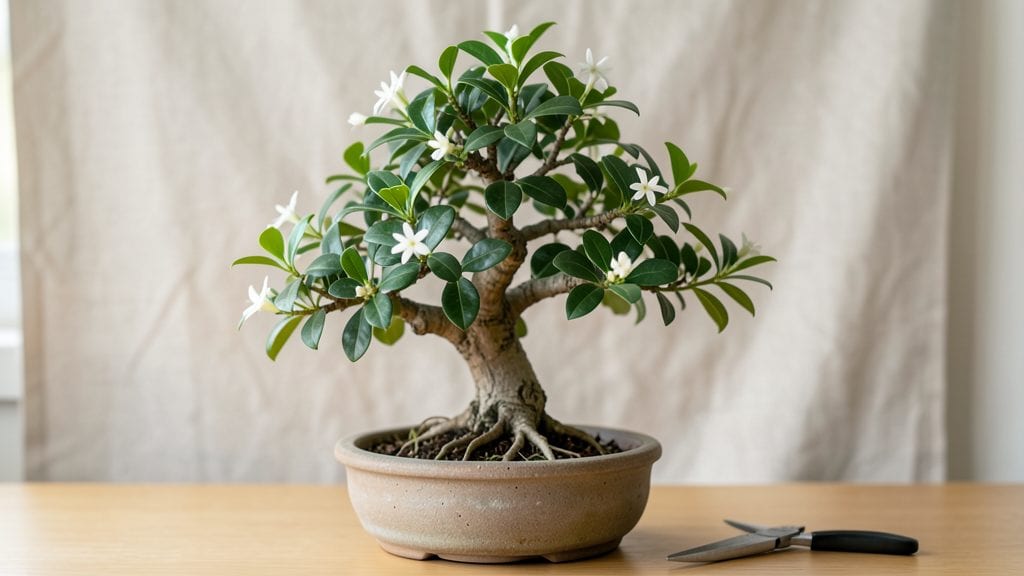
A flowering bonsai tree transforms your space with delicate blossoms year after year—but only if you prune it just right. I’ve spent years perfecting the technique that keeps my azalea bonsai blooming like clockwork, even in winter.
The key isn’t just trimming branches; it’s understanding when to cut back, how much to leave, and which buds hold the promise of next season’s flowers.
You’ll need sharp bonsai scissors, a well-draining soil mix, and patience—this isn’t a quick fix. My first attempt left my tree looking like a sad, overgrown shrub, but after learning the three-pruning seasons (spring for shape, summer for growth, winter for cleanup), the results were stunning.
Each cut shapes both the tree’s form and its future blooms.
By following these steps, you’ll end up with a tree that bursts into color at the right time, year after year. The first flush of blossoms in spring feels like a reward for all that careful work—soft pinks, whites, or purples depending on your species, all perfectly timed.
The secret? Pruning with the flowers in mind, not just the branches.
Works for azaleas, jasmine, cherry blossom, and other flowering varieties—just adjust timing to your climate. Let’s get started with the exact techniques that make the difference between a bonsai that blooms and one that just looks pretty.
📚 In This Guide
- What you need
- Instructions
- Tips and common mistakes
- Wrapping up and next steps
What you need
- ● Flowering bonsai tree (choose varieties like Azalea, Camellia, or Japanese Maple for reliable blooms)
- ● Bonsai pot (1–3 inches larger than the root base, with drainage holes)
- ● Well-draining bonsai soil mix (50% inorganic: akadama, pumice, lava rock; 50% organic: peat moss or compost)
- ● Pruning tools: Concave pruning shears (for larger branches, 3–5 inches)
- ● Bypass pruning shears (for precision cuts, 2–4 inches)
- ● Needle-nose pliers (for tiny branches or deadwood)
- ● Root hook or chopsticks (for gentle root pruning)
- ● Wire cutters (if using aluminum or copper wire for branch positioning)
- ● Disinfectant (70% isopropyl alcohol or hydrogen peroxide) (to sterilize tools between cuts)
- ● Bonsai wire (1–3mm gauge, aluminum or copper)
- ● Jiffy mats or seedling trays (for propagating cuttings)
- ● Slow-release fertilizer (balanced NPK, 10-10-10 or 8-3-9)
- ● Misting bottle (for humidity control post-pruning)
- ● Grafting tools (if you’re ambitious and want to graft blooming varieties!)
Step-by-Step pruning for year-round flowering bonsai
Here's how I keep my bonsai blooming continuously—timing and technique matter more than you'd think.
Identify and Preserve Flowering Branches
Examine your bonsai carefully and locate branches that already bear flowers or buds. These are your priority—never cut them back completely. I like to use a small magnifying glass to check for tiny buds hidden among the foliage, especially on juniper, ficus, or azalea varieties. Mark these branches with a soft paint marker if needed; this helps avoid accidental trimming later.
Flowering branches often have thicker stems than leafy growth. Watch for clusters of buds forming at the branch tips—these will become your next blooms. If your bonsai is already in bloom, wait until at least 50% of flowers have fallen naturally before pruning. This ensures the plant has energy stored for new growth.
Prune Non-Flowering Growth Strategically
Use sharp, clean bonsai shears to trim back only the new, non-flowering growth that appears after the initial bloom. Cut just above a leaf node where new buds form—this encourages branching. I aim to reduce these shoots by one-third to one-half of their length, never more. Over-pruning stresses the tree and reduces next year's flowers.
Focus on branches growing toward the center of the tree or those that disrupt the overall shape. Thin out crowded areas to improve airflow, which prevents fungal diseases that can kill buds. After trimming, wipe your shears with rubbing alcohol to avoid spreading sap-borne infections between cuts.
Shape the Canopy for Light Penetration
Step back and visualize how light will hit your bonsai after pruning. Remove any branches that block sunlight from reaching the interior—this is critical for encouraging new buds to form along the trunk and lower branches. I often start with the top layer, working my way down like trimming a haircut in sections.
For flowering species, aim to create an open, tiered structure. This allows light to penetrate to the lower branches where buds often form. Avoid cutting back more than 25% of the total foliage in one session—this maintains the plant's energy reserves for blooming. Use a small brush to gently sweep away fallen leaves and debris after pruning.
Fertilize and Adjust Watering Post-Pruning
After pruning, apply a balanced 10-10-10 fertilizer at half strength to support new growth. I wait 3-5 days before fertilizing to let any small cuts heal slightly. Water thoroughly until it drains from the bottom, then reduce watering slightly for the next 7-10 days. Pruned bonsai need less water initially because they've lost some foliage that transpires moisture.
Place your bonsai in a location with bright, indirect light for the first week after pruning. Direct sun can scorch new growth, and too much light too soon stresses the tree. Monitor the soil daily—it should feel slightly moist but not soggy to the touch. If you notice wilting, increase humidity with a pebble tray or misting.
Encourage Continuous Blooming with Seasonal Adjustments
To maintain year-round blooms, adjust your care based on the bonsai's natural cycle. For example, if your tree blooms in spring, provide cooler nights (55-60°F) for 4-6 weeks
Rotate your bonsai a quarter turn weekly so all branches receive even light exposure. This prevents one-sided growth and ensures buds form along the entire canopy. Keep a journal noting when you prune, fertilize, and when buds appear—this helps you refine your timing each year for more consistent blooms.
Tips & tricks for perfect flowering bonsai pruning
Timing and technique are everything when it comes to keeping your bonsai blooming year-round. Here's how to make the process even easier and more effective.
The 50% Rule: In Step 1, when you're waiting for at least 50% of flowers to fall naturally, this isn't just about timing—it's about energy conservation. The plant needs to store nutrients from those fallen blooms to fuel new growth. I've seen bonsai owners rush this step and end up with sparse blooms the next season. Trust me, patience here pays off with more abundant flowers.
Pruning Precision: When you're reducing non-flowering growth by one-third to one-half in Step 2, this isn't arbitrary—it's about finding the sweet spot between stimulation and stress. I recommend making your cuts just above a leaf node where new buds form. Use a small ruler to measure if needed; precision here means better branching and more potential bloom sites. Don't be afraid to make test cuts on smaller branches first to practice your angle.
Light Strategy: The 25% foliage limit in Step 3 is crucial for maintaining energy reserves. Think of your bonsai's canopy like a sunroof—you want enough surface area to capture light, but not so much that the plant gets overwhelmed trying to support it all. If you're unsure whether you've exceeded this limit, take before-and-after photos to track your progress. This visual record helps you refine your approach for next time.
Seasonal Timing: For the 4-6 weeks of cooler nights in Step 5, timing is everything. I've found that starting this treatment in late summer—around mid-August—gives spring-blooming varieties like azaleas the perfect cue to begin forming buds. Use a small thermometer near your bonsai to monitor nighttime temperatures, adjusting your indoor climate control as needed. This small investment in precision pays off with more reliable blooming cycles.
Pro Tips for Flowering Bonsai Tree
- Timing and technique are everything when it comes to keeping your bonsai blooming year-round.
- The 50% Rule: In Step 1, when you're waiting for at least 50% of flowers to fall naturally, this isn't just about timing—it's about energy conservation.
- Pruning Precision: When you're reducing non-flowering growth by one-third to one-half in Step 2, this isn't arbitrary—it's about finding the sweet spot between stimulation and stress.
Frequently asked questions
Got questions about keeping your flowering bonsai tree in full, year-round bloom? We’ve got answers!
Here are some of the most common queries—plus quick tips to keep your bonsai thriving.
How often should I prune a flowering bonsai tree to encourage blooms?
Prune after flowering (late spring/early summer) to shape the tree and promote new growth. Light trimming of spent blooms and leaves can be done year-round, but avoid heavy pruning during bloom season—this can stress the tree and reduce flowers. Aim for 2-3 major pruning sessions per year, with minor adjustments as needed.
Why isn’t my flowering bonsai tree blooming this year?
Lack of blooms often stems from over-pruning, poor light, or nutrient deficiencies. Ensure your tree gets 4-6 hours of direct sunlight daily and fertilize with a balanced bonsai fertilizer (high in phosphorus for flowers) during the growing season. If it’s been dormant too long, a light root trim can stimulate new growth.
Can I use regular pruning shears for a flowering bonsai, or do I need special tools?
While sharp bypass pruners work for most tasks, consider a concave cutter for thicker branches and bonsai scissors for precision. Dull tools crush stems, slowing healing—always keep blades clean and sharp! For delicate flowers, tweezers can help remove spent blooms without damaging new buds.
What’s the best way to revive a flowering bonsai that’s dropping leaves?
Leaf drop usually signals stress from overwatering, underwatering, or temperature shock. Check soil moisture—it should be slightly dry between waterings. Move the tree to a stable, indirect light spot (avoid drafts or direct sun) and reduce fertilizing until new growth appears. If roots look mushy, repot in fresh, well-draining soil.
Are there flowering bonsai alternatives if my climate is too harsh?
If your area has freezing winters, opt for cold-hardy varieties like Japanese Maple (Acer palmatum), Dwarf Flowering Cherry (Prunus), or Pine (Pinus) bonsai. For hot, dry climates, Jade (Crassula) or Olive (Olea) bonsai tolerate heat better. Always research your tree’s USDA hardiness zone before purchasing!
Wrapping up and next steps
Growing a flowering bonsai tree with year-round blooms is a rewarding journey that blends patience, precision, and passion! 🌸 By mastering the art of pruning—from selecting the right tools to timing your cuts and shaping with care—you’ve unlocked the secret to vibrant, long-lasting beauty.
Remember, every snip is a step toward harmony, and every bloom is a testament to your dedication.
Ready to take your bonsai to the next level? Start small—practice your pruning techniques on a single branch, then gradually expand. Watch your tree flourish, and don’t forget to share your progress with fellow bonsai enthusiasts! Happy pruning! 🌿✨