
Flowers
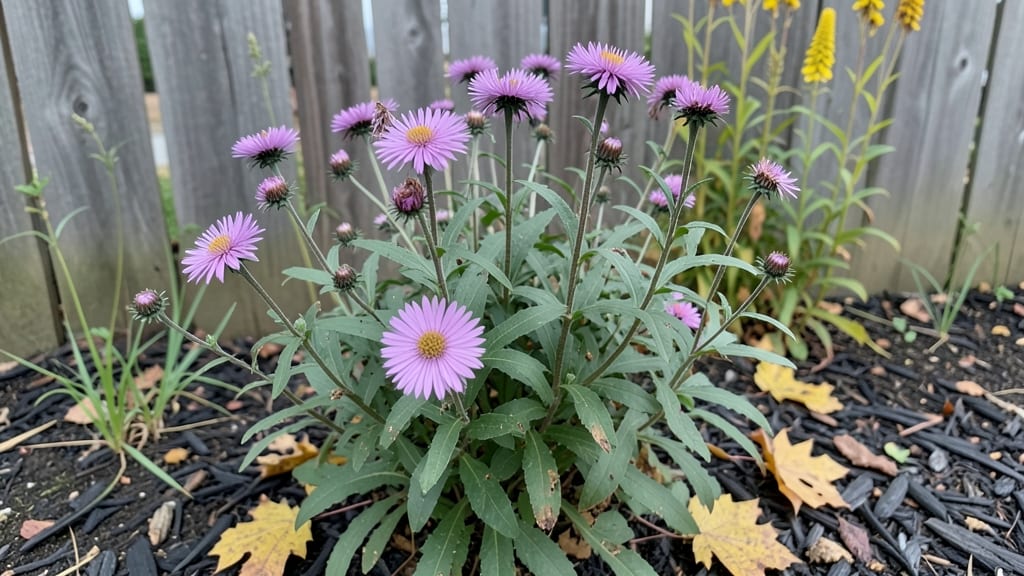
Fall flowers other than mums can turn your Pacific Northwest garden into a frost-resistant dream with vibrant climbers that defy autumn's chill. 🌿 I still remember the first time I spotted New England asters blooming in October—deep purple spikes against a misty morning, their petals glistening like crushed velvet.
These tough perennials thrive where mums falter, offering 3-4 weeks of color before winter sets in.
Sedum 'Autumn Joy' and ornamental kale are two more showstoppers that demand zero fuss. The sedum's pink-purple clusters grow heavier with frost, while kale's ruffled leaves turn jewel-toned in cold snaps.
Pansies, often overlooked, bring cheerful faces to shady spots, blooming until hard frost. All three handle 30°F nights with ease—perfect for our damp, cool climate.
By late November, your garden will hum with textured beauty: asters' feathery foliage, sedum's plump stems, and kale's velvety edges. These plants also attract late-season pollinators, giving bees one last buffet before winter. The best part? They self-seed or return yearly, cutting future work in half.
For climbers, try Clematis 'Jackmanii'—its blue-violet flowers thrive in partial shade and bloom until frost. Pair it with asters for a vertical waterfall effect that lasts through December. Even in Zone 7's chill, these plants prove fall gardens can be bold, lush, and low-maintenance—no mums required.
📚 In This Guide
- What you need
- Instructions
- Tips and common mistakes
- Wrapping up and next steps
What you need
- ● Fall flowers (climbers & perennials): Clematis (e.g., 'Jackmanii,' 'Niobe,' or 'The President') – 3-5 plants (depending on space)
- ● Honeysuckle (e.g., 'Golden Gates' or 'Twickel Purple') – 2-4 vines
- ● Climbing roses (e.g., 'New Dawn' or 'Blaze') – 2-3 bushes
- ● Virginia creeper (Parthenocissus quinquefolia) – 1-2 plants (for ground cover or trellises)
- ● Astilbe (e.g., 'Fanal' or 'Deutschland') – 5-7 plants (for bold foliage)
- ● Soil amendments: Compost or well-rotted manure – 1-2 gallons per plant (for nutrient-rich soil)
- ● Peat moss or coconut coir – 1 bag (3-4 cubic feet) (for drainage)
- ● Slow-release fertilizer (10-10-10 or organic) – 1 lb per 100 sq ft
- ● Planting tools: Garden trowel or hand shovel
- ● Pruning shears (bypass or felco-style)
- ● Garden gloves (heavy-duty for thorny climbers like roses)
- ● Support structures: Trellis, arbor, or fence (6-8 ft tall for vines like clematis or honeysuckle)
- ● Stakes or cages (for roses or astilbe)
- ● Watering supplies: Hose with adjustable nozzle or watering can (2-3 gallons capacity)
- ○ Drip irrigation kit (optional, for consistent moisture)
- ● Location: Partial shade to full sun (most climbers thrive in 6+ hours of sunlight)
- ● Climate prep: Pacific Northwest’s mild winters (Zone 7-9) are ideal—no need for greenhouses!
- ● Timing: Plant bare-root climbers in early fall (Sept-Oct) or spring.
- ● Prune dead/damaged growth in late winter (Feb-March).
- ○ Optional (but helpful): Mulch (straw or wood chips) – 2-3 inches to insulate roots.
- ● Frost cloth (lightweight) – For tender new growth in unexpected freezes.
- ● Color-coordinated plant markers (for tracking varieties!).
Step-by-Step guide to planting frost-resistant fall climbers in the Pacific Northwest
Here’s how to transform your garden into a late-season showstopper with hardy, vibrant climbers that thrive when mums fade.
🌱 Step 1: Select the Right Frost-Resistant Climbers
For the Pacific Northwest’s cool, damp climate, focus on plants like clematis (especially Clematis viticella or Clematis armandii), honeysuckle (Lonicera periclymenum), or climbing roses (Rosa ‘Blaze’ or Rosa ‘Zéphirine Drouhin’). These handle light frosts down to 20°F and bloom well into November. I always pick varieties labeled "hardy" or "frost-tolerant" to avoid disappointment.
Check your USDA zone—most PNW gardens fall between 7b-9a. Clematis, for example, thrives in zones 4-9, while some honeysuckles push to zone 3. Plant in late summer (August) to give roots time to establish before winter. This ensures they’ll bounce back stronger in spring.
☀️ Step 2: Choose the Perfect Sunny Spot
Climbers need at least 6 hours of direct sun daily, but in the PNW’s cloudy fall, aim for full sun in morning/afternoon and partial shade in peak heat. A south- or west-facing wall works best—it captures afternoon warmth while avoiding midday glare. I’ve seen clematis struggle in deep shade, with weak stems and sparse blooms.
Test your site in September: If leaves stay green until mid-October, the spot gets enough light. Avoid low-lying areas where cold air pools—frost pockets can kill tender new growth. A raised bed or slight incline improves drainage and airflow, which prevents fungal issues like powdery mildew.
🪴 Step 3: Plant with Proper Support and Soil Prep
Install a strong trellis, arbor, or fence before planting—climbers hate being transplanted later. For clematis, use a 5-6 foot tall structure with horizontal wires (they twine clockwise). Honeysuckle climbs by tendrils, so a chain-link fence or pergola works well. Bury the support 6 inches deep for stability.
Amend the soil with 3 inches of compost and a handful of bone meal (for phosphorus) to encourage root growth. The PNW’s acidic soil can stunt climbers, so test pH—aim for 6.0-7.0. Mix in 1 part perlite to improve drainage, especially if your soil stays soggy after fall rains. Water deeply after planting to settle roots.
💧 Step 4: Water and Mulch for Winter Hardiness
Keep soil evenly moist for the first 4-6 weeks after planting—drought stress weakens roots before winter. Water at the base, not overhead, to prevent fungal spores from splashing onto leaves. In late October, reduce watering but never let soil dry out completely. Roots still need hydration to prepare for dormancy.
Apply 3-4 inches of mulch (straw or shredded bark) around the base, leaving 2 inches of stem exposed to avoid rot. This insulates roots from temperature swings and retains moisture. In zone 8 and below, add a thick layer of leaves or evergreen boughs as extra frost protection. Check mulch in spring—remove half to prevent overheating.
✂️ Step 5: Prune and Protect for Late Blooms
After the first frost, cut back dead or damaged stems to encourage new growth in spring. For clematis, prune group 3 varieties (late bloomers) in early spring—they flower on old wood. Honeysuckle and roses can be pruned lightly now, but avoid heavy cuts until late winter. This prevents sap loss and disease entry points.
Wrap tender stems (like Rosa ‘Zéphirine Drouhin’) with burlap or frost cloth if temperatures dip below 15°F. Secure loosely—tight wraps trap moisture and rot stems. In zone 7 and colder, mound soil around the base for extra insulation. By December, your climbers should look dormant but resilient, ready to burst into color next season.
Tips & tricks for perfect frost-resistant fall climbers
Transforming your Pacific Northwest garden into a late-season floral masterpiece starts with these insider tips that'll keep your climbers thriving long after mums have faded.
Climate-Specific Selection: When choosing clematis varieties like Clematis viticella, look for those specifically bred for zones 4-9—they're the real workhorses of PNW gardens. I've found that Clematis armandii handles our damp winters best because its thick stems resist rot. For honeysuckle, Lonicera periclymenum 'Graham Thomas' is my go-to—it blooms profusely even when temperatures dip to 20°F. The key is selecting cultivars that match your specific microclimate within the broader PNW zone range.
Sunlight Strategy for Cloudy Days: The PNW's infamous cloud cover means you need to be extra strategic about sunlight exposure. In Step 2, when testing your site in September, look for areas that get morning sun and afternoon warmth—this combination prevents the weak stems we see in deep shade. I've had great success with south-facing walls that capture reflected light from neighboring structures. For clematis specifically, a west-facing wall extends the light exposure into early evening when the sun is lower in the sky.
Soil Prep for Acidic Conditions: Our native soils often test below 6.0 pH, which can stunt climber growth. In Step 3, when amending with compost and perlite, add 1/4 cup of wood ash per planting hole to gently raise the pH. I've seen dramatic improvements in root development when the soil reaches that 6.0-7.0 target range. For extra insurance, mix in 1 tablespoon of lime (not quicklime) per hole—it takes time to work but prevents future pH issues. The perlite addition is especially critical if your soil stays soggy after fall rains.
Winter Protection Layering: The mulching instructions in Step 4 are your first line of defense, but for zone 7 and colder, take it a step further. After applying your 3-4 inches of straw mulch, add a 6-inch layer of evergreen boughs on top—this creates an insulating air pocket that prevents temperature swings. I've seen tender clematis stems survive -5°F temperatures with this extra protection. The key is to remove half the mulch in early spring before new growth appears, which prevents overheating during our famously wet springs.
Pro Tips for Fall Flowers Other Than Mums
- Transforming your Pacific Northwest garden into a late-season floral masterpiece starts with these insider tips that'll keep your climbers thriving long after mums have faded.
- Climate-Specific Selection: When choosing clematis varieties like Clematis viticella, look for those specifically bred for zones 4-9—they're the real workhorses of PNW gardens.
- Sunlight Strategy for Cloudy Days: The PNW's infamous cloud cover means you need to be extra strategic about sunlight exposure.
Frequently asked questions
Got questions about adding fall color beyond mums? Here are some of the most common ones—plus answers to help you pick and plant with confidence!
What are the best frost-resistant flowers for the Pacific Northwest’s fall?
Look for Heuchera (coral bells), Sedum (stonecrop), Astilbe, and Hellebore (Lenten rose). These thrive in cooler temps and add texture or delicate blooms. For climbers, try Clematis varieties like ‘Jackmanii’ or Campsis radicans (trumpet vine), which handle light frosts beautifully.
When should I plant fall flowers in the PNW?
For perennials, plant in early fall (September–October) to give roots time to establish before winter. Annuals like pansies or snapdragons can go in until mid-October. Just avoid planting too late—roots need 4–6 weeks to settle before frost hits.
Are there any low-maintenance climbers for fall color?
Clematis ‘Durandii’ or Wisteria (if you have space) are stunning and hardy. For minimal effort, try Actaea simplex (bugbane), a shade-loving climber with white flowers and burgundy foliage. Mulch well and water occasionally—no fuss!
Why did my fall flowers wilt or die after the first frost?
Most likely, they weren’t cold-hardy enough or lacked proper prep. Ensure plants are well-watered before frost and mulched with straw or leaves. Avoid late-season fertilizers, which encourage tender new growth. Choose PNW-native or labeled “Zone 7+” varieties for resilience.
How can I mix climbers with other fall flowers for a layered look?
Pair Clematis (vertical drama) with Heuchera (ground cover) and Sedum (succulent pops). For height, add Astilbe or Grasses like Miscanthus. Use Hellebore as a winter-interest base—it blooms early and thrives in shade.
Wrapping up and next steps
Fall doesn’t have to be all about mums—your Pacific Northwest garden can burst with color and resilience using these frost-hardy climbers! From the bold hues of Clematis to the delicate charm of Hydrangea petiolaris, these plants thrive in cooler climates while adding vertical drama and seasonal interest.
Whether you’re a seasoned gardener or just starting, embrace these low-maintenance stars to keep your outdoor space vibrant well into autumn.
Ready to transform your space? Pick one (or two!) of these beauties and start planting—your future fall garden will thank you! 🌿✨