
Flowers
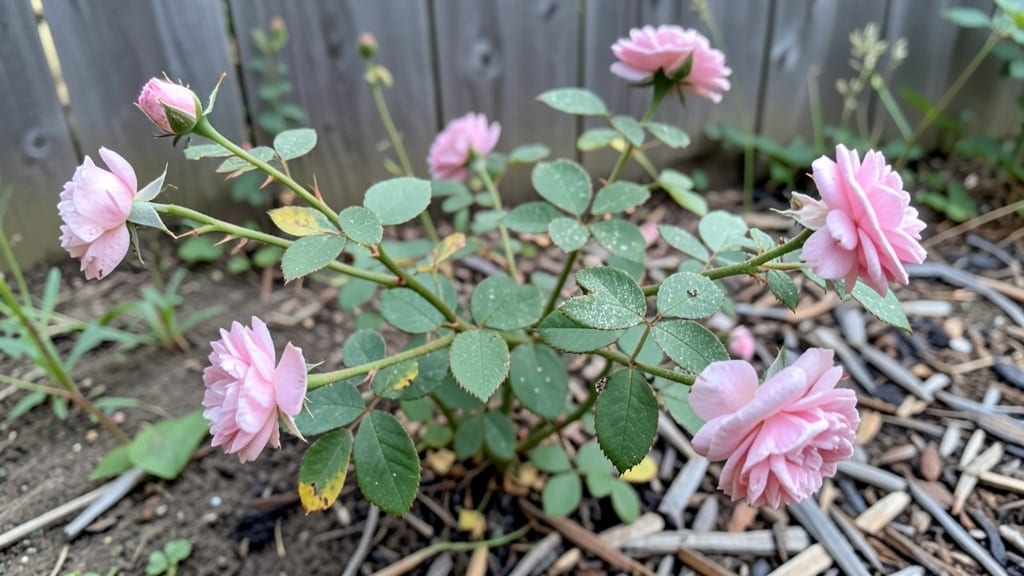
This double flower moss rose thrives where others wilt—thanks to its love for Pacific Northwest humidity. 🌿 I’ve grown them in my damp Seattle garden for years, and their velvety petals and lush mossy stems make them the star of any shady border.
The secret lies in mimicking their natural habitat: rich, moist soil and dappled shade that keeps them happy without the fuss of constant care.
You’ll need well-draining soil mixed with compost, a spot with morning sun and afternoon shade, and patience—these roses reward slow growth with stunning double blooms from early summer through fall. The mossy stems aren’t just pretty; they signal a healthy plant that’s ready to thrive in your garden’s damp corners.
Prune lightly after blooming to encourage next year’s growth, and watch as they fill your space with fragrance and texture.
What sets these roses apart is their ability to handle humidity without mildew, making them perfect for rainy climates. With the right care, you’ll end up with vibrant, disease-resistant plants that attract pollinators and add year-round interest.
The double blooms are their signature, but the real magic is in how effortlessly they adapt to your garden’s unique conditions.
Ready to grow yours? Start with a well-prepared site, keep the soil consistently moist, and resist the urge to over-prune. These roses are forgiving, and with a little attention, they’ll become the showstopper of your garden—just like mine.
The key is trusting the process; they grow best when left alone to do their thing.
📚 In This Guide
- What you need
- Instructions
- Tips and common mistakes
- Wrapping up and next steps
What you need
- ● Double Flower Moss Rose Plants: 3–5 bare-root or potted plants (choose disease-resistant varieties like ‘Bonica’ or ‘Knock Out’ for PNW resilience).
- ● Well-Draining Soil: 1–2 cubic yards of a mix of 60% topsoil, 30% compost, and 10% perlite/pumice (PNW’s acidic soil? Amend with peat moss or pine bark!).
- ● Organic Mulch: 2–3 inches of cedar chips or pine bark (retains moisture and mimics forest-floor conditions).
- ● Fertilizer: Slow-release 10-10-10 granular fertilizer (1 lb per plant) or fish emulsion (for organic gardens).
- ● Watering System: Drip irrigation or a soaker hose (moss roses thrive on consistent moisture—no soggy roots!).
- ● Pruning shears (sterilized with rubbing alcohol to prevent disease).
- ● Garden trowel & spade (for digging holes twice as wide as the root ball).
- ● Gloves (heavy-duty for thorns + moisture protection).
- ○ Optional but handy: A humidity dome (for seedlings) or shade cloth (if planting in hot microclimates).
- ● A partially shaded spot (3–6 hours of dappled sunlight; moss roses hate scorching afternoon sun!).
- ● Proximity to a water source (they’re drought-tolerant once established but desperately need moisture while rooting).
- ● Patience! These beauties take 2–3 years to reach peak blooming glory—but oh, are they worth it? 🌸
Step-by-step guide to planting and caring for double flower moss roses
These lush, humidity-loving beauties thrive in Pacific Northwest climates—here’s how to get them established strong and blooming.
🌱 Step 1: Choose the Right Location and Soil
Double flower moss roses love partial shade to dappled sunlight—think 4-6 hours of morning sun with afternoon shade protection. In the PNW’s humid climate, they’ll reward you with dense foliage and continuous blooms if you plant them where they’re sheltered from harsh afternoon rays. I always pick a spot near the foundation or under a large tree that lets light filter through.
Amend your native soil with 3-4 inches of compost to improve drainage while retaining moisture. Moss roses hate soggy roots, so if your soil stays wet for more than a day after rain, raise the planting area with a 6-inch mound of amended soil. The goal is well-draining yet moisture-retentive soil that mimics their natural woodland habitat.
🪴 Step 2: Plant at the Correct Depth and Spacing
Dig a hole twice as wide as the root ball but only as deep as the container it came in. The graft union (that little bump near the base) should sit 1-2 inches above soil level—this prevents rot in our damp climate. Gently loosen the roots if they’re circling, then place the rose in the hole and backfill with native soil mixed with compost.
Space your roses 3-4 feet apart—this gives them room to develop their signature lush, mossy foliage without competing for nutrients. I like to plant mine in small groups of three or four for a natural, cascading effect. Water deeply right after planting to settle the soil and eliminate air pockets around the roots.
☀️ Step 3: Provide Consistent Moisture and Mulch
Double flower moss roses thrive in consistently moist but never soggy soil. Water deeply 2-3 times per week during the first growing season, then once a week once established. You’ll know they’re getting enough water when the top 2 inches of soil feel damp but not wet. In our humid climate, overhead watering can encourage fungal issues, so I use a soaker hose placed at the base.
Apply 3 inches of organic mulch (like wood chips or shredded bark) around the base, keeping it 2 inches away from the stem. This helps retain moisture, suppresses weeds, and mimics their natural woodland environment. Refresh the mulch annually in early spring—just don’t let it pile up against the stem, or it’ll trap too much moisture.
✂️ Step 4: Prune for Health and Blooms
Prune your moss roses twice a year: once in early spring (just as new growth begins) and again in late summer (after the main blooming season). In spring, cut back one-third of the oldest canes to encourage new growth and improve air circulation. Remove any dead, diseased, or crossing branches—this keeps the plant strong and prevents fungal issues common in our damp climate.
In late summer, trim back lightly to shape the plant and remove spent blooms. Double flower moss roses bloom continuously, so deadheading encourages more flowers. I also look for suckers (those little shoots at the base) and remove them—they drain energy from the main plant. Always use clean, sharp pruners and sterilize them with rubbing alcohol between cuts to prevent spreading disease.
🌿 Step 5: Fertilize for Lush Growth and Blooms
Feed your moss roses once in early spring with a balanced, slow-release fertilizer (like 10-10-10) mixed into the soil around the base. In our humid climate, too much fertilizer can lead to excessive foliage at the expense of blooms, so I stick to half the recommended dose for a more controlled, bushy growth. Water deeply after fertilizing to help it soak into the soil.
Throughout the growing season, I top-dress with a thin layer of compost in early summer and again in late summer. This gives them a steady supply of nutrients without the risk of over-fertilizing. Avoid high-nitrogen fertilizers—they’ll give you lots of leaves but fewer flowers, and that’s the last thing you want with these stunning bloomers.
Tips & tricks for perfect double flower moss roses
Here's what I've learned from years of growing these stunning PNW beauties—these tricks make all the difference for thriving moss roses.
Location is Everything: When selecting your spot, pay close attention to that 4-6 hours of morning sun guideline. I've found the perfect balance is near a north or east-facing wall where they get gentle morning sunlight but are shielded from the hot afternoon sun. This mimics their natural woodland habitat and prevents leaf scorch. In particularly hot summers, a sheer curtain can provide that extra afternoon shade without blocking all light.
Soil Prep Secret: The 3-4 inches of compost isn't just about nutrients—it's about creating the perfect moisture balance. I always mix in a handful of perlite or coarse sand to prevent compaction, especially in our heavy PNW soils. For the 6-inch mound in wet areas, I use a mix of native soil, compost, and some gravel at the bottom to ensure proper drainage while still holding moisture. Think of it as creating a little microclimate for your roses.
Watering Wisdom: That 2-3 times per week watering schedule during the first year might seem frequent, but it's crucial for establishing strong roots. I've found the best time to water is early morning when evaporation is lowest. For the once-a-week maintenance after establishment, I check moisture by pushing my finger 2 inches into the soil—if it feels dry, that's when to water. The key is consistency; moss roses hate having their roots dry out completely between waterings.
Pruning Pro Tip: When you're removing those suckers in late summer, don't just pull them—they'll regrow. Instead, cut them off at the base with clean pruners. I also like to prune just above a leaf node at a 45-degree angle to encourage better healing. For the one-third of oldest canes in spring, I always remove the largest, thickest canes first—they're often the most woody and least productive. This opens up the center for better air circulation and more sunlight to reach the inner growth.
Pro Tips for Double Flower Moss Rose
- Here's what I've learned from years of growing these stunning PNW beauties—these tricks make all the difference for thriving moss roses.
- Location is Everything: When selecting your spot, pay close attention to that 4-6 hours of morning sun guideline.
- Soil Prep Secret: The 3-4 inches of compost isn't just about nutrients—it's about creating the perfect moisture balance.
Frequently asked questions
Got questions about growing and caring for double flower moss roses? You’re not alone! These stunning, humidity-loving perennials are a favorite in the Pacific Northwest, but they do have unique needs. Below, we’ve answered the most common questions to help you cultivate a thriving moss rose garden.
How do I encourage double blooms on my moss rose?
Double flower moss roses naturally produce lush, layered blooms, but you can maximize their potential with a few tricks. Prune lightly after the first flush of flowers to redirect energy to new growth. Avoid heavy fertilizing with high nitrogen—opt for a balanced 10-10-10 or phosphorus-rich formula instead. Deadheading spent blooms also encourages repeat flowering. Pro tip: These plants love humidity, so misting leaves on hot days can boost bloom production!
When is the best time to plant double flower moss roses?
The ideal time to plant is in early spring (after the last frost) or early fall, when temperatures are mild. Moss roses are tender perennials in cooler climates (USDA Zones 7-10), so avoid planting in late fall—young plants may not survive winter frost. If you’re in a colder zone, wait until spring or start them indoors 6-8 weeks before the last frost date. Bonus: Planting in partial shade with well-draining soil gives them the best start!
How do I protect my moss rose from too much rain or humidity?
While double flower moss roses love humidity, excessive rain or poor drainage can lead to root rot or fungal issues. Ensure your planting site has well-draining soil—amend heavy clay with compost or sand. Elevate pots slightly if growing in containers, and avoid overhead watering. If your garden gets consistent downpours, consider a partial shade location to reduce leaf wetness. Fungicides (like neem oil) can also be a preventive measure during wet seasons.
Can I grow double flower moss roses in containers?
These trailing beauties thrive in 10-15 gallon containers with drainage holes. Use a mix of potting soil and perlite to prevent compaction. Choose a pot with a trellis or support structure—moss roses can trail up to 6-10 feet! Place containers where they’ll get morning sun and afternoon shade (ideal for PNW climates). Water regularly, keeping soil evenly moist but not soggy. Container tip: Fertilize lightly every 4-6 weeks during growing season for best results.
What pests should I watch for with double flower moss roses?
These lush plants can attract aphids, spider mites, and scale insects, especially in humid conditions. Check the undersides of leaves regularly for sticky residue or tiny webs. Treat infestations early with insecticidal soap or neem oil. For severe cases, a horticultural oil spray works well. Prevention tip: Encourage beneficial insects like ladybugs by planting companion flowers (e.g., marigolds or alyssum) nearby. Keep your moss rose healthy with proper watering and airflow to deter pests naturally.
Wrapping up and next steps
The double flower moss rose is a stunning, low-maintenance gem that thrives in the Pacific Northwest’s lush, humid climate—perfect for gardeners who love resilient yet show-stopping blooms! 🌿 Whether you’re a seasoned green thumb or just starting, this perennial delivers year after year with its velvety petals and easy-care charm.
Ready to transform your garden? Start by selecting the perfect spot, gather your supplies, and dive into planting—your future moss rose will thank you with vibrant, long-lasting beauty!