
Flowers
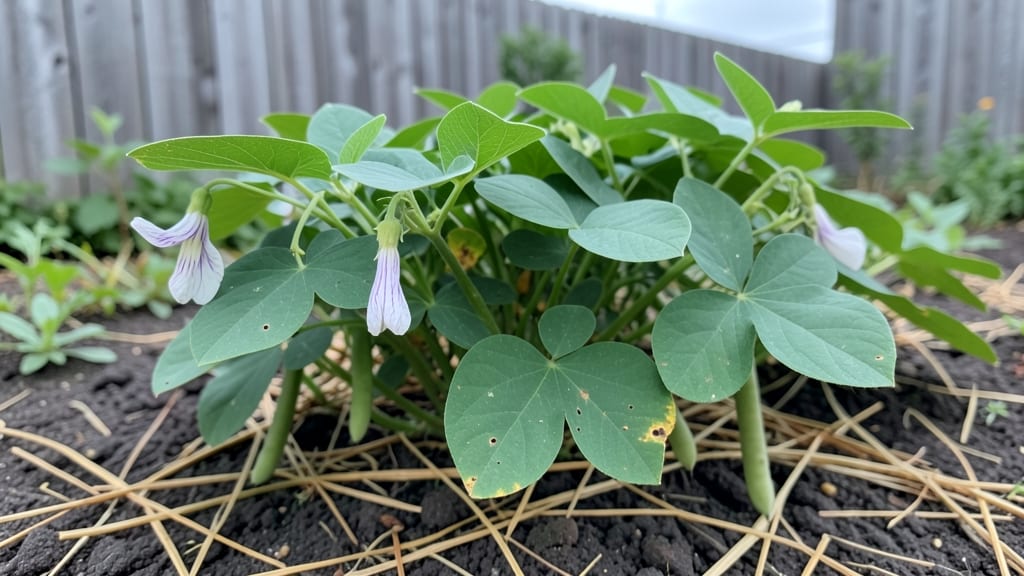
Mung bean flowers are the Pacific Northwest's secret weapon for lush, fragrant vines that thrive where others struggle. 🌿 I've grown them through three damp summers here, and their delicate white blooms transform any fence or trellis into a living watercolor.
The key? Mimicking their natural tropical habitat—think moist soil, dappled shade, and humidity that keeps their leaves glossy.
These vines aren't fussy, but they do demand consistent moisture and well-draining soil mixed with compost. A 5-gallon pot works for containers, while in-ground plants need 6-8 feet of climbing space.
Morning sun and afternoon shade prevent leaf scorch, and a light mulch keeps roots cool. The first flowers appear in 8-10 weeks, signaling it's time to watch for pollinators.
What makes them special? The fragrant blooms last just a day but produce edible pods within weeks—harvesting them early keeps the plant flowering. Let a few pods mature for seeds, and you'll have next year's plants ready to go.
The vines also attract bees, turning your garden into a pollinator paradise.
Perfect for small spaces, trellises, or even hanging baskets. Just remember: more water = more flowers, and pruning spent blooms encourages continuous growth. Let's get those vines climbing!
📚 In This Guide
- What you need
- Instructions
- Tips and common mistakes
- Wrapping up and next steps
What you need
- ● Mung bean seeds: 5–10 organic, non-GMO seeds (ensure they’re labeled for edible varieties if dual-purpose use is desired).
- ● Potting mix: 1–2 cubic feet of well-draining, peat-based or coconut coir mix (amend with perlite or vermiculite for aeration).
- ● Containers or garden bed: Option 1: 5–7 gallon pots with drainage holes (for patios or balconies).
- ● Option 2: A raised bed or in-ground plot (6+ inches deep, with loose soil).
- ● Support structure: A trellis, arbor, or sturdy fence (at least 6–8 feet tall for climbing).
- ● Watering can or hose: With a gentle spray nozzle for consistent moisture.
- ● Fertilizer: Balanced organic fertilizer (10-10-10 or compost tea) for initial planting and monthly feedings.
- ● Hand trowel or small shovel – For planting and soil prep.
- ● Pruning shears – To trim leggy vines or encourage bushier growth.
- ● Mulch (straw or wood chips) – To retain soil moisture and suppress weeds.
- ● Shade cloth (30–50%) – For seedlings if direct sun is intense (though mung beans tolerate partial shade).
- ● Humidity tray or pebble tray – To boost moisture levels in dry indoor setups.
- ○ Soil pH test kit – Optional but helpful; mung beans prefer slightly acidic to neutral soil (pH 6.0–7.0).
Step-by-Step instructions for cultivating mung bean flowers in humid climates
Turn your Pacific Northwest garden into a fragrant haven with these proven steps for thriving mung bean vines.
🌱 Step 1: Select and Prepare the Planting Site
Mung bean flowers thrive in partial shade to dappled sunlight, making them perfect for woodland gardens or understory plantings. Choose a spot with 6-8 hours of filtered light daily—direct afternoon sun can scorch tender foliage in humid conditions. The soil should drain well but retain moisture, so amend heavy clay with 2-3 inches of organic compost to improve aeration.
Test your soil's moisture retention by squeezing a handful—it should hold together but not feel soggy. If your garden soil drains too quickly, mix in 1 part peat moss to 3 parts native soil to create a moisture-retaining medium. Avoid low-lying areas where water pools, as mung bean roots are sensitive to prolonged saturation.
🪴 Step 2: Plant Seeds or Transplants at the Right Time
Sow seeds directly in late spring after the last frost when soil temperatures reach 60°F or warmer. Plant seeds ½ inch deep and 4 inches apart, spacing rows 18-24 inches apart to allow for vigorous vine growth. If using transplants, choose established plants with 3-4 true leaves and bury them to the same depth they grew in their nursery pots.
Water immediately after planting to settle the soil around roots, then maintain consistent moisture—never let the soil dry out completely. Mulch with 2-3 inches of shredded bark to retain humidity and suppress weeds, which compete for nutrients in the vine's early stages. This mulch layer also mimics the forest floor conditions these plants prefer.
☀️ Step 3: Provide Support and Prune for Optimal Growth
Install 5-6 foot tall trellises or obelisks before planting to give vines structural support. Train young shoots upward as they emerge, gently weaving them through the trellis framework. Mung bean flowers climb using tendrils, so avoid tying them—let the plant naturally attach to the support structure for the strongest growth.
Prune leggy stems in early summer to encourage bushier, more productive vines. Cut back one-third of the longest stems just above a leaf node to stimulate lateral branching. Remove any yellowed or diseased leaves immediately to prevent fungal spread in the humid climate. This pruning also improves airflow, reducing the risk of powdery mildew.
💧 Step 4: Maintain Humidity and Fertility Through the Season
Mist vines daily during hot afternoons to maintain the 70-80% humidity they thrive in. Use a fine spray nozzle to replicate natural dew, focusing on the foliage rather than the soil. In drier periods, consider installing a drip irrigation system set to run early morning and late evening to avoid fungal issues from wet leaves overnight.
Feed plants with a balanced organic fertilizer (10-10-10) every 4-6 weeks starting in early summer. Mix 1 tablespoon per plant into the soil around the base, then water thoroughly to distribute nutrients. Avoid high-nitrogen fertilizers, which promote leafy growth at the expense of flowers. The goal is to encourage abundant blooming rather than excessive foliage.
✂️ Step 5: Harvest and Prepare for Winter Dormancy
Begin harvesting flowers in mid-summer when buds first appear. Cut stems just above the third leaf node to encourage continuous blooming. Use clean, sharp scissors to avoid damaging the vine. Harvest in the early morning when dew is present for the best fragrance and longest vase life.
As temperatures drop below 50°F in fall, reduce watering gradually and stop fertilizing. Cut back vines to 6 inches tall before the first hard frost, leaving only the strongest stems. Mulch heavily with 4-6 inches of straw to insulate roots through winter. In USDA zones 8-9, mung bean flowers are perennial and will regrow from the same roots each spring with proper winter care.
Tips & tricks for perfect mung bean flower cultivation
These game-changing insights will help you transform your Pacific Northwest garden into a fragrant paradise with thriving mung bean flowers.
Site Selection Insight: The 6-8 hours of filtered light mentioned in Step 1 is crucial—think of it as the plant's "goldilocks zone." Too much direct sun causes leaf scorch, while too little shade results in sparse blooms. I've found placing vines near deciduous trees works perfectly—they get morning sun and afternoon shade automatically.
Planting Precision: When planting seeds or transplants in Step 2, focus on creating a microclimate that mimics their natural tropical forest habitat. The ½-inch depth and 4-inch spacing might seem tight, but it encourages vigorous root competition that leads to stronger plants. I always pre-soak seeds overnight before planting to jumpstart germination in our cooler Pacific Northwest springs.
Pruning Strategy: The early summer pruning in Step 3 is where you shape your plant's future growth. When cutting back one-third of the longest stems, always make clean cuts just above a leaf node—this is where new growth will emerge. I recommend doing this on a dry morning when the foliage is less susceptible to fungal infections from humid air.
Humidity Hack: Maintaining 70-80% humidity in Step 4 can be challenging in our dry summer months. I've had great success using a simple DIY approach: place a shallow tray filled with pebbles and water beneath the trellis. As the water evaporates, it creates a natural humid microclimate around the plants. This works especially well for container-grown vines.
Pro Tips for Mung Bean Flower
- These game-changing insights will help you transform your Pacific Northwest garden into a fragrant paradise with thriving mung bean flowers.
- Site Selection Insight: The 6-8 hours of filtered light mentioned in Step 1 is crucial—think of it as the plant's "goldilocks zone."
- Planting Precision: When planting seeds or transplants in Step 2, focus on creating a microclimate that mimics their natural tropical forest habitat.
Frequently asked questions
Got questions about growing mung bean flowers in the Pacific Northwest?
Here are some of the most common concerns—and their answers—to help you cultivate this humidity-loving vine with confidence!
How long does it take for mung bean flowers to bloom?
Mung bean flowers typically bloom 60–90 days after planting, depending on your PNW climate and growing conditions. In warmer, humid summers (like those in Western Washington or Oregon), expect faster blooming. If temperatures dip below 60°F (15°C), growth may slow—consider starting seeds indoors in late spring for a head start!
Do mung bean flowers need extra humidity?
Yes! These vines thrive in humidity—ideal for the PNW’s damp climate. If your area is unusually dry, mist leaves daily or place a tray of water near the plant. Mulching with straw or coconut coir also helps retain moisture. Pro tip: Group plants together to create a microclimate that boosts humidity naturally!
Can I grow mung bean flowers in containers?
Use a 5-gallon+ pot with drainage holes and a lightweight, well-draining mix (like 50% potting soil + 50% perlite). Train the vine with a trellis or stakes, and rotate the container weekly for even sunlight. Just ensure the pot stays consistently moist—container soil dries out faster than garden beds.
Are mung bean flowers prone to pests?
Watch for aphids, spider mites, and whiteflies, especially in humid conditions. Neem oil or insecticidal soap works well for mild infestations. For severe issues, introduce ladybugs or lacewings (natural predators). Preventively: Prune yellowing leaves to improve airflow and reduce pest hiding spots!
What can I do with mung bean flowers after they fade?
Don’t toss them! Deadhead spent blooms to encourage more flowers, but leave some seed pods to dry for harvesting. The seeds are edible (used in mung bean sprouts) and can be saved for next year’s garden. For a winter display, dry the pods in bundles—they make rustic, textured decorations!
Wrapping up and next steps
Growing mung bean flowers in the Pacific Northwest’s lush, humid climate isn’t just possible—it’s a rewarding adventure! 🌱 With the right soil, sunlight, and care, you’ll soon be greeted by fragrant, butterfly-friendly blooms that add charm to any garden.
Whether you’re a seasoned gardener or a curious beginner, this vibrant vine offers beauty and practicality.
Ready to take the next step? Start by planting your seeds this spring and watch your garden transform. Share your progress with fellow plant lovers—your mung bean flower journey might inspire others to grow something extraordinary too! 🌸