
Flowers
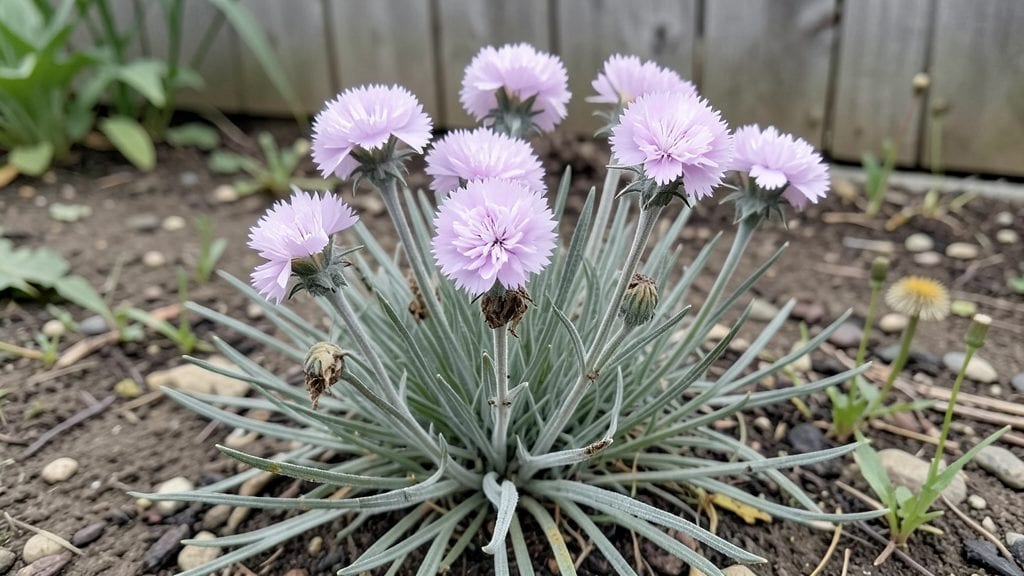
Growing white sweet william flowers in your Pacific Northwest garden is like inviting a cheerful, frost-resistant pollinator to your yard. 🌿 These delicate blooms thrive in our cool, damp climate, and their sweet fragrance will have you reaching for them every time you pass by.
The key lies in their love for well-draining soil and consistent moisture—something our region delivers naturally.
You’ll need a sunny spot with at least six hours of light daily, though they tolerate partial shade. Plant seeds in early spring or late summer, spacing them about 6 inches apart for those classic cottage-garden clusters.
Once established, they’re low-maintenance, needing only occasional watering and deadheading to keep blooms coming.
By midsummer, you’ll be rewarded with clusters of snow-white flowers that hummingbirds and bees adore. The plants stay compact, making them perfect for borders, containers, or even cutting gardens. Their ability to bounce back from frost means you’ll enjoy their beauty well into fall.
For best results, choose a site with good air circulation to prevent mildew, and mulch lightly to retain moisture. With these simple steps, your white sweet william will become the star of your garden—year after year.
📚 In This Guide
- What you need
- Instructions
- Tips and common mistakes
- Wrapping up and next steps
What you need
- ● White sweet william seeds or seedlings: Choose high-quality, organic seeds or disease-resistant seedlings (about 10–20 plants for a small garden bed).
- ● Well-draining potting mix or garden soil: A blend of compost, peat moss, and perlite (or 50% garden soil + 50% compost for in-ground planting).
- ● Containers or garden bed: For containers: 6–8" deep pots with drainage holes (1 plant per container).
- ● For in-ground: A sunny spot with at least 6 hours of sunlight and loose, fertile soil.
- ○ Slow-release fertilizer (optional but recommended): A balanced 10-10-10 or organic fertilizer like fish emulsion or compost tea.
- ● Mulch: Straw or shredded bark to retain moisture and suppress weeds.
- ● Hand trowel or small shovel for transplanting.
- ● Watering can or hose with a gentle spray nozzle (avoid overhead watering to prevent fungal issues).
- ● Pruning shears for deadheading and shaping.
- ○ Garden gloves (optional but handy for handling soil and plants).
- ○ Cold frame or row covers (optional, for early spring starts in chilly PNW climates).
Step-by-step instructions for growing white sweet william flowers
Here's how to cultivate these charming, frost-resistant blooms that thrive in the Pacific Northwest's cooler climate.
🌱 Step 1: Choose the Right Location and Prepare the Soil
Sweet Williams love full sun to partial shade, but in the Pacific Northwest, they'll tolerate morning sun with afternoon shade if your summers get hot. Pick a spot with at least 4-6 hours of direct sunlight—they'll reward you with more blooms if they get plenty of light. Avoid low-lying areas where cold air settles, as these plants handle frost well but prefer good air circulation.
Before planting, loosen the soil to a depth of 12 inches to encourage root growth. Sweet Williams grow best in well-draining, slightly acidic soil with a pH between 6.0 and 7.0. Amend heavy clay soil with compost or a 2-3 inch layer of organic matter to improve drainage and fertility. I like to work in a handful of bone meal at planting time—it gives the roots a slow-release boost of phosphorus for strong root development.
🌿 Step 2: Plant Seeds or Transplants at the Right Time
For the Pacific Northwest's climate, start seeds indoors 8-10 weeks before your last frost date or sow directly outdoors in early spring as soon as the soil can be worked. Sweet Williams handle cool temperatures well, so you can even plant them in early fall for spring blooms. If using transplants, space them 8-12 inches apart in rows 12-18 inches apart to give them room to grow.
Plant seeds about 1/4 inch deep—they're tiny, so I use a toothpick to make small holes. Cover them lightly and water gently to avoid washing them away. Keep the soil consistently moist but not soggy until germination, which typically takes 10-20 days. You'll know it's time to thin seedlings when they develop their first true leaves—leave the strongest plants, snipping the others at soil level with clean scissors.
💧 Step 3: Water and Fertilize for Continuous Blooms
Sweet Williams need 1 inch of water per week, either from rainfall or irrigation. Water at the base of the plants in the morning to reduce fungal diseases and encourage deep root growth. You'll see the plants perk up after a good soaking—wilting is a sign they need more water, but avoid letting them sit in standing water, which can cause root rot.
Feed your plants with a balanced, water-soluble fertilizer every 4-6 weeks during the growing season to encourage continuous blooming. I switch to a high-phosphorus fertilizer when buds form to promote more flowers. Deadhead spent blooms regularly to keep the plants producing new flowers—you'll notice a flush of fresh buds within a few weeks if you stay on top of this.
✂️ Step 4: Prune and Maintain for Healthy Growth
After the first flush of blooms, cut back the stems by about one-third to encourage a second round of flowering. This is also a good time to remove any yellowing or diseased leaves to keep the plant healthy. Sweet Williams are perennial in most of the Pacific Northwest, so they'll come back year after year if you give them proper care.
In late fall, cut back the foliage to about 2 inches above the ground to tidy up the plant and prepare it for winter. Mulch around the base with 2-3 inches of organic mulch to protect the roots from freezing temperatures. You'll see fresh growth in early spring, signaling that your plants are ready to bloom again.
☀️ Step 5: Enjoy and Extend the Blooming Season
Sweet Williams are fantastic cut flowers—harvest stems when about half the blooms are open for the longest vase life. Place them in cool water immediately after cutting, and they'll last for 7-10 days in a vase. To extend the blooming season, plant a mix of early, mid, and late varieties so you have continuous color from spring through summer.
These flowers are also great for attracting pollinators like bees and butterflies. You'll notice more activity in your garden once they're established—it's a wonderful way to support local ecosystems while enjoying beautiful blooms. With proper care, your Sweet Williams will become a staple in your garden, providing color and charm year after year.
Tips & tricks for perfect white sweet william flowers
These simple strategies will help you coax the most vibrant blooms from your frost-hardy Sweet Williams—especially in our Pacific Northwest climate.
Soil Test First: Before amending your soil, grab a simple pH test kit from your local garden center. Sweet Williams thrive in slightly acidic soil (pH 6.0-7.0), and adjusting just a little can make a huge difference in bloom quantity. I've seen plants double their flower production after adding a handful of sulfur to lower pH in my garden's slightly alkaline soil.
Seed Starting Hack: When starting seeds indoors 8-10 weeks before your last frost date, use clear plastic domes or even plastic wrap to create a mini greenhouse effect. This helps maintain consistent moisture and warmth until those first tiny leaves appear. Just remember to remove the cover once you see sprouts to prevent mold—you want airflow but not drying out.
Watering Wisdom: The 1 inch of water per week guideline works perfectly in our region, but there's a trick: water deeply at the base rather than frequent light sprinkles. This encourages roots to grow deeper, making your plants more resilient during our occasional dry spells. I use a rain gauge to track rainfall so I don't overwater when we get our typical Pacific Northwest showers.
Pruning Pro Tip: When you cut back stems by one-third after the first flush of blooms, make your cuts just above a set of leaves or buds. This encourages new growth from those points while keeping the plant's shape balanced. I always sterilize my pruners with rubbing alcohol between cuts to prevent spreading any potential diseases.
Pro Tips for White Sweet William Flower
- These simple strategies will help you coax the most vibrant blooms from your frost-hardy Sweet Williams—especially in our Pacific Northwest climate.
- Soil Test First: Before amending your soil, grab a simple pH test kit from your local garden center.
- Seed Starting Hack: When starting seeds indoors 8-10 weeks before your last frost date, use clear plastic domes or even plastic wrap to create a mini greenhouse effect.
Frequently asked questions
Got questions about growing white sweet william in the Pacific Northwest? You’re not alone! Here are answers to the most common queries—from planting tips to troubleshooting—so you can cultivate these charming blooms with confidence.
When is the best time to plant white sweet william in the PNW?
For spring blooms, plant seeds indoors 6–8 weeks before your last frost (typically February–March in the PNW). Transplant seedlings outdoors after frost danger passes (April–May). For fall color, sow seeds directly in late summer (August–September). Pro tip: Sweet william thrives in cool weather—don’t rush planting!
How often should I water white sweet william?
Keep soil evenly moist but not soggy, especially during the first growing season. Water deeply 1–2 times per week, adjusting for rain (the PNW’s damp climate helps!). Once established, sweet william is drought-tolerant but may skip blooming if stressed. Mulch helps retain moisture and protect roots from winter chill.
Why aren’t my white sweet william flowers attracting pollinators?
Pollinators love sweet william, but lack of blooms or few visitors often stem from over-fertilizing (too much nitrogen = lush foliage, fewer flowers). Try a balanced, low-phosphorus fertilizer (like 5-10-5) to encourage blooms. Also, ensure full sun (6+ hours/day) and deadhead spent flowers to prompt reblooming. Cool PNW mornings may delay bees—plant near early bloomers like crocus for a head start!
Can I grow white sweet william from cuttings or just seeds?
Sweet william is best grown from seeds, but you can propagate via basal cuttings in early spring. Snip 2–3 inch stems at the base, remove lower leaves, dip in rooting hormone, and plant in moist potting mix. Keep humid (use a plastic bag) until roots form (4–6 weeks). Seed-grown plants often bloom faster and are more vigorous!
How cold-hardy is white sweet william in the PNW?
This flower is a PNW winter warrior! It tolerates temperatures down to -20°F (-29°C) once established. Young plants may need winter protection (mulch or burlap wraps), but mature clumps rebound beautifully after frost. Its frost resistance makes it ideal for early spring gardens—plant it near late-blooming bulbs for year-round interest.
What are some low-maintenance alternatives to white sweet william?
If sweet william feels high-maintenance, try these PNW-friendly, pollinator-loving alternatives:
- Lungwort (Pulmonaria): Shade-tolerant, evergreen foliage, early blooms.
- Columbine (Aquilegia): Drought-resistant, deer-resistant, and hummingbird magnets.
- Yarrow (Achillea): Tough, long-blooming, and thrives in poor soil.
- Catmint (Nepeta): Drought-tolerant, fragrant, and blooms all summer.
Wrapping up and next steps
Growing white sweet william in the Pacific Northwest isn’t just rewarding—it’s a celebration of resilience and beauty! 🌸 With its frost-hardy nature and vibrant pollinator appeal, this flower transforms even the chillest gardens into a buzzing, fragrant paradise.
Whether you’re a seasoned gardener or just starting, the key is patience, proper care, and a little love for nature’s understated stars.
Ready to plant your own slice of charm? Start by picking a sunny spot, prepping your soil, and grabbing those sweet william seeds or starts. Then, watch your garden—and local pollinators—thank you! 🐝✨ Happy growing!