
Flowers
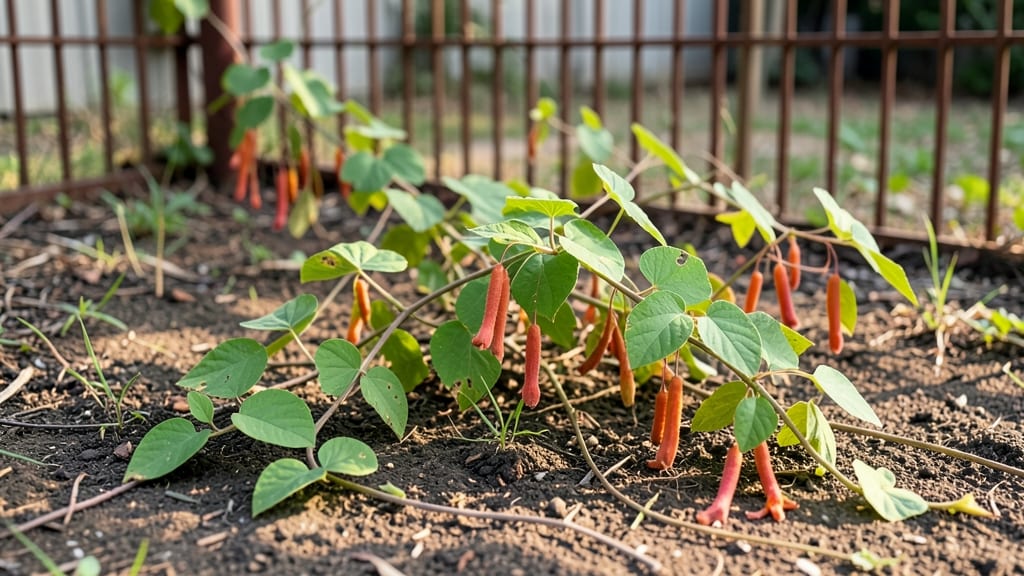
The Chilean glory flower vine (Eccremocarpus scaber) is the Pacific Northwest’s answer to a year-round hummingbird magnet—bright red blooms that keep birds buzzing from spring through frost.
I fell for this vine after watching hummingbirds swarm my balcony in rainy Seattle summers, and it’s since become my go-to for vertical color. The fast-growing habit and drought tolerance make it perfect for containers or trellises, even in shady spots where other vines fail.
This vine thrives in partial shade to full sun, tolerates poor soil, and needs minimal fuss—just consistent moisture until established. The secret to its success is its frost sensitivity: bring pots indoors before temperatures dip below 25°F, or plant in sheltered spots where roots stay insulated.
Pruning after flowering keeps it tidy and encourages more blooms, while propagation from cuttings is shockingly easy even for black thumbs.
You’ll end up with a lush, flowering curtain that hummingbirds can’t resist, all while adding vibrant red pops to your garden. The vine’s ability to flower even in cooler months means more nectar for pollinators when other plants rest.
With just a few adjustments, this vine becomes the star of any Pacific Northwest garden—whether in a hanging basket or climbing a trellis.
Works in containers, raised beds, or ground plantings, and handles urban pollution better than many flowers. Here’s how to keep it thriving season after season—no green thumb required.
📚 In This Guide
- What you need
- Instructions
- Tips and common mistakes
- Wrapping up and next steps
What you need
- ● Chilean glory flower vine (Eccremocarpus scaber): Seeds (50–100, for best coverage)
- ● OR nursery-grown plant (1–3 mature vines for quick results)
- ● OR healthy cuttings (6–12 inches long, 3–5 per plant)
- ● Support structure: Trellis (6–8 ft tall, metal or wooden)
- ● OR sturdy fence/arbor (with lattice or mesh)
- ● Well-draining potting mix: 5–10 gallons (or amend garden soil with compost)
- ● Organic fertilizer: Balanced 10-10-10 or slow-release granular (1 lb per plant)
- ● Mulch: 2–3 inches of shredded bark or pine needles (to retain moisture)
- ● Garden trowel or hand shovel
- ● Pruning shears (sterilized with rubbing alcohol)
- ● Watering can or hose with gentle spray nozzle
- ○ Optional (but helpful): pH testing kit (ideal soil pH: 6.0–7.0)
- ● Epsom salt (1 tbsp per gallon of water for magnesium boost)
- ● Drip irrigation system (for drought-prone areas)
- ● ✅ Full sun to partial shade (6+ hours of sunlight daily)
- ● ✅ Wind protection (vines can flop in gusts!)
- ● ✅ Sheltered from frost pockets (hardy to USDA Zone 7, but young plants need winter wraps)
Step-by-Step guide for cultivating Chilean glory flower vine
This stunning vine thrives in Pacific Northwest climates with minimal fuss—here's how to grow one that flowers continuously.
Select the Perfect Planting Location
Choose a spot with partial shade to full sun exposure, ideally receiving at least 4-6 hours of morning sunlight and afternoon shade. Chilean glory flower (Eccremocarpus scaber) handles humidity well but requires excellent drainage—avoid low-lying areas where water pools. In the Pacific Northwest's cooler summers, a location near a north-facing wall or under high-canopy trees works beautifully.
Test your site by observing how sunlight moves throughout the day. The vine's deep green leaves will yellow if it gets too much afternoon sun, while too little light reduces flowering. I always plant mine where it gets bright, indirect light—think dappled shade from large trees rather than harsh midday rays.
Prepare the Soil and Plant the Vine
Amend your native soil with 3-4 inches of organic compost to improve drainage and fertility. Chilean glory flower prefers well-draining, slightly acidic to neutral soil (pH 6.0-7.0). If your soil is heavy clay, mix in 1 part perlite to 3 parts soil to prevent root rot—a common issue in water-retentive Pacific Northwest soils.
Dig a hole twice as wide as the root ball but no deeper. Gently remove the vine from its container and tease apart any circling roots. Place it in the hole so the top of the root ball sits 1 inch below soil level—this prevents stem rot during heavy winter rains. Backfill with amended soil and water deeply to settle everything.
Provide Support and Watering Structure
Install a 4-6 foot tall trellis, arbor, or fence near your planting site immediately. Chilean glory flower is a vigorous climber with tendrils that grip surfaces, but it needs support from day one to grow upright. I use a metal trellis with diamond weave because it's sturdy enough to handle the vine's weight when laden with flowers.
Water deeply 2-3 times per week during the first growing season, ensuring the soil stays evenly moist but not soggy. In the Pacific Northwest's mild summers, you'll rarely need to water more than once a week once established. Check moisture by sticking your finger 2 inches into the soil—if it feels dry, it's time to water. Overwatering causes root rot, which is fatal to this vine.
Prune for Continuous Blooms and Shape
Prune in early spring before new growth begins to encourage bushier, more productive vines. Cut back one-third of the previous year's growth, focusing on older, leggy stems. Remove any dead or diseased branches immediately—they spread problems quickly. I also trim back any stems that flowered the previous season to redirect energy to new growth.
Throughout the growing season, pinch back new growth that exceeds 12 inches to encourage branching. This creates a fuller vine with more flowers. Deadhead spent blooms regularly to prolong flowering—simply snip off the faded flowers with clean pruners. The vine will reward you with nonstop blooms from spring through fall in ideal conditions.
Winter Care for Pacific Northwest Resilience
Chilean glory flower is hardy to USDA Zone 7, meaning it can survive mild Pacific Northwest winters with minimal protection. In colder microclimates (Zone 6 or lower), mound 3-4 inches of mulch around the base of the vine in late fall to insulate roots. I use shredded bark mulch because it breaks down slowly and improves soil structure over time.
Prune back one-third of the vine in late winter to remove any frost-damaged growth. The vine is surprisingly resilient and often regrows quickly in spring. Avoid heavy pruning in fall—this stimulates new growth that won't harden off before winter. With proper winter care, your vine will return stronger each year, producing even more vibrant flowers.
Tips & tricks for perfect Chilean glory flower vine cultivation
These clever strategies will help you coax even more vibrant blooms from your Chilean glory flower vine while sidestepping common pitfalls that Pacific Northwest gardeners often face.
Location Scouting: Before planting, observe your site throughout the day—especially during summer months. The ideal spot should receive that perfect balance of morning sun (4-6 hours) while avoiding harsh afternoon rays that can scorch the delicate leaves. I've learned the hard way that even slight adjustments in location can mean the difference between lush foliage and sparse flowering. Consider testing multiple spots with temporary stakes before committing to your final location.
Soil Science: The 3-4 inches of organic compost specified in Step 2 is non-negotiable for Pacific Northwest gardeners. Our native soils often compact easily, so I recommend mixing in an additional 10% perlite or coarse sand if you notice water pooling after rain. This extra precaution prevents the root rot that can silently kill your vine—something I only discovered after losing my first plant to soggy soil conditions. A simple soil test kit (available at garden centers) can confirm your pH is in that ideal 6.0-7.0 range.
Pruning Precision: When you're cutting back one-third of last year's growth in early spring, focus on the oldest stems first. These are typically the thicker, woody growth that produces fewer flowers. I use clean, sharp pruners and make cuts just above a leaf node at a 45-degree angle to encourage better regrowth. This technique creates a bushier plant that flowers more prolifically throughout the season—something I noticed dramatically after implementing this method two years ago.
Winter Protection Strategy: That 3-4 inches of mulch around your vine's base isn't just for insulation—it also regulates soil temperature fluctuations that can stress the roots. I've found that applying mulch in late November, after the first hard frost, provides the best protection. For extra security in colder microclimates, consider wrapping the trellis structure itself with burlap to shield against drying winter winds that can desiccate the stems.
Pro Tips for Chilean Glory Flower Vine
- These clever strategies will help you coax even more vibrant blooms from your Chilean glory flower vine while sidestepping common pitfalls that Pacific Northwest gardeners often face.
- Location Scouting: Before planting, observe your site throughout the day—especially during summer months.
- Soil Science: The 3-4 inches of organic compost specified in Step 2 is non-negotiable for Pacific Northwest gardeners.
Frequently asked questions
Got questions about growing and caring for your Chilean glory flower vine?
Here are some of the most common ones—plus quick answers to help you keep this stunning hummingbird magnet thriving in your Pacific Northwest garden.
How fast does the Chilean glory flower vine grow?
The Chilean glory flower vine (Eccremocarpus scaber) is a fast grower! Under ideal conditions—full sun to partial shade, well-draining soil, and consistent moisture—it can climb 10 to 15 feet in a single season. In cooler PNW climates, growth may slow slightly in winter but resumes vigorously in spring. Prune regularly to manage its size and encourage bushier blooms.
Is the Chilean glory flower vine frost-tolerant?
Yes! This vine is hardy to USDA Zones 7-10, making it a great fit for the Pacific Northwest’s mild winters. While it can handle light frosts (down to about 20°F), heavy snow or prolonged cold may damage tender new growth. In colder microclimates, mulch the base or grow it in a container to protect roots. Expect regrowth in spring once temperatures warm.
Why aren’t hummingbirds visiting my Chilean glory flower vine?
Hummingbirds love these flowers, but a few factors might keep them away:
- Lack of nectar: Ensure your vine is blooming (prune spent flowers to encourage new ones).
- Location: Plant near feeders or other nectar sources for easy access.
- Timing: Hummingbirds are most active in spring and summer. If it’s winter, they may have migrated.
- Pesticides: Avoid chemicals—hummingbirds are sensitive to them!
Can I grow Chilean glory flower vine in a container?
Containers are ideal for small spaces or colder climates. Use a 5-gallon pot or larger with drainage holes and a well-draining potting mix. Choose a trellis or obelisk to support its climbing habit. In winter, move pots to a sheltered spot or indoors (where temps stay above 40°F) to protect roots.
How do I propagate Chilean glory flower vine?
Propagation is easy—try these methods:
- Cuttings: Take 4-6 inch tips in spring or early summer, dip in rooting hormone, and plant in moist soil. Keep humid (use a plastic bag) until roots form (4-6 weeks).
- Seeds: Less common but possible. Sow seeds in spring in warm, well-draining soil. Germination takes 2-4 weeks.
- Division: Separate rooted offsets in early spring when the plant is dormant.
Wrapping up and next steps
The Chilean glory flower vine is a stunning, low-maintenance addition to your Pacific Northwest garden, offering vibrant blooms and year-round hummingbird appeal. With its resilience, easy care, and ability to thrive in diverse conditions, it’s a dream plant for both beginners and seasoned gardeners. 🌸
Ready to transform your outdoor space? Start by gathering your supplies and follow the steps to plant your vine—your feathered friends (and your neighbors!) will thank you. Happy gardening!