
Flowers
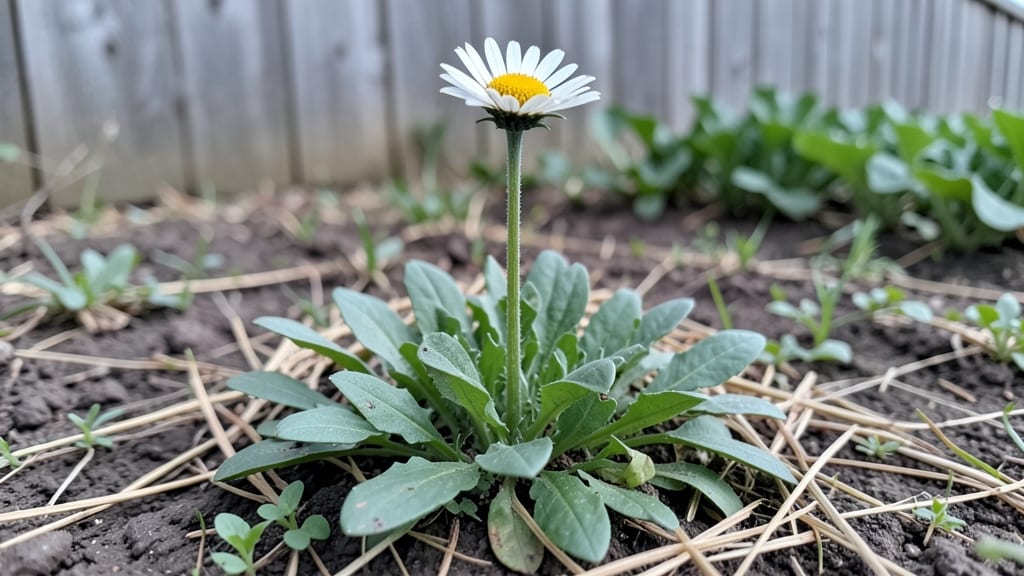
"Caring for daisies in containers turns even a tiny balcony into a sunlit meadow. 🌼 These cheerful blooms thrive with surprisingly little effort—just the right balance of sunlight, soil, and occasional deadheading keeps them flowering all season.
I’ve filled pots with daisies for years, and the secret isn’t complicated: they reward patience with nonstop color, even in small spaces.
The key is matching their needs to your setup. Daisy roots crave well-draining soil mixed with compost, and they’ll reward you with bold blooms if you place them in 6+ hours of sunlight daily.
Water when the top inch of soil feels dry, but avoid soggy pots—daisies hate wet feet. Perennials like Shasta daisies return yearly, while annuals like Gerbera daisies pack a punch in one season.
You’ll end up with pots bursting with white, pink, or yellow blooms that last from early summer through frost. The trick is pruning spent flowers regularly—this encourages fresh blooms instead of leggy stems. Even my black thumb keeps these happy, and they bounce back from neglect better than most flowers.
Works for both patio pots and window boxes, and the same care applies to garden beds too. Here’s how to keep them looking their best all season long.
📚 In This Guide
- What you need
- Instructions
- Tips and common mistakes
- Wrapping up and next steps
What you need
- ● Container: 1-2 well-draining pots (minimum 12 inches deep and wide for each daisy plant). Ensure they have drainage holes!
- ● Potting Mix: 1 bag of lightweight, well-draining potting soil (avoid garden soil—it compacts too easily). Look for a mix labeled for container gardening or annuals.
- ● Daisy Plants: 1-3 healthy daisy seedlings or bare-root plants (choose varieties like Gerbera, Shasta, or Oxeye Daisies for containers).
- ● Slow-Release Fertilizer: 1 packet of balanced, granular fertilizer (10-10-10 or 20-20-20 ratio) to nourish your daisies for 2-3 months.
- ● Watering Can or Hose: A gentle spray nozzle or watering can with a narrow spout to avoid disturbing the soil.
- ● Trowel: A small hand trowel for easy transplanting and soil adjustments.
- ● Mulch: Organic mulch (like straw or shredded bark) to retain moisture and suppress weeds.
- ● Plant Stakes or Support: If growing tall varieties (like Gerbera Daisies), light stakes can help prevent flopping.
- ● Pruning Shears: For trimming dead blooms or leggy stems to encourage more flowers.
- ● Liquid Fertilizer: A water-soluble feed (like fish emulsion or bloom booster) for mid-season nutrition.
Step-by-step daisy flower care for container-grown blooms
Here's how I keep my container daisies thriving with almost no daily effort.
🪴 Step 1: Choose the Right Container and Soil Mix
Daisies need room to spread, so select containers that are at least 12 inches wide and have drainage holes. I use terracotta pots because they breathe better than plastic and help prevent root rot. Fill the bottom third of the pot with gravel or perlite for extra drainage—this prevents soggy roots that daisies hate.
Use a well-draining potting mix that's light and airy. I blend standard potting soil with 20% perlite or vermiculite to improve aeration. Press the mix down gently but don't compact it—daisy roots need loose soil to grow strong. The surface should feel crumbly, like a damp sponge.
☀️ Step 2: Plant in Full Sun and Water Deeply
Daisies thrive in 6-8 hours of direct sunlight daily. Place your containers where they'll get morning sun and afternoon shade if you're in a hot climate. I always check the pot weight—if it's light, the soil is dry and it's time to water. Water until it drains freely from the bottom, then let excess water run off completely.
After watering, let the top inch of soil dry out before watering again. Overwatering is the fastest way to kill container daisies. You'll know your watering is right when the soil feels dry to the touch but still holds moisture deeper down. Mulch with 1 inch of organic mulch to retain moisture and keep roots cool.
✂️ Step 3: Deadhead and Fertilize for Continuous Blooms
Here's the secret to nonstop daisy blooms: deadhead regularly. Snip off spent flowers with clean pruners just above the next set of leaves. I do this every 2-3 days during peak bloom season. This encourages the plant to produce more flowers instead of going to seed. Always sterilize your pruners with rubbing alcohol between cuts to prevent disease.
Feed your daisies with a balanced liquid fertilizer (10-10-10) every 4-6 weeks during the growing season. I mix it at half-strength to avoid burning the roots. You'll see new buds forming within a week of fertilizing—this is your sign everything's working. Stop fertilizing in late summer to let the plants prepare for dormancy.
🌿 Step 4: Prune and Prepare for Winter
As fall approaches, cut back the stems by one-third to tidy up the plant. Remove any dead or yellowing leaves—they can harbor pests and diseases over winter. I prune in stages, removing about 2 inches at a time, to avoid shocking the plant. This also helps the plant focus its energy on root development.
Move containers to a sheltered spot where they'll get some winter sun but protection from harsh winds. If temperatures drop below 20°F, wrap the pots in bubble wrap or move them indoors to a cool, bright spot. Water sparingly during dormancy—just enough to keep the soil from drying out completely. You'll know it's working when you see fresh green growth in early spring.
Tips & tricks for perfect daisy flower care
Here's what I've learned after years of growing container daisies with almost no fuss—these tricks make all the difference.
Container Selection: If you're using plastic containers, add an extra layer of gravel at the bottom to prevent waterlogging. Terracotta is ideal, but if you choose plastic, drill a few extra drainage holes around the sides. I've found that containers with feet help prevent water pooling underneath, which can lead to root rot over time.
Soil Mix Secret: The 20% perlite or vermiculite in your soil mix isn't just for aeration—it also helps regulate moisture. If you notice your soil drying out too quickly, reduce the perlite to 15% and increase the potting soil slightly. This creates a better moisture balance, especially in hot climates where daisies need consistent hydration.
Sunlight Strategy: For those 6-8 hours of daily sunlight, position your containers where they get morning sun and afternoon shade if temperatures exceed 85°F. I've noticed that daisies in full afternoon sun can develop brown leaf tips—this is a sign of heat stress. A simple solution is to move them to a spot with filtered light during peak afternoon hours.
Deadheading Timing: Those 2-3 days between deadheading sessions might seem frequent, but it's crucial for continuous blooms. I've found that using small floral scissors instead of fingers gives you more precision. Cut just above the next set of leaves, and always sterilize your tools between plants to prevent spreading disease. This small habit makes a huge difference in keeping your daisies looking their best.
Pro Tips for Daisy Flower Care
- Here's what I've learned after years of growing container daisies with almost no fuss—these tricks make all the difference.
- Container Selection: If you're using plastic containers, add an extra layer of gravel at the bottom to prevent waterlogging.
- Soil Mix Secret: The 20% perlite or vermiculite in your soil mix isn't just for aeration—it also helps regulate moisture.
Frequently asked questions
How often should I water my container daisies?
Water your daisies when the top 1-2 inches of soil feel dry—usually every 2-3 days in hot weather, but less in cooler months. Containers dry out faster than garden beds, so check soil moisture daily during heatwaves. Pro tip: Use a self-watering pot or mulch the soil to retain moisture!
When is the best time to prune daisies for more blooms?
Prune spent blooms right after they fade (deadheading) to encourage new flowers. For a big boost, give them a light trim in early spring or after the first frost to shape the plant. Avoid heavy pruning in late summer—it might delay fall blooms. Quick tip: Use clean shears to avoid disease!
Can daisies grow in full shade? What’s the ideal light?
Daisies thrive in full sun (6+ hours daily), but they’ll tolerate partial shade (4-6 hours). In deep shade, they’ll produce fewer blooms and may become leggy. If your container is shady, choose shade-tolerant varieties like Gerbera daisies or move them to a sunnier spot for best results.
What should I do if my daisies have holes or yellow leaves?
Holes? Likely aphids or slugs—spray with soapy water or use organic slug bait. Yellow leaves often mean overwatering or nutrient deficiency. Let soil dry slightly between waterings, and feed with balanced fertilizer every 4-6 weeks. Fix fast: Move pots to improve drainage if water pools!
How do I keep daisies blooming all season long?
For nonstop blooms, feed regularly (every 3-4 weeks with bloom booster), deadhead spent flowers, and rotate containers for even sun exposure. Pinch back leggy stems in spring to encourage bushier growth. Bonus hack: Add a handful of compost to the soil monthly for extra nutrients!
Wrapping up and next steps
Caring for daisies in containers is simpler than you think—just follow the sunshine, soil, and space trio! With the right balance of water, well-draining soil, and a cozy spot, your daisies will reward you with cheerful blooms all season. You’ve got this! 🌼
Ready to put your new skills to the test? Grab a container, pick your favorite variety, and start planting today! Share your progress or ask questions in the comments—we’d love to see your blooming success! 🌱