
Planting
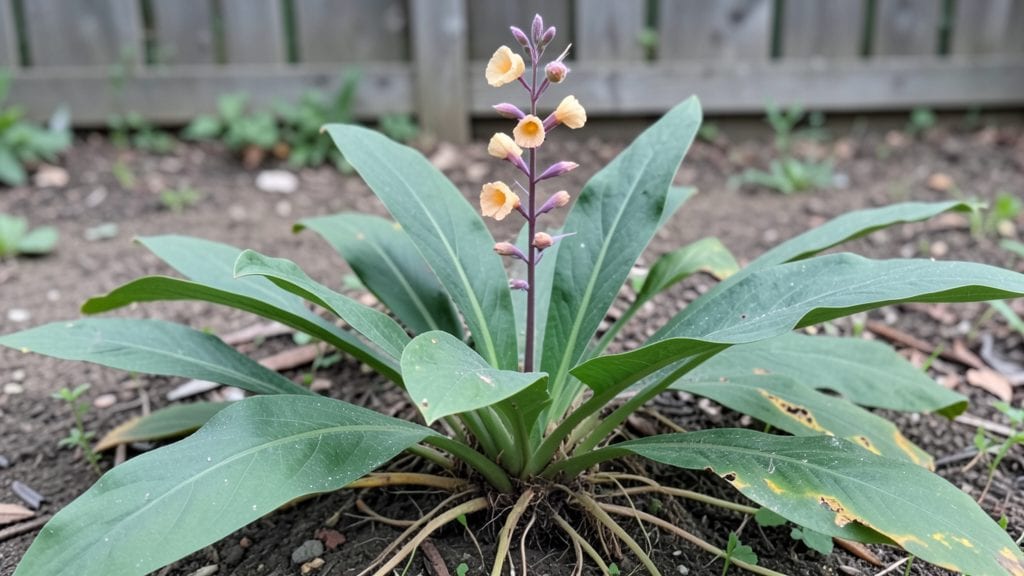
Growing a turmeric flower plant with its striking golden blooms is easier than you think—especially when you know the secret to container success. 🌱 I’ve grown these tropical beauties for years, and their bold, flame-like flowers make any patio or balcony pop with color.
The same plant that gives you fresh turmeric for curries also produces these stunning blooms, so you’re getting double the reward.
Turmeric thrives in warm climates (zones 9-11) but can also grow in containers if you bring them indoors during winter. They love well-draining soil mixed with compost and need bright, indirect sunlight for at least 6 hours a day.
A 5-gallon pot is perfect for beginners, giving roots enough room to spread while keeping maintenance simple.
By summer, you’ll be rewarded with vibrant golden spikes that last weeks, followed by harvestable rhizomes in the fall. The key is keeping soil moist but not soggy—overwatering is the #1 killer of container turmeric.
With the right care, this plant becomes a year-round conversation piece, whether you’re growing it for food, medicine, or just show-stopping blooms.
Even if you’ve never grown tropical plants before, turmeric is forgiving—just avoid cold drafts and give it a little extra humidity. Let’s get those rhizomes planted and watch them transform into a golden masterpiece!
📚 In This Guide
- What you need
- Instructions
- Tips and common mistakes
- Wrapping up and next steps
What you need
- ● Turmeric rhizomes (fresh or dried): 2–3 medium-sized, healthy rhizomes (ensure they have "eyes" or growth nodes).
- ● Well-draining potting mix: 10–15 lbs of a blend like cactus/succulent mix (add 20% perlite or coarse sand for extra drainage).
- ● Containers: 1–2 5–7 inch pots (for rhizomes) with drainage holes.
- ● 1 12+ inch pot or garden bed (for mature plants, if growing long-term).
- ● Slow-release fertilizer: 1 tbsp of balanced 10-10-10 or organic options like composted manure.
- ● Garden tools: Small trowel, pruners (sterilized), and a spray bottle (for humidity).
- ● Sunlight access: A south-facing window or grow lights (12+ hours/day for indoor setups).
- ● Watering can or spray bottle: With a fine rose nozzle for gentle watering.
- ○ Optional (but helpful!): Mulch (straw or coconut coir) to retain moisture.
- ● Support stakes (for taller stems, if blooming outdoors).
- ● pH test kit (ideal soil pH: 6.0–7.5).
Step-by-step guide to growing turmeric flower plants in containers
Here's how to cultivate vibrant turmeric plants with striking golden blooms—perfect for containers and small spaces.
🌱 Step 1: Select and Prepare the Right Container
Choose a container at least 12 inches deep with drainage holes to accommodate the turmeric rhizome's spreading roots. I prefer terracotta pots because they wick away excess moisture, preventing root rot—a common issue with turmeric. Place a 2-inch layer of coarse gravel or broken pottery at the bottom to improve drainage and aeration.
Fill the container halfway with a well-draining potting mix enriched with compost. Turmeric thrives in slightly acidic soil with a pH of 6.0-6.8. Mix in a handful of perlite or sand to further improve drainage, as turmeric hates soggy roots. Press the soil down lightly but firmly to create a stable base for planting.
🌿 Step 2: Plant the Rhizome Correctly
Turmeric grows from rhizomes (thick, knobby underground stems), not seeds. Select healthy, firm rhizomes with eyes (small buds) and plant them 2-3 inches deep, about 6 inches apart in the container. The eyes should face upward—these will sprout into new shoots. If your rhizome is large, you can cut it into smaller sections, ensuring each piece has at least one eye.
Cover the rhizome with soil, leaving the top 1-2 inches exposed to prevent rotting. Water lightly immediately after planting to settle the soil around the rhizome. Avoid overwatering now—turmeric is drought-tolerant once established, but it needs consistent moisture during the initial rooting phase. You’ll know it’s settled when the soil surface looks slightly compacted but not muddy.
☀️ Step 3: Position for Optimal Light and Temperature
Turmeric loves bright, indirect light but can tolerate morning sun—avoid harsh afternoon rays, which can scorch the large, broad leaves. Place your container in a spot that receives 6-8 hours of sunlight daily, like a south- or east-facing window. If growing indoors, supplement with a grow light for 12-14 hours a day to encourage strong, healthy growth.
Keep the temperature between 70-85°F for best results. Turmeric is tropical and sensitive to cold drafts or temperatures below 60°F, which can stunt growth or cause leaf yellowing. If you’re in a cooler climate, move the container indoors during winter or use a heat mat to maintain consistent warmth. Watch for new leaves emerging within 2-3 weeks—this is your signal that the rhizome is rooting successfully.
💧 Step 4: Water and Fertilize for Lush Growth
Water the turmeric plant once a week, allowing the top 2 inches of soil to dry out between waterings. Overwatering is the fastest way to kill turmeric, so always check moisture levels by sticking your finger into the soil. When the soil feels dry to the touch, water deeply until it drains freely from the bottom. Empty the saucer afterward to prevent the rhizome from sitting in water.
Feed your turmeric plant with a balanced liquid fertilizer (10-10-10) every 4-6 weeks during the growing season. Reduce fertilization in winter when growth slows. I also add a slow-release organic fertilizer at planting time to provide steady nutrients. Look for signs of nutrient deficiency—yellowing leaves often mean it’s time to fertilize, while brown edges can signal overwatering or salt buildup from excess fertilizer.
✂️ Step 5: Prune and Encourage Blooms
Turmeric plants develop large, dramatic leaves that can become leggy if not pruned. Pinch back the tips of new growth when the plant reaches 12 inches tall to encourage bushier growth. Remove any yellow or damaged leaves promptly to redirect the plant’s energy toward healthy foliage and potential blooms. Turmeric flowers are rare but stunning when they appear—look for spikes of golden-yellow blooms in late summer or early fall.
To maximize blooms, ensure your plant gets plenty of sunlight and well-draining soil. If your turmeric isn’t flowering, it may need a dormant period—reduce watering in winter and allow the soil to dry out slightly. Once new growth resumes in spring, resume regular care. Deadhead spent flowers to encourage more blooms, but don’t prune too aggressively, as turmeric stores energy in its rhizome for next year’s growth.
Tips & tricks for growing turmeric flower plants in containers
These tried-and-true tips will help you coax those stunning golden blooms from your container-grown turmeric—without the common pitfalls that kill most attempts.
Container Selection Wisdom: While terracotta is ideal, plastic containers work too—just add extra drainage holes if needed. The key is depth: 12 inches minimum ensures roots have room to spread without crowding. I've seen turmeric thrive in repurposed colanders with drainage holes drilled in the bottom, proving creativity often beats perfection. Just ensure that 2-inch gravel layer at the bottom never gets clogged with soil during repotting.
Rhizome Prep Secret: Before planting, soak your rhizomes in warm water for 30 minutes to encourage faster rooting. This simple step can shave 2-3 weeks off your waiting time for those first green shoots. Pro tip: Look for rhizomes with multiple eyes—each one becomes a new stem, giving you a bushier plant. If your rhizome has only one eye, don't worry—it'll still grow, just more slowly.
Lighting Strategy: That 6-8 hours of sunlight requirement is non-negotiable, but here's how to maximize it: Rotate your container quarter-turn weekly so all sides get even light exposure. This prevents lopsided growth and ensures those golden blooms develop symmetrically. In low-light conditions, supplement with a grow light 12-14 hours daily—LED bulbs with a full spectrum (especially red and blue wavelengths) work best for tropical plants.
Bloom-Boosting Technique: The dormant period trick is your secret weapon for flowers. In late fall, when growth slows, let the top 2 inches of soil dry completely between waterings. This mimics winter conditions and triggers the plant to store energy—energy it'll use to produce those spectacular golden spikes next season. Just don't let it get completely bone-dry; slightly crispy leaves signal you've gone too far.
Pro Tips for Turmeric Flower Plant
- These tried-and-true tips will help you coax those stunning golden blooms from your container-grown turmeric—without the common pitfalls that kill most attempts.
- Container Selection Wisdom: While terracotta is ideal, plastic containers work too—just add extra drainage holes if needed.
- Rhizome Prep Secret: Before planting, soak your rhizomes in warm water for 30 minutes to encourage faster rooting.
Frequently asked questions
Can turmeric flower plants grow in containers?
These tropical beauties thrive in 10–12-inch pots with well-draining soil. Use containers with drainage holes to prevent root rot. Just ensure they get bright, indirect light and consistent moisture—ideal for patios or balconies. Pro tip: Add a layer of pebbles at the bottom to boost drainage!
How long does it take for a turmeric plant to flower?
Patience is key! Turmeric plants typically take 1–2 years to mature before producing their stunning golden blooms. Factors like sunlight, soil quality, and temperature (ideally 70–85°F) speed up the process. If your plant isn’t flowering, check for adequate nutrients—a balanced fertilizer in spring can help.
How often should I water my turmeric flower plant?
Keep the soil evenly moist but not soggy. Water when the top inch feels dry (usually 2–3 times per week in warm weather). Overwatering is the #1 killer—yellow leaves or mushy stems? Cut back and let the soil dry slightly between waterings. Bonus: Mulch helps retain moisture!
What if my turmeric plant’s leaves turn yellow?
Yellow leaves often signal overwatering or poor drainage. First, check the roots—healthy ones are firm and white. If roots smell rotten or are mushy, repot in fresh, dry soil. Underwatering can also cause yellowing, so aim for consistent moisture. Adjust your watering routine and monitor for improvement!
Can I grow turmeric for both flowers AND spice?
Yes! The same plant produces edible rhizomes (turmeric root) and ornamental flowers. However, flowering diverts energy from rhizome growth. If you prioritize spice, prune blooms early. For flowers, let them thrive—just harvest rhizomes after 8–10 months when leaves yellow naturally.
Wrapping up and next steps
Growing a turmeric flower plant with its stunning golden blooms is not only rewarding but also a fantastic way to add tropical flair to your space—whether in pots or gardens! 🌺 With the right care, sunlight, and a little patience, you’ll enjoy vibrant flowers and even edible rhizomes.
Don’t let challenges like soil prep or pests discourage you; every gardener starts somewhere.
Ready to take the next step? Start small:
- Plant a single pot this season and observe what works best.
- Experiment with companion plants to boost growth.
- Share your progress with fellow plant lovers—community tips can make all the difference!