Container Gardens
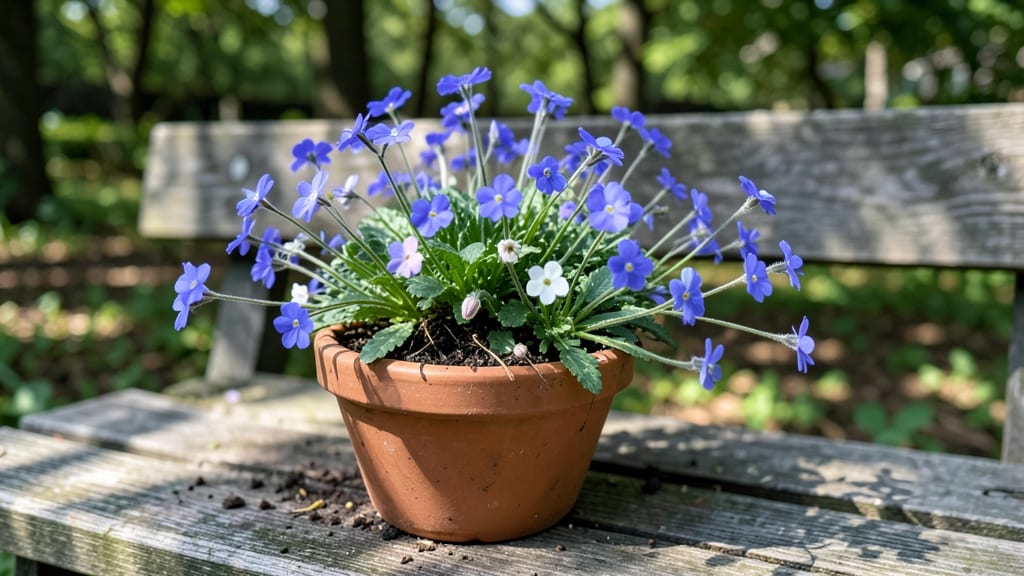
Growing forget-me-not flowers in containers proves you don’t need a sunny backyard to enjoy their delicate blue blooms—just a cool spot and a little patience. 💙 These hardy perennials thrive in pots, making them perfect for patios, balconies, or even windowsills in cold climates where summers are short.
The secret lies in mimicking their natural woodland habitat: well-draining soil, consistent moisture, and partial shade to prevent wilting.
Start with seeds or young plants in early spring, when soil temperatures hover around 50°F, and choose containers with drainage holes to prevent root rot. Forget-me-nots love rich, humusy soil mixed with perlite—think of it as a fluffy, airy bed where roots can breathe.
A 6-inch pot works for a single plant, but larger containers let you cluster them for a lush, cascading display.
By midsummer, you’ll be rewarded with clusters of tiny blue flowers that last for weeks, their fragrance light but unmistakable. The key to long-lasting blooms is deadheading spent flowers and keeping the soil evenly moist—never soggy.
These plants even handle light frosts, so with the right care, they’ll reward you with color year after year.
They’re also surprisingly low-maintenance: no heavy pruning, no fuss over pests, and they pair beautifully with other cool-season favorites like sweet alyssum or violas. Whether you’re a first-time gardener or a container veteran, forget-me-nots deliver effortless charm with minimal effort.
📚 In This Guide
- What you need
- Instructions
- Tips and common mistakes
- Wrapping up and next steps
What you need
- ● Container: At least 6-inch-deep pots (8+ inches for multiple plants) with drainage holes. Terracotta or fabric pots work best for airflow.
- ● Potting Mix: 1 gallon of well-draining, peat-based or coco coir mix (amend with perlite or sand for cold climates). Avoid heavy garden soil.
- ● Forget-Me-Not Seeds: 5–10 seeds per pot (or 1–2 young plants if starting with transplants). Choose hardy varieties like 'Blue Ball' or 'Victoria' for cold resilience.
- ○ Slow-Release Fertilizer: 1 tbsp of balanced 10-10-10 or organic pellet fertilizer (optional but helpful for nutrient-poor mixes).
- ● Hand Trowel (for transplanting seedlings).
- ● Spray Bottle (for gentle watering post-planting).
- ● Mulch: ¼ inch of straw or shredded bark (retains moisture and insulates roots in cold snaps).
- ○ Optional: Epsom salt (1 tsp per gallon of water for magnesium boosts, applied monthly).
- ● Grow lights (if starting indoors for 12–14 hours/day).
- ● Container trays or saucers (to catch excess water).
- ● Sunlight: Partial shade to full sun (6+ hours/day in warm months; morning sun + afternoon shade in hot climates).
- ● Temperature: Seeds germinate best at 60–70°F; plants tolerate down to 20°F once established.
- ● Watering: Keep soil consistently moist but not soggy (containers dry out faster!).
Step-by-step instructions for growing forget-me-nots in containers
These delicate blue blooms love cool weather and containers—here’s how to coax them into flourishing.
🌱 Step 1: Choose the Right Containers and Soil Mix
Forget-me-nots thrive in well-draining soil and moderate moisture, so select containers with drainage holes and use a mix of 50% potting soil and 50% perlite or coarse sand. I like 8-inch pots for each plant since their roots spread shallowly but need airflow. Fill the pot halfway, then add a layer of orchid bark or small gravel at the bottom to prevent waterlogging.
Tap the pot gently to settle the mix—you want it loose enough that water penetrates evenly but firm enough to support stems. Forget-me-nots hate soggy roots, so never skip drainage. If your pots lack holes, drill them yourself or line the bottom with broken pottery shards to create natural drainage paths.
🌿 Step 2: Plant Seeds or Transplants at the Correct Depth
If starting from seed, sow them ¼ inch deep in early spring, about 6 weeks before your last frost. Scatter seeds lightly—you’ll need to thin later, but forget-me-nots self-seed readily if conditions are right. For transplants, space them 8-10 inches apart in the pot, as they’ll form dense mats over time.
Press the soil gently around the seeds or roots to eliminate air pockets, then water lightly with a spray bottle to avoid disturbing them. Forget-me-nots germinate best in cool soil (50-60°F)—if your climate runs warm, keep pots in a shaded spot until sprouts appear in 10-14 days. Overwatering now will drown them before they take root.
☀️ Step 3: Position for Partial Sun and Consistent Moisture
Place containers in partial shade to full morning sun—forget-me-nots burn easily in hot afternoon rays. A north- or east-facing window or dappled shade under trees works best. In containers, they dry out faster, so check soil moisture daily by sticking your finger 1 inch deep. Water when the top layer feels dry, but never let them sit in standing water.
Mulch the soil surface with a thin layer of peat moss to retain moisture and suppress weeds. Forget-me-nots bloom best with consistent moisture, so group pots together to create a microclimate. If leaves yellow, you’re overwatering; if they crisp, they need more shade.
✂️ Step 4: Deadhead and Fertilize for Prolonged Blooms
Once flowers fade, snip spent blooms at the base with clean scissors to encourage more blooms. Forget-me-nots self-seed aggressively, so remove seed heads if you want to control their spread. Feed them lightly every 4-6 weeks with a balanced, water-soluble fertilizer (10-10-10) diluted to half strength—too much nitrogen makes them leafy but flower-sparse.
In late summer, reduce watering slightly to prepare for dormancy. These hardy annuals often reseed themselves, so you might see new sprouts next spring. If winters in your zone drop below 10°F, move pots to a garage or cold frame to protect them until spring.
🌱 Step 5: Overwinter and Renew for Next Season
After the first frost, cut back faded stems to 2 inches tall and reduce watering. Forget-me-nots tolerate light freezes, but protect pots from hard freezes by wrapping them in burlap or moving them indoors. In early spring, refresh the soil with a top dressing of compost and trim any leggy growth to encourage bushiness.
Here’s the thing—these flowers reward patience. If you keep them happy, they’ll naturalize over time, popping up year after year with minimal effort. The key is cool roots, consistent moisture, and shade from the midday sun. Once established, they’re nearly indestructible.
Tips & tricks for growing forget-me-nots in containers
Here's what I've learned to help these delicate blooms thrive in containers—no guesswork required.
Soil Mix Matters: The 50/50 mix of potting soil and perlite/sand is crucial for preventing soggy roots. I add a handful of worm castings to the mix for extra nutrients, and this gives you that perfect balance of drainage and moisture retention. Forget-me-nots hate compacted soil, so avoid garden soil entirely—it compacts too easily in containers.
Timing is Everything: When planting seeds 6 weeks before your last frost, check your local frost dates—this timing ensures they establish roots before summer heat arrives. If you're in a warmer climate, start seeds indoors under grow lights 8-10 weeks before your last frost to give them a head start. The 10-14 day germination window gives you plenty of time to adjust if your climate runs warm.
Positioning Secrets: That north- or east-facing window spot is ideal, but if you don't have one, consider using a sheer curtain to filter harsh afternoon sun. I've found that placing pots on a saucer filled with pebbles and water creates a self-watering system that maintains consistent moisture without overwatering. This works especially well for forget-me-nots that need that perfect balance.
Deadheading Technique: When snipping spent blooms, cut just above the first set of leaves to encourage bushier growth. I use clean, sharp scissors and always sterilize them with rubbing alcohol between plants to prevent disease spread. This simple step can double your blooming time—just be consistent with it every few days during peak bloom.
Pro Tips for Forget Me Not Flower Growing
- Here's what I've learned to help these delicate blooms thrive in containers—no guesswork required.
- Soil Mix Matters: The 50/50 mix of potting soil and perlite/sand is crucial for preventing soggy roots.
- Timing is Everything: When planting seeds 6 weeks before your last frost, check your local frost dates—this timing ensures they establish roots before summer heat arrives.
Frequently asked questions
Got questions about growing Forget Me Not flowers in containers? You’re not alone! Here are some of the most common concerns—plus quick, practical answers to keep your blooms thriving, even in cooler climates.
Can Forget Me Not flowers survive winter in containers?
Yes! These hardy perennials tolerate light frost (USDA Zones 3-8) but need protection in extreme cold. Move containers to a sheltered spot (like a garage or under eaves) or wrap them in bubble wrap. Mulch the soil with straw or leaves to insulate roots. Pro tip: Avoid soggy soil—drainage is key!
How long does it take for Forget Me Not seeds to germinate?
Patience pays off! Seeds typically sprout in 2-4 weeks at 60-70°F. For faster results, start indoors 6-8 weeks before your last frost date. Keep soil consistently moist (not soggy) and place trays in bright, indirect light. Troubleshooting: If no sprouts appear after 4 weeks, try gently pressing seeds into the soil—they need light to germinate!
Are there container-friendly alternatives to Forget Me Not?
If you love delicate blooms, try these cold-climate container stars:
- Sweet Alyssum – Fragrant, low-growing, and thrives in partial shade.
- Violas – Hardy, colorful, and bloom early in the season.
- Lobelia – Compact and perfect for trailing over container edges.
- Primroses – Cold-hardy with cheerful, long-lasting flowers.
What pests should I watch for with Forget Me Not flowers?
These flowers are generally pest-resistant, but keep an eye out for:
- Aphids – Tiny green/black bugs on new growth. Blast off with water or use insecticidal soap.
- Slugs/Snails – Love tender young leaves. Set out beer traps or use organic slug pellets.
- Powdery Mildew – White dust on leaves? Improve airflow and avoid overhead watering.
Why aren’t my Forget Me Not flowers blooming?
No blooms? Don’t panic—it’s often a care issue! Check these fixes:
Possible Cause
Solution
Not enough sunlight
Move to 4-6 hours of direct sun daily (they tolerate partial shade but bloom best in light).
Over-fertilizing
Use a balanced, low-nitrogen fertilizer (like 10-10-10) once in early spring. Too much food = leafy growth, no flowers!
Stress from transplant shock
Water deeply after repotting and avoid disturbing roots. Let them acclimate for 2-3 weeks before heavy feeding.
Wrapping up and next steps
Growing forget-me-not flowers in containers is a rewarding way to add delicate charm to your cold-climate garden—even with minimal space! These resilient blooms thrive with the right care, offering vibrant blue (and occasional pink or white) pops of color from early summer to fall.
Whether you’re a beginner or a seasoned gardener, their adaptability makes them a must-try for container gardens.
Now that you’re equipped with tips and answers to common questions, roll up your sleeves and get planting! Start small with a single pot or expand your collection—your balcony or patio will thank you. Ready to dive in? Grab your supplies and let these cheerful blooms brighten your space! 🌸