Pruning
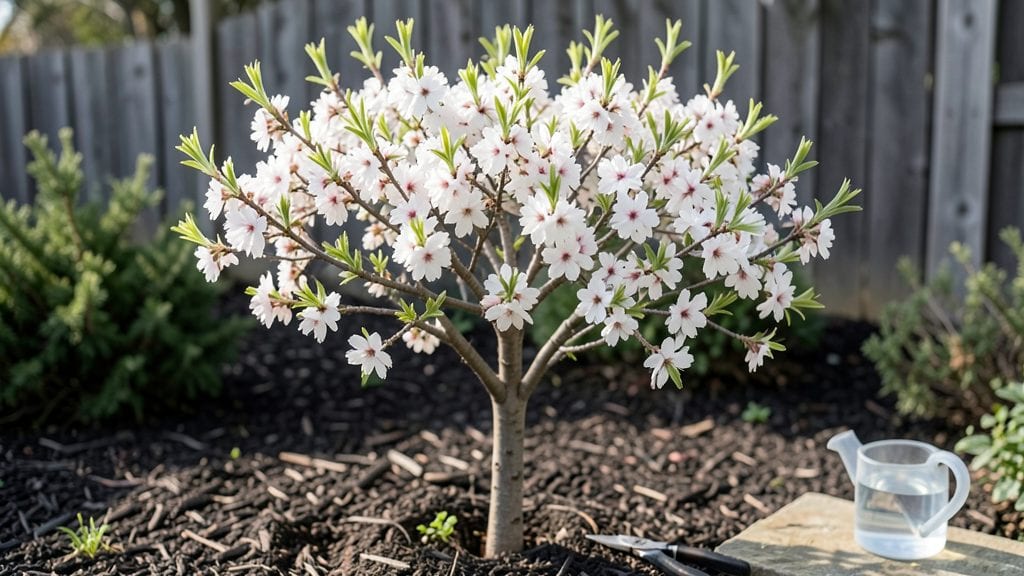
This Corinthian flowering peach tree brings shockingly lush spring blooms that last for months—if you prune it right. 🌸 I’ve watched mine go from a tangled mess to a showstopper after just one careful winter pruning session, and the difference in bloom quantity is night and day.
The key isn’t just cutting branches, though—it’s understanding when and how to shape the tree so it keeps flowering like clockwork.
You’ll need basic pruning tools (sharp bypass pruners, loppers, and a saw for thicker branches), a 3-foot ladder for higher branches, and a clear day to work. Start by removing dead or crossing branches first, then thin out the center to improve airflow.
The goal is to keep the tree open and airy, which prevents disease and encourages more blooms. Corinthian peaches are forgiving, but they reward precise cuts over aggressive hacking.
After pruning, you’ll see a surge of new growth by late spring, followed by clusters of rosy-pink flowers that smell like a peach orchard in bloom. The tree stays compact enough for small yards but produces enough flowers to rival a full-size peach tree.
Just avoid heavy pruning in late summer—you’ll sacrifice next year’s blooms. The payoff? A tree that flowers twice a year in mild climates, with minimal effort after the initial shaping.
Works in USDA Zones 5-9, though colder climates may need winter protection. For container-growing, choose a 5-gallon pot and prune more aggressively to control size. The secret to long-term success?
Prune once a year in late winter or early spring, and your tree will thank you with blooms that turn heads every season.
📚 In This Guide
- What you need
- Instructions
- Tips and common mistakes
- Wrapping up and next steps
What you need
- ● Pruning Shears: Bypass pruners (sharp, clean, and capable of cutting up to ¼-inch branches). Quantity: 1 pair.
- ● Loppers: For thicker branches (½-inch to 1-inch diameter). Quantity: 1 pair.
- ○ Pruning Saw: For branches larger than 1-inch. Quantity: 1 (optional but helpful).
- ● Gloves: Heavy-duty, cut-resistant gloves to protect your hands. Quantity: 1 pair.
- ● Disinfectant: 70% isopropyl alcohol or a pruning sealant (to prevent disease spread). Quantity: Small bottle.
- ○ Pruning Sealant: (Optional) Helps wounds heal faster. Quantity: Small tube.
- ○ Extension Pole: (Optional) For high branches. Quantity: 1 (if needed).
- ● Safety Glasses: Protects eyes from debris. Quantity: 1 pair.
- ● Work Boots: Sturdy, non-slip footwear.
- ● Ladder: (If tree is tall) Type: Sturdy, extendable ladder.
- ● Weather Check: Prune on a dry, calm day to avoid spreading disease or slipping.
- ● Tree Health Assessment: Inspect for pests, diseases, or dead branches before pruning.
Instructions for pruning your Corinthian flowering peach tree
Here's the precise method I use to keep my Corinthian flowering peach tree blooming beautifully year after year.
✂️ Step 1: Time Your Pruning for Maximum Blooms
Prune your Corinthian flowering peach tree during its dormant season, which is late winter or early spring before buds begin to swell. This timing ensures you remove dead wood while preserving next season's flower buds. I always aim for pruning in February or March in most climates, but adjust for your specific last frost date—wait until after the worst cold snaps have passed.
Never prune in fall or summer. Fall pruning invites disease by leaving fresh cuts open during wet conditions, while summer pruning removes potential blooms for next season. You'll know you've timed it right when you see tight, closed buds but no signs of new growth.
✂️ Step 2: Remove Dead, Diseased, or Crossing Branches First
Start by eliminating any branches that are dead, diseased, or rubbing against each other. Use sharp, clean pruning shears to make cuts at a 45-degree angle about ¼ inch above a outward-facing bud. Diseased branches should be cut back to healthy wood and disposed of immediately—never compost diseased material.
Crossing branches compete for energy and create weak crotches. Remove one of the crossing branches entirely at its base. You'll see these as branches growing directly toward each other, creating a V-shape that's too narrow. This first round of pruning opens up the tree's center for better air circulation and light penetration.
✂️ Step 3: Thin the Canopy for Light and Airflow
Next, thin the tree's canopy by selectively removing branches that are growing inward. Aim to create an open, vase-like shape that allows sunlight to reach all parts of the tree. I look for branches that are growing toward the center or downward—these are the ones to remove completely at their point of origin.
Never remove more than 25% of the tree's foliage in a single pruning session. You'll see the difference immediately as light filters through to the inner branches. This thinning encourages new growth on the outer portions of the tree where blooms will be most visible.
✂️ Step 4: Shape the Tree for Optimal Bloom Display
Now it's time to shape the tree for its flowering display. Focus on maintaining a balanced, slightly rounded shape that's wider at the top than the bottom. I start by identifying the main scaffold branches—these are the larger branches that form the tree's framework. These should be spaced about 8-12 inches apart along the trunk.
Use hand pruners for smaller branches and loppers for thicker branches up to 2 inches in diameter. Make your cuts just above a bud that's facing outward. The goal is to create a tree that looks naturally balanced from all angles. You'll know you've achieved the right shape when you can see through the center of the tree to the trunk.
✂️ Step 5: Clean Up and Protect Your Tree
After pruning, clean your tools with rubbing alcohol to prevent disease transmission. Remove all pruned material from the area and dispose of it properly. I like to apply a thin layer of dormant oil to the tree after pruning to protect it from overwintering pests and diseases.
Water the tree deeply after pruning to help it recover. You'll notice new growth beginning within 4-6 weeks as the tree responds to the fresh cuts. This is when your tree will start developing next season's flower buds, so keep an eye out for any signs of stress or disease during this recovery period.
Tips & tricks for pruning your Corinthian flowering peach tree
These essential insights will help you transform your pruning session from good to exceptional, ensuring your Corinthian flowering peach tree thrives for seasons to come.
Timing is Everything: The February or March window isn't just arbitrary—it's when your tree's energy is naturally conserved, making it resilient to pruning. If you're in a region with unpredictable spring weather, use a simple trick: wait until you see tight, closed buds but absolutely no signs of swelling. This visual cue is more reliable than calendar dates alone. I've learned this the hard way after seeing premature blooms ruined by late frosts!
The 25% Rule: That 25% foliage limit in Step 3 isn't just a suggestion—it's a biological necessity. When you remove more than this, you're essentially telling your tree to go into survival mode rather than growth mode. Think of it like this: if you pruned 40% of your own hair, you'd feel stressed too! After pruning, step back and look through the center—you should be able to see sunlight hitting the trunk. This open vase shape isn't just aesthetic; it's how your tree gets the energy it needs for those spectacular blooms.
Tool Precision Matters: That 45-degree angle and ¼-inch above the bud in Step 2 aren't random measurements—they're designed to maximize healing while preserving growth potential. Use pruning shears that are sharp enough to cut cleanly without tearing. I've seen many gardeners use dull tools that crush rather than cut, which creates larger wounds that take longer to heal. For branches thicker than 2 inches, switch to loppers—they give you the leverage to make clean cuts without damaging the branch collar.
Post-Pruning Care: The 4-6 week recovery period mentioned in Step 5 is when your tree is most vulnerable to stress. During this time, avoid fertilizing—your tree needs to focus on healing, not growing. Instead, give it a deep watering that reaches down to the root zone. I've found that adding a 2-inch layer of mulch around the base (but not touching the trunk) helps retain moisture and regulate soil temperature, creating the perfect environment for new growth to emerge.
Pro Tips for Corinthian Flowering Peach Tree
- These essential insights will help you transform your pruning session from good to exceptional, ensuring your Corinthian flowering peach tree thrives for seasons to come.
- Timing is Everything: The February or March window isn't just arbitrary—it's when your tree's energy is naturally conserved, making it resilient to pruning.
- The 25% Rule: That 25% foliage limit in Step 3 isn't just a suggestion—it's a biological necessity.
Frequently asked questions
When is the best time to prune for maximum blooms?
The ideal time is late winter or early spring (before buds swell) or right after flowering in spring. Avoid heavy pruning in fall—it can stimulate tender new growth that may not survive winter. For year-round blooms, light pruning in late summer (after the last flush of flowers) can encourage new growth.
How much can I prune without harming the tree?
Remove no more than 25% of the tree’s canopy in a single session to avoid stress. Focus on:
- Dead, diseased, or crossing branches
- Suckers at the base
- Overcrowded growth inside the canopy
What should I do if my tree isn’t blooming as much as expected?
Check these first:
- Light: Ensure it gets 6+ hours of full sun daily—partial shade reduces blooms.
- Pruning timing: Late winter/early spring pruning is critical for spring blooms.
- Fertilizer: A balanced 10-10-10 or citrus-specific fertilizer in early spring can help.
- Age: Young trees (under 3 years) may bloom lightly—be patient!
Can I prune a Corinthian flowering peach tree in summer?
Yes, but lightly! Prune in late summer (August-September) to remove spent blooms and shape the tree for next year’s flowers. Avoid heavy pruning—it can stress the tree before winter. If you must prune heavily, do it in early spring instead.
Are there alternatives if my tree isn’t thriving?
If your Corinthian flowering peach struggles, consider these low-maintenance, blooming alternatives:
- Japanese Flowering Cherry (Prunus serrulata) – Cold-hardy, stunning spring blooms.
- Bradford Pear (Pyrus calleryana) – Fast-growing with fragrant white flowers.
- Dwarf Flowering Peach (e.g., ‘Bonanza’) – Smaller size, similar blooms, easier to manage.
Wrapping up and next steps
Growing a stunning Corinthian flowering peach tree with year-round blooms is entirely within your reach—it just takes the right pruning know-how!
By mastering the techniques shared here, you’ll encourage vibrant flowers, healthy growth, and a tree that steals the show in every season. Now’s your chance to transform that bare branch into a blooming masterpiece!
Ready to take action? Grab your pruners, mark your calendar for seasonal trims, and watch your tree thrive. Start pruning today—your future floral paradise awaits! 🌸✂️