
Flowers
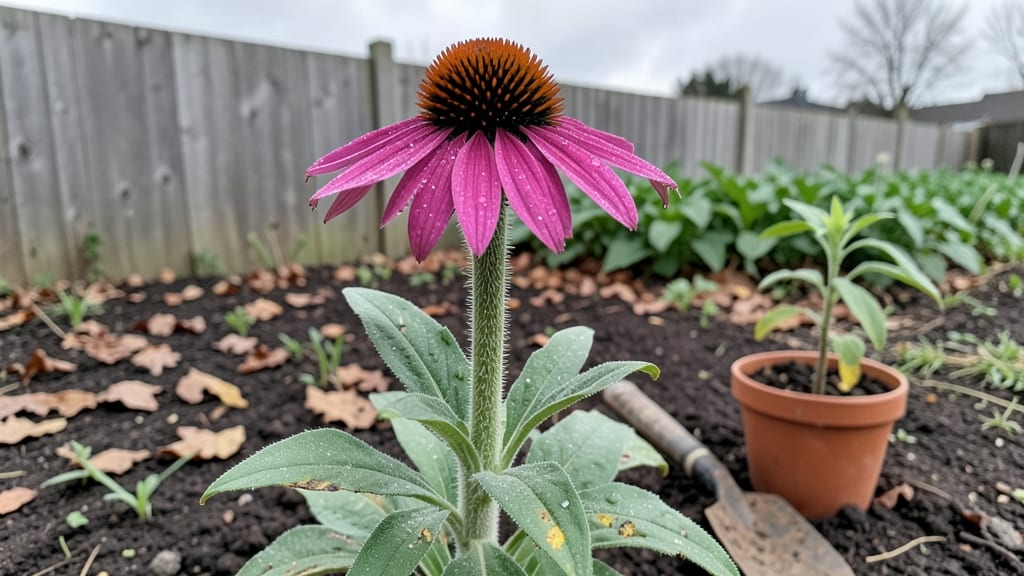
Planting cone flowers in the Pacific Northwest means choosing hardy perennials that thrive in our damp, cool summers—like the purple Echinacea purpurea or the striking Echinacea paradoxa with its drooping petals. 🌿 I’ve grown these for years, and they’ve become my go-to for pollinators, especially hummingbirds that flock to their nectar-rich blooms by midsummer.
The key is mimicking their natural habitat: well-draining soil, full sun, and patience for those first sturdy stems to emerge.
You’ll need a sunny spot with at least 6 hours of light daily, a well-draining soil mix (amend heavy clay with compost), and 18-24 inches of spacing between plants to give them room to spread.
Dig holes just deep enough to cover the roots but leave the crown slightly above soil level—this prevents rot in our wet winters. Water deeply after planting, then let the soil dry slightly between waterings once established.
By late summer, you’ll be rewarded with vibrant blooms that last from July through frost, their cone-shaped centers providing winter interest even after the petals fade. Hummingbirds will visit daily, and your garden will buzz with activity.
The best part? These perennials multiply over time, giving you free plants to share with neighbors.
For our region’s climate, avoid soggy soil by planting on a slight mound or in raised beds, and choose varieties like ‘White Swan’ for contrast or ‘Magnus’ for extra height. Start with just a few, and you’ll have a hummingbird magnet in no time—no fancy tricks required.
📚 In This Guide
- What you need
- Instructions
- Tips and common mistakes
- Wrapping up and next steps
What you need
- ● Cone flower plants: 3–5 Echinacea purpurea (purple cone flower) or Echinacea pallida (pale purple) plants (perennial, hardy to USDA zones 3–9)
- ○ Optional: Varieties like Echinacea ‘White Swan’ or ‘Hot Papaya’ for color diversity
- ● Soil amendments: 2–3 cups compost or well-rotted manure per planting hole
- ● 1 cup perlite or sand (to improve drainage in clay-heavy PNW soil)
- ● Planting tools: 1 garden trowel or hand shovel
- ● 1 pruning shears (for trimming dead foliage)
- ● 1 watering can (1–2 gallons) or hose with a gentle spray nozzle
- ● Sunlight: A spot with full sun (6+ hours/day)—PNW shade won’t cut it!
- ● Well-draining soil: Cone flowers hate soggy roots. Amend heavy soil with compost or raise beds if needed.
- ● Spacing: Plant 18–24 inches apart for airflow and future growth.
- ● Water source: Keep soil consistently moist (but not waterlogged) for the first 2 weeks.
Step-by-Step instructions for planting cone flowers in the Pacific Northwest
Here's how to establish these hardy perennials for years of hummingbird visits and low-maintenance beauty.
🌱 Step 1: Choose the Right Location and Prepare the Soil
Cone flowers (Echinacea) thrive in the Pacific Northwest's mild climate when given the right conditions. Select a site that receives full sun to partial shade—at least 4-6 hours of direct sunlight daily. While they tolerate some shade, especially in hotter inland areas, they'll bloom more prolifically in sunnier spots. Avoid low-lying areas where cold air pools in winter, as these plants prefer good drainage.
Test your soil's drainage by digging a 12-inch deep hole and filling it with water. If it drains within 2 hours, your soil is suitable. If not, amend the area with 2-3 inches of compost or organic matter mixed into the top 6 inches of soil. Cone flowers prefer slightly acidic to neutral soil with a pH between 6.0 and 7.0. If your soil is too alkaline, add sulfur or peat moss to adjust the pH before planting.
🪴 Step 2: Plant at the Correct Depth and Spacing
Dig holes that are twice as wide as the root ball but only as deep as the container. Cone flowers have deep taproots, so avoid planting too deeply, which can cause rot. Gently remove the plant from its container and loosen any circling roots with your fingers. Place the plant in the hole so the top of the root ball sits level with the surrounding soil—never bury the crown, as this invites disease.
Space plants 18-24 inches apart for single varieties or 24-36 inches apart if mixing with other perennials. This spacing allows for air circulation, reducing the risk of fungal diseases common in the Pacific Northwest's damp climate. Backfill the hole with native soil, pressing gently to eliminate air pockets. Water deeply to settle the soil and encourage root contact.
☀️ Step 3: Water and Mulch for Establishment
Water newly planted cone flowers deeply once a week for the first 2-3 months, providing 1-1.5 inches of water per week. This encourages deep root growth, which is critical for their long-term survival in our region's variable rainfall. Avoid overhead watering, which can spread disease; instead, use a soaker hose or drip irrigation at the base of the plant. You'll know you're watering correctly when the soil 2-3 inches below the surface feels consistently moist but not soggy.
Apply a 2-3 inch layer of organic mulch, such as shredded bark or straw, around the base of the plant, keeping it 2-3 inches away from the stem to prevent rot. Mulch helps retain soil moisture, suppress weeds, and regulate soil temperature. Replenish the mulch layer annually in early spring to maintain its effectiveness. Cone flowers are drought-tolerant once established, but consistent moisture during their first season ensures strong root development.
✂️ Step 4: Prune and Maintain for Continuous Blooms
In early spring, cut back the previous year's stems to 6 inches above the ground to encourage new growth and more abundant flowering. This is also the time to divide mature clumps if they've outgrown their space—every 3-4 years, dig up the plant, separate the root sections, and replant them. Cone flowers self-seed readily, so you may see volunteer plants popping up around your garden; thin these to 12-18 inches apart to maintain healthy spacing.
Deadhead spent blooms by cutting the stems back to the first set of healthy leaves. This practice encourages the plant to produce more flowers and extends the blooming season, which is especially important for hummingbirds migrating through the Pacific Northwest. Fertilize lightly in early spring with a balanced, slow-release fertilizer (10-10-10) to support vigorous growth. Avoid heavy fertilization, as cone flowers prefer lean soil and may produce fewer blooms if overfed.
Tips & tricks for perfect cone flower planting
These expert tips will help you establish thriving cone flowers that bring hummingbirds to your Pacific Northwest garden for years.
Sunlight Strategy: In Step 1, while 4-6 hours of sunlight works, I've found that positioning your plants on the eastern side of garden beds gives them morning sun without the intense afternoon heat of southern exposures. This subtle adjustment can mean the difference between sparse blooms and lush, continuous flowering throughout our region's cooler summers.
Soil Test Shortcut: Testing your soil's pH before planting saves headaches later. Grab a DIY soil test kit from your local garden center—it's cheap and gives you instant results. Cone flowers prefer that 6.0-7.0 pH range, and adjusting with sulfur or peat moss before planting (as mentioned in Step 1) prevents future pH-related stress that can stunt growth.
Planting Depth Visual: When planting in Step 2, think of the root ball like a pancake—it should sit level with the surrounding soil, not buried like a pancake in syrup. Press your finger about 1 inch below the top of the root ball—if it feels firm, you're at the right depth. This prevents crown rot while ensuring roots have access to moisture.
Watering Hack: For the 2-3 month establishment period in Step 3, I recommend setting up a simple drip irrigation system on a timer for 10 minutes daily—this delivers that 1-1.5 inches per week consistently without the risk of overhead watering spreading disease. Check soil moisture at 2-3 inches deep with your finger—it should feel like a wrung-out sponge, not a soggy washcloth.
Pro Tips for Cone Flower Planting
- These expert tips will help you establish thriving cone flowers that bring hummingbirds to your Pacific Northwest garden for years.
- Sunlight Strategy: In Step 1, while 4-6 hours of sunlight works, I've found that positioning your plants on the eastern side of garden beds gives them morning sun without the intense afternoon heat of southern exposures.
- Soil Test Shortcut: Testing your soil's pH before planting saves headaches later.
Frequently asked questions
Got questions about growing cone flowers in the Pacific Northwest? You’re not alone!
Here are answers to the most common queries to help you cultivate a thriving hummingbird haven.
When is the best time to plant cone flowers in the PNW?
Plant Echinacea purpurea or other varieties in early spring (March–April) or early fall (September–October) for optimal root establishment. Avoid planting in late summer—heat stress can hinder growth. If starting from seeds, sow them indoors 8–10 weeks before the last frost for a head start!
Do cone flowers thrive in the PNW’s wet climate?
Yes! Cone flowers are drought-tolerant once established, but they handle the PNW’s occasional rain well. Ensure well-draining soil to prevent root rot, especially in winter. Mulch with 2–3 inches of organic matter (like shredded bark) to protect roots and retain moisture during wet spells.
Why aren’t hummingbirds visiting my cone flowers?
Hummingbirds love cone flowers, but a few factors might deter them:
- Timing: Peak blooming (June–September) aligns with their feeding season.
- Pesticides: Avoid chemicals—hummingbirds are sensitive to them.
- Location: Plant near feeders or in sunny spots for visibility.
- Deadheading: Remove spent blooms to encourage continuous flowers.
Pro tip: Add a red feeder nearby to attract them faster!
Can I grow cone flowers in containers or small gardens?
Dwarf varieties like ‘White Swan’ or ‘Kim’s Knee High’ thrive in 5-gallon containers with well-draining potting mix. Place them in full sun (6+ hours/day) and water consistently until established. Containers help manage moisture in the PNW’s variable weather!
What pests or diseases should I watch for in PNW gardens?
Cone flowers are generally low-maintenance, but keep an eye out for:
- Aphids: Spray with water or use insecticidal soap.
- Powdery mildew: Improve airflow and avoid overhead watering.
- Japanese beetles: Handpick or use neem oil.
Most issues arise from overwatering or poor drainage, so amend soil with compost and space plants 18–24 inches apart for airflow.
Wrapping up and next steps
Planting cone flowers isn’t just about adding beauty to your Pacific Northwest garden—it’s about creating a thriving ecosystem for hummingbirds and pollinators while enjoying low-maintenance perennials. Whether you’re a beginner or a seasoned gardener, these hardy plants bring color, resilience, and life to your outdoor space with minimal effort.
Ready to dive in? Start by choosing the right variety for your zone, then grab your tools and get planting! Soon, you’ll be rewarded with vibrant blooms and a buzzing garden full of happy visitors. Happy gardening! 🌸🐦