
Flowers
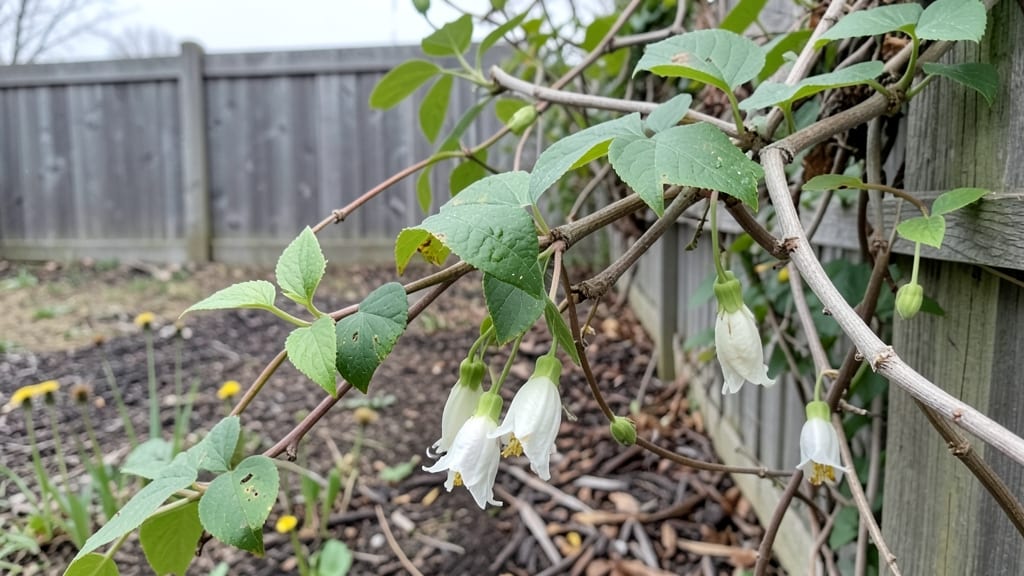
Your Pacific Northwest garden deserves a white flower vine that thrives through frost and rain—clematis, jasmine, or wisteria will transform vertical spaces into dreamy, fragrant canopies. 🌿 I’ve grown all three in my damp, cool-climate yard, and the right vine can turn a plain fence into a romantic arbor or a balcony into a lush retreat.
The key is matching the vine’s growth habits to your structure and sunlight.
For frost-resistant options, clematis ‘Jackmanii’ handles our chilly springs and falls beautifully, while wisteria’s early blooms beat the winter blues. Jasmine ‘Winter’ stays fragrant even in cool weather, and morning glories self-seed reliably.
You’ll need sturdy trellises, pergolas, or obelisks—just avoid flimsy wire that won’t support heavy blooms when soaked with rain.
Imagine climbing vines spilling over a pergola in June, their white blooms contrasting against emerald leaves, or a balcony draped in fragrant jasmine by summer’s end. These vines thrive in partial shade, making them perfect for shady corners where other plants struggle.
With the right support, they’ll climb 10–20 feet in a season, creating instant vertical drama.
Pair white flowers with deep greens for contrast or add pops of purple clematis for drama. For small spaces, morning glories in containers work wonders. The secret? Prune in early spring to encourage strong new growth—just don’t cut too late, or you’ll miss the first flush of blooms.
Let’s bring that vertical magic to your garden!
📚 In This Guide
- What you need
- Instructions
- Tips and common mistakes
- Wrapping up and next steps
What you need
- ● White Flower Vine (Hoya carnosa or related frost-resistant varieties): 1-3 mature plants (for quick impact) or seeds (if starting from scratch)
- ● Note: Ensure the variety is labeled as frost-tolerant (e.g., Hoya carnosa or Ceropegia woodii for milder climates).
- ● Potting Mix: 1 bag (5-10 gallons) of well-draining, cactus/succulent mix (or add perlite/pebbles to regular soil for aeration).
- ● Container or Trellis: 1 hanging basket (12"+ diameter) or
- ● 1 vertical trellis, obelisk, or fence panel (3-6 feet tall)
- ● Slow-Release Fertilizer: 1 packet (10-10-10 NPK ratio) for potted plants.
- ● Garden Tools: Trowel or small shovel
- ● Pruning shears (sterilized with rubbing alcohol)
- ○ Glove (optional, for handling prickly stems)
- ● Watering Can or Hose: With a gentle spray nozzle (overwatering is the #1 killer!).
- ● Mulch: 1 bag of organic mulch (e.g., bark chips) to insulate roots in winter.
- ○ Optional (But Helpful): Moisture meter (to check soil dryness)
- ● Shade cloth (30-50%) for seedlings in hot PNW summers
- ● Frost cloth (for young plants in Zone 7 or colder)
How to grow a thriving white flower vine in the Pacific Northwest
This frost-tolerant beauty thrives in your region’s climate—here’s how to plant and care for it.
🌱 Step 1: Choose the Right Vine and Planting Location
Select a white-flowering vine like clematis, honeysuckle, or star jasmine, all of which handle Pacific Northwest winters well. Plant in early spring or fall, when soil temperatures are cool but not frozen. Choose a spot with partial shade to full sun—morning sun with afternoon shade works best in hotter inland areas.
Vines need sturdy support, so install a trellis, arbor, or pergola before planting. The structure should be at least 6 feet tall for climbing varieties like clematis. If planting near a fence or wall, ensure it’s well-anchored—these vines can weigh 50+ pounds when mature. Dig a hole twice as wide as the root ball but only as deep as the container it came in.
💧 Step 2: Prepare Soil and Plant Correctly
Amend the planting hole with 2-3 inches of compost to improve drainage and fertility. Pacific Northwest soil can be heavy and compacted, so mix in a handful of perlite or coarse sand if your soil feels dense. Place the vine in the hole, ensuring the top of the root ball sits level with the ground—burying too deep suffocates the plant.
Backfill with native soil, pressing gently to remove air pockets. Water deeply until moisture reaches 12 inches down, then add 2-3 inches of mulch around the base (but not touching the stem) to retain moisture and regulate soil temperature. This step is critical—vines wilt quickly in dry conditions, and mulch prevents that.
☀️ Step 3: Water and Fertilize for Strong Growth
Keep soil consistently moist for the first 6-8 weeks, watering 2-3 times per week unless rain provides 1 inch of moisture. After establishment, water deeply once a week—vines store water in their roots and stems, so they tolerate drought better than many garden plants. You’ll know it’s time to water when the top 2 inches of soil feel dry to the touch.
Feed with a balanced, slow-release fertilizer (10-10-10) in early spring and again after flowering. Pacific Northwest soil often lacks phosphorus, which is key for blooms. Scatter ½ cup of fertilizer around the base, then water deeply to activate it. Avoid high-nitrogen fertilizers—they promote leafy growth at the expense of flowers.
✂️ Step 4: Prune for Health and More Blooms
Prune late winter or early spring (February-March) before new growth begins. For clematis, cut back last year’s stems by half—this encourages strong new shoots and more flowers. For honeysuckle or star jasmine, trim only to shape, removing any dead or crossing branches. Use clean, sharp pruners to avoid tearing bark, which invites disease.
Deadhead spent blooms throughout the season to redirect energy into new flowers. In fall, cut back any weak or diseased stems but leave healthy ones—Pacific Northwest winters are mild enough that many vines stay green year-round. This pruning strategy keeps your vine compact, productive, and frost-resistant for years.
⏰ Step 5: Protect in Harsh Winters (If Needed)
Most white-flowering vines handle Pacific Northwest winters (USDA zones 7-9) with ease, but a hard freeze below 15°F can damage tender varieties. If your vine shows signs of winter stress (brown stems, no new growth in spring), wrap it in burlap or frost cloth after the first frost. Remove the protection in early spring once temperatures stay above 40°F for a week.
Mulch heavily in late fall (4-6 inches) to insulate roots. If your vine is young or particularly delicate, mound extra soil or straw around the base for added protection. You’ll know it’s working if the vine sprouts vigorously in spring—no wilting or stunted growth means your winter prep succeeded.
Tips & tricks for perfect white flower vine growth
These simple tricks will help your white-flowering vine thrive in Pacific Northwest conditions—no green thumb required!
Location is Everything: Pay special attention to Step 1's planting location. In hotter inland areas like the Columbia Gorge, morning sun with afternoon shade is your best bet. I've seen star jasmine wither in full afternoon sun—it gets too hot even in our mild summers. If you're unsure about your microclimate, observe how nearby plants perform during peak summer afternoons before committing to a spot.
Support Structure Matters: Don't skimp on support! That 6-foot trellis in Step 1 isn't just a suggestion—clematis vines can reach 20 feet if left unchecked. I learned this the hard way when my first attempt used a flimsy plastic trellis that collapsed under the weight. Invest in a sturdy metal or wooden arbor that can handle 50+ pounds. For fences, use heavy-duty brackets designed for climbing plants.
Soil Prep Secret: The 2-3 inches of compost in Step 2 is non-negotiable for our region's heavy clay soil. I always add an extra handful of perlite to the mix—it makes a huge difference in drainage. You'll notice the difference immediately when planting: roots spread more easily in well-amended soil. Pro tip: Test your soil's moisture level by squeezing a handful—if it forms a tight ball, it's too compacted and needs more perlite.
Winter Protection Strategy: That 4-6 inches of mulch in Step 5 is your vine's best friend during winter. I've seen vines survive -10°F winters with proper protection, but those below 15°F can still be risky. For extra insurance, add a layer of straw over the mulch—it provides additional insulation without smothering the plant. Remember to remove winter protection in early spring once temperatures consistently stay above 40°F for a week.
Pro Tips for White Flower Vine
- These simple tricks will help your white-flowering vine thrive in Pacific Northwest conditions—no green thumb required!
- Location is Everything: Pay special attention to Step 1's planting location.
- Support Structure Matters: Don't skimp on support!
Frequently asked questions
Got questions about growing and caring for your white flower vine? You're not alone!
Here are some of the most common queries from gardeners in the Pacific Northwest and beyond—plus quick, practical answers to keep your vertical beauty thriving.
Is the white flower vine truly frost-resistant?
The white flower vine (often Pyrostegia venusta, or flame vine, or Hardenbergia violacea in cooler climates) varies by species, but many varieties—like Clematis hybrids or Bignonia types—tolerate light frosts (20–25°F) once established. For extra protection, mulch the base and prune back damaged growth in spring. Pro tip: Choose Clematis armandii for the hardiest white-blooming options!
When is the best time to plant white flower vine?
Plant in early spring (after the last frost) or early fall (6–8 weeks before the first frost) for optimal root establishment. Avoid summer heatwaves, which stress young vines. If transplanting mature vines, do it in spring—they’re less likely to shock and bloom faster. Bonus: Start seeds indoors 8–10 weeks before the last frost for a head start!
How do I train a white flower vine to climb?
Use a trellis, arbor, or sturdy fence (4–6 feet tall) with horizontal supports for tendrils to latch onto. Gently tie stems to the structure with soft twine or plant ties every 12 inches as they grow. Avoid wire mesh—it can damage delicate stems. Water deeply after training to reduce stress. Tip: Prune leggy growth in early spring to encourage bushier, upward growth!
What pests or diseases should I watch for?
Common issues include:
- Aphids (sap-sucking insects) – Spray with water or use insecticidal soap.
- Powdery mildew (white fungal spots) – Improve airflow and apply neem oil.
- Spider mites (tiny webs) – Keep vines hydrated and use horticultural oil.
Prevent problems by watering at the base (not overhead) and removing fallen leaves. Most white-flowering vines are low-maintenance, but Clematis may need extra care—choose disease-resistant varieties like 'Jackmanii'.
Can I grow white flower vine in containers?
Yes! Dwarf varieties like Clematis montana or Bignonia capreolata thrive in 15–20 gallon containers with well-draining soil. Use a trellis or obelisk for support and repot every 2–3 years. Place containers in partial shade (especially in hot afternoons) and water consistently. Pro tip: Add compost to potting mix for nutrient-rich growth!
Wrapping up and next steps
Transforming your Pacific Northwest garden with white flower vine isn’t just about aesthetics—it’s a resilient, low-maintenance upgrade that thrives where others falter. 🌱 From its frost-hardy charm to its easy-care nature, this vertical beauty adds elegance while standing up to the region’s unpredictable weather.
Whether you’re a seasoned gardener or just starting, now’s the perfect time to plant, nurture, and enjoy its lush, snow-white blooms.
Ready to get growing? Start small with a single vine—or go bold and create a stunning vertical display. Grab your gloves, pick a sunny spot, and let nature do the rest! 🌸