
Flowers
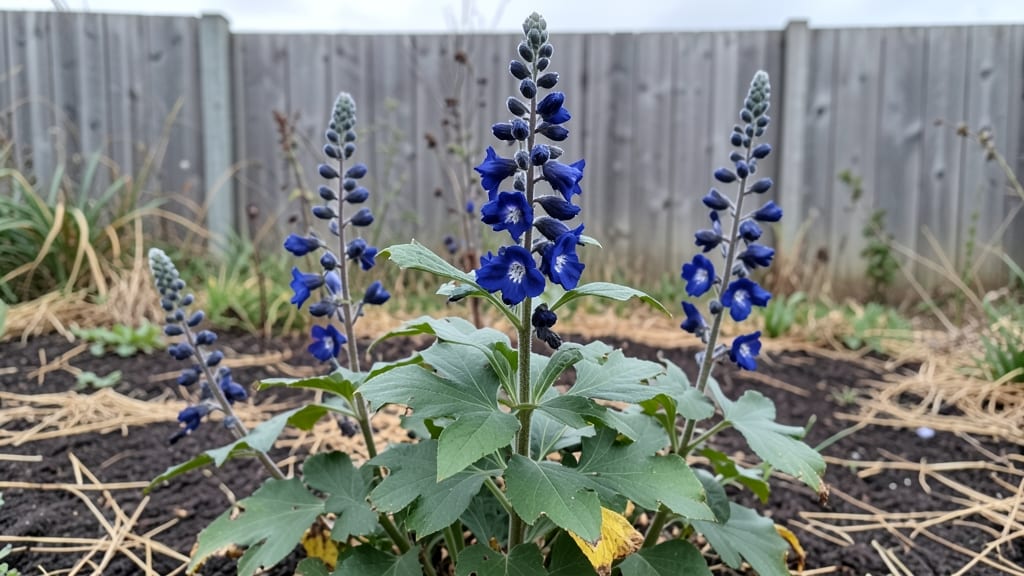
The Pacific Northwest's blue spike flowers steal every show with their striking vertical drama and drought-smart resilience. 🌿 I fell for them after seeing how they transformed a dry corner of my garden into a lush, textured masterpiece—no extra water needed.
Delphiniums, salvias, and agapanthus reach for the sky while their deep blues and purples create a cool contrast against the region's evergreen backdrop.
These towering beauties thrive in full sun with minimal fuss, making them perfect for borders, focal points, or even container gardens. Delphiniums hit 4-6 feet tall, while salvias stay more compact at 2-4 feet, and agapanthus offers 3-5 feet of bold, strap-like blooms.
Their blooming seasons overlap from early summer through fall, giving you months of vertical interest without the high-maintenance upkeep.
Pair them with silver foliage plants like lamb's ear or dusty miller to highlight their color, or tuck them behind lower perennials to create depth. I love how they frame pathways when planted in clusters—every stroll through the garden becomes a mini art gallery.
The key is giving them room to stretch and letting their natural shape shine.
For the PNW's unpredictable rain and dry spells, these plants are the ultimate low-effort statement. Once established, they handle drought like champions while still looking fresh enough to photograph. Start with a few spikes, and you'll wonder why you didn't fill your garden with them sooner.
📚 In This Guide
- What you need
- Instructions
- Tips and common mistakes
- Wrapping up and next steps
What you need
- ● Blue spike flowers (Delphinium or similar drought-tolerant varieties): Seeds: 1–2 packets (50–100 seeds per packet)
- ● OR Potted plants: 3–5 mature plants (6–12 inches tall)
- ● Well-draining soil: Native PNW soil mix (amended with compost, 20–30% organic matter)
- ● OR Pre-mixed cactus/succulent soil (for containers)
- ● Sunlight access: Full sun (6+ hours/day) for optimal growth
- ● Watering can or hose with a gentle spray nozzle
- ○ Garden gloves (optional but recommended for handling thorny stems)
- ● Garden trowel or shovel (for transplanting)
- ● Pruning shears (for trimming dead flowers or overgrowth)
- ● Stakes or trellis (to support tall spikes, especially in windy PNW climates)
- ● Mulch (gravel or wood chips) to retain moisture and suppress weeds
- ● Slow-release fertilizer (balanced 10-10-10 or organic options like fish emulsion)
- ● Rain gauge or moisture meter (to monitor drought conditions)
- ● Decorative containers (if planting in pots) (ensure drainage holes!)
How to plant and maintain blue spike flowers for stunning vertical impact
These drought-tolerant beauties thrive with minimal fuss—here's how to make them pop in your PNW garden.
🌱 Step 1: Choose the Right Location and Soil
Blue spike flowers—like salvia, delphinium, or liatris—love full sun to partial shade (at least 6 hours of sunlight daily). In the Pacific Northwest's mild climate, they appreciate a spot with afternoon shade during summer's peak heat. I always test the soil first by squeezing a handful—if it crumbles easily, it's ready. If it stays clumpy, amend with 2-3 inches of compost to improve drainage.
These plants hate soggy roots, so avoid low-lying areas where water pools. A slight slope or raised bed ensures excess moisture drains away. In containers, use a well-draining potting mix with perlite to prevent compaction. The key is loose, fertile soil—amend garden beds with a 5-10-5 fertilizer at planting time to give them a strong start.
🪴 Step 2: Plant at the Correct Depth and Spacing
Dig holes twice as wide as the root ball but only as deep—planting too deep suffocates the stem. Gently remove the plant from its container and loosen any circling roots with your fingers. Place it in the hole so the top of the root ball sits level with the surrounding soil (no burying the crown). For 4 plants, space them 18-24 inches apart in rows or clusters to allow air circulation and prevent fungal issues.
Backfill with soil, pressing lightly around the base to eliminate air pockets. Water deeply right after planting to settle the soil and encourage root contact. Here's the thing—don't overwater now. These plants are drought-tolerant once established, so let the soil dry slightly between waterings after the first week. You'll see new growth within 7-10 days if conditions are right.
☀️ Step 3: Water and Fertilize for Long-Lasting Blooms
Water deeply once a week during the first growing season, aiming for 1 inch of water per week. In the PNW's rainy climate, you might need to adjust—check the soil 2 inches down with your finger. If it's damp, hold off; if dry, water thoroughly. Mulch with 2-3 inches of wood chips around (but not touching) the stems to retain moisture and suppress weeds. This also keeps roots cool in summer's occasional heatwaves.
Feed with a balanced liquid fertilizer (10-10-10) every 4-6 weeks during the growing season. Stop fertilizing in late summer to encourage blooming rather than leafy growth. Deadhead spent blooms regularly—simply pinch off the faded flower spikes with your fingers. This redirects energy to new growth and extends the blooming season by 3-4 weeks.
✂️ Step 4: Prune and Prepare for Winter
After the first frost, cut back the stems to 2-3 inches above the ground. This prevents disease and makes cleanup easier. In late winter (around February), rake away old mulch and add fresh compost to replenish nutrients. These perennials are hardy in the PNW, but a light layer of straw mulch (2 inches) protects young plants from temperature swings. I've found that dividing clumps every 3-4 years keeps them vigorous—dig up the plant, separate the roots, and replant sections in early spring.
Real talk: Blue spike flowers are low-maintenance, but don't skip the pruning. Neglected plants can become woody and produce fewer blooms. With proper care, they'll reward you with vertical drama and butterfly magnet status for years. Watch for powdery mildew in humid summers—spray with a baking soda solution (1 tsp per gallon of water) if you spot white powder on leaves.
Tips & tricks for stunning blue spike flowers
Here's what nobody tells you about making your blue spike flowers truly stand out in your PNW garden.
Sunlight Strategy: While these plants love full sun, I've found that in the Pacific Northwest's cooler summers, they actually perform best with morning sun and afternoon shade. This prevents leaf scorch while still giving them the light they need for vibrant blooms. If you notice leaves turning yellow or crispy, they're getting too much direct afternoon heat.
Soil Test Hack: Instead of just squeezing soil to test moisture, I dig a small hole near where you'll plant and fill it with water. If the water drains within 30 minutes, your soil has good drainage. If it pools, you'll need to amend with more compost or create a raised bed. Proper drainage is everything for these drought-tolerant beauties.
Planting Depth Visual: When planting, use a stick or pencil to mark where the top of the root ball should sit level with the surrounding soil. This simple trick prevents the common mistake of burying the crown, which can lead to rot. Remember, the top of the root ball should be at ground level—no higher, no lower.
Watering Wisdom: The "1 inch per week" rule is a great guideline, but in the PNW's rainy climate, you might need to adjust. I check soil moisture 2 inches down with my finger—if it's damp, skip watering. If dry, give them a deep drink. Mulching with wood chips helps maintain consistent moisture without overwatering, which is especially important during our rainy seasons.
Pro Tips for Blue Spike Flowers
- Here's what nobody tells you about making your blue spike flowers truly stand out in your PNW garden.
- Sunlight Strategy: While these plants love full sun, I've found that in the Pacific Northwest's cooler summers, they actually perform best with morning sun and afternoon shade.
- Soil Test Hack: Instead of just squeezing soil to test moisture, I dig a small hole near where you'll plant and fill it with water.
Frequently asked questions
Got questions about blue spike flowers? Here are some of the most common ones—and their answers—to help you grow these stunning drought-tolerant beauties with confidence!
What are the best blue spike flowers for the Pacific Northwest?
The standout choices for the PNW include Delphinium (larkspur), Echinacea (purple coneflower), and Salvia varieties like Salvia nemorosa. These thrive in the region’s mild climate and well-drained soils. For a true vertical spike, Delphinium is a top pick—it can reach 4-6 feet tall!
When is the best time to plant blue spike flowers?
Plant in early spring (March–April) or early fall (September–October) for the best results. This gives roots time to establish before summer heat or winter frost. Avoid planting in extreme heat—young plants may struggle with transplant shock.
How often should I water blue spike flowers?
Once established, these flowers are drought-tolerant, but newly planted spikes need consistent moisture. Water deeply 1–2 times per week during the first growing season. After that, water only when the soil feels dry 2–3 inches below the surface. Mulching helps retain moisture!
Can I grow blue spike flowers in containers?
Yes! Smaller varieties like Salvia or Echinacea thrive in containers with well-draining soil and a 5-gallon pot minimum. For taller spikes like Delphinium, choose a large, sturdy container (10+ gallons) and stake them for support. Ensure containers have drainage holes to prevent root rot.
What pests or diseases should I watch for with blue spike flowers?
Common issues include aphids, slugs, and powdery mildew (especially in humid PNW summers). To prevent pests, space plants properly for airflow and remove debris. For mildew, water at the base (not overhead) and avoid overcrowding. Neem oil or insecticidal soap can treat infestations.
What flowers pair well with blue spike flowers for a vertical garden?
Complement their height with shorter, textured plants like Ornamental Grasses (e.g., Miscanthus), Russian Sage, or Black-Eyed Susans. For color contrast, try Silver Falls Dichondra (silvery foliage) or Lavender. These combinations create a stunning layered look!
Wrapping up and next steps
Blue spike flowers—like Delphinium or Lupinus—are the Pacific Northwest’s stunning, drought-resistant stars, perfect for adding height and drama to any garden. 🌿 Their striking blues and purples not only thrive in dry conditions but also attract pollinators while requiring minimal fuss.
Whether you’re a seasoned gardener or just starting, these vertical accents are a game-changer for low-maintenance beauty.
Ready to transform your space? Start by selecting your favorite blue spike variety and follow the simple steps above to plant and care for them. Before you know it, your garden will be buzzing with color—and pollinators—all season long! 🌸