
Flowers
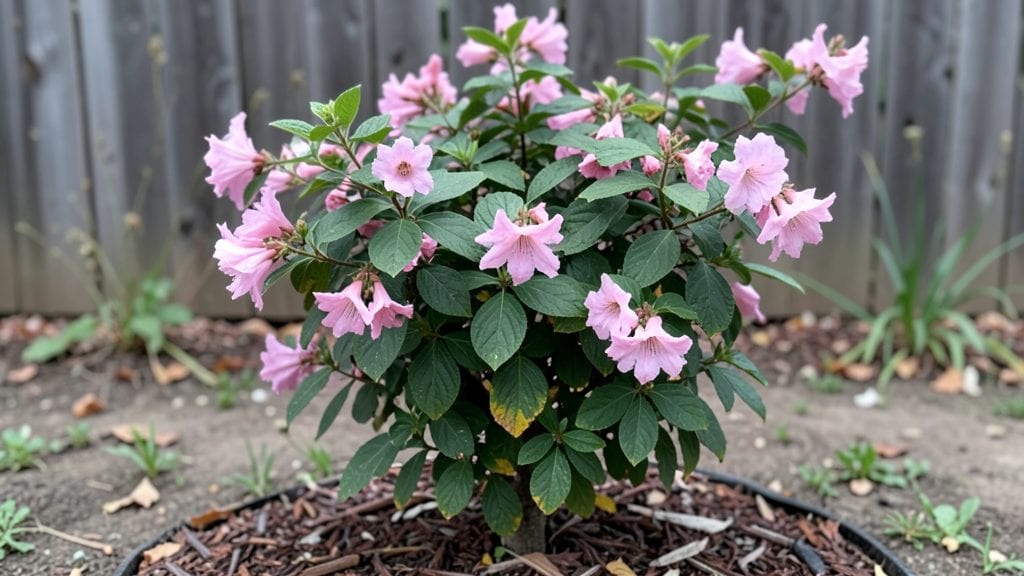
Pink-flowering evergreen shrubs transform Pacific Northwest gardens into hummingbird hotspots year-round. 🌸 I remember the first time I spotted a Pieris japonica in full bloom—its cascading pink clusters against deep green foliage stopped me in my tracks.
These shrubs aren't just pretty; they're the backbone of gardens that thrive in our damp, mild climate while attracting pollinators from early spring through winter.
The magic happens when you pair them right. A Rhododendron with its glossy leaves and dramatic blooms looks stunning alongside silver-blue heuchera for contrast, while Camellia varieties add structure with their glossy evergreen leaves and late-winter flowers.
For modern landscapes, try grouping them with ornamental grasses or boxwood for clean lines, while cottage gardens benefit from their relaxed, layered look with peonies or lavender.
You'll create a garden that feels alive in every season—spring's pink blooms, summer's hummingbird activity, and winter's structured evergreen backbone. The best part? These shrubs handle our rainy winters and cool summers better than most annuals, giving you low-maintenance beauty that keeps evolving as they grow.
Let's design your dream PNW garden with these stars.
Whether you're framing a patio, softening a foundation planting, or adding height to a border, these shrubs deliver year-round interest with minimal effort. Their adaptability means you can use them in sun or shade, though most prefer partial shade in our climate.
Start with one or two as focal points, then build around them—your garden will thank you for years to come.
📚 In This Guide
- What you need
- Instructions
- Tips and common mistakes
- Wrapping up and next steps
What you need
- ● Evergreen shrub plants: 1–3 nursery-grown Pieris japonica (Andromeda) or Rhododendron varieties (e.g., 'Elf' or 'Pink Perfection'). Choose hummingbird-friendly cultivars with pink or red blooms.
- ● Well-draining potting mix: 5–10 gallons (for containers) or 2–3 cubic yards (for in-ground planting). Opt for a peat moss or pine bark blend with acidic pH (4.5–6.0).
- ● Organic mulch: 2–3 inches of pine needles, cedar chips, or bark to retain moisture and mimic natural forest floors.
- ● Slow-release fertilizer: 1–2 lbs of acid-loving plant fertilizer (e.g., 10-10-10 or rhododendron-specific blend).
- ● Watering can or hose with a gentle spray nozzle: For deep but infrequent watering (avoid soggy roots!).
- ● Garden trowel or spade: For digging holes (1.5x wider than the root ball).
- ○ Gloves (optional but recommended): To protect hands from pine needles or sharp bark.
- ● Pruners (sterilized): Sharp, bypass pruners for trimming dead branches or shaping.
- ○ pH testing kit (optional): To verify soil acidity before planting.
- ● Container (if not planting in-ground): A 15–20 gallon pot with drainage holes (for dwarf varieties).
- ● Sunlight: Partial shade (3–6 hours of morning sun)—ideal for PNW’s damp climate.
- ● Moisture-retentive soil: Amend clay soil with compost or peat moss if drainage is poor.
- ● Hummingbird-friendly location: Plant near feeders or flowering perennials to create a pollinator hub!
How to select and plant hummingbird-friendly evergreens with pink flowers
Here's how to choose and establish the perfect Pacific Northwest evergreen shrub that thrives year-round while attracting hummingbirds.
🌱 Step 1: Choose the Right Variety for Your Climate
For the Pacific Northwest's USDA Zones 7-9 and 6-7 in sheltered microclimates, focus on hardy evergreens like Pacific Dogwood (Cornus nuttallii) or Oregon Grape Holly (Mahonia aquifolium). Both produce stunning pink flowers in spring and provide year-round structure. Pacific Dogwood's dramatic bracts create a showy display, while Oregon Grape Holly offers glossy foliage and edible berries that hummingbirds adore.
Check your specific microclimate—coastal areas benefit from more moisture-tolerant varieties like Vancouveria hexandra, while inland sites thrive with drought-resistant Rhododendron 'Pink Pearl'. I always verify a plant's mature size against my space—nothing worse than a 15-foot shrub planted where it'll outgrow its welcome within 10 years.
🪴 Step 2: Prepare the Planting Site for Year-Round Success
Select a location with morning sun and afternoon shade—this protects foliage from harsh afternoon rays while ensuring sufficient light for flowering. Test your soil's pH (ideal range: 5.0-6.0 for most evergreens) using a simple test kit. Amend heavy clay soil with 2-3 inches of compost mixed into the top 12 inches of soil to improve drainage.
Dig a hole twice as wide as the root ball but only as deep. The top of the root ball should sit 1 inch above ground level—this prevents waterlogging. I always loosen the root ball slightly before planting to encourage root spread into surrounding soil. For container-grown plants, remove the pot and check for circling roots—tease them apart gently with your fingers.
☀️ Step 3: Plant and Establish for Long-Term Growth
Place the shrub in the hole, backfill with native soil (don't add amendments here), and water thoroughly to settle the roots. Create a 2-inch deep mulch ring around the base using wood chips or bark, keeping it 6 inches away from the trunk to prevent rot. This mulch layer maintains moisture while protecting roots from winter temperature swings.
Water deeply twice weekly for the first 6-8 weeks until new growth appears. You'll know establishment is working when you see dark green, glossy foliage and the first flush of pink flower buds forming. Avoid fertilizing during the first year—new plants need to focus on root development rather than top growth.
✂️ Step 4: Prune for Health and Hummingbird Appeal
Prune immediately after flowering to remove any dead or crossing branches while the plant is still in active growth. Use clean, sharp shears to make cuts at a 45-degree angle just above an outward-facing bud. Never remove more than 25% of the plant's volume in one season—this prevents stress and maintains the shrub's natural form.
Focus pruning on opening up the center of the shrub to improve airflow and sunlight penetration. Hummingbirds prefer plants with easy access to nectar-rich flowers, so avoid heavy pruning that reduces flowering potential. I always step back after pruning to visualize the plant's shape—this ensures I haven't created awkward gaps or an unbalanced silhouette.
💧 Step 5: Maintain for Year-Round Hummingbird Visits
Water established plants once weekly during dry spells, providing 1-1.5 gallons per watering. Evergreens in the Pacific Northwest often face winter desiccation, so I apply 2 inches of mulch in late fall to protect roots. Fertilize annually in early spring with acid-loving plant fertilizer (10-10-10 ratio) applied according to package instructions.
Monitor for pests like spider mites or aphids—these can stress plants and reduce flowering. I treat early infestations with a soapy water spray (1 tablespoon mild dish soap per gallon of water) applied in the early morning. Healthy evergreens with abundant pink flowers will attract hummingbirds year after year, creating a vibrant garden ecosystem that thrives in the Pacific Northwest's unique climate.
Tips & tricks for perfect hummingbird-friendly evergreen planting
Here's what nobody tells you about creating a thriving Pacific Northwest garden that hummingbirds can't resist.
Variety Selection Wisdom: When choosing between Pacific Dogwood and Oregon Grape Holly, consider your specific needs. Pacific Dogwood's dramatic pink bracts create stunning spring displays, but Oregon Grape Holly's edible berries provide extra value for wildlife. For coastal gardens, Vancouveria hexandra's moisture tolerance makes it a standout choice that thrives where others struggle. I always check mature size first—nothing worse than a 15-foot shrub planted where it'll outgrow its welcome within a decade.
Soil Preparation Secret: The 5.0-6.0 pH range isn't just a number—it's the sweet spot for these acid-loving plants. I've seen evergreens struggle in alkaline soil despite perfect care. For heavy clay soils, mix that 2-3 inches of compost into the top 12 inches, but don't overdo it—too much organic matter can actually raise pH levels. A simple soil test kit reveals everything you need to know about your garden's foundation.
Planting Position: That morning sun and afternoon shade isn't arbitrary—it's about balancing light needs with foliage protection. The afternoon sun in Pacific Northwest summers can scorch delicate evergreen leaves, while morning light provides enough energy for flowering. I always visualize the sun's arc across my garden before planting, marking potential locations with stakes to test light patterns throughout the day.
Establishment Timeline: Those first 6-8 weeks of twice-weekly watering are critical for root development. I've learned this the hard way—skipping watering during this period can lead to stunted growth that never fully recovers. Look for dark green, glossy foliage as your signal that roots are spreading properly. The first flush of pink flower buds is your reward for patience during this establishment phase.
Pro Tips for Evergreen Shrub With Pink Flowers
- Here's what nobody tells you about creating a thriving Pacific Northwest garden that hummingbirds can't resist.
- Variety Selection Wisdom: When choosing between Pacific Dogwood and Oregon Grape Holly, consider your specific needs.
- Soil Preparation Secret: The 5.0-6.0 pH range isn't just a number—it's the sweet spot for these acid-loving plants.
Frequently asked questions
Got questions about adding a stunning evergreen shrub with pink flowers to your Pacific Northwest garden? You’re not alone! Here are answers to the most common queries to help you make the best choice for your hummingbird-friendly landscape.
Which evergreen shrubs with pink flowers thrive best in the PNW’s rainy climate?
The Oregon Grape (Mahonia aquifolium) and Salal (Gaultheria shallon) are top picks—they’re hardy, drought-tolerant once established, and handle the region’s moisture well. For bold pink blooms, Rhododendron ‘Pink Pearl’ or Pieris japonica ‘Cavatine’ are also excellent choices that attract pollinators.
When is the best time to plant these shrubs in the Pacific Northwest?
Plant in early spring (March–April) or fall (September–October) for optimal root establishment. Avoid summer heat or winter frosts. If planting in fall, choose a mild day and water thoroughly to help roots settle before dormancy.
Do these shrubs really attract hummingbirds, or is that just marketing?
Not marketing—science! Shrubs like Pieris (Andromeda) and Rhododendron produce nectar-rich pink flowers that hummingbirds love. For extra appeal, pair them with native Salal or Oregon Grape, which also support pollinators. Pro tip: Plant near feeders to create a hummingbird hotspot!
How do I keep my evergreen shrub healthy in shady PNW gardens?
Most evergreens with pink flowers tolerate shade but thrive in partial sun (3–6 hours/day). For shady spots, choose Salal or Rhododendron ‘Roseum Elegans’, which handle lower light. Ensure well-draining soil—waterlogged roots are a common issue in the PNW. Mulch with pine needles to mimic their natural forest floor.
What’s a good alternative if I want pink flowers but need a faster-growing shrub?
If you’re impatient, try Weigela ‘Wine & Roses’—it blooms pink in spring/summer and grows 2–3 feet per year. For a native option, Symphoricarpos albus ‘Hancock’ (snowberry) offers pinkish-white flowers and spreads quickly. Just note: it’s deciduous, not evergreen.
Why are the leaves on my evergreen shrub turning yellow or brown?
Yellowing leaves often signal overwatering or poor drainage—common in PNW’s clay soils. Brown edges? It could be sunburn (too much direct sun) or fungal issues from wet foliage. Prune affected branches, improve drainage, and avoid overhead watering. If pests like spider mites are present, spray with neem oil.
Wrapping up and next steps
Transforming your Pacific Northwest garden into a hummingbird haven is easier—and more beautiful—than you think! 🌸 Evergreen shrubs like Pacific Dogwood and Salal offer year-round charm with their lush foliage and stunning pink blooms, while also supporting local wildlife.
Whether you’re a seasoned gardener or just starting, these resilient plants thrive with minimal fuss, making them the perfect addition to any outdoor space.
Ready to plant the seeds for a vibrant, pollinator-friendly garden? Start by choosing your favorite evergreen shrub, gathering the right tools, and giving these blooms the love they deserve. Your next step? Pick a sunny spot, dig in, and watch your garden—and hummingbird visitors—thrive! 🐦⬛💖