
Flowers
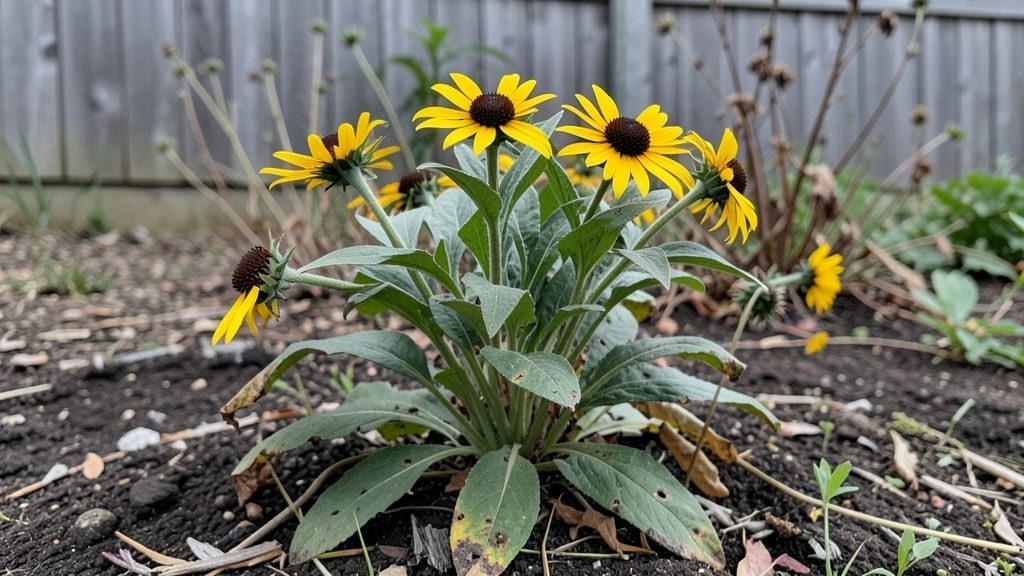
Soft yellow flowers like Lonicera periclymenum 'Graham Thomas' bring sunshine to Pacific Northwest gardens—even through cool, damp springs. 🌿 I planted mine last fall, and by early June, it was already climbing my arbor, its fragrant blooms attracting hummingbirds before most other climbers even think about waking up.
The secret to its success here? Cold-hardy vines that thrive in zones 4–8 without fuss. Pair it with purple clematis for a striking contrast or let it mingle with silver-blue hebe for a soft, textured border.
It’s the kind of plant that rewards patience—each year, it stretches higher, its scent stronger, until it becomes the star of your vertical garden.
You’ll love how it transforms bare walls or trellises into lush, fragrant canopies. The blooms last for weeks, and the foliage stays green even when other climbers struggle. Plus, it’s deer-resistant, which is a bonus if you’re dealing with hungry neighbors in the yard.
For best results, plant in well-draining soil and give it morning sun to protect the blooms from afternoon rain. Prune lightly after flowering to keep it tidy, and watch it return bigger and better every season—no deadheading required.
📚 In This Guide
- What you need
- Instructions
- Tips and common mistakes
- Wrapping up and next steps
What you need
- ● Plants: 1–3 soft yellow-flowering vines (e.g., Lonicera flava, Clematis ‘Jackmanii’, or Hydrangea petiolaris—check local nurseries for cold-hardy varieties).
- ○ Potting soil: 1–2 bags (50 lb each) of well-draining, acidic soil mix (pH 5.0–6.5). Optional: Add 1 part perlite or sand for extra drainage.
- ● Mulch: 2–3 bags of wood chips or pine straw (to retain moisture and protect roots in winter).
- ● Fertilizer: 1 bag of slow-release, organic fertilizer (e.g., 10-10-10 or composted manure). Pro tip: Avoid high-nitrogen blends—these climbers prefer balanced nutrition!
- ● Garden tools: 1 trowel (for planting)
- ● 1 pruners (sterilized, sharp)
- ● 1 garden fork (for loosening soil)
- ● 1 measuring tape (to mark spacing—aim for 3–6 feet apart for climbers).
- ● Support structure: 1 trellis, arbor, or fence (6+ feet tall; ensure it’s sturdy—these vines can get heavy!).
- ● Watering supplies: 1 hose with adjustable nozzle or watering can
- ○ Drip irrigation kit (optional) for consistent moisture.
- ○ Safety gear (optional but wise):strong> 1 pair of gardening gloves
- ● 1 sun hat or umbrella (PNW weather can be unpredictable!).
- ● Epsom salt: 1 lb (for magnesium boost—mix 1 tbsp per gallon of water monthly during growing season).
- ● Companion plants: Heuchera (coral bells) or Ferns (to add texture and shade roots).
- ● Bird feeder: Place nearby to attract pollinators (🐦🌸)—these flowers love visitors!).
How to grow Pacific Northwest's fragrant yellow climbing flowers
This cold-hardy climber thrives in PNW's damp climate—here's how to coax its delicate blooms to life.
🌱 Step 1: Select the Right Site and Prepare the Soil
Choose a location with partial shade to dappled sunlight—this climber avoids harsh afternoon sun that can scorch petals. The Pacific Northwest's cool, moist climate is ideal, but ensure your spot has well-draining soil to prevent root rot. I always test the soil first by squeezing a handful—if it stays clumped, mix in 2-3 inches of compost to improve aeration.
This plant loves moisture but hates soggy roots, so amend heavy clay soil with 1 part perlite to 3 parts native soil. The goal is a loamy texture that holds moisture without becoming waterlogged. If your garden has poor drainage, consider planting in a raised bed or mound to elevate roots slightly.
🪴 Step 2: Plant in Early Spring or Fall for Best Establishment
Timing matters—plant 4-6 weeks before your last frost date in spring or 6-8 weeks before first frost in fall. The cooler temperatures help roots establish before summer heat arrives. Dig a hole twice as wide as the root ball but no deeper—this encourages outward root growth rather than downward stress.
Gently remove the plant from its container and loosen any circling roots with your fingers. Place it in the hole so the top of the root ball sits 1 inch below soil level—this prevents stem rot while allowing flexibility for future mulching. Backfill with native soil mixed with compost, tamping lightly to eliminate air pockets.
☀️ Step 3: Provide Support and Prune for Abundant Blooms
This climber needs 6-8 feet of vertical support—I use a trellis or arbor with 1-inch diameter stakes for stability. Install supports at planting to avoid disturbing roots later. Train the main stem along the structure, securing it with soft plant ties every 12 inches as it grows.
Prune strategically: In early spring, remove dead or crossing branches to improve airflow. After flowering, cut back one-third of the oldest stems to encourage new growth. This plant blooms on current season's growth, so regular pruning keeps flowers coming all summer. Watch for new shoots at the base—these are your plant's insurance for future blooms.
💧 Step 4: Water Deeply and Mulch for Winter Protection
Water deeply once weekly during the first growing season, aiming for 1 inch of water per week. You'll know you're doing it right when the top 2 inches of soil feel moist but not saturated. In the Pacific Northwest's rainy climate, supplemental watering is usually only needed during dry spells or in summer.
Apply 3 inches of mulch (cypress or cedar chips work well) around the base, keeping it 2 inches away from the stem. This conserves moisture, regulates soil temperature, and protects roots during winter. In late fall, add an extra 2 inches of mulch before the first hard frost to shield tender roots from freezing.
✂️ Step 5: Deadhead and Fertilize for Continuous Blooming
Deadhead spent blooms every 2-3 weeks throughout the growing season to encourage more flowers. Simply pinch off faded blossoms with your fingers—no need for pruners. This plant is heavy bloomer, but it rewards the effort with waves of soft yellow flowers from early summer until frost.
Fertilize lightly in early spring with balanced 10-10-10 fertilizer at half strength. I apply it 6 inches away from the stem and water it in immediately. Avoid high-nitrogen fertilizers—they promote leafy growth at the expense of flowers. Instead, focus on phosphorus and potassium to support blooming and root development.
Tips & tricks for perfect soft yellow flowers in the Pacific Northwest
These expert insights will help you coax the most vibrant, fragrant blooms from your cold-resistant climber—without the common pitfalls that frustrate gardeners.
Soil Test First: Before amending your soil in Step 1, grab a handful and squeeze it tightly. If it holds its shape when released, you need more compost or perlite to improve drainage. I've seen soggy roots ruin even the hardiest climbers—this simple test prevents that heartbreak. The goal is a loamy texture that crumbles easily when dry.
Timing is Everything: In Step 2, don't rush planting! The 4-6 week window before last frost gives roots time to establish before summer heat arrives. I've learned this the hard way—planting too early in cold soil can stunt growth. Check your local frost dates and mark your calendar accordingly. For fall planting, give yourself that extra 6-8 week buffer before first frost.
Support Structure Matters: When installing your 6-8 foot trellis in Step 3, bury the stakes at least 12 inches deep for maximum stability. I've seen flimsy supports topple under the weight of this vigorous climber. Use soft plant ties every 12 inches along the main stem to guide growth without restricting it. This prevents the plant from twisting awkwardly as it matures.
Pruning Precision: In Step 3, when cutting back one-third of the oldest stems after flowering, make clean cuts at a 45-degree angle just above a leaf node. This encourages new growth while maintaining the plant's structural integrity. I always prune on a dry, sunny day to minimize disease risk. The key is to remove only the oldest stems—never more than one-third at a time.
Pro Tips for Soft Yellow Flowers
- These expert insights will help you coax the most vibrant, fragrant blooms from your cold-resistant climber—without the common pitfalls that frustrate gardeners.
- Soil Test First: Before amending your soil in Step 1, grab a handful and squeeze it tightly.
- Timing is Everything: In Step 2, don't rush planting!
Frequently asked questions
Got questions about soft yellow flowers? You’re not alone! Here are some of the most common queries—plus quick, practical answers to help you grow, care for, or enjoy these stunning climbers.
What are the best soft yellow flowers for Pacific Northwest gardens?
Top picks include Lonicera periclymenum (Honeysuckle), Clematis viticella (Jackmanii), and Rosa 'New Dawn'. These thrive in the PNW’s mild, wet climate, offering fragrant blooms and cold resistance. Look for varieties labeled "hardy" or "zone 7-9" for best results!
Can soft yellow flowers survive PNW winters?
Many soft yellow climbers, like Honeysuckle and Clematis, are highly cold-resistant (down to 10°F/-12°C). Mulch the base with wood chips in fall, and prune lightly after dormancy. Avoid heavy snow buildup on vines—gently brush it off to prevent damage.
How do I encourage more blooms on my yellow flowering climber?
Prune strategically! For Clematis, cut back dead or weak stems in early spring, leaving 2-3 feet of growth. For Honeysuckle, trim after flowering to shape the plant. Feed with phosphorus-rich fertilizer (like 5-10-10) in early spring to boost blooms. Pro tip: Deadhead spent flowers to redirect energy!
Are soft yellow flowers attractive to bees and butterflies?
Yes! Many, like Honeysuckle and Clematis, are pollinator magnets. Their tubular shapes and sweet fragrance draw bees, hummingbirds, and butterflies. Plant near pollinator-friendly herbs (e.g., lavender, thyme) to create a buzzing garden ecosystem. Bonus: Avoid pesticides to keep these visitors happy!
What can I do if my yellow flowers aren’t blooming this year?
Check these fixes:
- Light: Ensure 6+ hours of sun (most climbers need this!).
- Water: Drought stress can halt blooms—keep soil moist but not soggy.
- Pruning: Over-pruning or cutting at the wrong time (e.g., late summer) may reduce flowers.
- Fertilizer: A balanced feed (like 10-10-10) in spring can help.
Are there non-climbing alternatives with soft yellow flowers?
Try these PNW-friendly non-climbing options:
- Rudbeckia (Black-Eyed Susan): Drought-tolerant and cheerful.
- Coreopsis (Tickseed): Long-blooming and low-maintenance.
- Solidago (Goldenrod): Late-summer pollinator favorite.
- Erigeron (Fleabane): Delicate daisy-like blooms.
Wrapping up and next steps
Soft yellow flowers like the Pacific Northwest’s Clematis lasiantha aren’t just a burst of sunshine—they’re resilient, fragrant, and perfect for adding warmth to your garden even in cooler climates. 🌸 Whether you’re drawn to their delicate petals, cold-hardy nature, or effortless charm, these climbers are a game-changer for year-round beauty. Ready to transform your outdoor space? Start small: plant a single vine, experiment with companion plants, or share your newfound love for these blooms with fellow gardening enthusiasts!