
Flowers
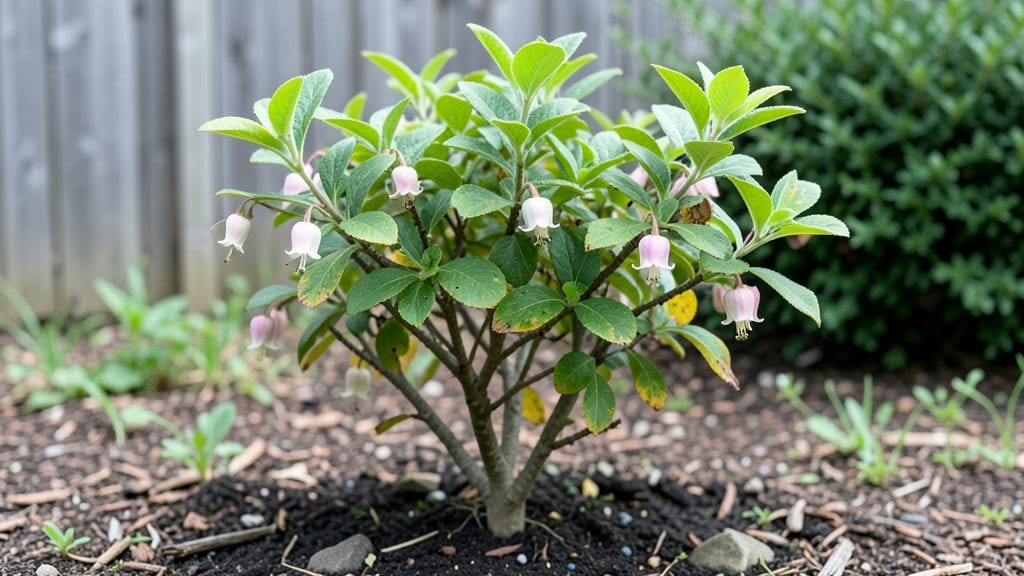
The first blush of spring brings those delicate white bell-shaped blueberry flowers—tiny but mighty harbingers of summer’s sweetest harvest. 🌸 I’ll never forget the year my bushes produced so many berries that neighbors started asking for cuttings, all because I finally understood their secret needs.
These flowers aren’t just pretty; they’re the foundation of a productive plant that rewards patience with gallons of juicy fruit.
Blueberries demand specific conditions to thrive: acidic soil (pH 4.5-5.5), full sun, and protection from late frosts. My first attempt failed when I ignored the pH test—leaves turned yellow, and the flowers dropped before fruiting.
Since then, I’ve perfected a foolproof system using peat moss, sulfur, and a simple at-home pH kit. The key is consistency: once established, these bushes need minimal fuss beyond occasional pruning and winter mulch.
By midsummer, you’ll be harvesting deep blue berries that burst with flavor, and the process gets easier each year. The flowers return reliably if you prune correctly (cutting back old wood in late winter), and birds stay away once the berries start ripening.
Even in colder zones, these plants bounce back with proper winter care—no green thumbs required.
Whether you’re growing in containers or full sun beds, this guide covers everything from soil prep to pest control. Let’s get those bushes blooming—and fruiting—like never before.
📚 In This Guide
- What you need
- Instructions
- Tips and common mistakes
- Wrapping up and next steps
What you need
- ● Blueberry flower plants (Vaccinium spp.) – Choose frost-resistant varieties like Vaccinium corymbosum (highbush) or Vaccinium angustifolium (lowbush). 2-4 plants (for pollination, plant at least two).
- ● Well-draining acidic soil (pH 4.5–5.5) – 50 lbs of peat moss, pine bark fines, or a blueberry-specific soil mix.
- ● Organic mulch – 2–3 inches of pine straw, wood chips, or shredded leaves to retain moisture and acidity.
- ● Slow-release fertilizer – 1 lb of acid-loving plant fertilizer (10-10-10 or 7-7-7) or cottonseed meal (10-0-0).
- ● Watering can or hose with a gentle spray nozzle – 1–2 gallons per plant for initial watering.
- ● Garden gloves and pruning shears – Sharp, sterilized shears for trimming.
- ● Soil pH test kit – Ensures your soil stays in the ideal acidic range.
- ● Drip irrigation system – Automates watering for consistent moisture.
- ● Frost cloth or row covers – Protects young plants in early spring or late fall.
- ● Container pots (12–18 inches deep) – If growing in pots, use 1–2 plants per container with drainage holes.
- ● Epsom salt (magnesium sulfate) – 1 tbsp per gallon of water as a foliar spray for nutrient boosts.
Step-by-step instructions for growing blueberry flowers
Here’s how to nurture these frost-hardy blooms into a stunning, low-maintenance garden centerpiece.
🌱 Step 1: Select and Prepare the Planting Site
Blueberry flowers thrive in acidic soil with a pH between 4.5 and 5.5. Test your soil first—most garden centers sell affordable kits. If your soil is alkaline, amend it with sulfur or peat moss (work in 2-3 pounds per 100 square feet) and mix thoroughly. The plants need full sun—at least 6 hours daily—so choose a spot with no afternoon shade. I always dig a hole twice as wide as the root ball but only as deep, gently loosening the sides to encourage root spread.
Here’s the thing—blueberry flowers are shallow-rooted but sensitive to waterlogging. If your site has poor drainage, raise the bed by 6-12 inches using amended soil or a mound. You’ll know you’ve got it right when the soil feels like a damp sponge—not sticky or dry. Mulch heavily with pine needles or wood chips (2-3 inches) to maintain acidity and moisture.
☀️ Step 2: Plant with Care for Long-Term Health
Dig the hole and place the plant so the top of the root ball sits level with the soil surface—burying the crown too deep invites rot. Gently backfill with the amended soil, pressing lightly to remove air pockets. I like to water deeply right after planting to settle everything, then add a slow-release fertilizer (like 10-10-10) mixed into the soil. Space plants 4-6 feet apart—they’ll spread over time, and crowding leads to weak blooms.
Don’t rush to fertilize heavily right away. Blueberry flowers are sensitive to excess nitrogen, which promotes leafy growth at the expense of flowers. Instead, side-dress with composted leaves or pine fines in early spring. Watch for yellowing leaves—this often signals pH imbalance, not nutrient deficiency. Adjust with more sulfur if needed.
💧 Step 3: Water Strategically for Frost Resistance
Consistent moisture is critical, especially in the first year. Water deeply 1-2 times per week, aiming for 1-1.5 inches total. Let the top 2 inches of soil dry out between waterings—this prevents root rot while keeping the plant hydrated. In winter, reduce watering but don’t let the soil dry completely. A 3-4 inch layer of mulch insulates roots, protecting them from temperatures down to 10°F. I always check mulch depth in late fall—if it’s broken down, I top it up.
Here’s where it gets fun—blueberry flowers bloom in early spring, often before the soil thaws. To protect emerging buds from late frosts, drape frost cloth over the plants on cold nights below 28°F. Remove it during the day so the flowers get sunlight. You’ll see the first buds form in late winter; they’re delicate, so avoid overhead watering once they appear.
✂️ Step 4: Prune for Abundant Blooms
Prune in late winter or early spring before buds swell. Remove dead, diseased, or crossing branches first—these compete with healthy growth. Then, cut back last year’s growth by one-third, focusing on older wood. Blueberry flowers bloom on new wood, so pruning stimulates fresh, vigorous shoots. I always use clean, sharp shears to make cuts at a 45-degree angle just above a bud.
Real talk: Over-pruning reduces next year’s blooms. Never remove more than one-third of the plant in a single season. After pruning, apply a balanced fertilizer (like 10-10-10) to support new growth. You’ll notice new shoots emerging within 3-4 weeks—these are your future flowering branches. Thin them if crowded to improve air circulation and reduce disease risk.
🌿 Step 5: Maintain for Year-Round Beauty
Blueberry flowers are surprisingly low-maintenance once established. In early spring, add a 2-inch layer of compost around the base, keeping it 2 inches away from the stem to prevent rot. Monitor for aphids or spider mites—spray with neem oil if you spot them. These pests suck sap from buds, stunting blooms. I check plants weekly during warm months and treat at the first sign of infestation.
In fall, rake up fallen leaves (they can harbor pests) and top up mulch. Blueberry flowers are self-pollinating, but you’ll get even more blooms if you plant two varieties nearby. Enjoy the spring blooms, which last 3-4 weeks, and the edible berries that follow—though they’re tart, they’re perfect for jams or wildlife snacks. With this care, your plants will thrive for decades.
Tips & tricks for perfect blueberry flower growth
Mastering blueberry flower care means paying attention to the details that make all the difference between a struggling plant and one that thrives for decades.
Soil pH Precision: Testing your soil's pH is non-negotiable—blueberry flowers demand that 4.5-5.5 range like nothing else. I've seen plants languish in soil that tested 6.0 or higher, despite all other care being perfect. If you're amending with sulfur or peat moss, mix it thoroughly into the top 12 inches of soil, not just the surface. Think of it like baking: precise measurements matter, and this is no exception.
Root Ball Placement: The crown of your blueberry flower plant should sit level with the soil surface—never buried, never exposed. I learned this the hard way when I buried a plant too deeply, and it took two years to recover. Use a reference point like the top of the root ball's flare (where roots meet stem) to guide your planting depth. This simple step prevents rot and encourages strong root development.
Watering Strategy: Those 1-1.5 inches of water per week should be delivered deeply, not drizzled on top. I use a rain gauge to track rainfall and supplement only when needed. The key is letting the top 2 inches dry out between waterings—this mimics natural conditions and prevents root suffocation. In winter, reduce to just enough to keep soil from drying completely, but never soggy.
Pruning Timing: Late winter or early spring is the only time to prune blueberry flowers, and it's all about that one-third rule. Cut back last year's growth by exactly one-third, focusing on older wood. The buds for next year's flowers are already forming on new growth, so be surgical with your cuts. I mark my calendar for February 15th—this gives me a few weeks before buds swell while avoiding late frosts that could damage emerging shoots.
Pro Tips for Blue Berry Flower
- Mastering blueberry flower care means paying attention to the details that make all the difference between a struggling plant and one that thrives for decades.
- Soil pH Precision: Testing your soil's pH is non-negotiable—blueberry flowers demand that 4.5-5.5 range like nothing else.
- Root Ball Placement: The crown of your blueberry flower plant should sit level with the soil surface—never buried, never exposed.
Frequently asked questions
Got questions about growing blueberry flowers? You’re not alone!
Here are answers to the most common queries—from planting tips to troubleshooting—to help your frost-resistant blooms thrive.
When is the best time to plant blueberry flowers?
Plant Vaccinium corymbosum (blueberry shrubs) in early spring or fall when the soil is workable but not frozen. Avoid summer heatwaves, which stress young roots. For container-grown flowers, transplant anytime (except winter) with a 2–3 inch layer of mulch to retain moisture.
Are blueberry flowers truly frost-resistant?
Yes! Most blueberry varieties (like ‘Top Hat’ or ‘Bluecrop’) tolerate light frosts down to 15–20°F. However, late spring frosts can damage delicate blooms. Use frost cloth or plant near heat-retaining walls if your area has unpredictable cold snaps. Hardy root systems help them recover quickly.
Can I grow blueberry flowers in containers?
Use 5-gallon pots or larger with well-draining soil (mix equal parts peat moss, pine bark, and sand). Add acid-loving plant fertilizer (pH 4.5–5.5) and place containers in full sun (6+ hours/day). Dwarf varieties like ‘Peach Sorbet’ are perfect for patios.
Why aren’t my blueberry flowers blooming?
Common culprits:
- Improper pH: Test soil—blueberries need acidic conditions (4.5–5.5). Amend with sulfur or peat moss if needed.
- Over-fertilizing: Too much nitrogen = leafy growth, no flowers. Use a low-nitrogen, high-phosphorus fertilizer in early spring.
- Young plants: Blueberry shrubs take 2–3 years to bloom. Be patient!
Pro Tip: Prune in late winter to remove dead wood and encourage new growth.
How do I attract pollinators to blueberry flowers?
Blueberries are self-pollinating, but bees and butterflies boost fruit production! Plant native pollinator-friendly flowers nearby (like lavender or borage) and avoid pesticides. Morning sun (when bees are active) is ideal for placement.
Wrapping up and next steps
Growing blueberry flower bushes is a rewarding journey that brings beauty, fragrance, and resilience to your garden! 🌸 With the right care—whether you’re nurturing Vaccinium corymbosum for edible berries or Rhododendron for stunning blooms—you’ll enjoy frost-resistant plants that thrive year-round.
Start small, stay patient, and let your garden flourish with these versatile, low-maintenance wonders.
Ready to take the next step? Pick your favorite variety, gather your supplies, and plant with confidence! Whether you’re a beginner or a seasoned gardener, your blueberry flowers will thank you with vibrant blooms and bountiful rewards. 🌱✨