
Shrubs
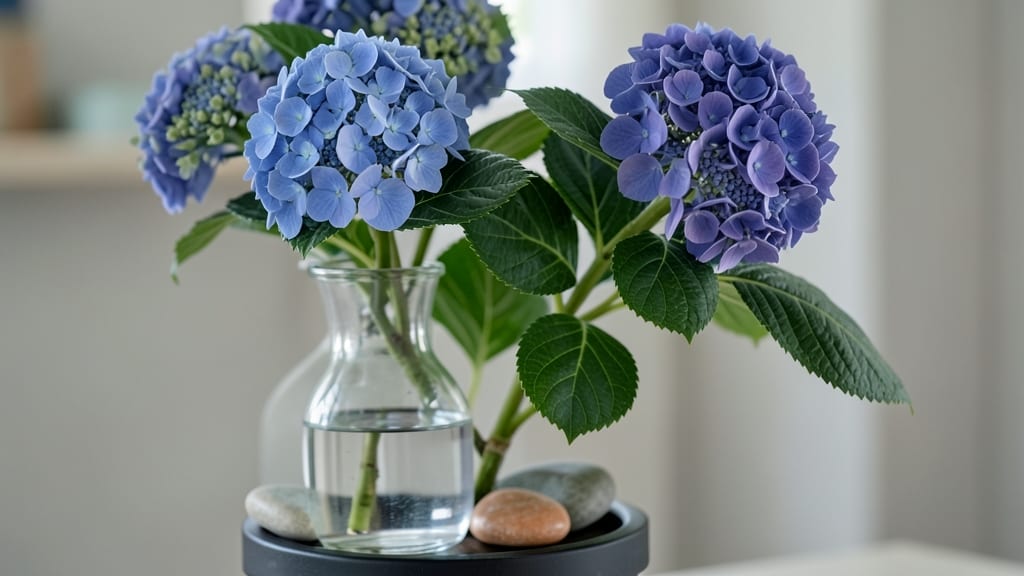
Nothing beats the soft blush of cherry blossoms or the golden cascade of forsythia in a vase—flowering branches in a vase turn any space into a seasonal masterpiece without the upkeep of a full garden.
I've learned the simple tricks that keep them fresh for weeks, from the sharpest cut to the right water mix, and how to pair them with foliage for real drama.
The magic starts with what you pick: cherry blossoms in spring, lilacs in May, or dogwood in summer. Each branch needs a clean, diagonal cut just above a bud or leaf node, and a quick dip in warm water before arranging.
A simple 1-inch slice at the base lets them drink up water like a thirsty plant—no fancy equipment needed, just a sharp knife and a deep vase.
You'll end up with arrangements that smell like a spring morning or a summer storm, staying vibrant for 10-14 days with the right care. The secret? A splash of bleach in the water (just a teaspoon) to keep it fresh, and trimming stems every few days.
Pair with eucalyptus for texture or a sprig of baby's breath for volume—suddenly, your table looks like a botanical painting.
Works for weddings, dinner parties, or just because—no green thumb required. Here's how to make it effortless, no matter the season or your skill level.
📚 In This Guide
- What you need
- Instructions
- Tips and common mistakes
- Wrapping up and next steps
What you need
- ● Flowering branches: Choose fresh-cut branches (e.g., cherry blossoms, lilac, or wisteria) or dried varieties like dried hydrangeas or preserved roses. Aim for 3–5 stems, each 18–36 inches long.
- ● Vase: A clear or opaque glass/metal vase (8–12 inches tall) with a wide base for stability. For dried branches, a ceramic or wooden vase adds rustic charm.
- ● Floral preservative: 1 packet (or 1 tsp of sugar + 2 tbsp bleach per quart of water) to extend freshness (skip for dried branches).
- ● Scissors or pruners: Sharp, clean tools to trim stems at a 45-degree angle.
- ● Water: Room-temperature (not tap water if heavily chlorinated).
- ● Floral foam: For heavy branches or long-lasting arrangements (cut to fit your vase).
- ● Decorative elements: Pebbles, moss, or twine for texture; ribbons or lace for elegance.
- ● Spray adhesive: For securing dried branches (if not using foam).
- ● Colorful vase liner: A tissue paper or fabric liner to hide water stains.
Step-by-Step instructions for creating long-lasting flowering branches in a vase
Here's how to transform cut branches into vibrant, long-lasting centerpieces that brighten any room.
Select and Prepare the Branches
Choose branches with tight buds that haven't opened yet—these will bloom longest. Look for stems with at least 3-4 buds per branch, as each bud will produce a flower. Cut stems at a 45-degree angle about 6 inches from the base using sharp pruners to maximize water absorption. Do this early in the morning when stems are hydrated.
Strip any leaves from the bottom 3-4 inches of each stem. Leaves submerged in water will rot quickly and cloud the vase water. If the stems are woody or have a thick bark, score the bottom inch with a knife in ¼-inch vertical slits—this increases surface area for water uptake. Place branches immediately in a bucket of lukewarm water to prevent air bubbles from blocking the stems.
Create the Perfect Hydration Solution
Fill a clean vase with room-temperature water and add 1 tablespoon of white vinegar to prevent bacterial growth. A drop of bleach (or a commercial flower preservative) also works, but vinegar is gentler on most branches. Arrange the stems so they're evenly spaced—crowding reduces air circulation and shortens vase life.
Trim stems again under water to remove any air pockets that may have formed during transport. Use a sharp knife for clean cuts, not scissors, which crush stems. Add a few drops of sugar-free floral preservative if available, or mix 1 teaspoon of sugar and 1 teaspoon of bleach per quart of water for a DIY solution. This helps the branches absorb water and nutrients more efficiently.
Encourage Blooming and Maintain Freshness
Place the vase in a location with bright, indirect light—direct sunlight can cause flowers to wilt prematurely. Most flowering branches bloom best at 65-75°F. Watch for buds that begin to open; once 25-50% of buds are open, move the vase to a cooler spot (like a shaded windowsill) to slow further blooming and extend display time.
Change the water every 2-3 days and trim stems by ½ inch each time. This prevents bacterial buildup and keeps stems drawing up fresh water. If you notice leaves yellowing or stems drooping, recut the stems under water immediately—this often revives them. Avoid placing branches near drafts, heating vents, or fruits (like apples), which release ethylene gas that accelerates wilting.
Extend the Display Beyond the Bloom
Once flowers begin to fade, don't discard the branches. Remove spent blooms but leave the stems in the vase—they'll often develop new foliage or even rebloom if cared for properly. Prune any wilted leaves or damaged stems to keep the arrangement looking fresh. Mist the branches lightly with water if the air in your home is very dry, as this helps maintain their structure.
For a final touch, add a few drops of clear floral preservative to the water once more to nourish the branches. Many flowering branches, like forsythia or lilac, can last 2-3 weeks** with proper care—longer than cut flowers in many cases. Display them in groups of 3-5 branches for a fuller, more natural look that fills a vase beautifully.
Tips & tricks for perfect flowering branches in a vase
Here's what nobody tells you about making your flowering branches last longer than store-bought bouquets.
Selection Tip: In Step 1, when choosing branches, focus on those with tight buds that haven't started opening yet. These buds will produce the most vibrant flowers that last longest. I've found that branches with at least 3-4 buds per stem yield the best results—each bud will open into a full bloom. Also, cut branches early in the morning when they're fully hydrated, as this helps them absorb water more efficiently throughout the day.
Stem Preparation: The scoring technique in Step 1 is a game-changer for woody stems. When you make those ¼-inch vertical slits in the bottom inch of thick stems, you're creating more surface area for water absorption. This simple step can double the vase life of your branches. Just be careful not to cut too deep—you don't want to damage the stem's vascular system. Also, always place branches in lukewarm water immediately after cutting to prevent air bubbles from blocking the stems.
Hydration Solution: The vinegar in Step 2 isn't just for cleaning—it's a natural antibacterial agent that helps prevent bacterial growth in the water. If you don't have vinegar, a drop of bleach works too, but it's stronger and can affect some branches. For the DIY solution, remember that the sugar provides energy for the branches while the bleach prevents bacterial buildup. This combination can extend your branches' life by several days compared to plain water.
Light and Temperature: The 65-75°F temperature range mentioned in Step 3 is ideal for most flowering branches. If your home tends to be warmer, consider placing the vase in a cooler spot like a shaded windowsill once 25-50% of buds have opened. This helps slow down the blooming process and extends the overall display time. Also, bright indirect light is crucial—direct sunlight can cause flowers to wilt prematurely, while too little light can prevent buds from opening properly.
Pro Tips for Flowering Branches In Vase
- Here's what nobody tells you about making your flowering branches last longer than store-bought bouquets.
- Selection Tip: In Step 1, when choosing branches, focus on those with tight buds that haven't started opening yet.
- Stem Preparation: The scoring technique in Step 1 is a game-changer for woody stems.
Frequently asked questions
Got questions about keeping your flowering branches fresh and vibrant? Here are some of the most common queries—and their solutions—to help you master the art of vase arrangements:
How long will flowering branches stay fresh in a vase?
With proper care, flowering branches like Hydrangea or Lilac can last 7–14 days! Use clean water, trim stems at an angle, and change the water every 2–3 days. Cool spots (away from direct sunlight or heaters) extend their life even longer. Pro tip: Add a splash of bleach or floral preservative to the water for extra freshness!
How do I cut the stems properly to maximize vase life?
Always cut stems at a 45-degree angle (about 2 inches from the base) using sharp scissors or pruners. This increases water absorption. Don’t forget! Remove any leaves submerged in water to prevent bacterial growth. For woody branches (like Forsythia), a clean cut just above a node ensures better hydration. Bonus: Re-cut stems every few days for a fresh start!
What’s the best water to use for flowering branches?
Use room-temperature, distilled, or filtered water to avoid chlorine or contaminants that can shorten vase life. Tap water is fine if left out overnight to dissipate chlorine. Avoid never using water from a well or stagnant sources—it may contain bacteria. A 1:10 bleach-to-water ratio (1 tsp bleach per gallon) can disinfect the vase and stems.
Can I mix different types of flowering branches in one vase?
Mixing branches with similar care needs (e.g., Cherry Blossom + Magnolia) works beautifully. Avoid pairing heavy bloomers (like Peony) with delicate stems (like Baby’s Breath), as they may overpower or wilt faster. For harmony, balance colors, textures, and stem lengths. Tip: Trim stems to varying lengths for a natural, cascading look!
Why are my flowering branches wilting or dropping petals too soon?
Wilting or premature petal drop usually signals poor hydration, ethylene gas buildup, or bacterial growth. Check these fixes:
- Water issues: Refill the vase daily and recut stems every 2–3 days.
- Ethylene gas: Remove the vase from fruit bowls or ripening produce.
- Bacteria: Clean the vase with soap and water, then rinse thoroughly.
- Heat/sunlight: Keep branches away from radiators, vents, or direct sun.
Wrapping up and next steps
Bringing flowering branches in a vase into your home isn’t just about beauty—it’s about creating moments of joy and connection. Whether you’re gifting a bouquet, brightening your space, or celebrating a special occasion, these tips ensure your branches stay vibrant and fresh longer than ever. 🌸
Now that you’re armed with the best techniques, why not try it today? Grab a branch, a vase, and a little creativity—your space (and someone special) will thank you! Happy arranging! ✨