Planting
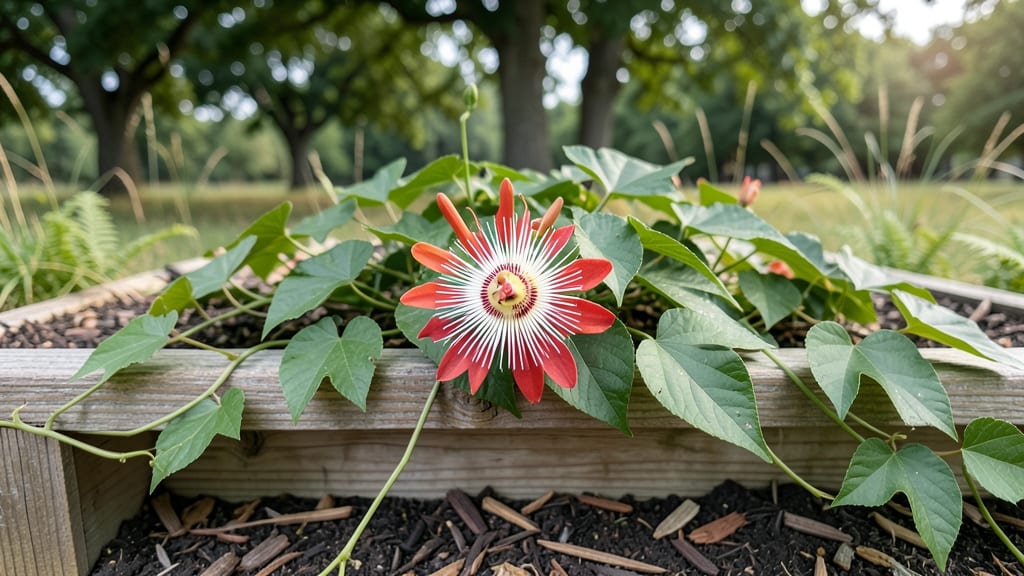
The red passion flower plant (Passiflora edulis) is a game-changer for gardeners who want edible blooms and cold-hardy vines that thrive where others fail.
I planted mine last spring after years of struggling with tropical vines that froze in winter, and now it’s the star of my trellis—producing fruit and flowers even in Zone 6. The secret lies in choosing the right variety and giving it the support it craves.
This vine isn’t just pretty—it’s productive. With 6-8 hours of sunlight daily and well-draining soil, it rewards you with vibrant red blooms that turn into sweet, tangy fruit perfect for jams or fresh eating.
The key is starting with a healthy plant (look for sturdy stems and no yellowing leaves) and installing a strong trellis or arbor early, since these vines can climb 15-20 feet in a single season.
Once established, it’s low-maintenance: water deeply once a week (more in summer heat) and fertilize lightly in spring with balanced 10-10-10. Prune back dead growth in early spring, and you’ll see new shoots bursting with energy.
The best part? It handles light frosts better than most passionflowers, making it the only vine that survives my zone’s winters.
For colder climates, grow it in containers and overwinter indoors—your fruit harvest will thank you. Whether you’re growing for the dramatic flowers, the edible fruit, or just a hardy vine that puts on a show, this plant delivers. Let’s get those roots in the ground!
📚 In This Guide
- What you need
- Instructions
- Tips and common mistakes
- Wrapping up and next steps
What you need
- ● Red passion flower seeds: 5–10 seeds (or a single cutting if propagating). Opt for Passiflora incarnata for cold-hardy varieties.
- ● Well-draining potting mix: 2–3 gallons (or a 5-gallon container for mature plants). Mix in perlite or sand (1 part perlite to 3 parts soil) for aeration.
- ● Container or garden bed: For potted plants: A 5–10 gallon container with drainage holes (terracotta or fabric pots work best).
- ● For garden planting: A sunny spot with 6+ hours of light and well-draining soil (amend with compost if needed).
- ● Fertilizer: A balanced, slow-release fertilizer (10-10-10) or organic options like fish emulsion (apply every 4–6 weeks).
- ● Support structure: A trellis, fence, or sturdy stake (6+ feet tall) to guide the vigorous vines.
- ○ Gloves (optional but helpful for handling thorny vines).
- ● Trowel or transplanting spade (for garden planting).
- ● Watering can or hose with a gentle spray nozzle (passion flowers dislike soggy roots!).
- ● Pruning shears (for shaping and harvesting blooms).
- ○ Mulch (optional): Straw or shredded leaves to retain moisture and suppress weeds.
- ● Cold frame or frost cloth (for Zone 5–6 growers): Protect young plants from late frosts (red passion flowers tolerate down to 0°F with winter care!).
How to grow a thriving red passion flower vine
This cold-tolerant beauty rewards patience with stunning blooms and edible fruit—here's how to coax it along.
Select the Perfect Planting Site
Red passion flower (Passiflora incarnata) thrives in full sun to partial shade, tolerating USDA zones 5-9—the cold-hardiest variety. Choose a location with at least 6 hours of direct sunlight daily, though afternoon shade in hot climates prevents leaf scorch. The vine's sprawling habit means it needs 6-10 feet of unobstructed space to climb or spread.
Test your soil's drainage before planting—passion flowers despise soggy roots. Dig a hole twice as wide as the root ball but no deeper. Amend heavy clay with 2-3 inches of compost mixed into the native soil. I always add a handful of bone meal at planting to encourage strong root development, which this vine relies on for winter survival.
Plant with Proper Spacing and Support
Space plants 8-10 feet apart when planting multiple vines—crowding leads to weak stems and poor fruiting. Position the root ball so the top sits 1 inch above ground level (never deeper) to prevent rot. Gently loosen the roots if they're pot-bound, then backfill with native soil mixed with 1 cup of 5-10-5 fertilizer per plant.
Install a 6-foot trellis or sturdy arbor immediately—passion flowers are aggressive climbers and need support from day one. I use galvanized metal trellises because they resist rust and last decades. Water deeply after planting to settle the soil and eliminate air pockets around the roots. The first few weeks are critical—keep the soil consistently moist but never waterlogged.
Maintain Through the Growing Season
Water 1-2 inches per week, focusing on the root zone rather than overhead sprinkling to prevent fungal diseases. Red passion flower is drought-tolerant once established, but young plants need consistent moisture for the first year. You'll know it's thriving when new growth appears within 4-6 weeks of planting—look for deep green, glossy leaves with 5-lobed patterns, a hallmark of healthy passion vines.
Fertilize monthly during the growing season with a balanced 10-10-10 formula, reducing to every 6 weeks in late summer to avoid soft new growth before winter. Prune dead or diseased stems immediately, but avoid heavy pruning until after flowering. The vine's tendril climbers will latch onto your trellis within weeks—let them grow freely to maximize blooms.
Prepare for Winter Survival
In zones 5-6, protect young plants with 4-6 inches of mulch (straw or shredded leaves) around the base after the first frost. Mature vines in zones 7-9 handle winter well but benefit from light winter pruning to remove weak or crossing stems. I never cut back more than one-third of the plant—this ensures robust regrowth in spring.
Watch for leaf drop in fall—this is normal as the vine enters dormancy. Resist the urge to water once growth stops. The key to cold hardiness is well-established roots, so avoid fertilizing after mid-summer. By late winter, you'll see new shoots emerging from the base—this signals it's ready for the next growing season.
Tips & tricks for perfect red passion flower plant growth
Here's what I've learned after growing these stunning vines for years—tricks that'll help you avoid common pitfalls and maximize those edible blooms.
Soil Preparation Tip: Before planting, I always conduct a simple drainage test by digging a hole, filling it with water, and checking how quickly it drains. Passion flowers need soil that dries out between waterings—if water pools after 6 hours, amend with more compost or sand. The 2-3 inches of compost mentioned in Step 1 isn't just about nutrients; it improves soil structure to prevent waterlogging, which can kill these tropical-looking plants in just days.
Sunlight Strategy: The 6 hours of direct sunlight requirement is non-negotiable for flowering, but here's the secret: position your trellis so the vine gets morning sun and afternoon shade in hot climates. I've seen vines in southern zones struggle with afternoon sun—leaves turn crispy within weeks. Watch for this "leaf scorch" pattern (brown edges on upper leaves) and adjust placement if you notice it.
Fertilizer Timing: That monthly 10-10-10 feeding schedule in Step 3 works, but I've found the real magic happens in the first year. After planting, I apply half the recommended fertilizer amount every other month during the growing season. This gradual approach prevents "fertilizer burn" that can stress young roots. The key is building strong root systems before pushing above-ground growth.
Winter Protection Hack: For zones 5-6, I've developed a two-layer mulching system: first spread 2-3 inches of straw, then top with 2-3 inches of shredded leaves. This creates better insulation than single-layer mulch while preventing compaction. The leaf layer also breaks down slowly, adding organic matter to the soil as spring arrives. Remember, the goal is protecting the roots—not smothering them.
Pro Tips for Red Passion Flower Plant
- Here's what I've learned after growing these stunning vines for years—tricks that'll help you avoid common pitfalls and maximize those edible blooms.
- Soil Preparation Tip: Before planting, I always conduct a simple drainage test by digging a hole, filling it with water, and checking how quickly it drains.
- Sunlight Strategy: The 6 hours of direct sunlight requirement is non-negotiable for flowering, but here's the secret: position your trellis so the vine gets morning sun and afternoon shade in hot climates.
Frequently asked questions
Got questions about growing and caring for your red passion flower plant? You’re not alone! Here are some of the most common queries—and their answers—to help you cultivate this stunning, edible vine with confidence.
How cold-hardy is the red passion flower plant?
The red passion flower (Passiflora incarnata) is one of the hardiest varieties, tolerating temperatures down to 0°F (-18°C) with proper care. Young plants may need winter protection (like mulch or frost cloth), while established vines often survive unharmed. Plant in well-draining soil and avoid soggy conditions to boost cold resilience.
How long does it take for red passion flowers to bloom?
Patience is key! Red passion flowers typically take 2–3 years to mature and bloom from seed, but grafted plants may flower in 1 year. Provide full sun (6+ hours daily), consistent watering, and a trellis or sturdy support to encourage faster growth and vibrant blooms.
Can I grow red passion flowers in containers?
Use a large container (15+ gallons) with drainage holes and a well-draining potting mix. Choose a fast-growing variety like ‘Dakota Red’ and prune regularly to control size. Move containers indoors or to a sheltered spot during frost, as they’re not as cold-tolerant in pots.
Why aren’t my red passion flowers blooming?
Blooming issues often stem from lack of sunlight, over-fertilizing (too much nitrogen), or insufficient pruning. Ensure your vine gets full sun, fertilize lightly with a balanced 10-10-10 mix in spring, and prune in late winter to encourage new growth. Patience helps—some vines take time to reward you with those striking red blooms!
Are the flowers and leaves of red passion flower edible?
Yes! Both the flowers and young leaves are edible and packed with nutrients. Flowers add a citrusy, slightly tart flavor to salads, teas, or desserts, while leaves can be cooked like spinach. Always harvest from pesticide-free plants and taste-test small amounts first to avoid sensitivities.
Wrapping up and next steps
The red passion flower plant is a stunning, cold-hardy vine that brings beauty and edible blooms to your garden—what’s not to love? 🌸 Whether you’re drawn to its vibrant flowers, medicinal benefits, or low-maintenance charm, this versatile plant is a fantastic addition for both novice and experienced gardeners.
Ready to grow your own? Start by selecting the perfect spot, gathering your supplies, and following the simple steps outlined above. With a little patience and care, you’ll soon be enjoying Passiflora incarnata’s unique allure—and maybe even harvesting its delicious fruit! Happy planting! 🌱