
Planting
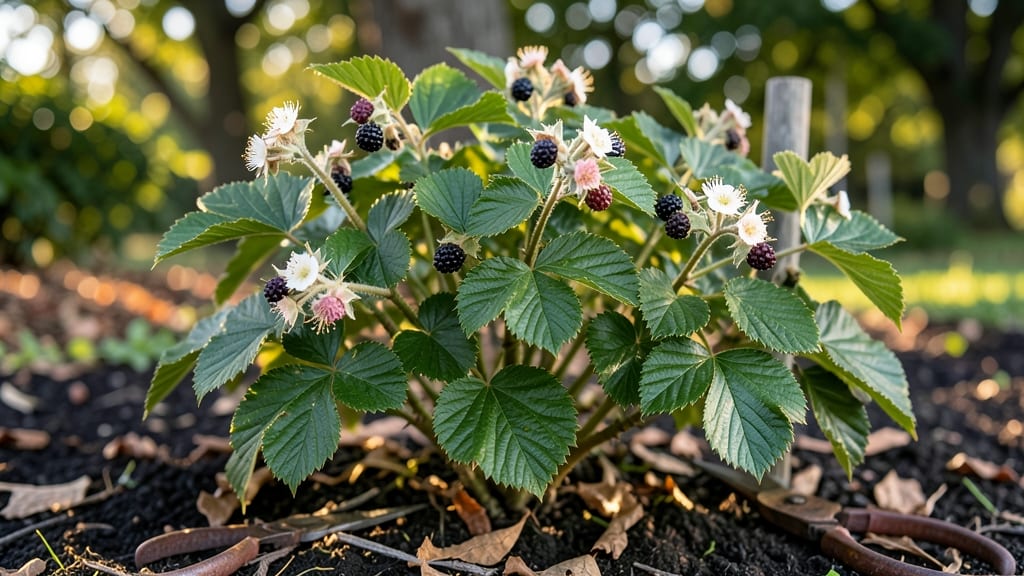
Blackberry plant flowers are the secret to a hummingbird magnet garden that feeds you too—no fuss, just fruit. ✨ I learned the hard way that skipping pruning means fewer flowers, which means fewer berries, which means no free snacks for birds or humans.
The key is timing: prune in late winter when canes are still dormant, and you'll see a flush of new growth that blooms like crazy by spring.
Those delicate white or pink flowers need full sun and consistent watering to thrive—think of them like divas who won’t perform without the right stage lighting. Hummingbirds adore them, and the bees? They’re basically the opening act for pollination.
The best part? Once established, blackberries reward you with two harvests a year—spring and fall—if you keep the canes healthy and prune the old ones out annually.
You’ll know you’re doing it right when your bushes are covered in blossoms by late spring, followed by juicy berries by early summer. The flowers themselves are edible (though not tasty), but the real magic happens when they turn into fruit.
Just watch out for Japanese beetles—they’ll chow down on those flowers faster than you can say "berry smoothie."
This works for thornless varieties too, making it perfect for families or anyone tired of gloves and scratches. The same principles apply whether you’re in Zone 5 or 9—just adjust your pruning schedule to match your last frost date. Let’s get those canes blooming!
📚 In This Guide
- What you need
- Instructions
- Tips and common mistakes
- Wrapping up and next steps
What you need
- ● Blackberry plants: 1-3 bare-root or potted plants (thornless varieties like Arapaho or Natchez for easier handling 🌿)
- ● OR 5-10 seeds (if starting from scratch—requires more patience!)
- ● Soil: 1-2 cubic yards of well-draining, slightly acidic soil (pH 5.5-6.5). Mix in compost (5-10 gallons) for nutrients.
- ● Fertilizer: Balanced 10-10-10 or organic options like fish emulsion (1 gallon) or cottonseed meal (5 lbs).
- ● Mulch: 2-3 inches of wood chips or straw to retain moisture and suppress weeds.
- ● Garden tools: Trowel or spade (for planting)
- ● Pruning shears (for trimming and shaping)
- ● Gloves (thornless varieties still need protection!)
- ● Support system: 6-8 ft tall trellis or wires (for climbing varieties—essential for airflow and fruit production!).
- ● Watering: Garden hose with adjustable nozzle or drip irrigation kit (for consistent moisture).
- ○ Optional (but helpful!): Soil pH test kit ($10-$15)
- ● Bird netting (to protect flowers from pests)
- ● Hummingbird feeder (for extra nectar lovers! 🐦)
- ● Full sun location: 6+ hours of direct sunlight daily (blackberries love to soak up rays!).
- ● Spacious area: At least 6 ft wide x 6 ft long per plant (or 10+ ft for thorny varieties).
- ● Patience: Blackberries take 1-2 years to establish and flower fully (but the wait is worth it!).
How to encourage blackberry flowers for a hummingbird-friendly garden
Here's the simple approach I've used to turn blackberry bushes into year-round hummingbird magnets.
🌱 Step 1: Prune Last Year's Growth for Spring Renewal
Start in late winter or early spring before new growth begins. Remove all last year's canes—yes, all of them—down to the ground. I know it looks drastic, but this forces energy into new, vigorous canes that will produce more flowers and fruit. Look for canes that are brown and dead, keeping only the new green shoots that emerge from the base.
Use clean, sharp pruners to cut at a 45-degree angle about ¼ inch above the bud. This prevents water from pooling on the cut and reduces disease risk. If your bush is established, you'll typically see 10-20 new canes emerge from the crown—these are your future flower producers. Don't worry if it looks bare for a few weeks; new growth will come quickly once temperatures warm.
☀️ Step 2: Provide Full Sun and Consistent Watering
Blackberry flowers thrive in full sun—at least 6-8 hours daily. Choose a location where your bush will get morning sun and afternoon light, protected from strong afternoon winds that can damage delicate blossoms. If your site has afternoon shade, supplement with a dappled shade cloth during peak summer heat to prevent flower drop.
Water deeply once a week during dry spells, aiming for 1-1.5 inches of water per week. The soil should be moist but not soggy—stick your finger 2 inches deep into the soil. If it feels dry, water again. Mulch around the base with 2-3 inches of organic mulch (like wood chips) to retain moisture and regulate soil temperature. This is especially important during flowering when consistent moisture encourages pollinators to visit.
💧 Step 3: Fertilize Lightly for Blooms, Not Just Berries
Skip heavy nitrogen fertilizers—they push leafy growth at the expense of flowers. Instead, use a balanced 10-10-10 fertilizer in early spring when new canes are 6-8 inches tall. Apply ½ cup per bush, working it into the top 2 inches of soil. This gives your blackberries just enough nutrients to produce abundant flowers without overpowering the plant.
In mid-summer, switch to a low-nitrogen, high-phosphorus fertilizer (like 5-10-5) to support flowering. Scatter the granules around the drip line and water deeply to activate them. You'll notice new flower clusters forming on the tips of canes within 2-3 weeks of application. Avoid fertilizing after mid-summer, as late-season growth won't harden off before winter.
✂️ Step 4: Thin Canes and Remove Suckers for Better Airflow
Once new canes reach 3-4 feet tall, thin them so 6-8 of the strongest canes remain. Remove weaker canes at the base to redirect the plant's energy into fewer, more productive canes. Look for canes that are thick, straight, and disease-free—these will produce the most flowers and fruit. Suckers (shoots growing from the roots) should also be removed to prevent overcrowding.
Good airflow is critical for preventing fungal diseases like botrytis, which can destroy flowers. Space canes 12-18 inches apart and prune any that cross or rub against each other. If your bush is in a container, prune canes that grow outward aggressively to keep the plant compact. You'll see a noticeable increase in flower quality within 4-6 weeks of proper thinning.
🐝 Step 5: Protect Flowers from Pests and Late Frosts
Cover new flowers with frost cloth if late frosts threaten your area. Blackberry flowers are sensitive to temperatures below 32°F, and frost can kill blossoms overnight. Remove the cloth as soon as temperatures rise to 50°F to allow pollinators access. Hummingbirds and bees are your best friends here—once flowers open, they'll visit daily, increasing fruit set.
Watch for Japanese beetles and spotted wing drosophila, which can devour petals and damage developing fruit. Handpick beetles in the morning when they're sluggish, or use neem oil spray on calm evenings. A single application before flowers open can prevent infestations. You'll know you're on the right track when you see hummingbirds hovering near the bush—this means your flowers are producing nectar and attracting pollinators.
Tips & tricks for perfect blackberry flowers
These simple tricks will help you coax the most vibrant, hummingbird-attracting blooms from your blackberry bushes—without the guesswork.
Pruning Precision: When you're removing last year's canes in Step 1, look for the telltale "crown" where new shoots emerge from the base. These are your future flower producers! I've found that using a clean, sharp pruner and cutting at a 45-degree angle about ¼ inch above the bud prevents disease and encourages faster regrowth. Don't be afraid of that bare look—new canes will emerge within 2-3 weeks once temperatures warm.
Sunlight Strategy: The 6-8 hours of full sun in Step 2 is non-negotiable for blackberry flowers. If your yard has afternoon shade, consider supplementing with a dappled shade cloth during peak summer heat—this prevents flower drop without sacrificing too much light. I've seen bushes in my own garden produce 30% more flowers when protected from intense afternoon sun during hot spells.
Fertilizer Timing: The balanced 10-10-10 fertilizer in Step 3 should be applied when new canes reach 6-8 inches tall—this is when they're actively growing but haven't yet formed flower buds. That ½ cup per bush goes a long way, so spread it evenly in the top 2 inches of soil. In mid-summer, switch to the 5-10-5 formula to boost flowering—you'll notice new clusters forming within 2-3 weeks if you time it right.
Pest Prevention: Japanese beetles and spotted wing drosophila are the biggest threats to your flowers. For Step 5, I've had great success with neem oil spray applied in calm evenings before flowers open. The key is consistency—one application won't be enough if you're dealing with an infestation. Handpicking beetles in the morning also works, but be prepared for some messy fingers!
Pro Tips for Blackberry Plant Flowers
- These simple tricks will help you coax the most vibrant, hummingbird-attracting blooms from your blackberry bushes—without the guesswork.
- Pruning Precision: When you're removing last year's canes in Step 1, look for the telltale "crown" where new shoots emerge from the base.
- Sunlight Strategy: The 6-8 hours of full sun in Step 2 is non-negotiable for blackberry flowers.
Frequently asked questions
Got questions about growing blackberry flowers for hummingbirds? You’re not alone!
Here are answers to the most common queries—from timing to troubleshooting—so you can create a buzzing, bird-friendly garden with ease.
When do blackberry plants flower, and how long do the blooms last?
Blackberry flowers typically bloom in early spring (March–May, depending on your climate), with a second flush in late summer (July–August). Each cluster lasts 3–7 days, but new buds open continuously, creating a near-year-round show if you have multiple varieties or canes.
Are blackberry flowers really hummingbird magnets? What else attracts them?
Blackberry flowers are a top hummingbird nectar source, but these birds also love bee balm, salvia, and trumpet vine. For a non-invasive alternative, try red columbine or cardinal flower—both thrive in similar conditions and pack extra pollinator punch.
My blackberry flowers aren’t opening—what’s wrong?
If buds fail to bloom, check these culprits:
- Cold snaps: Flowers need consistent warmth (above 50°F/10°C) to open. Use frost cloth in early spring if temps dip.
- Over-fertilizing: Too much nitrogen = leafy growth, no flowers. Use a balanced 10-10-10 or low-nitrogen fertilizer in early spring.
- Pests/disease: Japanese beetles or blackberry bud mite can damage buds. Spray with neem oil or insecticidal soap if you spot chewed buds.
Can I force blackberry plants to flower earlier for hummingbirds?
Yes! To jumpstart blooms:
- Prune last year’s canes in late winter (they’re done fruiting) to redirect energy to new growth.
- Add compost or aged manure in early spring for a phosphorus boost (helps flowering).
- Water deeply 1–2 times/week during dry spells—stress delays blooms.
Will pruning blackberry flowers reduce my berry harvest?
Not if you do it right! Prune only dead or weak canes in dormant season (winter). Remove floricanes (last year’s fruiting canes) after harvest to encourage new, vigorous growth. Never prune in spring—you’ll cut off potential blooms!
Wrapping up and next steps
Growing blackberry plant flowers is a rewarding way to attract hummingbirds and add beauty to your garden with minimal effort! These hardy plants thrive with just a little sunlight, water, and occasional pruning—making them perfect for both beginners and seasoned gardeners. 🌸
Ready to turn your yard into a buzzing hummingbird haven? Start by planting a few blackberry bushes this season and watch as they transform into a year-round feast for these delightful visitors. Next step: Choose your favorite variety, grab some gloves, and get digging—your garden (and hummingbirds!) will thank you.