Flowers
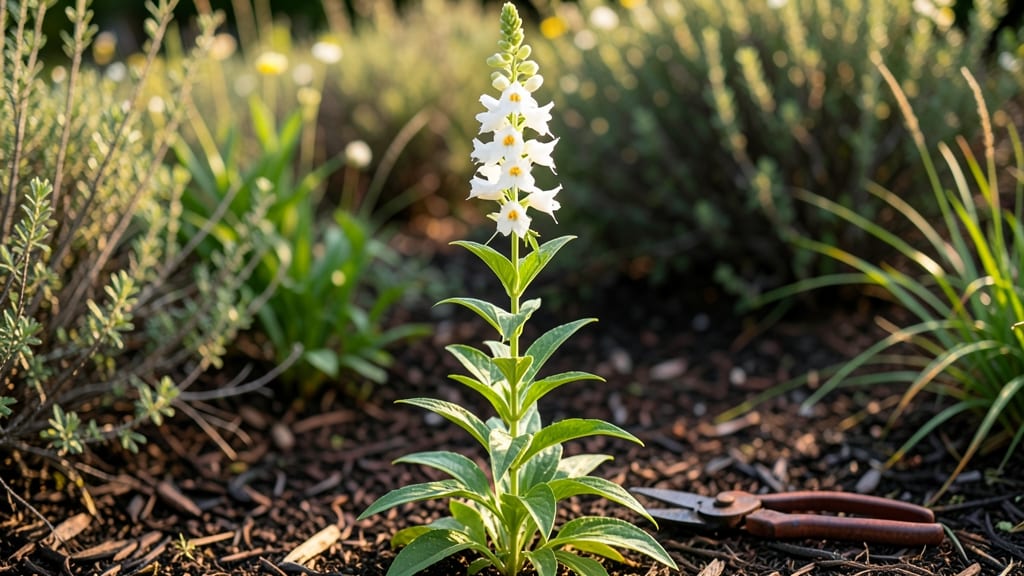
The white cardinal flower (Lobelia cardinalis 'White') might look like a ghostly version of its fiery red cousin, but it’s just as dramatic—and far more versatile in shady spots. 🌿 I fell for it after struggling to grow anything under my mature oak tree, where most plants wilted by July.
This plant thrives where others fail, blooming from midsummer until frost with those striking white trumpets.
Sunlight needs are surprisingly flexible: it handles partial shade to full sun, though the blooms stay brightest with at least 4-6 hours of morning light. Rich, moist soil is non-negotiable—think peaty or loamy mixes with plenty of organic matter.
Watering is easy once established, but young plants need consistent moisture to prevent leggy growth, which is the biggest rookie mistake I see.
You’ll know you’ve succeeded when hummingbirds start zipping in for nectar, their favorite snack. The blooms attract them like a magnet, and the foliage stays lush even in heat waves. Deadheading spent flowers keeps the show going longer, and dividing clumps every 2-3 years ensures decades of effortless blooms.
Perfect for woodland gardens, rain gardens, or even containers near patios—just avoid letting the soil dry out completely. If you’ve ever given up on shade gardening, this is your redemption plant. Let’s get it growing!
📚 In This Guide
- What you need
- Instructions
- Tips and common mistakes
- Wrapping up and next steps
What you need
- ● Seeds or nursery-grown plants: 3–5 white cardinal flower seeds (or 1–2 potted plants for faster results). Look for Lobelia cardinalis 'Alba' or similar cultivars.
- ● Well-draining potting mix: 3–5 gallons of high-quality, peat-based or coco-coir mix (amend with perlite or sand for better drainage).
- ● Containers or garden bed: For containers: 5–7-inch pots with drainage holes (or a 12-inch hanging basket for a cascading effect).
- ● For in-ground planting: A partially shaded spot with moist, rich soil (or amend your garden soil with compost).
- ● Slow-release fertilizer: 1–2 tablespoons of balanced (10-10-10) granular fertilizer or organic options like worm castings.
- ● Mulch: 1–2 inches of organic mulch (e.g., shredded bark or pine needles) to retain moisture.
- ● Gloves and knee pads (for comfort during planting).
- ● Trowel or small shovel (for transplanting or in-ground prep).
- ● Watering can or hose with a gentle spray nozzle (cardinal flowers love moisture!).
- ● Pruning shears (for deadheading spent blooms and shaping plants).
- ○ Optional but helpful: Hummingbird feeder (to attract pollinators while waiting for blooms!).
- ● Shade cloth (if your climate has intense afternoon sun).
- ● Grow lights (if starting seeds indoors 8–10 weeks before last frost).
Step-by-Step guide to growing white cardinal flower
Here’s how to cultivate this striking perennial for bold summer blooms and hummingbird visitors.
🌱 Step 1: Choose the Right Location and Soil
White cardinal flower thrives in partial shade to full sun—morning sun with afternoon shade works best in hot climates. The key is moist, well-draining soil with a pH between 6.0 and 7.5. I always test my soil first; if it’s too sandy, I mix in 2-3 inches of compost to retain moisture without compacting.
This plant has deep roots, so avoid rocky or shallow soil. If your garden soil is heavy clay, amend it with pearlite or coconut coir to improve drainage. A spot near a pond or rain garden is ideal—cardinal flower loves consistent moisture but won’t tolerate soggy roots.
🌿 Step 2: Plant Seeds or Transplants at the Right Time
Start seeds indoors 8-10 weeks before your last frost date in 70-75°F soil for best germination. Press them ¼ inch deep in moist seed-starting mix and keep them under grow lights until true leaves appear. I’ve found that direct sowing outdoors in early spring (after frost) also works, but seedlings may take 3-4 weeks to emerge—patience is key.
For transplants, space them 12-18 inches apart in rows 18-24 inches apart. Dig a hole twice as wide as the root ball to encourage root spread. Water deeply after planting to settle the soil and eliminate air pockets. Mulch with 2-3 inches of organic mulch to retain moisture and suppress weeds—this plant hates competition.
💧 Step 3: Water and Fertilize for Lush Growth
Keep the soil evenly moist but not waterlogged—cardinal flower wilts quickly in drought. Water deeply 2-3 times per week in dry spells, aiming for 1 inch of water per week. You’ll know you’re doing it right when the soil feels damp 2 inches below the surface. Overwatering leads to root rot, so ensure pots or garden beds have proper drainage.
Fertilize lightly with a balanced 10-10-10 or 20-20-20 formula at planting and again in early summer. Too much nitrogen promotes leafy growth at the expense of flowers. I switch to a low-phosphorus fertilizer once buds form to encourage blooming. Deadhead spent flowers to prolong the season—you’ll see new blooms within 2-3 weeks if you keep this up.
☀️ Step 4: Provide Support and Prune for Strong Stems
Cardinal flower grows 3-5 feet tall and often needs staking, especially in windy areas. Install tall garden stakes or a trellis at planting time to avoid damaging roots later. I tie stems loosely with soft plant ties every 12 inches—tightening too soon will restrict growth.
Prune back leggy stems in early spring to encourage bushier growth. Cut back one-third of the plant after the first flush of blooms to promote a second round of flowers. Avoid heavy pruning in late summer, as this can reduce fall blooms. Watch for powdery mildew on leaves—this fungus thrives in humid conditions. At the first sign, spray with neem oil and improve airflow around plants.
⏰ Step 5: Prepare for Winter and Encourage Reblooming
In colder climates (below Zone 5), cut back stems to 6 inches tall in late fall and mulch heavily with 4-6 inches of straw or leaves. This protects the crown from freezing. In milder zones, leave the foliage for winter interest—hummingbirds will still visit dried seed heads.
To encourage reblooming, fertilize lightly in early spring with a balanced formula and keep the soil moist. Divide mature clumps every 3-4 years in early spring to prevent overcrowding. Dig up the plant, separate the roots, and replant sections 12 inches apart. You’ll see vigorous new growth within 2-3 weeks—proof that division works.
Tips & tricks for perfect white cardinal flower cultivation
Between us, growing white cardinal flower is easier than you think—once you know these game-changing tricks that make all the difference between a struggling plant and a hummingbird magnet.
Soil Science Matters: The 6.0-7.5 pH range in Step 1 isn't just arbitrary—it's perfect for unlocking the plant's natural resistance to fungal diseases. I always test my soil with a simple kit from the garden center before planting. For clay-heavy areas, mix in equal parts coconut coir and perlite to create that ideal airy, moisture-retentive medium. Think of it as giving your cardinal flower's roots a spa treatment—they'll thank you with vigorous growth.
Timing Secret for Seedlings: Those 3-4 weeks for seedling emergence in Step 2 can feel like an eternity, but don't rush it! Create a mini greenhouse effect by covering young seedlings with a clear plastic dome or even a cut-open plastic bottle. This maintains humidity and warmth at the critical 70-75°F soil temperature without needing a heat mat. I've had seedlings pop up in just 10 days using this method—patience pays off, but smart patience pays off faster.
Pruning Strategy: When you cut back one-third of the plant after the first flush of blooms in Step 4, target the oldest stems first. These are the ones that have already done their job producing flowers. The plant will redirect its energy to newer growth, giving you that second round of blooms within 2-3 weeks. It's like giving your plant a fresh start—just don't go overboard in late summer, or you'll sacrifice those gorgeous fall blooms.
Winter Prep Hack: For Zone 5 gardeners cutting back to 6 inches in Step 5, here's my pro move: leave the lower 2 inches of stems attached to the crown. These stubs act as natural markers for next year's growth pattern. Plus, they provide a little extra insulation for the crown during those freezing nights. It's a small detail, but it makes spring cleanup so much easier when you can see exactly where each plant is located under all that mulch.
Pro Tips for White Cardinal Flower
- Between us, growing white cardinal flower is easier than you think—once you know these game-changing tricks that make all the difference between a struggling plant and a hummingbird magnet.
- Soil Science Matters: The 6.0-7.5 pH range in Step 1 isn't just arbitrary—it's perfect for unlocking the plant's natural resistance to fungal diseases.
- Timing Secret for Seedlings: Those 3-4 weeks for seedling emergence in Step 2 can feel like an eternity, but don't rush it!
Frequently asked questions
Got questions about growing and caring for white cardinal flower? You’re not alone—this striking plant has a few quirks! Here are answers to the most common queries to help you nurture these hummingbird magnets with confidence.
When is the best time to plant white cardinal flower?
Plant seeds or transplants in early spring (after the last frost) or late summer for a fall bloom. Cardinal flower thrives in cooler weather, so avoid planting in scorching heat. If starting from seed, expect blooms the following year—patience pays off!
How often should I water white cardinal flower?
Keep the soil consistently moist but not soggy—this plant loves hydration! Water deeply 2-3 times per week during dry spells, and more in containers (they dry out faster). Mulch around the base to retain moisture and deter weeds. Pro tip: Yellowing leaves? You’re likely overwatering!
Why aren’t hummingbirds visiting my white cardinal flower?
Hummingbirds adore cardinal flower, but a few factors might deter them:
- Lack of nectar: Ensure blooms are fully open (they produce nectar best in sunlight).
- Competition: Plant in a visible, sunny spot away from taller plants.
- Pesticides: Avoid chemicals—hummingbirds are sensitive to them.
- Timing: Blooms peak in late summer to fall; hummers migrate seasonally.
Can I grow white cardinal flower in containers?
Choose a large pot (at least 12 inches deep) with drainage holes and use a moisture-retentive potting mix. Place in partial shade (morning sun is ideal) and water daily in hot weather. Just watch for root-bound plants—repot every 2 years if needed.
Why is my white cardinal flower wilting or dying?
Wilting or decline often signals one of these issues:
Issue
Solution
Underwatering
Increase watering frequency; check soil moisture daily in heatwaves.
Overwatering
Let the top inch of soil dry out between waterings; improve drainage.
Too much sun
Move to partial shade (cardinal flower prefers 4-6 hours of sun).
Pests (e.g., aphids)
Spray with soapy water or introduce ladybugs for natural control.
Give it a trim if leggy—deadheading spent blooms encourages new growth!
Wrapping up and next steps
The white cardinal flower is a breathtaking addition to any garden, offering vibrant blooms and a magnet for hummingbirds! 🌸 With its striking beauty and low-maintenance care, this plant is perfect for both novice and experienced gardeners alike.
Whether you're drawn to its Lobelia cardinalis charm or eager to create a pollinator-friendly haven, now is the perfect time to plant and nurture your own.
Ready to transform your garden? Grab your supplies, follow the steps, and watch your white cardinal flower thrive! Start small—plant a few this season and enjoy the rewards of a hummingbird haven year after year. Happy gardening! 🌿