Flowers
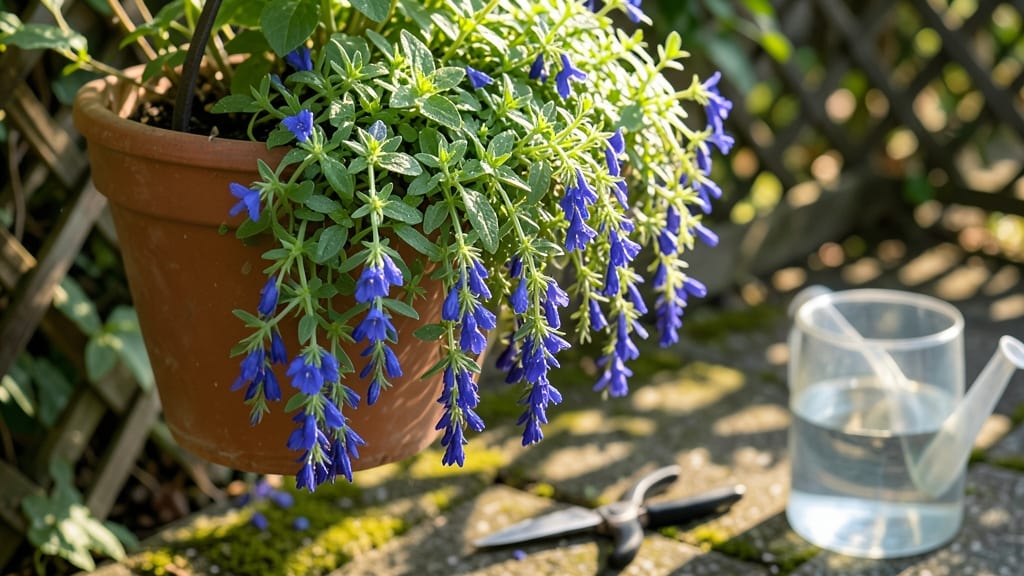
Small flower clusters transform any space into a living tapestry of color and movement. 🌸 I fell for them after my first cottage garden—how lavender, cosmos, and lobelia spilled over pots and borders like nature’s own confetti.
These delicate blooms aren’t just pretty; they’re the secret to effortless texture and year-round interest in containers and garden edges.
The magic lies in their versatility. Pair fragrant lavender with trailing lobelia for a purple-blue cascade, or mix cosmos with sweet alyssum for a cloud of white and pink. They thrive in partial shade or full sun, making them perfect for balconies, window boxes, or pollinator-friendly borders.
Even a single container can become a showstopper with the right combination.
What you’ll love most is how they soften edges while drawing the eye. Clusters of tiny blooms create depth—some spilling over, others standing tall—while attracting bees and butterflies. By late summer, they’ll still be blooming when bigger flowers fade, giving your garden a second wind of color.
Whether you’re filling a 6-inch pot or lining a 3-foot border, these plants work in any scale. The key is layering heights and colors, so every season feels like a fresh start. Let’s bring that cascading charm to your space!
📚 In This Guide
- What you need
- Instructions
- Tips and common mistakes
- Wrapping up and next steps
What you need
- ● Flower plants: 3–5 small flowering varieties (e.g., Lobelia, Sweet Alyssum, or Petunias) per cluster
- ● Quantities: 12–20 plants total (adjust based on container/border size)
- ● Growing medium: Potting mix (1 bag for containers) or garden soil (for borders)
- ○ Optional: Perlite or vermiculite (½ cup) for drainage
- ● Containers (if applicable): 1–3 hanging baskets or window boxes (10–12" diameter)
- ● OR 1–2 large planters (14–16" width)
- ● Garden trowel or small hand shovel
- ● Pruning shears (for trimming stems)
- ● Watering can with a fine rose nozzle
- ○ Optional: Slow-release fertilizer (5–10-5 ratio, 1 tbsp per plant)
- ○ Optional: Mulch (pebbles or bark chips for borders)
How to design and plant small flower clusters for cascading beauty
Here's the approach I use to create lush, cascading flower displays that burst with seasonal color.
🌱 Step 1: Select Complementary Flower Varieties
Start with a mix of trailing plants and upright flowers to create visual depth. For containers, I pair petunias (spiller), snapdragons (mid-height), and salvia (thriller) in a 1:2:1 ratio. This ensures the taller plants anchor the arrangement while the cascading varieties spill gracefully over edges.
For border plantings, choose flowers with staggered bloom times—like lobelia for early spring color, geraniums for summer, and pansies for fall. This keeps your display vibrant throughout the season. Check each plant's mature height and spread to ensure they won't outgrow their space within 4-6 weeks of planting.
🪴 Step 2: Prepare Containers or Garden Beds
For containers, select pots with drainage holes and a depth of at least 8 inches to accommodate root systems. I use 12-inch pots for single clusters and 16-inch pots for mixed arrangements. Fill the bottom third with garden stones or gravel to improve drainage and prevent root rot.
For garden borders, prepare the soil by removing weeds and loosening the top 6 inches of soil. Amend with 2-3 inches of compost to enrich the soil and improve moisture retention. If your soil drains poorly, mix in sand or perlite to create a well-aerated growing medium. Test the soil moisture by pressing your finger 1 inch deep—it should feel slightly damp but not soggy.
☀️ Step 3: Plant for Optimal Growth and Cascade
Arrange plants in layers, starting with the tallest in the back or center of the container. Place mid-height flowers next, then fill gaps with trailing varieties. For containers, position trailing plants near the edges so they spill over naturally. Dig holes twice as wide as the root ball but no deeper to avoid burying stems, which can cause rot.
Space plants according to their mature size—12-18 inches apart for upright flowers and 6-12 inches apart for trailing types. Gently firm the soil around each plant to eliminate air pockets, then water deeply to settle the roots. Use a watering can with a narrow spout to direct water to the base without disturbing the soil.
💧 Step 4: Water and Fertilize for Thriving Clusters
Water immediately after planting to help roots establish, then maintain 1 inch of water per week during the growing season. For containers, check moisture daily in hot weather—top inch of soil should feel dry before watering again. I use a soaker hose for borders to deliver water slowly and evenly without disturbing the soil.
Fertilize lightly 2 weeks after planting with a balanced, water-soluble fertilizer (10-10-10) mixed at half strength. Apply every 4-6 weeks during the growing season to encourage blooming. Avoid over-fertilizing, which can lead to lush foliage but fewer flowers. Look for dark green leaves and sturdy stems as signs of healthy growth.
✂️ Step 5: Prune and Maintain for Continuous Blooms
Deadhead spent blooms regularly to encourage new flowers and prolong the blooming season. For trailing plants like petunias, pinch back leggy stems to promote bushier growth. Trim back overgrown foliage in late summer to make room for fall-blooming varieties if replanting.
Monitor for pests like aphids or spider mites, which thrive in crowded clusters. Spray affected plants with neem oil or insecticidal soap as needed. In containers, rotate pots quarter-turn weekly to ensure even sunlight exposure and prevent plants from leaning toward the light. With consistent care, your flower clusters will remain vibrant and full for 8-12 weeks or longer.
Tips & tricks for perfect small flower clusters
Creating stunning cascading displays takes a few thoughtful details that make all the difference between a pretty arrangement and a showstopper.
Layering is Everything: In Step 3, when arranging your plants, think of it like building a stage—your "thrillers" (like salvia) need to be the stars at center stage, while "spillers" (petunias) should drape elegantly from the edges. I like to sketch a simple diagram first to visualize how the heights will interact. This prevents that awkward "bald spot" in the middle that ruins the cascading effect.
Soil Prep Secrets: The 2-3 inches of compost in Step 2 isn't just about nutrients—it's about creating the perfect air-to-water ratio in your soil. For containers, I add a handful of perlite to the compost mix to prevent compaction. In garden beds, work in a thin layer of coconut coir along with the compost to improve moisture retention during dry spells. This small tweak makes all the difference in root health.
Watering Wisdom: That 1-inch weekly watering guideline in Step 4 works perfectly for average conditions, but here's the thing: morning watering is always better than evening. Wet foliage at night creates the perfect environment for fungal diseases. I also recommend using a rain gauge to track your actual rainfall—you might not need that full inch if you've had consistent rain. And for containers, I weigh them before watering to get a feel for when they're truly thirsty.
Seasonal Swaps: Want to keep your clusters looking fresh all year? In Step 1, instead of just lobelia for spring, consider adding violas for cooler months—they thrive when temperatures dip. For summer, swap out pansies for calibrachoa, which handles the heat beautifully. The key is matching each plant's natural season to its peak performance window while maintaining that 1:2:1 ratio for balance.
Pro Tips for Small Flower Clusters
- Creating stunning cascading displays takes a few thoughtful details that make all the difference between a pretty arr...
- Layering is Everything: In Step 3, when arranging your plants, think of it like building a stage—your "thrillers" (li...
- Soil Prep Secrets: The 2-3 inches of compost in Step 2 isn't just about nutrients—it's about creating the perfect air...
Frequently asked questions
Got questions about nurturing those charming small flower clusters? You’re not alone! Here are some of the most common queries—plus quick, practical answers to keep your blooms thriving.
How do I encourage more small flower clusters in my container gardens?
Prune spent blooms regularly to stimulate new growth! For annuals like petunias or perennials like lobelia, pinch back leggy stems by ⅓ to encourage bushier, denser clusters. Use a balanced 10-10-10 fertilizer every 4–6 weeks during the growing season for a steady supply of blooms.
When is the best time to plant small flower clusters for continuous blooms?
For warm-season clusters (e.g., geraniums, vinca), wait until after the last frost in spring (Zone 5+). Cool-season varieties (like pansies or sweet alyssum) thrive when planted in early fall or late winter—6–8 weeks before your average last frost date. Succession planting every 2–3 weeks ensures nonstop color!
Can I mix small flower clusters with larger blooms in the same container?
Pair trailing clusters (like calibrachoa or bacopa) with thrillers (e.g., snapdragons) or filler plants (like ferns or dusty miller) for height and texture. Just balance sun needs—most small clusters love full sun (6+ hours/day), while some (like impatiens) prefer partial shade.
Why aren’t my small flower clusters blooming—just lots of green leaves?
Over-fertilizing with nitrogen (the first number in NPK) promotes foliage over flowers. Switch to a low-nitrogen, high-phosphorus fertilizer (like 5-10-5) and ensure they get enough sunlight. If leggy, transplant to a larger container or prune to reduce stress.
How do I protect small flower clusters from heat or cold stress?
In heatwaves, provide afternoon shade and water deeply at soil level (not leaves) to prevent wilting. For cold snaps, move containers to sheltered spots or cover with frost cloth. Mulch with straw to insulate roots. Most clusters bounce back if roots stay dry but not soggy!
Wrapping up and next steps
Small flower clusters bring effortless charm to gardens, whether cascading over containers or brightening borders with their delicate beauty. 🌸 From easy-care petunias to fragrant alyssum, these versatile blooms prove that big impact comes in tiny packages.
With the right placement and care, you’ll create stunning displays that keep your outdoor spaces vibrant all season long!
Ready to transform your space? Start small—pick one cluster of flowers, plant them with confidence, and watch your garden flourish! Which blooms will you try first?