
Flowers
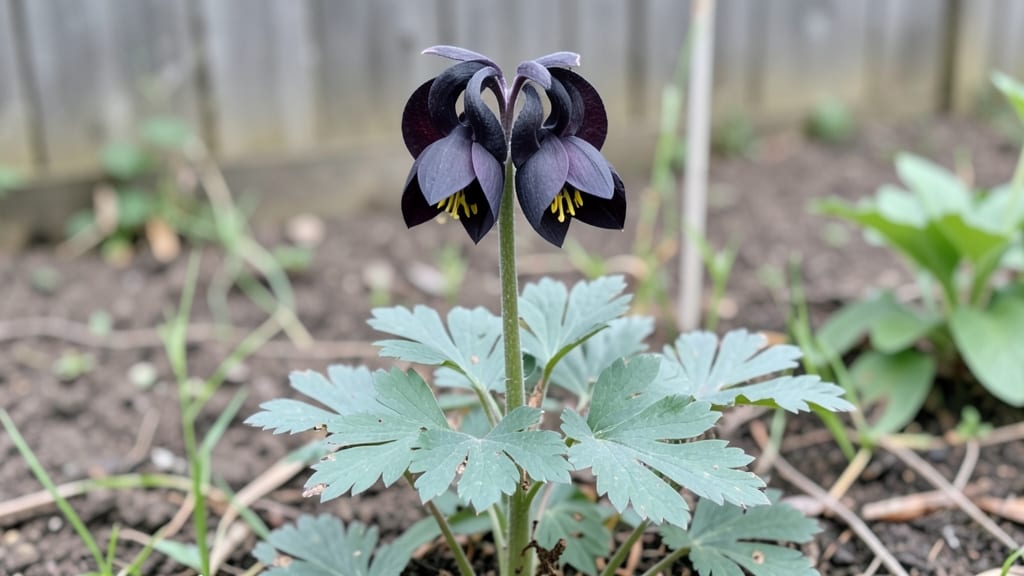
The black Barlow columbine flower’s velvety-black foliage and nodding, spidery blooms make it the Pacific Northwest’s most dramatic vertical accent—it’s the only columbine that actually wants to thrive through damp winters. cold snaps, not just tolerates them.
The secret lies in its deep roots and waxy leaves, which shrug off rain and frost while still demanding just enough care to reward you with 6-foot-tall stems of dark elegance.
This plant isn’t picky, but it does have a few non-negotiables: well-draining soil (mix in compost if your yard’s heavy clay), partial shade to protect its delicate blooms from afternoon sunburn, and consistent moisture—never soggy.
The dark foliage thrives in dappled light, while the flowers need a little afternoon break to last all season. Once established, it’s drought-tolerant, making it perfect for forgetful gardeners like me who travel often.
You’ll get your first blooms in late spring, with a second flush in early fall, and the more you deadhead spent flowers, the longer they’ll keep coming.
The real magic happens in winter: while most perennials sleep, Black Barlow stays lush and upright, its dark leaves contrasting beautifully against snow. It’s the kind of plant that makes neighbors ask, “What is that?”—and then want one for themselves.
Pair it with hellebores for early-season drama or let it climb through shrubs for a vertical focal point that outshines anything in your garden. The only real challenge? Deer tend to avoid it, but slugs might test your patience—so keep an eye out for those slimy intruders.
With the right spot, this columbine will outlast your garden bench.
📚 In This Guide
- What you need
- Instructions
- Tips and common mistakes
- Wrapping up and next steps
What you need
- ● Black Barlow Columbine Seeds or Plants: 3–5 plants (ensure they’re certified cold-hardy for zones 5–9).
- ● Well-Draining Soil: A mix of native soil, compost (20–30%), and perlite or coarse sand (10%) for aeration.
- ● Sunlight Spot: Partial shade to full sun (4–6 hours of direct light daily).
- ● Watering Can or Hose: With a gentle spray nozzle for consistent moisture.
- ● Mulch: 2–3 inches of wood chips or straw to retain moisture and regulate soil temp.
- ● Garden Gloves & Trowel: For planting and soil prep.
- ○ Fertilizer (Optional but Helpful): Balanced 10-10-10 or fish emulsion (apply sparingly in early spring).
- ● Support Stakes or Trellis: If your columbine grows tall (up to 2–3 ft), light stakes can prevent flopping.
- ● Slow-Release Fertilizer Pellets: For nutrient consistency over time.
- ● Drip Irrigation System: Automates watering for busy gardeners.
- ● Companion Plants: Pair with salvia, ferns, or heuchera for a lush, layered look.
Step-by-Step guide to planting and cultivating Black Barlow columbine
This striking perennial thrives in the Pacific Northwest's climate—here's how to nurture its bold foliage and dramatic blooms.
🌱 Step 1: Select the Perfect Planting Site and Prepare the Soil
Black Barlow columbine (Aquilegia formosa 'Black Barlow') thrives in partial to full shade, making it ideal for woodland gardens or understory plantings. Choose a location with morning sun and afternoon shade—this protects the deep purple-black foliage from scorching while ensuring enough light for robust blooms. The Pacific Northwest's cool, moist climate suits it perfectly, but avoid soggy soils where roots may rot.
Amend the native soil with 2-3 inches of organic compost mixed into the top 12 inches of soil. Columbine tolerates poor soil but performs best in well-draining, slightly acidic to neutral soil (pH 6.0-7.0). If your soil is heavy clay, incorporate sand or perlite to improve drainage. Test the soil moisture—it should feel like a wrung-out sponge: damp but not waterlogged. Planting in early fall or late winter gives roots time to establish before summer heat.
☀️ Step 2: Plant with Care to Encourage Deep Root Growth
Dig a hole twice as wide as the root ball but only as deep as the container's base. Gently remove the plant from its container and loosen any circling roots with your fingers—this prevents girdling as the plant matures. Place the columbine in the hole so the top of the root ball sits level with the surrounding soil. The crown (where stems meet roots) should never be buried; it’s prone to rot if smothered.
Backfill the hole with the amended soil, tamping down lightly to eliminate air pockets. Water deeply until moisture seeps 6 inches below the soil surface. Mulch with 2-3 inches of shredded bark or wood chips, keeping mulch 3 inches away from the stem to prevent moisture buildup. This mimics the forest floor conditions the plant evolved in and conserves soil moisture during the dry summer months.
💧 Step 3: Water Strategically to Build Drought Tolerance
Water newly planted columbine once a week for the first month, ensuring the soil remains consistently moist but not soggy. After establishment (typically 6-8 weeks), reduce watering to every 2-3 weeks, allowing the top 2 inches of soil to dry out between waterings. Black Barlow columbine is surprisingly drought-tolerant once established—overwatering is a far greater risk than underwatering. You’ll know it’s thriving when new foliage emerges vibrant and upright without wilting.
In the Pacific Northwest’s rainy season, reduce supplemental watering unless the ground remains bone-dry for 5+ days. The plant’s deep roots naturally seek moisture, so avoid shallow, frequent watering. Fertilizer isn’t necessary unless your soil is extremely poor; a light application of balanced 10-10-10 fertilizer in early spring suffices. Too much nitrogen promotes leafy growth at the expense of those prized dark purple-black blooms.
✂️ Step 4: Prune and Maintain for Long-Term Beauty
Deadhead spent blooms by snipping stems back to the first set of healthy leaves just as flowers fade. This encourages a second flush of blooms in late summer and prevents self-seeding, which can become weedy. Avoid heavy pruning—the columbine’s fuzzy, textured foliage is as much a selling point as its flowers. Trim only 10-20% of the plant annually in early spring to shape and remove any damaged or leggy growth.
In late winter or early spring, cut back any brown or woody stems to the ground. This rejuvenates the plant and makes room for fresh growth. Black Barlow columbine is highly deer-resistant, making it a low-maintenance choice for gardens where herbivores are a concern. Watch for aphids or slugs on new growth—address infestations promptly with neem oil or diatomaceous earth to protect the plant’s delicate foliage.
⏰ Step 5: Plan for Seasonal Care and Propagation
Columbine is fully frost-hardy and requires no winter protection in the Pacific Northwest. In fact, a light frost in late fall can enhance next year’s blooms by triggering dormancy. Mulch heavily (4-6 inches) in late autumn to insulate roots during cold snaps. The plant may go dormant in extreme heat or drought, but it rebounds quickly once conditions improve—simply water deeply and watch for new growth.
To propagate, collect seeds from mature seed pods in late summer and sow them outdoors in fall or indoors in early spring. Columbine self-seeds readily, so you may find volunteer plants popping up in favorable microclimates. Divide mature clumps every 3-5 years in early spring by carefully digging up the plant, separating the roots, and replanting sections. This rejuvenates older plants and expands your garden’s vertical impact—Black Barlow’s arching stems and dark foliage create stunning contrast in shade gardens.
Tips & tricks for perfect Black Barlow columbine cultivation
A few strategic moves will help you coax out the most dramatic foliage and vibrant blooms from this Pacific Northwest star.
Soil pH Precision: While Black Barlow columbine tolerates a range, aim for that 6.0-7.0 pH window mentioned in Step 1. Test your soil with a simple home kit before planting—acidic soils (below 6.0) can stunt growth, while overly alkaline soils (above 7.5) may cause nutrient deficiencies. I've seen plants in unamended native soil thrive, but the real showstoppers get that extra boost from the 2-3 inches of organic compost mixed into the top 12 inches. Think of it as giving your plant a premium soil foundation, like laying a proper base before painting a masterpiece.
Root Ball Handling Technique: When removing your columbine from its container in Step 2, resist the urge to squeeze the root ball—this compresses roots and creates air pockets. Instead, gently loosen the outer edges with your fingers, especially around the bottom where roots often circle. I learned this the hard way after seeing several plants struggle with girdling. The goal is to mimic natural root spread, not create a compacted mass. This careful handling pays off when you see those deep roots establish quickly in their new home.
Watering Rhythm Mastery: The once-a-week watering in Step 3 is your baseline, but timing matters just as much. Water in the early morning to allow foliage to dry before evening—this prevents fungal issues that can plague shade-loving plants. In the Pacific Northwest's rainy season, I often skip supplemental watering entirely unless we've had a 5+ day dry spell. The key is observing the plant: wilting leaves signal thirst, but soggy soil means you've overdone it. This plant's drought tolerance is impressive once established, but it's all about finding that sweet spot during the critical first 6-8 weeks.
Seasonal Pruning Strategy: That 10-20% annual trim in Step 4 might sound modest, but it's about quality over quantity. Focus on removing only the brown or woody stems in late winter and any damaged growth throughout the year. I've seen gardeners over-prune, thinking more cutting equals better shape, but this plant's unique fuzzy, textured foliage is its signature feature. Think of pruning as sculpting rather than shearing—you're revealing the plant's natural form, not forcing it into a shape it doesn't want to be in.
Pro Tips for Black Barlow Columbine Flower
- A few strategic moves will help you coax out the most dramatic foliage and vibrant blooms from this Pacific Northwest star.
- Soil pH Precision: While Black Barlow columbine tolerates a range, aim for that 6.0-7.0 pH window mentioned in Step 1.
- Root Ball Handling Technique: When removing your columbine from its container in Step 2, resist the urge to squeeze the root ball—this compresses roots and creates air pockets.
Frequently asked questions
about the stunning Black Barlow Columbine—the Pacific Northwest’s frost-resistant vertical gem—are answered here! Whether you're a new gardener or a seasoned pro, these insights will help you grow this showstopper with confidence.What’s the best time to plant Black Barlow Columbine?
Plant in early spring or fall when soil temperatures are cool (50–60°F). This timing helps roots establish before summer heat or winter frost. Avoid planting in mid-summer—the heat can stress young plants. Pro tip: If planting in fall, do it at least 6 weeks before your first frost for best results!
How cold can Black Barlow Columbine tolerate?
This hardy beauty thrives in USDA Zones 3–9 and handles light frosts down to 10°F (-12°C) without damage. However, heavy snow loads may bend stems—use a light mulch (2–3 inches) around the base to protect roots. Bonus: Its vertical growth naturally sheds snow!
Why aren’t my Black Barlow Columbine flowers opening?
Several factors could be at play: overcrowding (thin plants if needed), poor light (ensure 6+ hours of sun), or nutrient deficiencies (feed with a balanced fertilizer in early spring). Check for pests like aphids, which can stress plants. If blooms form but don’t open, prune spent flowers to encourage new growth.
Can I grow Black Barlow Columbine in containers?
Use a 12–18-inch pot with well-draining soil and ensure it has adequate drainage holes. Containers dry out faster, so water deeply 2–3 times per week (adjust for climate). Choose a sunny spot on a patio or balcony—just monitor for wind, which can topple tall stems. Tip: Add a trellis for support!
What flowers pair well with Black Barlow Columbine?
This dramatic dark flower loves contrasting textures and colors! Try pairing it with:
- Silver foliage (e.g., lamb’s ear or artemisia) for a modern look.
- Bright blooms like red geraniums or yellow black-eyed Susans for pop.
- Grasses (e.g., fountain grass) for movement and height.
Avoid overpowering it—let its deep hue shine! For a Pacific Northwest garden, mix in heuchera or sword ferns for a lush, native vibe.
Wrapping up and next steps
The Black Barlow Columbine isn’t just a flower—it’s a resilient, eye-catching star for Pacific Northwest gardens, thriving even in frost and adding vertical drama with its unique ‘Black Barlow’ charm. Whether you’re a seasoned gardener or just starting, its low-maintenance beauty makes it a perfect addition to your outdoor space.
Ready to transform your garden? Start by sourcing your plants, preparing the soil, and planting with confidence—then sit back and enjoy the show! Explore more tips to keep your columbines blooming year after year. 🌿✨