
Flowers
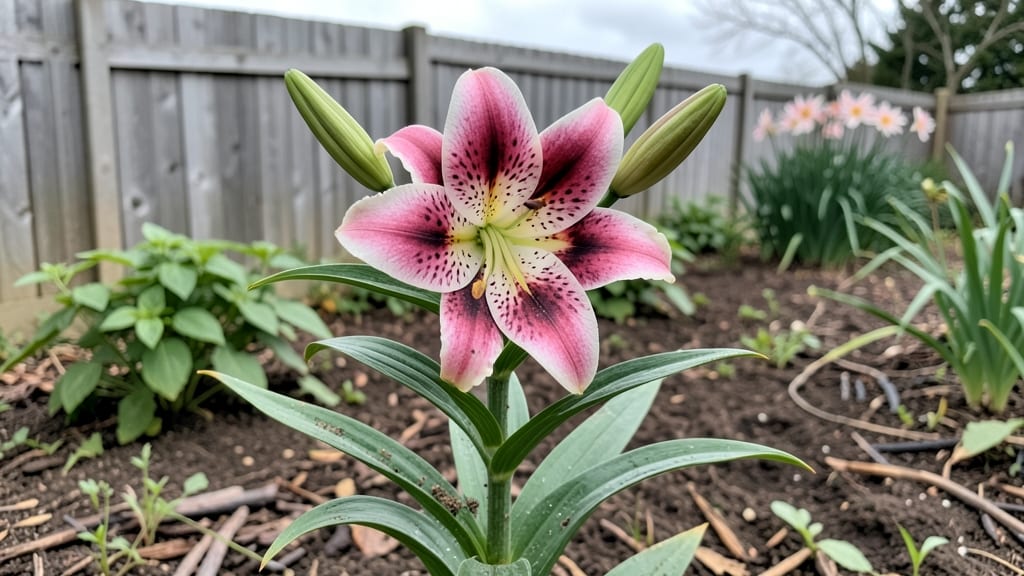
The glory in the flower isn’t just about beauty—it’s about the Pacific Northwest’s hummingbird vine (Lonicera heckrottii), a plant that blooms for 12 months straight and turns every season into a celebration. 🌿 I fell for it the first time I saw its tubular red flowers swaying in the misty air, hummingbirds darting between them like living jewels.
This isn’t just a vine; it’s a year-round showstopper that turns fences, trellises, and walls into living art.
What makes it magical? It thrives in the PNW’s damp, cool climate without fuss—no dead zones, no bare branches, just nonstop color and movement. Pair it with ferns and salal for a lush, native-inspired look, or let it climb a rustic arbor for a romantic, cottage-garden feel.
The best part? It’s low-maintenance—once established, it’s nearly indestructible, even in shade.
Imagine waking to ruby-red blooms in winter, then transitioning seamlessly into spring’s white flowers, all while hummingbirds flit through your garden like tiny dancers. This vine doesn’t just fill your space with color—it fills it with life, joy, and that rare sense of wonder that only flowers can give.
Ready to transform your garden into a hummingbird haven?
Whether you’re designing a new garden or refreshing an old one, this vine is the secret weapon for year-round interest. It’s perfect for urban balconies, woodland edges, or even as a dramatic focal point in a mixed border.
Let’s make your garden bloom like it never stops—because with this vine, it won’t.
📚 In This Guide
- What you need
- Instructions
- Tips and common mistakes
- Wrapping up and next steps
What you need
- ● Hummingbird Vine (Clematis lasiantha) – 1-2 healthy nursery-grown plants (ensure they’re labeled for Pacific Northwest climates).
- ● Well-draining potting soil – 5 gallons (or a mix of 60% garden soil, 30% compost, and 10% perlite/pumice for rocky NW soil).
- ● Support structure – A trellis, arbor, or fence (at least 6–8 feet tall; vines can grow aggressively!).
- ● Organic fertilizer – Balanced 10-10-10 or a slow-release bloom booster (follow package rates).
- ● Mulch – 2–3 inches of wood chips or straw to retain moisture and regulate soil temp.
- ● Watering can or hose with a gentle spray nozzle – For deep but controlled hydration.
- ● Gloves & pruning shears – For handling thorns and shaping growth.
- ● pH test kit – Ideal soil pH: 6.0–7.0 (hummingbird vines thrive in slightly acidic to neutral soil).
- ● Sunlight access – A spot with partial shade to full sun (morning sun + afternoon shade works best in hotter PNW summers).
- ○ Drip irrigation or soaker hose (optional but recommended) – For consistent moisture without overwatering.
- ● Hummingbird feeders (placed nearby to attract pollinators and boost blooms!).
- ● Epsom salt (1 tbsp/month in water) – Boosts magnesium for lush foliage.
- ● Companion plants like ferns or asters – Adds texture and attracts beneficial insects.
Step-by-Step instructions for cultivating hummingbird vine in the Pacific Northwest
This showstopper thrives year-round in our mild climate—here’s how to coax its nonstop blooms.
🌱 Step 1: Select the Perfect Site for Year-Round Growth
Hummingbird vine (Macfadyena unguis-cati) loves partial shade to dappled sunlight, making it ideal for Pacific Northwest patios, trellises, or container gardens. I always choose a spot that gets morning sun and afternoon shade—this prevents leaf scorch while keeping flowers abundant. Avoid deep shade; vines will grow but produce fewer blooms.
Check your site’s moisture retention—this vine hates soggy roots. If your garden stays damp in winter, plant in a well-draining raised bed or container with drainage holes. The key is consistent moisture without waterlogging, especially in our rainy season. Amend heavy soil with 2-3 inches of compost to improve drainage while retaining nutrients.
☀️ Step 2: Plant at the Right Time and Depth
Spring is ideal for planting, but you can also set out vines in late summer or early fall—they’ll establish roots before winter’s mild rains. Dig a hole twice as wide as the root ball but only as deep as the container it came in. This prevents burying the stem too deeply, which can cause rot.
Gently remove the vine from its container and tease the roots apart if they’re circling. Place it in the hole so the top of the root ball sits just below soil level—never deeper. Backfill with native soil mixed with 1 cup of slow-release fertilizer, then water deeply to settle everything. You’ll know it’s right when the soil surface looks slightly firm but not compacted.
💧 Step 3: Water and Feed for Continuous Blooms
Water deeply once a week in summer, letting the top 2 inches of soil dry out between waterings. In winter, reduce to every 10-14 days unless we get prolonged dry spells. Overwatering is the fastest way to kill this vine—yellowing leaves signal soggy roots.
Feed with a balanced liquid fertilizer (10-10-10) every 4-6 weeks during growing season (spring through fall). I swear by fish emulsion for a nitrogen boost in early spring to jumpstart blooms. Stop fertilizing in late summer to let the vine harden off for winter. The goal is steady growth without excessive foliage—prune back any leggy growth that doesn’t flower.
✂️ Step 4: Prune to Encourage Nonstop Flowers
Prune twice a year: once in late winter (just as new growth begins) and again in mid-summer after the first flush of blooms. Cut back one-third of the oldest stems to the nearest leaf node—this forces fresh growth and more flowers. Remove any dead, diseased, or crossing branches to improve airflow.
Here’s the thing—hummingbird vine blooms on new wood, so aggressive pruning won’t hurt it. After summer pruning, give the vine a light application of bloom booster fertilizer to reward its effort. You’ll see new flowers within 4-6 weeks of pruning, and with our mild winters, it often blooms lightly even then.
🪴 Step 5: Support and Protect for Longevity
Install a strong trellis, arbor, or pergola before planting—this vine can climb 20-30 feet if given space. I use powder-coated metal trellises because they resist rust in our damp climate. Train young vines with soft garden twine tied loosely to the structure; never force growth.
In winter, mulch heavily (3-4 inches) around the base to protect roots from freezing temps. If growing in containers, move them to a protected porch or garage during hard freezes. The vine’s evergreen leaves will yellow slightly in winter, but don’t panic—it’s normal. With proper care, it’ll burst into blooms again as soon as spring arrives.
Tips & tricks for perfect hummingbird vine cultivation
These practical insights will help you coax even more vibrant blooms from your Pacific Northwest hummingbird vine throughout the year.
Site Selection Secrets: In Step 1, pay special attention to the morning sun/afternoon shade balance. I've found that placing vines near east-facing windows or under deciduous trees works beautifully—you'll get that perfect light balance without needing to move plants as seasons shift. For containers, choose locations where they'll receive morning sun but can be moved into shade during peak afternoon hours.
Planting Depth Technique: When following Step 2's planting instructions, use your finger to create a small depression around the root ball before backfilling. This ensures the top sits just below soil level without compacting. I've learned this prevents stem rot that can occur when planting too deeply, especially in our damp climate. The slight indentation also helps water pool around roots during our frequent rain showers.
Watering Wisdom: For Step 3's watering schedule, I recommend using a moisture meter to verify when the top 2 inches are dry. Our Pacific Northwest's unpredictable weather can make the "once a week" guideline tricky—some weeks we get 2 inches of rain, others we get none. The meter gives you precise data to adjust your watering frequency, preventing both underwatering and the dreaded soggy roots that kill these vines.
Pruning Precision: When executing Step 4's pruning in late winter, look for stems that are woody and hollow—these are the oldest growth you should remove. I've found that cutting back to the nearest leaf node that's still green (not brown) gives the best regrowth. For mid-summer pruning, focus on stems that have finished blooming rather than just removing random growth—this encourages more flowers in subsequent flushes.
Pro Tips for The Glory In The Flower
- These practical insights will help you coax even more vibrant blooms from your Pacific Northwest hummingbird vine throughout the year.
- Site Selection Secrets: In Step 1, pay special attention to the morning sun/afternoon shade balance.
- Planting Depth Technique: When following Step 2's planting instructions, use your finger to create a small depression around the root ball before backfilling.
Frequently asked questions
How do I encourage my hummingbird vine to bloom for 12 months?
Hummingbird vine thrives with consistent warmth, indirect light, and regular feeding. Keep it in a sunny window or under grow lights (6+ hours/day), and fertilize monthly with a balanced liquid fertilizer. Prune lightly after blooms fade to redirect energy. In cooler months, move it indoors near a heat source—just avoid drafts!
When is the best time to plant or repot hummingbird vine?
Spring (March–May) is ideal for outdoor planting in the PNW’s mild climate, but you can also repot anytime if roots are crowded. For potted plants, repot every 1–2 years in well-draining soil. If planting outdoors, wait until after the last frost—this vine hates cold snaps and may need winter protection in colder zones.
Why aren’t my hummingbird vine flowers lasting long?
Short-lived blooms often signal stress from overwatering, low light, or nutrient deficiency. Let the top inch of soil dry between waterings, and ensure it gets bright, indirect light. Deadhead spent flowers to encourage new growth, and switch to a high-phosphorus fertilizer (like 10-30-20) to boost flowering. Humidity also helps—mist leaves or use a pebble tray!
Will hummingbird vine attract hummingbirds year-round?
Hummingbird vine produces nectar-rich, tubular flowers that hummingbirds adore—even in winter if grown indoors or in a greenhouse. For extra appeal, plant companion flowers like fuchsias or salvias nearby. Pro tip: Red flowers attract the most birds, so choose varieties like ‘Wee Bee’ or ‘Apple Blossom’ for maximum buzz!
Can I grow hummingbird vine from cuttings, and how?
Yes! Take 4–6 inch cuttings in spring or early summer, using healthy, non-flowering stems. Remove lower leaves, dip the cut end in rooting hormone (optional), and plant in moist perlite or sand. Keep humid (use a plastic bag) and place in bright, indirect light. Roots should form in 3–4 weeks. Once established, transplant to soil and enjoy your new vine!
How do I overwinter hummingbird vine in cold climates?
In USDA zones below 8, bring potted vines indoors before temps drop below 50°F. Trim back by ⅓ to reduce stress, and place near a south-facing window. Reduce watering but keep soil slightly moist. If outdoors, mulch heavily around the base and cover with burlap or frost cloth. Never let it freeze—this tropical beauty needs warmth to rebound!
Wrapping up and next steps
The glory in the flower isn’t just in its beauty—it’s in the joy of nurturing a plant that blooms year-round, bringing life and color to your garden. The Pacific Northwest’s hummingbird vine (Cobaea scandens) proves that magic exists in patience, care, and a little creativity.
Whether you’re a seasoned gardener or just starting, this resilient vine rewards your efforts with stunning, fragrant blooms that hummingbirds will adore.
Ready to embrace the bloom? Start small—plant a vine, observe its growth, and let it inspire your next gardening adventure. Your garden’s next masterpiece is just a seed away! 🌸✨