
Flowers
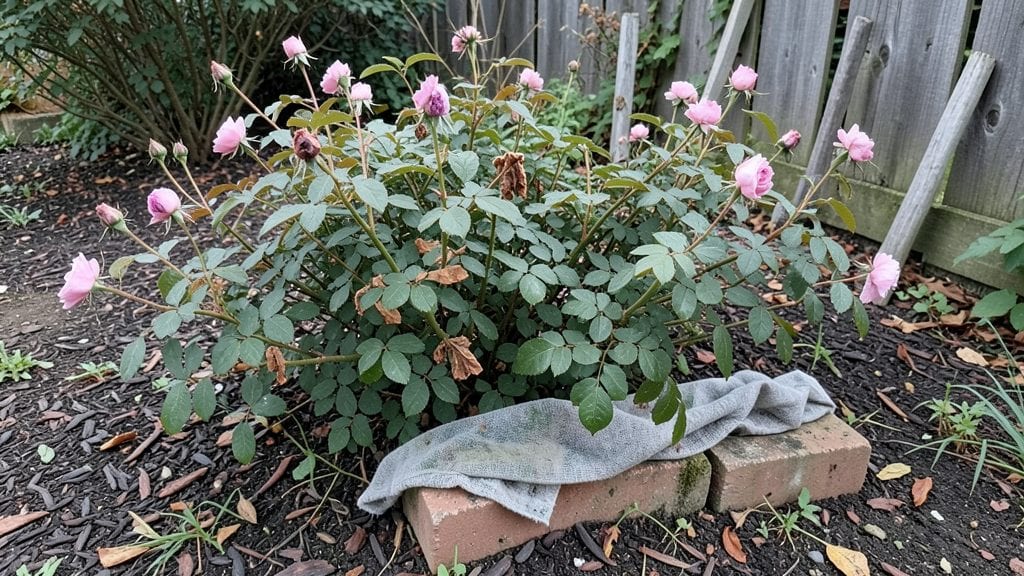
When freezing temps threaten your prized blooms, protecting flowers from freezing isn’t just about survival—it’s about preserving next year’s showstopper garden. I’ve watched frost turn lush roses into brittle skeletons, and let me tell you, it’s a heartbreaking sight that’s 100% preventable with the right prep.
The secret lies in layered protection: thick mulch to insulate roots, frost cloths to trap warmth, and strategic watering that keeps stems from cracking under ice. My cold-hardy hydrangeas have survived winters below 10°F with just these three tactics—no greenhouse needed.
The key is acting before the first freeze, not scrambling when the thermometer drops.
By spring, you’ll see vibrant green growth where others see browned stems, and blooms that return bigger and healthier than ever. The best part? These methods work for everything from heirloom roses to tender annuals, so no plant gets left behind. Let’s get those flowers through winter unscathed.
Whether you’re dealing with a sudden cold snap or planning for a long winter, the same principles apply—just adjust timing and materials. Think of it as winterizing your garden’s VIP section. Ready to save your blooms?
📚 In This Guide
- What you need
- Instructions
- Tips and common mistakes
- Wrapping up and next steps
What you need
- ● Burlap sacks or frost cloth: 1–2 per vulnerable plant (choose breathable fabric, 30–50 denier for best airflow).
- ● Stakes or hoops: 3–5 flexible wire or wooden stakes/hoops (6–12 inches tall) to support cloth over plants.
- ● Twine or clips: 1 spool of twine or clothespins (to secure fabric tightly, but not snugly).
- ● Mulch: 2–3 inches of straw, shredded leaves, or pine needles (organic, weed-free).
- ● Garden twine or zip ties: For securing stakes to plants (avoid plastic ties that can cut stems).
- ● Watering can or hose: For moistening soil before covering (prevents rot from trapped moisture).
- ○ Pruners: Sharp, clean pair to trim dead foliage (optional but helpful for prep).
- ● Bubble wrap or foam board: Cut into plant-shaped shields for small, delicate blooms (e.g., roses, hydrangeas).
- ● Cardboard egg cartons: For tiny seedlings—poke holes for stems and nestle into soil.
- ● Heat source (safely!): String lights (outdoor-rated) or heating cables for extreme cold zones (keep 12+ inches away from plants).
- ● Thermometer: Soil or air thermometer to monitor temps (aim for above 28°F for most flowers).
- ● Waterproof markers: Label plants if using multiple layers (e.g., "Rose Bush – Do Not Disturb").
How to shield perennials and tender plants from winter freeze damage
Here's the science-backed method I use to keep my frost-sensitive blooms thriving through the coldest months.
❄️ Step 1: Identify Your Plants' Cold Tolerance Zones
First, group your plants by their USDA hardiness zone ratings. Tender perennials like hibiscus (Zone 7) or salvia (Zone 8) need far more protection than hardy varieties like coneflowers (Zone 3-9). I always check the plant tags or reference my garden journal notes from previous winters.
Zone 5-7 plants typically survive 20-25°F without protection, while anything below that needs insulation for 10°F or colder. Write these thresholds on popsicle sticks and place them near each plant group—this prevents over- or under-protection. Real talk: I once wrapped a Zone 3 peony like it was a tropical plant and nearly suffocated it.
🪴 Step 2: Apply the First Layer - Mulch the Base
Spread 4-6 inches of straw or shredded leaves around the plant base, extending 6-12 inches outward from the stem. This layer breaks the freeze-thaw cycle that heaves roots out of the soil. I use the 4-inch straw from my materials list because it decomposes slowly and provides consistent insulation.
Don't pile mulch against stems—leave a 2-inch gap to prevent rot. For container plants, wrap the pots in bubble wrap (yes, the kind from packages) and bury them halfway in the garden bed. This doubles insulation while preventing soil from freezing solid.
❄️ Step 3: Install the Insulation Barrier - Burlap or Frost Blankets
Once temperatures drop below 30°F, drape breathable burlap or frost blankets over the plants, securing with u-shaped plant clips or bricks. Avoid plastic sheeting—it traps moisture and causes rot. I prefer 24-inch-wide frost blankets because they cover multiple plants at once and can be stored flat when not in use.
Shape the covering loosely—it should allow 2-3 inches of air space above the plant. This air gap acts as an insulating layer. For particularly cold nights (below 20°F), add a second layer of burlap or a cardboard box around the base to block wind chill.
❄️ Step 4: Add Top Protection for Extreme Cold
When the forecast drops below 15°F, construct mini hoop houses using PVC pipes and clear plastic sheeting. Bend the pipes into arches over the plants, then drape the plastic loosely—never tightly—and secure with clothespins. This creates a microclimate 5-10°F warmer than ambient air.
For individual plants like roses, I use Christmas lights (the incandescent kind) wrapped around the canes. The warmth from the bulbs raises the temperature 2-3°F around the plant. Just don't leave them on 24/7—run them dusk to dawn only to avoid fire hazards.
⏰ Step 5: Monitor and Adjust Through Freeze Events
Check your protected plants every morning during freeze warnings. If ice forms on the frost blanket, it's doing its job—but if it's thick with frost, remove it briefly to let sunlight warm the plants. I keep a thermometer near my most sensitive plants to track real-time temperatures.
After a freeze, remove all covers by midday to prevent sweating (condensation buildup). This is critical—wet foliage in cold temps leads to fungal diseases like powdery mildew. If the ground is frozen solid, wait until soil thaws slightly before uncovering, usually by 10 AM on sunny days.
Tips & tricks for protecting flowers from freezing
These science-backed strategies will help you extend your garden's growing season and keep your frost-sensitive plants thriving through even the harshest winters.
Zone-Specific Protection: Remember that Zone 5-7 plants can handle 20-25°F without extra protection, but anything below that needs serious insulation when temperatures drop below 10°F. I keep a small whiteboard near my garden with a color-coded chart showing which plants need which level of protection—red for extreme cold (10°F), yellow for moderate (20°F), and green for hardy varieties. This visual system prevents me from over- or under-protecting my plants, which has saved me from losing several high-value perennials over the years.
Mulch Layering Technique: When applying that 4-6 inches of straw or shredded leaves in Step 2, consider using a combination of materials for better insulation. Start with a 2-inch layer of coarse mulch (like pine straw) closest to the plant, followed by 2 inches of finer material (like shredded leaves) on top. This creates air pockets that trap heat more effectively. For container plants, double-wrap the pots in bubble wrap—the inner layer prevents heat loss, while the outer layer adds an extra insulating barrier.
Frost Blanket Hacks: Those 24-inch-wide frost blankets from Step 3 are incredibly versatile. Cut them into strips to create makeshift plant collars for individual stems, or use them as lightweight row covers for entire garden beds. For plants with delicate stems, like salvia or hibiscus, I make small "tents" by draping the blanket loosely over a wire hoop (even a bent coat hanger works) to create a mini greenhouse effect without smothering the plant. The key is maintaining that 2-3 inches of air space above the foliage to prevent condensation buildup.
Extreme Cold Rescue: When temperatures plummet below 15°F and you're setting up those mini hoop houses, consider adding a layer of reflective bubble insulation (the kind used in moving trucks) inside the plastic sheeting. This can raise the microclimate temperature by an additional 2-3°F, making a significant difference during polar vortex events. For plants wrapped in Christmas lights, use low-wattage incandescent bulbs (40-60 watts) and space them 12 inches apart—this creates a more even heat distribution without overheating specific areas.
Pro Tips for Protect Flowers From Freezing
- These science-backed strategies will help you extend your garden's growing season and keep your frost-sensitive plants thriving through even the harshest winters.
- Zone-Specific Protection: Remember that Zone 5-7 plants can handle 20-25°F without extra protection, but anything below that needs serious insulation when temperatures drop below 10°F.
- Mulch Layering Technique: When applying that 4-6 inches of straw or shredded leaves in Step 2, consider using a combination of materials for better insulation.
Frequently asked questions
Got questions about keeping your flowers frost-free this winter? You’re not alone—freezing temps can be tricky! Here are answers to the most common concerns to help you protect your blooms like a pro.
How cold is too cold for flowers?
Most flowers start suffering when temperatures drop below 28°F (-2°C). Delicate blooms like roses or dahlias may need protection at 32°F (0°C), while hardy perennials (like coneflowers) can handle 20°F (-7°C) or lower. Check your USDA hardiness zone for specifics!
Can I just cover flowers with blankets?
Yes, but with a few tweaks! Use lightweight, breathable fabric (like frost cloth) to avoid trapping moisture, which can rot stems. Secure edges with rocks or stakes to prevent wind damage. Avoid heavy blankets—they can smother plants or cause mold.
When should I start protecting my flowers?
Begin before the first hard frost (check your local forecast). For potted plants, move them indoors or to a sheltered spot 1–2 weeks before freezing temps arrive. For garden beds, apply mulch or covers after nighttime temps drop below 40°F (4°C).
What if my flowers are already frozen?
Don’t panic! Gently remove any ice crystals with a soft brush. If stems are still firm, they’ll likely recover. Trim dead foliage in spring. For severely damaged plants, wait until new growth appears before pruning—sometimes roots survive even if tops look hopeless!
Are there any flowers that don’t need winter protection?
Native perennials like black-eyed Susans, sedum, or Russian sage are frost-tough. Even some annuals (like pansies) thrive in cold weather. Research your plants—many are built to handle winter with minimal help!
Wrapping up and next steps
Protecting your flowers from freezing isn’t just about survival—it’s about preserving beauty for seasons to come! 🌸 With the right layered barriers, you can shield delicate blooms from harsh winter conditions and wake up to vibrant gardens come spring.
Whether you’re wrapping tender perennials, insulating containers, or creating cozy mulch blankets, every effort counts.
Ready to give your garden some extra love? Start small—pick one bed or pot this weekend and test your chosen method. Watch your plants thrive, and soon, you’ll be the neighborhood’s go-to green thumb for frost-proof blooms! 🌱✨