
Flowers
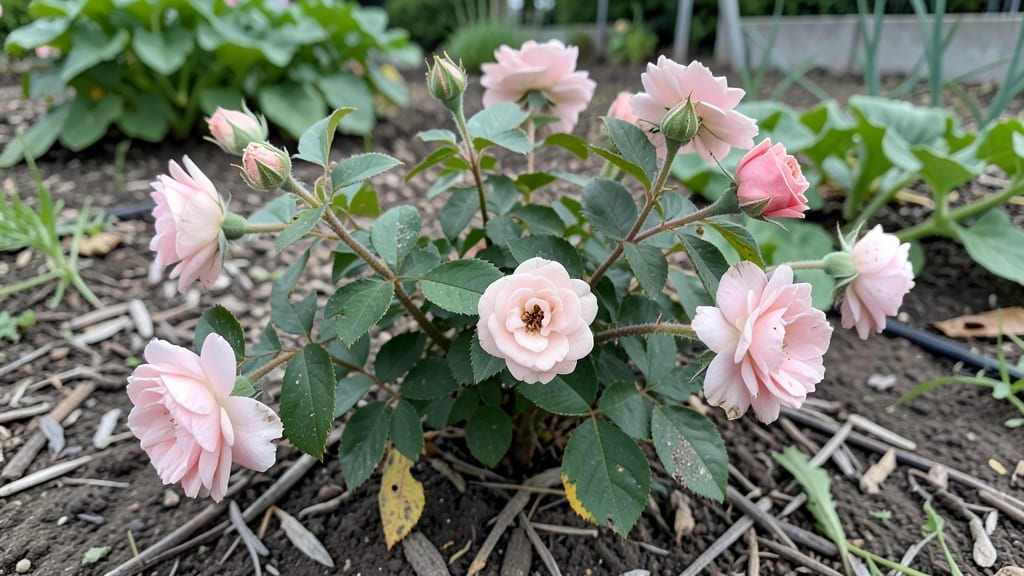
The moss rose flower’s velvety petals first stole my heart as they spilled over a trellis in late summer, proving Portulaca grandiflora’s unmatched resilience—even when frost nips at other plants’ heels. 🌿 summer, still blooming when most annuals had given up.
The secret lies in its year-round resilience and ability to thrive in conditions that would kill other flowers.
This isn’t your high-maintenance diva of a plant. Moss rose loves hot, dry spots where most gardeners would avoid planting anything, and it still puts on a show with those papery, jewel-toned blooms in pink, yellow, and magenta.
Watering? Just enough to keep the soil from drying out completely—drought tolerance is practically its superpower. And here’s the kicker: it self-seeds like crazy, so once you’ve got one, you’ll have them everywhere.
You’ll end up with a lush, cascading display that starts blooming in early summer and keeps going until frost, often rebounding the next season from its own seeds. The flowers stay shockingly fresh even in heat waves, and the foliage has a slightly fuzzy texture that’s irresistible to touch.
Plus, it’s a pollinator magnet—bees and butterflies can’t resist these easy-to-reach blooms.
Works just as well in containers, hanging baskets, or along fences, making it perfect for small spaces or urban gardens. Whether you’re a beginner or a seasoned gardener, this plant makes growing flowers impossible to mess up. Let’s get yours thriving!
📚 In This Guide
- What you need
- Instructions
- Tips and common mistakes
- Wrapping up and next steps
What you need
- ● Seeds or seedlings: High-quality moss rose seeds (choose colors like pink, yellow, or red) or nursery-bought seedlings.
- ● Well-draining soil: A mix of cactus/succulent soil (or regular potting soil amended with perlite/sand) to prevent root rot.
- ● Containers or garden bed: Containers: 6–12" pots with drainage holes (1–2 plants per pot).
- ● Garden bed: Full sun exposure (6+ hours daily) with loose, sandy soil.
- ● Fertilizer: Balanced liquid fertilizer (10-10-10 or 20-20-20) diluted to half-strength.
- ● Gloves & hand trowel (for planting/seeding).
- ● Spray bottle (for gentle watering—moss roses hate soggy roots!).
- ● Pruning shears (to trim dead blooms and encourage new growth).
- ○ Mulch (optional): Gravel or pebbles to retain moisture and improve drainage.
- ○ Cold frame or greenhouse (optional): For extending blooms in colder climates.
Step-by-step guide to planting and cultivating moss rose flowers
This hardy climber thrives with minimal fuss—here’s how to establish it for vibrant, frost-resistant blooms all year.
🌱 Step 1: Select and Prepare the Planting Site
Choose a location with partial shade to full sun, as moss roses tolerate a range of light conditions better than many climbers. I always look for spots with 6+ hours of indirect sunlight daily—this ensures steady blooming without scorching delicate foliage. The site should have well-draining soil, as moss roses despise soggy roots.
Test your soil’s drainage by digging a 12-inch hole and filling it with water. If it drains in under an hour, you’re good. If not, amend the soil with 1 part perlite or coarse sand to 3 parts native soil. Moss roses also appreciate a slightly acidic to neutral pH (6.0–7.0), so a soil test kit helps avoid surprises.
🪴 Step 2: Plant Moss Rose Cuttings or Bare-Root Plants
If using cuttings, dip the base in rooting hormone to encourage faster establishment. Plant at the same depth they were growing previously—burying too deep can suffocate the stem, while planting too shallow leaves roots exposed. Space plants 3–4 feet apart to allow air circulation and future growth.
For bare-root plants, soak the roots in lukewarm water for 30 minutes before planting to revive them. Create a small mound of soil in the center of the hole, place the plant on top, and spread roots outward. Backfill gently, tamping down lightly to eliminate air pockets. Water deeply until the soil is moist 6 inches down—this helps roots establish quickly.
☀️ Step 3: Provide Support and Watering Routine
Install a trellis, arbor, or fence within 12 inches of the plant at planting time. Moss roses twine naturally, but they need support early to avoid flopping. I use a 5-foot-tall obelisk for small gardens or attach flexible wire to a pergola for vertical growth. Secure the main stem loosely with soft ties to guide it upward.
Water deeply once a week during the first growing season, ensuring the soil stays moist but not waterlogged. You’ll know it’s right when the top 2 inches of soil feel damp but not soggy. Once established, moss roses are drought-tolerant, but consistent moisture encourages lush foliage and continuous blooms. Mulch with 2–3 inches of organic matter (like shredded bark) to retain moisture and regulate soil temperature.
✂️ Step 4: Prune and Maintain for Year-Round Blooms
Prune lightly after the first flush of blooms in spring to shape the plant and encourage branching. Remove spent flowers by cutting back to the nearest leaf node—this redirects energy to new growth rather than seed production. In late winter, trim back one-third of the oldest stems to rejuvenate the plant and promote fresh, vigorous shoots.
Fertilize lightly in early spring with a balanced 10-10-10 fertilizer, applying half the recommended dose. Over-fertilizing leads to lush foliage but fewer flowers. Watch for signs of stress: yellowing leaves often mean too much water or fertilizer, while crispy edges signal underwatering. Moss roses are forgiving, but consistency is key—once they’re happy, they’ll reward you with blooms from spring through frost.
Tips & tricks for perfect moss rose flower cultivation
These game-changing insights will help you cultivate thriving moss rose flowers that bloom beautifully year-round with minimal effort.
Soil Preparation Secret: Beyond the 12-inch drainage test, I recommend adding a handful of compost to your amended soil mix before planting. This boosts microbial activity without altering the drainage ratio. The compost helps establish beneficial fungi that moss roses rely on for nutrient uptake, especially in their first critical growing season.
Root Revival Technique: When soaking bare-root plants for 30 minutes, use water that's just slightly warmer than room temperature—around 70°F. Cooler water can shock the roots, while hotter water may damage tender tissues. This gentle warmth mimics natural spring conditions and jumpstarts root growth immediately after planting.
Support System Strategy: For the 5-foot-tall obelisk or pergola support, I always install it slightly off-center from the planting hole. This encourages the main stem to grow toward the center of the support structure, creating a more balanced, symmetrical growth pattern. The extra inch or two makes a noticeable difference in how the vines climb.
Pruning Precision: When trimming back one-third of the oldest stems in late winter, focus on removing stems that are thicker than a pencil. These mature stems have already contributed their share to the plant's structure, and removing them redirects energy to newer, more productive growth. Always use clean, sharp pruners to prevent tearing the bark.
Pro Tips for Moss Rose Flower
- These game-changing insights will help you cultivate thriving moss rose flowers that bloom beautifully year-round with minimal effort.
- Soil Preparation Secret: Beyond the 12-inch drainage test, I recommend adding a handful of compost to your amended soil mix before planting.
- Root Revival Technique: When soaking bare-root plants for 30 minutes, use water that's just slightly warmer than room temperature—around 70°F.
Frequently asked questions
Got questions about the stunning moss rose flower?
You’re not alone! Here are answers to common queries to help you grow and enjoy this frost-resistant climber with ease.
How cold can moss rose flowers tolerate?
Moss rose flowers (Portulaca grandiflora) are surprisingly hardy! They thrive in USDA zones 2–11 and can handle light frosts down to 20°F (-7°C). For extra protection, mulch the base or cover young plants in winter. Their succulent leaves store water, helping them bounce back after cold snaps.
When is the best time to plant moss rose flowers?
Plant moss roses after the last frost in spring (when soil temps reach 50°F/10°C) for best results. They also tolerate heat and drought, making them ideal for summer gardens. For year-round blooms, start seeds indoors 6–8 weeks before the last frost or sow directly in warm soil. Pro tip: Deadhead spent blooms to encourage continuous flowering!
Can moss rose flowers grow in containers?
Moss roses thrive in containers 6–12 inches deep with well-draining soil. Use pots with drainage holes and place them in full sun. Opt for lightweight mixes (like cactus/succulent blends) to prevent root rot. Bonus: Container-grown moss roses are perfect for balconies or patios, adding vibrant color to small spaces.
Are moss rose flowers deer- or rabbit-resistant?
While not fully deer-proof, moss roses are less appealing to deer and rabbits than many other flowers due to their mildly bitter taste. For extra protection, mix them with deer-resistant plants like lavender or Russian sage. A light fence or repellent spray can also deter nibbling.
What can I do if my moss rose flowers aren’t blooming?
Lack of blooms often signals too much shade, over-fertilizing (especially with nitrogen), or poor drainage. Ensure your moss roses get 6+ hours of sunlight daily and use a low-phosphorus fertilizer (like 5-10-5). Prune leggy stems to encourage bushier growth, and water deeply but infrequently—they hate soggy soil!
What are some great moss rose flower color combinations?
Moss roses come in bright hues like pink, yellow, orange, red, and purple. For a vibrant display, pair:
- Pink + Yellow for a sunny, cheerful look
- Red + White for a classic contrast
- Orange + Purple for a bold, tropical feel
Wrapping up and next steps
The moss rose flower is a stunning, low-maintenance climber that brings year-round charm and resilience to any garden. With its frost-hardy nature and delicate blooms, it’s perfect for adding texture and color without the fuss.
Whether you're a seasoned gardener or just starting out, this plant is a fantastic choice to elevate your outdoor space effortlessly.
Ready to bring some magic to your garden? Start by gathering your supplies, choosing the right location, and following the steps to plant and care for your moss rose. Happy gardening! 🌿✨