Flowers
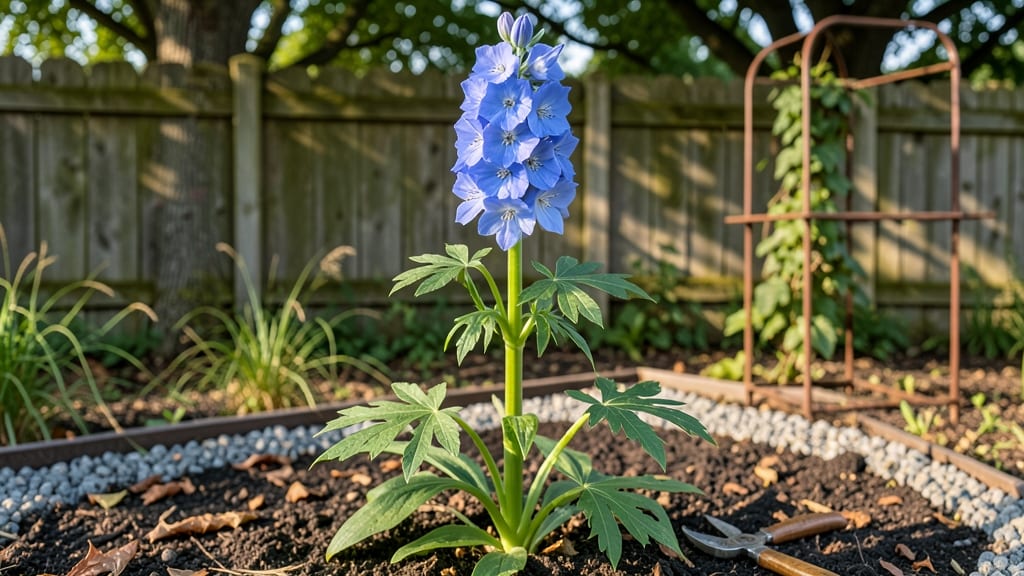
A blue colored flower like the sky-high delphinium or velvety hydrangea brings the Pacific Northwest’s cool, misty charm straight to your garden—especially when they survive frost like champs. 🌿 I've spent years curating blue blooms that thrive in our damp, chilly climate. that glow in morning light.
The secret isn't just picking the right plants; it's arranging them so they pop against evergreens and silver foliage, creating that signature PNW "ocean mist" look.
Start with delphiniums for drama—their spiky blue plumes reach 5-6 feet tall, perfect for borders or cutting gardens. Pair them with compact lavender for texture and fragrance, or add low-growing ajuga for a lush ground cover.
These combos work in containers too, where the blue hues contrast beautifully with terracotta pots. The best part? Most of these plants bloom from early summer through fall, giving you months of that signature cool-toned elegance.
Imagine your garden in late June: delphiniums swaying in the breeze, hydrangeas deepening to lavender as the season progresses, and lavender releasing its scent when you brush past.
The blue tones make other colors sing—try pairing with white asters for a moonlit effect or bright yellow black-eyed Susans for a sunlit meadow vibe. Even in winter, the skeletal stems of delphiniums add structure, while evergreen heather keeps the blue theme alive.
This color palette works in every garden style—formal borders, cottage gardens, or even modern minimalist designs. The key is layering heights and textures while letting the blue tones unify the space.
Once you see how these plants transform your yard, you'll never look at a blue flower the same way again. Let's bring that PNW magic to your landscape!
📚 In This Guide
- What you need
- Instructions
- Tips and common mistakes
- Wrapping up and next steps
What you need
- ● Blue-colored flower seeds or seedlings: Recommended varieties: Delphinium, Cornflower (Centaurea cyanus), or Blue Salvia (Salvia nemorosa) (choose frost-resistant types for PNW climates). Quantity: 10–20 seeds or 3–5 seedlings (for a small garden bed or container).
- ○ Well-draining potting mix or garden soil: 1–2 bags (10–20 lbs each) of high-quality, organic soil blend (amend with perlite or sand if your soil is heavy). Optional: Add compost (1–2 cups per planting hole) for extra nutrients.
- ● Containers or garden bed: For containers: 5–10-inch pots (1–2 per plant) with drainage holes. For in-ground: A sunny spot (6+ hours of light) with loose, fertile soil.
- ● Watering can or hose with a gentle spray nozzle.
- ● Mulch (straw, pine needles, or shredded bark): 2–3 inches to protect roots from frost.
- ● Hand trowel or small shovel (for planting and soil prep).
- ● Gloves (to protect hands from thorns or rough soil).
- ● Plant markers (to label varieties if testing multiple types).
- ○ Fertilizer: Balanced, slow-release granules (e.g., 10-10-10) or organic compost tea (apply every 4–6 weeks). Optional: Epsom salt (1 tbsp per gallon of water) for magnesium boost (great for Delphinium).
- ● Row cover or frost cloth (for early spring/fall protection in colder PNW zones).
- ● Pruning shears (for deadheading spent blooms to encourage reblooming).
How to grow the Pacific Northwest's frost-resistant blue beauty
This hardy blue bloomer thrives in cool climates and brings color to gardens year after year.
🌱 Step 1: Choose the Right Blue Flower for Your Climate
For the Pacific Northwest's unpredictable frost, I recommend Delphinium elatum or Lobelia erinus. Delphinium's striking blue spikes handle frost down to 20°F, while Lobelia stays vibrant in partial shade. Check your zone—both do best in zones 3-9. I always plant Delphinium in full sun and Lobelia in filtered light to prevent leaf scorch.
Start with established plants from a local nursery—they're already hardened off and ready for your garden. Avoid seed-starting unless you're patient; these beauties take 60-90 days to bloom from seed. If you're planting in spring, wait until after the last frost date to avoid cold damage to tender new growth.
☀️ Step 2: Prepare the Soil and Planting Site
These blue beauties crave well-draining soil with pH 6.5-7.0. Amend heavy clay with 2-3 inches of compost and a handful of perlite to improve aeration. I dig a hole twice as wide as the root ball but only as deep—planting too deep suffocates the roots and causes rot.
Space Delphinium 18-24 inches apart for those dramatic spikes, while Lobelia thrives in 6-12 inch spacing for a lush groundcover effect. Water deeply before planting to settle the soil around roots. You'll know it's right when the soil surface looks slightly damp but not glistening—this prevents waterlogging while keeping roots happy.
💧 Step 3: Water and Mulch for Frost Protection
Water newly planted flowers once a week for the first month, then taper to every 10-14 days once established. These plants hate soggy roots but need consistent moisture. I water in the early morning to let foliage dry before evening—this prevents fungal issues that thrive in damp conditions.
Apply 2-3 inches of mulch (straw or shredded bark works best) after planting. This insulates roots during frosts and retains moisture. In winter, add an extra 1-2 inches of mulch to protect Delphinium's crown from freezing. You'll see healthier stems and more vibrant blooms next season when you do this.
✂️ Step 4: Prune and Feed for Continuous Blooms
Deadhead spent blooms every 2-3 weeks to encourage more flowers. For Delphinium, cut back to the first set of healthy leaves after the main stems fade. Lobelia benefits from a light trim after flowering to keep it compact. I always use clean, sharp scissors—dull blades crush stems and invite disease.
Feed with a balanced 10-10-10 fertilizer in early spring and again after flowering. For organic options, mix in compost tea monthly during the growing season. You'll notice stronger stems and bigger blooms when the plants get this extra boost—it's like giving them a vitamin shot!
⏰ Step 5: Overwinter for Next Year's Color
In fall, cut back Delphinium stems to 4-6 inches above ground level. Leave Lobelia as-is—its low-growing habit protects it naturally. Both plants benefit from a thick layer of mulch (up to 4 inches) to insulate roots through winter. I check mulch levels in late winter—if it's broken down, I add more before the first spring rains.
In early spring, remove old mulch and add fresh compost before new growth appears. You'll see fresh shoots emerge within 2-3 weeks—that's your signal to start light feeding. These frost-resistant beauties reward patience with years of vibrant blue blooms with minimal effort.
Tips & tricks for perfect frost-resistant blue flowers
These simple tricks will help your Pacific Northwest blue beauties thrive year after year with minimal effort.
Climate-Smart Planting: Don't rush planting in spring! Wait until after the last frost date to avoid damaging tender new growth. I check my local frost calendar and plant Delphinium at least 2 weeks after the predicted date—this gives roots time to establish before summer heat arrives. For Lobelia, which is more delicate, I wait an extra week to be safe.
Soil Testing Tip: Before amending your soil, test the pH with a simple kit available at garden centers. These blue beauties prefer pH 6.5-7.0, and adjusting the pH can make a huge difference in bloom quality. If your soil is too acidic, add crushed limestone; for alkaline soil, mix in peat moss. I test my soil every 2-3 years to maintain optimal conditions.
Mulching Strategy: The 2-3 inches of mulch you apply after planting isn't just for winter protection—it also suppresses weeds and retains moisture. In summer, I add an extra inch of mulch around Delphinium to keep roots cool. For Lobelia, which stays low to the ground, I use straw mulch that won't smother its delicate foliage.
Pruning Precision: When deadheading Delphinium, cut back to the first set of healthy leaves rather than just removing the spent bloom. This encourages stronger regrowth and prevents leggy stems. For Lobelia, I use finger pinching instead of scissors to remove faded flowers—it's gentler on the plant and keeps it compact. I always sterilize my tools with rubbing alcohol between plants to prevent disease spread.
Pro Tips for Blue Colored Flower
- These simple tricks will help your Pacific Northwest blue beauties thrive year after year with minimal effort.
- Climate-Smart Planting: Don't rush planting in spring!
- Soil Testing Tip: Before amending your soil, test the pH with a simple kit available at garden centers.
Frequently asked questions
Got questions about growing or caring for blue-colored flowers in the Pacific Northwest? You’re not alone! Here are some of the most common queries—and their answers—to help you nurture your frost-resistant blue beauties with confidence.
What are the best blue flowers for cold climates like the Pacific Northwest?
The Pacific Northwest’s chilly, damp winters call for hardy blue blooms like Delphinium, Lobelia, Blue Flax (Linum lewisii), and Periwinkle (Vinca major). These thrive in zones 5–9 and handle frost like pros! For extra resilience, opt for native varieties like Blue Camas or Oregon Iris.
How do I protect blue flowers from late spring frosts?
Late frosts can nip tender blooms, but don’t worry! Cover young plants with frost cloth or row covers on chilly nights. For established flowers, mulch the base with straw or bark to insulate roots. Avoid heavy mulch (like grass clippings), which can rot. Water deeply before frost to help plants withstand cold better.
Why are my blue flowers wilting even though I water them?
Wilting in blue flowers often signals overwatering (root rot) or underwatering. Check soil moisture—it should feel damp but not soggy. If roots look mushy, trim affected areas and repot in well-draining soil. Lobelia and Delphinium prefer consistent moisture, while Blue Flax thrives in drier conditions. Adjust your watering schedule based on the specific variety!
Can I grow blue flowers from seed, or should I buy transplants?
Many blue flowers, like Delphinium and Lobelia, grow well from seeds but take longer to bloom (60–90 days). For faster results, buy transplants from local nurseries—especially for frost-sensitive varieties. Pro tip: Start seeds indoors 8–10 weeks before the last frost for a head start!
Are there non-toxic blue flowers safe for pets?
Not all blue flowers are pet-friendly! Safe options include Blue Flax, Periwinkle, and Blue Salvia. Avoid Delphinium (toxic to dogs/cats) and Lobelia (mildly toxic). When in doubt, check the ASPCA’s toxic plants list before planting near furry friends.
How do I revive a struggling blue flower plant?
Start by pruning dead or yellowing leaves to redirect energy. Check for pests (like aphids) and treat with neem oil if needed. Amend soil with compost for nutrients, and adjust watering habits. If the plant is beyond saving, propagate cuttings (for perennials like Periwinkle) or replant with a fresh specimen!
Wrapping up and next steps
From the vibrant blue delphiniums to the delicate blue lupines, the Pacific Northwest’s frost-resistant blue beauties are a gardener’s dream—adding color, resilience, and charm to any landscape.
Whether you’re a seasoned horticulturist or a beginner with a green thumb, these flowers prove that stunning blooms can thrive even in cooler climates. 🌿❄️
Ready to bring some blue magic to your garden? Start by researching the specific varieties that suit your region, then gather your supplies and dive in!
With a little patience and care, you’ll be rewarded with a breathtaking display that turns heads—and maybe even inspires your neighbors to plant their own blue oasis. Happy gardening! 🌸