
Flowers
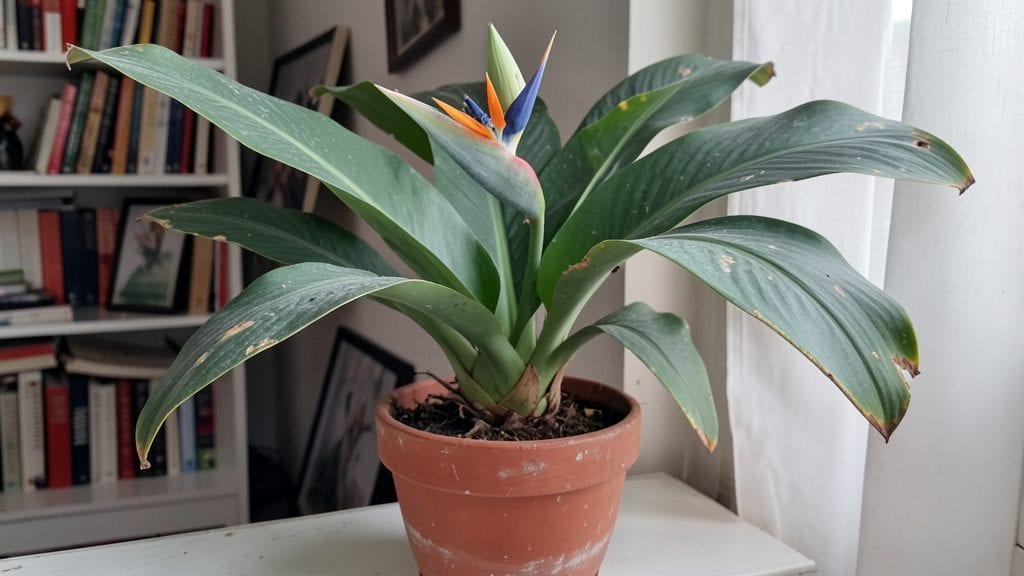
Some bird of paradise flower facts might surprise you—this striking bloom, shaped like a tropical bird in flight, actually thrives in Pacific Northwest gardens with the right care. I’ve grown mine for five years through rainy winters and foggy summers, and it’s become the showstopper of my yard.
The secret isn’t heat or humidity but mimicking its natural understory habitat with bright, indirect light and well-draining soil.
This plant demands 6+ hours of morning sun but protects its leaves from harsh afternoon rays—just like its South African homeland. Water deeply when the top 2 inches of soil dry out, then let it rest; overwatering is the fastest way to kill it.
With proper drainage, it handles our damp climate better than most tropicals, though its 4-foot-tall leaves can get soggy in winter if left outdoors. Move it under cover before frost, and you’ll keep those dramatic orange-and-blue blooms coming year after year.
What makes this plant magical is how it rewards patience. A mature plant can bloom from spring through fall, with each flower lasting 2-3 weeks—longer than most cut flowers. The foliage alone is striking, with leathery, banana-like leaves that add texture to any garden.
Even indoors, it stays lush with a foolproof care routine: bright light, occasional misting, and a little extra fertilizer in spring.
Here’s the twist: propagation is easier than you’d think. Divide mature clumps in early spring when new shoots appear, and you’ll have free plants for friends—or more drama in your own garden.
Just watch for scale insects on the undersides of leaves, and treat them early with neem oil. With the right spot, this tropical stunner becomes the Pacific Northwest’s most neighborhood-jealousy-inducing plant.
📚 In This Guide
- What you need
- Instructions
- Tips and common mistakes
- Wrapping up and next steps
What you need
- ● Bird of Paradise Plant: 1 potted Strelitzia reginae (choose a healthy, mature plant, 3–5 feet tall, with vibrant orange and blue blooms).
- ○ Optional: Seeds (if propagating from scratch—requires patience and a warm, humid environment!).
- ● Container or Garden Bed: For containers: A large pot (at least 18–24 inches in diameter) with drainage holes. Terracotta or ceramic works best.
- ● For garden beds: A sunny spot with well-draining soil (amend with compost if soil is heavy or clay-like).
- ● Soil Mix: 1 part potting mix (lightweight and airy).
- ● 1 part perlite or pumice (for drainage).
- ● 1 part compost or coconut coir (for nutrients).
- ● Fertilizer: Balanced granular fertilizer (10-10-10 or 20-20-20), 1–2 tablespoons per planting hole.
- ○ Optional: Slow-release organic fertilizer (like fish emulsion or worm castings) for a nutrient boost.
- ● Mulch: 2–3 inches of organic mulch (wood chips, bark, or straw) to retain moisture and regulate soil temperature.
- ● Tools: Trowel or garden spade (for planting).
- ● Gloves (to protect your hands—those leaves are sharp!).
- ● Watering can or hose with a gentle spray nozzle.
- ○ Optional: Pruners (for trimming dead leaves or spent blooms).
- ● Sunlight: At least 6–8 hours of direct sunlight daily (even in the PNW! A south-facing spot is ideal).
- ● Water: Ready access to water (bird of paradise loves moisture but hates soggy roots—water deeply 1–2 times per week in summer, less in winter).
- ● Patience: These beauties can take 2–3 years to bloom indoors or in containers, but garden-planted ones may reward you sooner!
- ● Winter Care (PNW-Specific): Protect potted plants from freezing temps (burlap.
- ● Mulch garden beds heavily (4–6 inches) to insulate roots.
How to grow and care for bird of paradise in the Pacific Northwest
This striking tropical beauty thrives in PNW gardens with the right conditions and care.
Choose the Right Location and Prepare the Soil
The bird of paradise (Strelitzia reginae) demands bright, indirect light—think dappled shade under tall trees or a sheltered spot where it gets morning sun but afternoon shade. In the Pacific Northwest’s cooler climate, avoid harsh midday sun, which can scorch the large, glossy leaves. I’ve found that positioning it near a south-facing wall with afternoon shade works best, especially in areas with heavy rainfall.
Amend the soil with 3-4 inches of organic compost mixed into the native soil to improve drainage, as these plants despise soggy roots. The ideal soil should be well-draining yet moisture-retentive, mimicking their native South African habitat. If your garden soil is heavy clay, consider planting in a large container—this gives you better control over moisture and drainage.
Plant at the Correct Depth and Spacing
Dig a hole twice as wide as the root ball but only as deep as it was in its original container. This prevents the plant from sitting too low, which can cause rot. Gently remove the plant from its pot and loosen any circling roots with your fingers—this encourages outward growth instead of a tangled mass. Place it in the hole so the top of the root ball sits 1-2 inches below ground level for stability.
Space multiple plants 6-8 feet apart to allow for their eventual size—bird of paradise can reach 6-8 feet tall and wide with proper care. In containers, choose a pot at least 18 inches wide and deep, as these plants have thick, fibrous roots that need room to spread. Fill the remaining space with the amended soil, pressing lightly to eliminate air pockets but not compacting too firmly.
Water Deeply and Establish a Consistent Routine
Water deeply once a week during the growing season (spring and summer), allowing the top 3-4 inches of soil to dry out between waterings. In the Pacific Northwest’s rainy climate, this means you’ll likely need to adjust for seasonal changes—reduce watering in winter when rainfall increases. Overwatering is the fastest way to kill a bird of paradise, so always check moisture levels before adding more water.
Mulch the base of the plant with 2-3 inches of organic mulch, such as wood chips or shredded bark, to retain moisture and regulate soil temperature. Keep the mulch 4-6 inches away from the stem to prevent rot. You’ll notice healthier foliage and fewer pests when the soil stays consistently moist but not waterlogged.
Fertilize for Vibrant Growth and Blooms
Feed your bird of paradise with a balanced, slow-release fertilizer (10-10-10) in early spring, just as new growth begins. Apply it according to package instructions, typically every 2-3 months during the growing season. Avoid high-nitrogen fertilizers, which promote leafy growth at the expense of flowers—the dramatic blooms are what make this plant worth growing.
For container-grown plants, use a water-soluble fertilizer diluted to half strength every 4-6 weeks during the growing season. You’ll see the difference in larger, more vibrant leaves and an increased chance of those iconic orange-and-blue blooms. If your plant isn’t flowering after 2-3 years, it may need a winter rest period—reduce watering and fertilization in late fall to encourage dormancy.
Protect from Cold and Pests
The Pacific Northwest’s mild winters are generally safe for bird of paradise, but temperatures below 20°F can damage or kill the plant. If a hard freeze is forecasted, cover the plant with burlap or frost cloth, securing it tightly to avoid wind damage. In containers, move the pot to a sheltered location, such as a garage or under an eave, where temperatures stay above 30°F.
Watch for scale insects and mealybugs, which can infest the undersides of leaves. Wipe them off with a damp cloth or treat with neem oil if they appear. I’ve found that keeping the plant healthy with proper watering and fertilization reduces pest issues significantly. If you notice yellowing leaves, it’s often a sign of overwatering or nutrient deficiency, not pest damage.
Tips & tricks for perfect bird of paradise care in Pacific Northwest gardens
These essential insights will help you coax vibrant growth and stunning blooms from your tropical showstopper, even in our famously unpredictable climate.
Lighting Strategy: The bird of paradise's bright indirect light needs in Step 1 can be tricky in our overcast PNW winters. If you notice leaves losing their glossy sheen or growing smaller, supplement with a grow light positioned 12-18 inches above the plant for 4-6 hours daily. I've seen dramatic improvements in foliage health after just two weeks of this adjustment during our darkest months.
Soil Science: When amending your soil with 3-4 inches of organic compost in Step 1, consider adding perlite or pumice to improve drainage further. This is especially important if you're planting in containers, as bird of paradise roots are particularly sensitive to waterlogged conditions. The ideal mix should resemble a well-draining potting soil with chunky texture—think of it as mimicking the sandy soils of its South African homeland.
Winter Protection: For the cold-sensitive temperatures mentioned in Step 5, don't wait until the forecast hits 20°F to take action. Start monitoring your local weather service when temperatures dip below 35°F and prepare your protective materials in advance. I keep burlap and frost cloth ready by early November, as our coastal areas can experience sudden cold snaps even in December. Remember that container plants need extra protection—their roots are more exposed to cold winds.
Fertilizer Timing: The 2-3 month interval for slow-release fertilizer in Step 4 works well, but pay attention to your plant's growth signals. If you notice new leaves emerging smaller than previous ones, it's a sign your bird of paradise is hungry for nutrients. Container plants, in particular, benefit from the more frequent 4-6 week water-soluble fertilizer schedule, as they deplete nutrients faster than in-ground specimens.
Pro Tips for Bird Of Paradise Flower Facts
- These essential insights will help you coax vibrant growth and stunning blooms from your tropical showstopper, even in our famously unpredictable climate.
- Lighting Strategy: The bird of paradise's bright indirect light needs in Step 1 can be tricky in our overcast PNW winters.
- Soil Science: When amending your soil with 3-4 inches of organic compost in Step 1, consider adding perlite or pumice to improve drainage further.
Frequently asked questions
Got questions about growing and caring for the bird of paradise flower? You’re not alone! Here are some of the most common queries—plus straightforward answers to help you keep your tropical beauty thriving in the Pacific Northwest.
Can bird of paradise flowers grow outdoors in the PNW?
Yes! While they love warmth, these plants are hardy to USDA Zone 9b (with winter protection). In cooler PNW climates (Zones 7-8), grow them in containers and bring them indoors or under a roof when temps drop below 30°F. A sunny patio or greenhouse works great!
How long does it take for a bird of paradise to bloom?
Patience is key—most plants take 2-3 years to flower after planting. St.relitzia nicolai (the giant bird of paradise) may take even longer. Boost blooms by ensuring bright light, well-draining soil, and balanced fertilizer (like 6-6-6) in spring and summer.
Why aren’t my bird of paradise leaves yellowing or drooping?
Yellow leaves often signal overwatering or poor drainage. Let the top 2-3 inches of soil dry out between waterings, and ensure pots have drainage holes. Drooping can also mean underwatering—these plants prefer consistent moisture but hate soggy roots.
What’s a good alternative if I can’t grow bird of paradise?
Try these PNW-friendly tropicals with similar drama:
- Canna lilies – Bold foliage, heat-tolerant, and great in containers.
- Agapanthus – Drought-resistant and thrives in Zones 7-10.
- Hibiscus – Loves humidity and blooms like crazy in summer.
Are bird of paradise flowers toxic to pets?
Yes, they’re toxic to cats and dogs if ingested. The plant contains saponins, which can cause vomiting, drooling, or diarrhea. Keep them out of reach or opt for pet-safe alternatives like calathea or spider plants if you’ve got furry friends.
Wrapping up and next steps
The bird of paradise flower is a stunning symbol of tropical beauty that can thrive even in cooler climates like the Pacific Northwest! 🌿 From its vibrant blooms to its low-maintenance care, this plant offers year-round drama with minimal effort.
Whether you're drawn to its bold colors or its resilience, adding one to your garden is a rewarding choice.
Ready to bring a taste of the tropics to your space? Start by choosing your plant—whether from a local nursery or a trusted online seller—and give it the love it deserves. Happy gardening! 🌸