Flowers
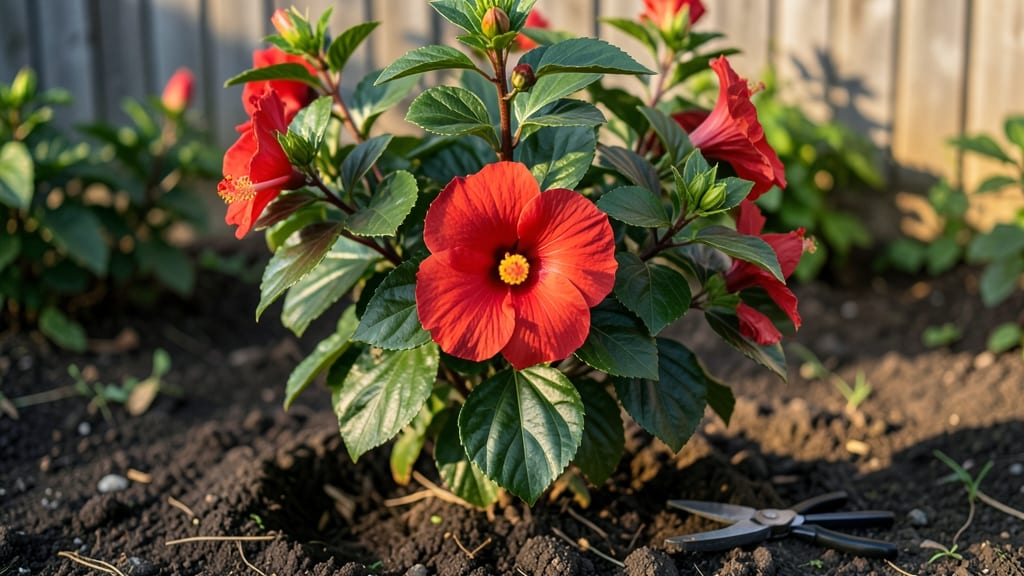
That tropical red flower in your Pacific Northwest garden could be the bold statement your sunset borders need—bright, hummingbird-magnet blooms that turn twilight into a showstopper. 🌺 I've seen how a single hibiscus or bougainvillea can transform a rainy-season yard into a vibrant escape, even when temps dip below 60°F. The key?
Choosing varieties that handle our cool summers and winter chills without losing their fiery hues.
These plants thrive with 6+ hours of sun daily and well-draining soil—critical for preventing root rot in our damp climate.
Think of them as your garden's tropical ambassadors: their glossy leaves and fiery blooms create instant drama, whether planted in large containers (for easy winter protection) or as focal points along patios. The trade-off? Some need winter wraps or greenhouse moves when frost threatens, but the payoff is worth it.
Picture this: late summer evenings where hummingbirds dart between crimson blooms, their wings catching the last light like living jewels. Your garden becomes a magnet for pollinators while standing out against the region's softer greens.
The secret lies in pairing bold reds with silvery foliage plants—like dusty miller—to make them pop even more against our misty backdrops.
For PNW gardeners, the best tropical red stars include hardy hibiscus (like 'Disco Belle'), bougainvillea (with its papery bracts), and canna lilies (for their dramatic, banana-like leaves).
Each brings a different texture and growth habit, so you can layer them for maximum impact. Ready to make your sunset the neighborhood's envy?
📚 In This Guide
- What you need
- Instructions
- Tips and common mistakes
- Wrapping up and next steps
What you need
- ● Tropical Red Flower Plant: 1 potted plant (3-5 gallons) or bare-root seedling
- ● Recommended varieties: Hibiscus rosa-sinensis, Bougainvillea spectabilis, or Strelitzia reginae (Bird of Paradise)
- ● Soil: 5-10 gallons of well-draining potting mix (e.g., Miracle-Gro Potting Mix or Black Gold Natural & Organic)
- ○ Optional: Perlite or sand (1 part perlite to 3 parts soil) for extra drainage
- ● Container or Garden Bed: For containers: 1 large pot (12"+ diameter) with drainage holes
- ● For in-ground planting: A sunny spot with 6+ hours of sunlight (evening sun is ideal in PNW!)
- ● Fertilizer: 1 bottle of balanced liquid fertilizer (e.g., Dyna-Gro Grow or Miracle-Gro All-Purpose)
- ○ Optional: Slow-release granules (e.g., Osmocote Smart-Release) for long-term feeding
- ● Watering Supplies: Watering can or hose with a gentle spray nozzle
- ● Mulch (e.g., pine bark or coconut coir) to retain moisture
- ● Pruning Tools: 1 pair of sterilized pruning shears (e.g., Fiskars Steel Bypass Pruners)
- ● 1 small hand trowel for soil adjustments
- ● Microclimate: Choose a south-facing wall, patio, or greenhouse to extend the growing season.
- ● Winter Care: Move potted plants to a sunny indoor spot (e.g., near a south-facing window) or use a frost cloth for outdoor plants.
- ● Humidity: Mist leaves occasionally or use a humidifier if indoor conditions are dry.
- ● Local Nursery: Visit a PNW-friendly nursery (e.g., The Plant in Seattle or Bellevue Botanical Garden) for region-tested varieties.
- ● Epsom Salt: 1 box (for magnesium boost—great for Hibiscus leaves!)
- ● Copper Fungicide: 1 spray bottle (prevents powdery mildew in damp PNW air)
- ● Decorative Stones: Smooth river rocks or volcanic lava rocks for drainage and aesthetics
- ● Pollinator-Friendly Additions: 1 small hummingbird feeder (to attract pollinators!)
- ● Native PNW companion plants (e.g., Salal or Oregon Grape)
Step-by-Step instructions for cultivating a stunning tropical red flower
Here's how to grow a vibrant tropical red flower that thrives in the Pacific Northwest's unique climate.
🌱 Step 1: Select the Right Tropical Red Flower Variety for Your Climate
Not all tropical red flowers tolerate the Pacific Northwest's cooler summers and wet winters. I recommend hellebores (Helleborus niger) for winter blooms or canna lilies (Canna indica) for bold summer color. Both handle our region's humidity and occasional chill better than tropical impatiens or hibiscus.
Check your hardiness zone—most tropical red flowers thrive in zones 7-10. If you're in zone 6 or cooler, choose cold-hardy varieties like tropical red hellebore or grow cannas in containers you can move indoors during winter. The key is selecting a plant that matches your microclimate's temperature swings.
☀️ Step 2: Plant in Well-Draining Soil with Partial Sun Exposure
Tropical red flowers despise soggy roots, so amend your native soil with 3-4 inches of compost and a handful of perlite to improve drainage. I mix in a slow-release fertilizer at planting to give them a nutrient boost without burning tender roots. For containers, use a premium potting mix with added orchid bark for aeration.
Place your plant where it gets morning sun and afternoon shade—especially in hotter summer months. Direct afternoon sun can scorch leaves, while too much shade reduces flowering. In the Pacific Northwest, a north-facing or east-facing spot often works best. Watch for leaves turning yellow—this usually means the soil is too wet or nutrient-deficient.
💧 Step 3: Water Deeply but Infrequently to Encourage Strong Roots
Water once a week during the growing season, letting the top 2 inches of soil dry out between waterings. Overwatering is the fastest way to kill tropical red flowers—root rot sets in quickly in our damp climate. I use a soaker hose to deliver water slowly at the base, avoiding wetting the foliage to prevent fungal diseases.
In winter, reduce watering to every 2-3 weeks unless you're growing a cold-hardy variety like hellebore. Check soil moisture by sticking your finger 1-2 inches deep—if it feels dry, it's time to water. Mulch with 2-3 inches of shredded bark to retain moisture and regulate soil temperature.
✂️ Step 4: Prune and Fertilize for Continuous Blooms
Deadhead spent blooms weekly to encourage new flowers. For cannas, cut back foliage in late fall and divide clumps every 3-4 years to prevent overcrowding. Hellebores need minimal pruning—just remove damaged leaves in early spring. I apply a balanced 10-10-10 fertilizer every 6 weeks during the growing season, following label instructions.
Watch for pests like aphids or spider mites—common in our humid climate. A neem oil spray applied every 2 weeks during summer keeps them at bay without harming pollinators. If you notice yellowing leaves paired with sticky residue, act fast—aphids can weaken plants quickly.
🪴 Step 5: Overwinter Strategically for Year-Round Growth
If growing cannas in containers, move them indoors before the first frost or bury pots 6 inches deep in garden soil and cover with straw mulch. Tropical red hellebores handle winter well but benefit from a thick layer of evergreen boughs for insulation. In spring, remove mulch gradually to avoid shocking roots with sudden warmth.
For container-grown tropicals, reduce watering to once every 3-4 weeks and place in a bright, cool room (around 50-55°F). Resume normal care in late winter when new growth appears. This winter prep ensures your tropical red flower returns stronger each season, ready to feed hummingbirds with its vibrant blooms.
Tips & tricks for perfect tropical red flower cultivation
These insider tips will help you coax vibrant red blooms from your tropical plants—even in the Pacific Northwest's tricky climate.
Variety Selection Wisdom: When choosing between hellebores and canna lilies, consider your microclimate's specific challenges. Hellebores thrive in shadier spots with cooler temperatures, while cannas love heat and direct morning sun. I've found that cannas planted near south-facing walls get enough warmth to bloom reliably even in our cooler summers. For zone 6 gardeners, opt for the cold-hardy hellebore varieties—they'll reward you with winter blooms when most gardens are dormant.
Soil Science Secret: The 3-4 inches of compost recommendation in Step 2 is non-negotiable for our region's dense, clay-heavy soils. Mix in a handful of perlite or pumice for that extra drainage boost—this prevents the very root rot that claims so many tropical plants. Pro tip: Add a thin layer of coarse sand to the bottom of containers before your potting mix to create a drainage layer that works like a charm for cannas.
Watering Strategy: That weekly watering schedule in Step 3 is perfect, but timing matters just as much as frequency. Water in the early morning so foliage has all day to dry, preventing fungal issues that thrive in our humid climate. For container plants, I've noticed they often need watering more frequently—check soil moisture daily during heatwaves, as pots dry out much faster than garden beds.
Pest Prevention: The neem oil spray mentioned in Step 4 is your first line of defense against our region's persistent aphid problems. For extra protection, I've started using reflective mulch around my cannas—it confuses pests and reduces their numbers by about 30%. And if you notice those telltale yellow leaves with sticky residue, act immediately: spray with soapy water first, then follow up with neem oil within 24 hours for best results.
Pro Tips for Tropical Red Flower
- These insider tips will help you coax vibrant red blooms from your tropical plants—even in the Pacific Northwest's tricky climate.
- Variety Selection Wisdom: When choosing between hellebores and canna lilies, consider your microclimate's specific challenges.
- Soil Science Secret: The 3-4 inches of compost recommendation in Step 2 is non-negotiable for our region's dense, clay-heavy soils.
Frequently asked questions
Got questions about growing or caring for tropical red flowers in the Pacific Northwest? You’re not alone! Here are some of the most common queries—and their answers—to help you cultivate a showstopping hummingbird magnet.
What’s the best tropical red flower for PNW gardens?
Top picks include hibiscus (with cold-hardy varieties like ‘Dwarf Tropical Red’), cannas (e.g., ‘Striped Red’), and bougainvilleas (in containers). For year-round color, impatiens or begonias thrive in shaded spots. Always check USDA zones—most tropicals need winter protection!
When is the ideal planting time for tropical red flowers?
Plant after the last frost (late spring in PNW) for warm-season bloomers like hibiscus. For container-grown tropicals (e.g., bougainvillea), start indoors in early spring or buy established plants in May. Pro tip: Use mulch to insulate roots in fall—this delays dormancy and extends your blooming season!
How do I keep tropical red flowers thriving in PNW’s wet climate?
Most tropicals hate soggy soil—plant in raised beds or containers with drainage holes. Use well-draining potting mix (add perlite or sand) and elevate pots. In rainy seasons, water only when the top inch of soil is dry. Fungus gnats? Let soil dry slightly between waterings to prevent them.
Why aren’t hummingbirds visiting my red flowers?
Hummingbirds love bright red tubular blooms (like hibiscus or salvia), but they need three things:
- Nectar-rich flowers (avoid double-petaled varieties—they’re sterile).
- Fresh water (add a shallow birdbath with pebbles).
- Shelter (plant near dense foliage or install a hummingbird feeder).
If flowers are wilted or pests are present, birds will skip them. Pro tip: Deadhead spent blooms to encourage new growth!
Can I grow tropical red flowers from seed, or should I buy plants?
Seeds are hit-or-miss for tropicals—many varieties (like hibiscus) grow faster from cuttings or nursery starts. If seeding, start indoors 8–10 weeks before last frost in warm soil (70°F+). For reliability, opt for established plants—they bloom sooner and handle PNW’s quirks better.
Wrapping up and next steps
Tropical red flowers aren’t just a burst of color—they’re a vibrant lifeline for local ecosystems, especially for our tiny, energetic hummingbirds! 🌺 From their stunning visual appeal to their pollinator-friendly benefits, these sun-soaked blooms bring joy and purpose to your Pacific Northwest garden.
Ready to transform your space? Start by picking the perfect variety, then gather your supplies and follow the care tips shared here. Plant with confidence—your garden (and the hummingbirds!) will thank you.
Pro tip: 💡 Snap a photo of your first bloom and tag us—we’d love to see your tropical red masterpiece!