
Flowers
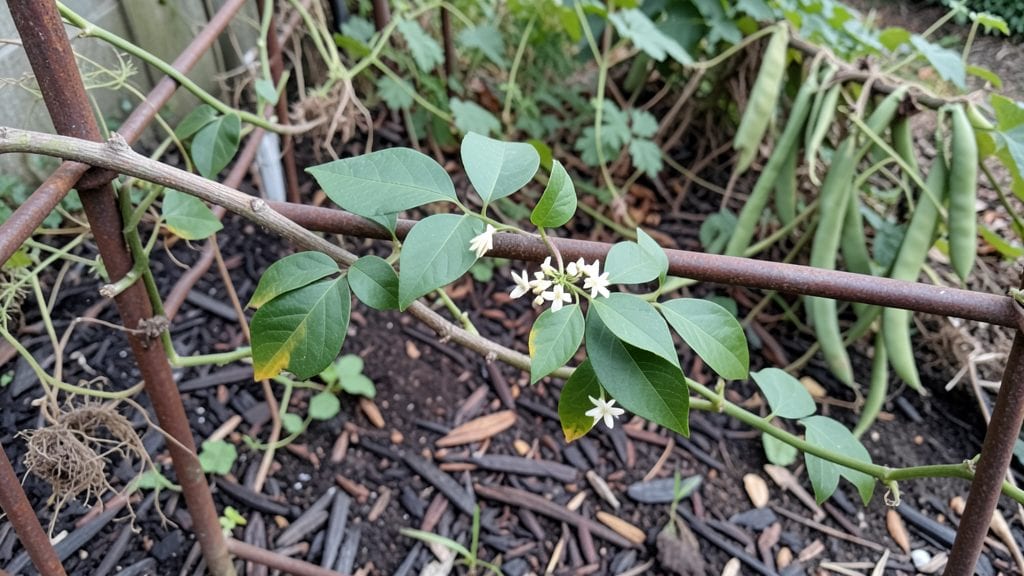
Transform shady corners into fragrant retreats with the cape jasmine flower, whose intoxicating white blooms perfume the Pacific Northwest air from spring through fall—waking you to a yard that smells like heaven. 🌸 I’ve watched this frost-resistant vine create lush, fragrant escapes. and the secret isn’t complicated: it’s all about the soil, patience, and a little winter prep.
The key starts with well-draining, acidic soil (think pine bark or peat moss mixed into your native dirt) and a spot with morning sun and afternoon shade—perfect for PNW’s damp climate.
Water deeply but let the top inch dry between soakings, and mulch heavily to protect roots from winter’s chill. Most gardeners skip pruning until late winter, when you’ll shape the vine to encourage those lush, fragrant clusters.
By summer’s end, you’ll have a vine heavy with glossy, dark green leaves and clusters of creamy, jasmine-scented blooms that attract hummingbirds. The real magic? This plant thrives where others falter—frost-tolerant down to 15°F—so it’s the PNW gardener’s secret weapon for year-round interest.
Just watch for yellowing leaves (usually overwatering) and slow growth (likely too much shade).
Whether you’re draping it over an arbor, training it up a trellis, or letting it sprawl along a fence, cape jasmine delivers low-maintenance luxury with that signature tropical scent.
Start with a young plant in early spring, and in three years, you’ll have a fragrant living tapestry that outshines any store-bought bouquet.
📚 In This Guide
- What you need
- Instructions
- Tips and common mistakes
- Wrapping up and next steps
What you need
- ● Cape Jasmine Plant: 1 healthy nursery-grown vine (bare-root or potted, 1-2 years old). Look for Trachelospermum jasminoides (not the tropical star jasmine).
- ● Well-Draining Soil: 3-5 bags of garden loam mixed with 1 part perlite or coarse sand (per 2 parts soil) to prevent root rot. Test your soil’s pH—ideal range is 6.0–7.0.
- ● Container or Garden Bed: For Containers: 1–2 5-gallon pots (minimum) with drainage holes. Use fabric grow bags for better aeration if desired.
- ● For Ground Planting: Full sun to partial shade (4–6 hours of sunlight daily). Choose a spot with 6+ inches of loose, well-draining soil.
- ● Mulch: 2–3 bags of organic mulch (e.g., shredded bark or pine needles) to retain moisture and regulate temperature.
- ● Fertilizer: Slow-Release Granular Fertilizer: 1 bag of balanced 10-10-10 or organic compost (e.g., worm castings).
- ○ Optional Boost: 1 bottle of fish emulsion or seaweed extract for a mid-season nutrient kick.
- ● Basic Gardening Tools: 1 trowel or hand shovel for planting.
- ● 1 pruning shears (sterilized with rubbing alcohol).
- ○ 1 garden gloves (optional but recommended).
- ● 1 watering can or hose with adjustable nozzle.
- ○ Support Structure (Optional but Helpful): 1 trellis, arbor, or obelisk (4–6 feet tall) for vertical growth.
- ● OR twine or soft plant ties to guide vines if training against a fence.
- ● Prerequisites: ✅ Frost-free zone: Cape Jasmine thrives in USDA Zones 7–10. If you’re in the Pacific Northwest (Zones 7–9), choose a microclimate protected from harsh winters (e.g., near a south-facing wall).
- ● ✅ Patience: This vine grows 1–2 feet per year but rewards you with heavy blooms in 2–3 years!
- ● 🌡️ Cold Hardy? Mulch heavily in winter to protect roots from temperatures below 10°F.
- ● ✨ Fragrance Boost: Plant near patio seating or walkways to maximize scent enjoyment!
- ● 🎯 Soil Test Kit: Grab one ($10–$20) to check for nutrient deficiencies before planting.
Step-by-Step instructions for planting and cultivating Cape Jasmine vines
Here's the method I've perfected for thriving, fragrant Cape Jasmine in Pacific Northwest climates.
🪴 Step 1: Choose the Perfect Planting Location
Cape Jasmine thrives in partial shade to full sun, but in the PNW's cooler summers, I position mine in morning sun with afternoon shade—this prevents leaf scorch while maximizing bloom time. The vine needs a sturdy trellis or arbor at least 6-8 feet tall since mature plants can reach 15-20 feet if unpruned. I always plant near a patio or deck so the fragrance drifts through outdoor living spaces.
Test your spot by observing how much direct sunlight it receives between 10 AM and 2 PM. If leaves already show signs of stress in summer, that's your afternoon shade cue. The soil should drain well but retain moisture—amend heavy clay with 3-4 inches of compost before planting. I dig a hole twice as wide as the root ball but only as deep, since Cape Jasmine roots prefer to sit just below soil level.
🌱 Step 2: Plant at the Right Time and Depth
In the Pacific Northwest, late spring after the last frost date (typically mid-May) is ideal for planting. The soil should be warm to the touch—I press my finger in about 2 inches deep and wait until it feels like 70°F before planting. This timing ensures roots establish before summer heat arrives.
Place the vine in the hole so the top of the root ball sits level with the surrounding soil. Press gently around the edges to eliminate air pockets, then water deeply until moisture reaches 6 inches down. I always add 1 inch of mulch (cypress or cedar chips) around the base to conserve moisture and suppress weeds—just keep it 2 inches away from the stem to prevent rot.
☀️ Step 3: Water and Fertilize for Strong Establishment
For the first 2-3 weeks, water every 2-3 days until the soil feels damp 4 inches down. After that, shift to deep watering once a week, checking by pushing a screwdriver into the soil—if it comes out clean, water again. Overwatering is the biggest mistake here; Cape Jasmine roots rot easily in soggy conditions.
Feed with a balanced 10-10-10 fertilizer at half-strength when new growth appears in spring. I apply it 3 feet away from the vine and water it in immediately. For blooms, switch to a low-nitrogen, high-phosphorus formula (like 5-10-10) in early summer. The key is consistency—never let the soil dry completely between waterings, especially during the first growing season.
✂️ Step 4: Prune for Health and Fragrance
Prune late winter or early spring before new growth begins. Remove dead or crossing branches first, then cut back any leggy growth by one-third to encourage bushier, more fragrant foliage. I always make cuts just above a leaf node at a 45-degree angle—this prevents water from pooling on the cut and causing rot.
After flowering, trim back spent blooms by half to redirect energy into next year's flowers. Never prune in fall, as the plant needs foliage to photosynthesize and store nutrients for winter. In the PNW's mild winters, Cape Jasmine rarely needs winter protection, but if temperatures drop below 15°F, wrap the base with burlap and add a 3-inch layer of mulch for insulation.
🌿 Step 5: Monitor for Pests and Seasonal Care
Watch for aphids or spider mites, which love the vine's new growth. I treat infestations by spraying with neem oil (mixed at 1 tablespoon per gallon of water) on a calm evening. For fungal issues like powdery mildew, improve air circulation by thinning dense growth and apply copper fungicide preventatively in humid summers.
In late summer, reduce watering slightly to once every 10-14 days to harden off the plant for winter. Harvest fragrant stems in early morning when oils are most concentrated—cut just above a leaf node and use immediately or dry upside-down in bundles. With proper care, your Cape Jasmine will reward you with years of fragrant blooms and minimal fuss.
Tips & tricks for perfect Cape Jasmine flower cultivation
These essential insights will help you cultivate fragrant, frost-resistant Cape Jasmine that thrives in Pacific Northwest conditions.
Location Intelligence: The morning sun/afternoon shade balance is crucial—this prevents leaf scorch while maximizing bloom time. I've found that positioning your vine near a west-facing wall actually creates a microclimate that extends afternoon shade naturally. For containers, choose spots that receive at least 6 hours of morning sun and avoid hot afternoon sun that can stress the plant.
Soil Preparation Strategy: When amending heavy clay soil with 3-4 inches of compost, mix it thoroughly with the existing soil rather than creating a separate compost layer. This ensures the roots have consistent moisture retention throughout. I also recommend testing your soil pH—Cape Jasmine prefers slightly acidic soil (pH 6.0-6.5), which you can achieve with a bit of peat moss if needed.
Pruning Precision: The one-third reduction of leggy growth in Step 4 creates that perfect bushy shape, but timing matters. Make these cuts just as new growth begins in spring—this encourages vigorous new shoots that will produce more flowers. I always sterilize my pruners with rubbing alcohol between cuts to prevent disease transmission, especially when dealing with multiple branches.
Winter Protection: While Cape Jasmine is frost-resistant, the 15°F threshold is critical for PNW winters. I've learned that wrapping the base with burlap and adding 3 inches of mulch creates an insulating barrier that prevents temperature fluctuations. For container-grown plants, move them to a sheltered location or cover with frost cloth if temperatures are forecasted to drop below 15°F for extended periods.
Pro Tips for Cape Jasmine Flower
- These essential insights will help you cultivate fragrant, frost-resistant Cape Jasmine that thrives in Pacific Northwest conditions.
- Location Intelligence: The morning sun/afternoon shade balance is crucial—this prevents leaf scorch while maximizing bloom time.
- Soil Preparation Strategy: When amending heavy clay soil with 3-4 inches of compost, mix it thoroughly with the existing soil rather than creating a separate compost layer.
Frequently asked questions
Got questions about growing cape jasmine? You’re not alone! Here are some of the most common queries from gardeners—especially those in the Pacific Northwest—along with quick, practical answers to help you cultivate this fragrant beauty with confidence.
How cold can cape jasmine tolerate?
Cape jasmine (Gardenia jasminoides) is surprisingly hardy! While it thrives in USDA zones 8–11, it can handle brief dips to 20°F (-7°C) with proper care. In colder PNW regions (zones 7–8), grow it in containers and move it indoors during winter. Mulch heavily in the ground to protect roots. Pro tip: Plant near a south-facing wall for extra winter warmth.
Why aren’t my cape jasmine flowers opening?
If your vine is lush but flowers stay budded, it’s often due to low humidity, poor drainage, or insufficient light. Cape jasmine loves morning sun + afternoon shade—too much direct sun can stress buds. Boost humidity with a pebble tray or group plants together. Also, check soil pH: it prefers acidic (5.0–6.5). Over-fertilizing with high nitrogen can also stunt blooms—use a balanced, organic fertilizer instead.
Can I grow cape jasmine in containers?
Absolutely!
Containers are ideal for PNW gardeners, as they allow you to move the plant indoors during frost. Use a 15–20 gallon pot with drainage holes and fill it with well-draining, acidic potting mix. Place it in a spot with bright, indirect light (like a patio or sunroom). Water when the top inch of soil is dry, and fertilize monthly in spring/summer. Bonus: Train it on a trellis for a stunning vertical display!
What pests should I watch for?
Cape jasmine is relatively pest-resistant, but aphids, spider mites, and scale can still appear. Check undersides of leaves regularly. Treat mild infestations with neem oil or insecticidal soap. For scale, gently scrape them off with a soft brush. Prevent issues by keeping the plant healthy—stress attracts pests! Pro tip: Introduce ladybugs to your garden for natural pest control.
When does cape jasmine bloom, and how can I encourage more flowers?
Cape jasmine typically blooms in late spring to early summer, with sporadic flowers into fall. To maximize blooms, prune lightly after flowering to shape the vine and remove dead growth. Avoid heavy pruning in fall/winter—it can reduce next year’s flowers. Feed with a low-nitrogen, high-phosphorus fertilizer (like 5-10-5) in early spring to support flowering. Deadhead spent blooms to encourage more buds!
Wrapping up and next steps
The cape jasmine flower is a fragrant, frost-resistant gem that brings beauty and charm to Pacific Northwest gardens—no green thumb required! 🌿 With the right care, this hardy vine thrives in partial shade, resists pests, and rewards you with intoxicating blooms year after year.
Whether you're a beginner or a seasoned gardener, its low-maintenance nature makes it a perfect addition to patios, trellises, or even containers.
Ready to transform your outdoor space? Start by selecting a well-draining spot and follow the steps above—your future fragrant haven is just a few weeks away! 🌸