
Flowers
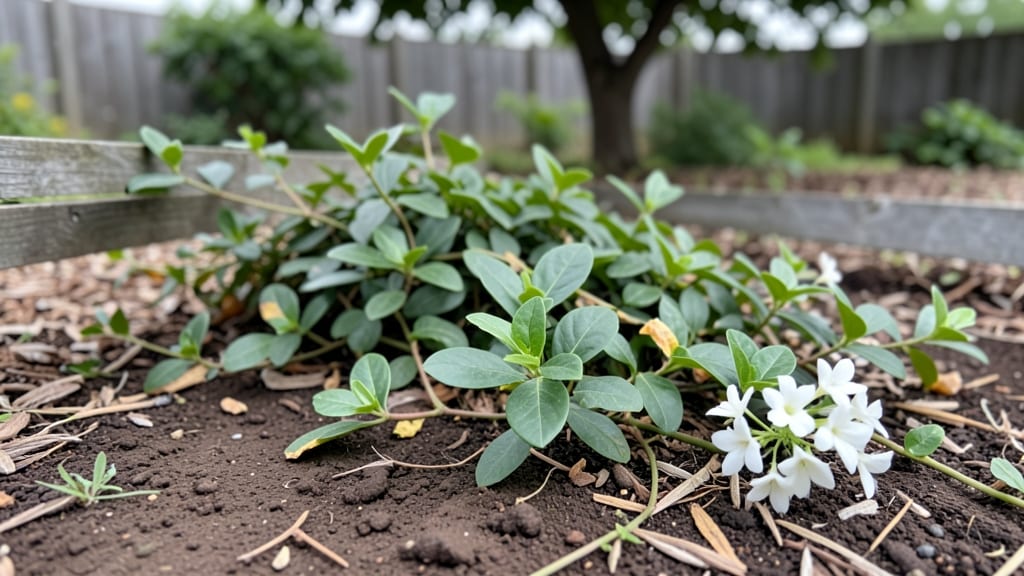
The fragrant Asiatic jasmine flowers I first fell for in a Portland nursery became the star of my Pacific Northwest garden—twisting up trellises with star-shaped blooms that smell like spring in a jar. 🌿 The secret isn’t just its hardiness through our damp winters, but how it transforms bare fences into lush, fragrant curtains by summer.
I’ve learned that while it’s low-maintenance, a few key steps make all the difference between a scraggly vine and one that bursts with perfume.
You’ll need a sunny spot—at least six hours of light daily—and well-draining soil that’s not too rich (jasmine thrives on neglect). A trellis or sturdy arbor gives it structure, but it’ll happily sprawl over walls or ground if you prefer.
The real magic happens in late spring when those tiny white flowers open, filling the air with a sweet, heady scent that hummingbirds can’t resist. Watering is simple: just keep the roots moist but never soggy, and you’re golden.
Pruning in early spring keeps it tidy and encourages more blooms, while cutting back after flowering prevents it from getting woody. The biggest challenge? Keeping it from spreading too aggressively—it’s a tough but determined climber.
But that’s part of the charm: a plant that’s equal parts elegant and relentless. By midsummer, your garden will smell like a secret, and neighbors will ask how you did it.
Works beautifully as a fragrant border, trellis cover, or even a ground cover in shady spots. The Pacific Northwest’s mild winters make it a standout, but with the right care, it’ll thrive almost anywhere. Let’s get yours growing!
📚 In This Guide
- What you need
- Instructions
- Tips and common mistakes
- Wrapping up and next steps
What you need
- ● Asiatic jasmine plants: 1–3 bare-root plants (for fastest results) or seeds (if starting from scratch)
- ● Pro tip: 💡 Opt for Trachelospermum asiaticum varieties like ‘Little Gem’ or ‘Variegatum’ for hardier growth in PNW climates.
- ● Well-draining soil mix: 50% native soil (or potting mix for containers)
- ● 30% compost or aged manure (for nutrients)
- ● 20% perlite or coarse sand (to prevent waterlogging)
- ● Garden tools: Trowel (for planting/seeding)
- ● Pruners (sterilized, for trimming)
- ● Gloves (to protect hands from thorns)
- ● Measuring tape (for spacing—3–4 feet apart for vines)
- ○ Support structures (optional but recommended): Trellis, arbor, or fence (6+ feet tall for climbing)
- ● Container with drainage holes (10–15 gallon for potted growth)
- ● Slow-release fertilizer (10-10-10 or balanced formula)
- ● Mulch (2–3 inches of pine bark or shredded leaves)
- ● pH test kit (ideal range: 6.0–7.0)
- ● Organic pest control (neem oil or insecticidal soap for aphids)
- ● Drip irrigation system (for consistent moisture in dry spells)
Step-by-step instructions for planting asiatic jasmine flowers
Here’s how I get this fragrant climber thriving in the Pacific Northwest’s mild climate—with minimal fuss.
🌱 Step 1: Choose the Right Location and Prepare the Soil
Asiatic jasmine loves full sun to partial shade, but in the PNW’s cooler winters, a spot with at least 6 hours of sunlight daily works best. I pick a spot near a fence or trellis—this plant will climb aggressively once established. Avoid low-lying areas where cold air pools, as it’s sensitive to frost.
Test your soil’s drainage first by digging a 1-foot hole and filling it with water. If it drains in under an hour, you’re good. If not, amend with 2-3 inches of compost or a mix of sand and organic matter to loosen heavy clay. The roots need air, not soggy soil.
🪴 Step 2: Plant in Early Spring or Fall for Best Establishment
Spring planting (after the last frost date) gives Asiatic jasmine 6-8 weeks to root before summer heat, while fall planting (4-6 weeks before first frost) avoids competition with summer perennials. Dig a hole twice as wide as the root ball but only as deep as the container height—burying too deep suffocates the plant.
Loosen the roots gently if they’re circling, then place the plant in the hole. Fill around it with native soil mixed with 1 cup of bone meal fertilizer (for phosphorus to encourage root growth). Water deeply until the soil settles, then add a 2-inch layer of mulch to retain moisture and protect roots from temperature swings.
☀️ Step 3: Provide Support and Prune for Healthy Growth
Asiatic jasmine needs support early—install a 6-foot trellis or wire fence at planting time. The vines grow 10-12 feet per year, so secure the structure firmly. I tie the main stems loosely to the trellis with soft garden twine to avoid damaging the bark.
Prune in late winter (before new growth starts) to shape the plant and encourage flowering. Cut back one-third of the oldest stems to the ground and trim any leggy growth by half its length. This opens the plant for better airflow and more abundant blooms. Watch for yellowing leaves—a sign of overwatering or poor drainage.
💧 Step 4: Water and Fertilize for Fragrant Blooms
Water newly planted jasmine deeply once a week until established (about 6 months). After that, it’s drought-tolerant but will reward you with more flowers if you water every 10-14 days during dry spells. The secret to fragrant blooms? Balanced fertilization—apply a 10-10-10 fertilizer in early spring and again after flowering.
Stop fertilizing in late summer to let the plant prepare for winter. If you notice fewer flowers than expected, it’s likely overcrowded—prune back some vines or divide the plant every 3-4 years to keep it vigorous. The more air circulates, the sweeter the scent.
Tips & tricks for perfect asiatic jasmine flowers
These simple strategies will help you grow fragrant, thriving asiatic jasmine that fills your garden with sweet nighttime perfume.
Sunlight Secret: While asiatic jasmine thrives in full sun, in the Pacific Northwest's cooler climate, 6 hours of direct sunlight is actually ideal. Morning sun with afternoon shade prevents stress during our mild summers. I've noticed the sweetest blooms come from plants that get bright morning light but escape the hottest afternoon rays—especially in areas with afternoon coastal fog.
Soil Test Trick: Before planting, do this quick drainage test: Dig a 1-foot hole and fill it with water. If the water drains within an hour, your soil is perfect. If not, mix in 2-3 inches of compost or sand to improve aeration. I learned this the hard way after watching a neighbor's jasmine struggle in heavy clay soil—those yellowing leaves were a dead giveaway for poor drainage.
Pruning Precision: When you prune in late winter, focus on cutting back one-third of the oldest stems to the ground. This might seem drastic, but it's what triggers the most abundant flowering. I also trim leggy growth by half its length—this opens up the plant for better airflow, which prevents fungal issues and makes those flowers even more fragrant. Think of it as giving your plant a spa day!
Watering Wisdom: Newly planted jasmine needs deep watering once a week until established (about 6 months). After that, you can stretch to every 10-14 days during dry spells. The key is deep watering—aim for 1-2 inches of water per session. Shallow watering encourages shallow roots, which makes the plant more vulnerable to drought stress.
Pro Tips for Asiatic Jasmine Flowers
- These simple strategies will help you grow fragrant, thriving asiatic jasmine that fills your garden with sweet nighttime perfume.
- Sunlight Secret: While asiatic jasmine thrives in full sun, in the Pacific Northwest's cooler climate, 6 hours of direct sunlight is actually ideal.
- Soil Test Trick: Before planting, do this quick drainage test: Dig a 1-foot hole and fill it with water.
Frequently asked questions
about Asiatic jasmine flowers—here’s what you need to know before planting!Is Asiatic jasmine invasive in the Pacific Northwest?
Yes, Asiatic jasmine (Trachelospermum asiaticum) can be aggressive in the PNW’s mild climate, spreading quickly via underground runners. It’s considered invasive in some areas, so plant it in contained beds or use barriers to limit spread. Always check local regulations before planting!
When is the best time to plant Asiatic jasmine in the PNW?
Plant in early spring (March–April) or fall (September–October) for best root establishment. Avoid planting in late summer or winter, as cold or heat stress can stunt growth. Choose a day with overcast skies to reduce transplant shock.
Why isn’t my Asiatic jasmine flowering?
Lack of flowers often stems from too much shade, over-fertilizing with high-nitrogen, or pruning at the wrong time. Ensure it gets 6+ hours of sun, prune after blooming (late spring), and use a balanced fertilizer (10-10-10) in early spring. Patience helps—established plants may take 2–3 years to flower!
Can I grow Asiatic jasmine in containers?
Use a large container (15+ gallons) with drainage holes and a well-draining potting mix. Choose a climbing trellis or wire cage for support. Water regularly (keep soil moist but not soggy) and fertilize lightly in spring. Pro tip: Move containers to a sheltered spot in winter to protect roots from frost.
Are Asiatic jasmine flowers toxic to pets?
Yes, Asiatic jasmine is toxic to dogs and cats if ingested, causing vomiting, diarrhea, or lethargy. Keep pets away from the plant, especially if they chew foliage. Opt for pet-safe alternatives like honeysuckle (Lonicera) or clematis if you have curious pets.
How do I overwinter Asiatic jasmine in the PNW?
Asiatic jasmine is hardy to USDA Zone 7, but PNW winters (especially in Zone 8+) may require extra care. Mulch heavily (3–4 inches) around the base with shredded bark or straw. For container plants, wrap the pot in bubble wrap or insulation and move to a sheltered spot. Prune back lightly in late winter to encourage new growth.
Wrapping up and next steps
Growing asiatic jasmine flowers in the Pacific Northwest isn’t just rewarding—it’s magical! 🌸 With the right sunlight, soil, and a little patience, you’ll soon be enjoying their sweet, intoxicating scent and lush, evergreen vines.
Whether you’re a seasoned gardener or just starting out, this fragrant climber is a fantastic addition to any garden or balcony.
Ready to take the next step? Start small—plant a single vine or a few cuttings in a pot to test your green thumb. Once you’ve mastered the basics, expand your garden with more jasmine varieties or even create a fragrant trellis for your patio. Happy gardening! 🌿✨