
Flowers
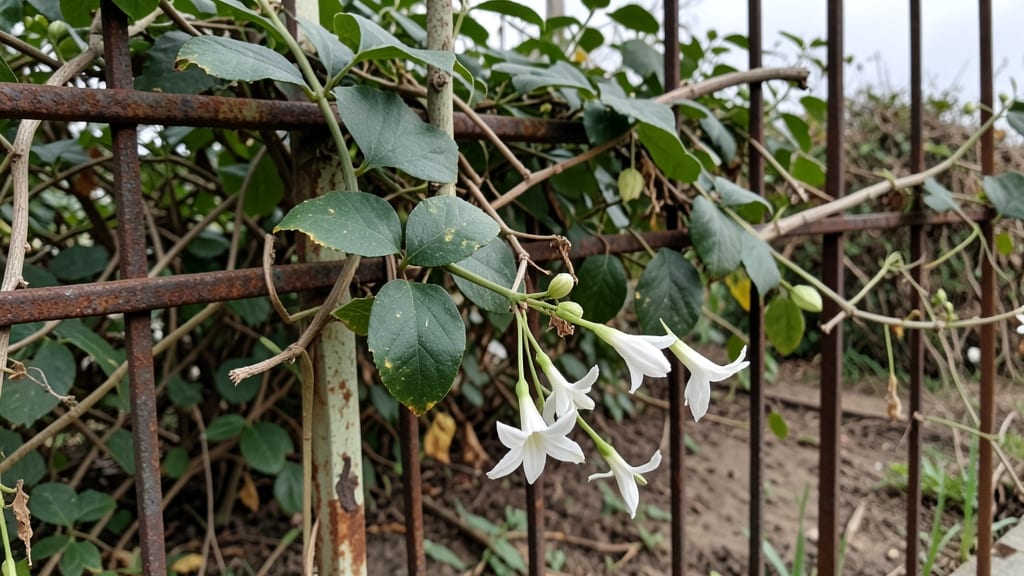
Indian jasmine flower climbs like a whisper of summer—its delicate vines and intoxicating scent make it the star of any patio or balcony. 🌿 I still remember the first time I brought one home from a nursery, its tiny green leaves promising something magical.
The secret to growing this fragrant climber isn’t complicated, but it does require patience and a few key tricks to keep it thriving in containers.
This plant loves warmth and bright, indirect light—think morning sun and afternoon shade—while its roots prefer well-draining soil that stays slightly moist but never soggy. Most gardeners overwater by accident, so I recommend checking the top inch of soil before watering again.
With the right balance, you’ll see those signature white or pale pink blooms appear within 6-8 weeks, filling the air with a scent that lingers long after sunset.
Pruning isn’t just about keeping it neat—it’s about encouraging more flowers. Pinch back leggy growth in early spring, and you’ll trigger bushier vines with even more blooms. Plus, a little regular maintenance keeps pests like aphids from taking hold, which is where most beginners run into trouble.
The payoff? A year-round display of fragrance and beauty, even in small spaces.
Whether you’re growing it in a hanging basket or a tall container, Indian jasmine adapts beautifully to life on a porch or balcony. Just remember: it’s a slow starter but a fast reward. Let’s get those vines climbing!
📚 In This Guide
- What you need
- Instructions
- Tips and common mistakes
- Wrapping up and next steps
What you need
- ● Indian jasmine plant: 1 healthy cutting or young plant (ensure it’s disease-free and has at least 3-4 nodes).
- ● Container: 1 pot (12–18 inches in diameter) with drainage holes. Terracotta or fabric pots work best!
- ● Potting mix: 3–5 gallons of well-draining, slightly acidic soil (pH 6.0–6.5). Mix equal parts: Cactus/succulent mix
- ● Peat moss or coconut coir
- ● Perlite or coarse sand
- ● Support structure: 1 trellis, bamboo stake, or wire cage (4–6 feet tall) for climbing.
- ● Fertilizer: 1 balanced, water-soluble fertilizer (10-10-10 or 20-20-20) or organic options like composted manure.
- ● Mulch: 1–2 inches of organic mulch (e.g., bark chips or straw) to retain moisture.
- ● Pruning shears: 1 pair (sterilized with rubbing alcohol).
- ● Watering can: 1 with a fine rose nozzle for gentle watering.
- ○ Spray bottle: 1 (optional, for misting leaves in dry climates).
- ● Gloves: 1 pair (to protect hands from thorns).
- ● Sunlight access: A spot with full sun (6+ hours/day) or partial shade (if in a hot climate).
- ● Patience! 🌸 Indian jasmine grows slowly but rewards you with months of intoxicating blooms.
- ● Epsom salt (1 tbsp/month) for magnesium boost.
- ● Slow-release fertilizer pellets for convenience.
- ● Hose with adjustable nozzle for deep watering.
- ● Humidity tray or pebble tray to increase moisture in dry air.
Step-by-step guide to growing Indian jasmine in containers
This fragrant climber transforms small spaces into lush, perfumed retreats—here’s how to coax its delicate blooms.
🌱 Step 1: Select the Right Container and Soil
Indian jasmine thrives in well-draining containers with holes for excess water. Choose pots at least 10-12 inches deep to accommodate its sprawling roots—shallow pots stunt growth. I use terracotta because it breathes and prevents root rot, but plastic works if you monitor moisture closely.
Fill the bottom third with a mix of perlite and coarse sand for drainage. Then add a premium potting mix with added compost—Indian jasmine loves rich, airy soil. Avoid garden soil; it compacts and suffocates roots. Tap the pot gently after filling to eliminate air pockets.
☀️ Step 2: Plant and Position for Optimal Light
Plant your Indian jasmine cutting or young plant just below the soil line—burying the stem too deep encourages rot, while leaving it exposed weakens growth. Water thoroughly after planting to settle the soil around roots. This climber craves bright, indirect light for most of the day, but direct afternoon sun in hot climates can scorch leaves.
Place your container near a south- or east-facing window where it gets 4-6 hours of light daily. If indoors, rotate the pot quarter-turn weekly so the plant grows evenly. You’ll notice new leaves emerging within 2-3 weeks—that’s your signal the roots are settling in.
💧 Step 3: Water and Fertilize for Continuous Blooms
Water when the top inch of soil feels dry—stick your finger in to check. Indian jasmine hates soggy roots but also wilts if left bone-dry. I water deeply until it drains from the bottom, then empty the saucer to prevent root rot. During spring and summer, this usually means every 2-3 days, but adjust for your humidity.
Feed every 4-6 weeks with a balanced liquid fertilizer (10-10-10) diluted to half-strength. Over-fertilizing burns roots, so I always rinse the soil lightly after feeding. You’ll see the difference in 2-3 weeks: glossier leaves and more frequent blooms.
🪴 Step 4: Train and Support the Vines
Indian jasmine needs a sturdy trellis or tall container to climb—its vines can reach 10-15 feet if given space. Install a 5-foot trellis or obelisk near your plant and gently weave the vines through the supports as they grow. Avoid tying them tightly; let the stems find their own path.
Prune leggy growth in early spring to encourage bushier blooms. Cut back stems that trail too long or look sparse. Deadhead spent flowers regularly—this redirects energy to new blooms. With proper training, your plant will burst into fragrant white flowers by late spring.
⏰ Step 5: Overwinter for Next Year’s Growth
When temperatures drop below 50°F, move your Indian jasmine indoors to a cool, bright spot. Reduce watering to every 7-10 days and stop fertilizing entirely. Prune lightly in late winter to shape the plant before spring growth resumes.
This climber is semi-evergreen, so don’t be alarmed if it drops some leaves—it’s normal. Resume regular care in early spring when new growth appears. With patience, your Indian jasmine will reward you with years of fragrant blooms and lush vines.
Tips & tricks for perfect Indian jasmine flower growth
Here's what nobody tells you about growing this fragrant climber—these tricks make all the difference between a struggling vine and a lush, blooming beauty.
Container Depth Matters: That 10-12 inch depth requirement isn't arbitrary—Indian jasmine's roots spread wide and deep. If you're using a shallow pot, you'll see stunted growth and fewer blooms. I've seen people use decorative pots without drainage holes and end up with root rot within weeks. Pro tip: If your container has no holes, drill them yourself or use a cache pot with a saucer underneath. The roots need both space AND proper drainage to thrive.
Light Positioning Secrets: The 4-6 hours of bright, indirect light is crucial, but placement matters just as much. I've found that east-facing windows work best for most homes—the morning sun is gentle but strong enough to fuel growth. If you only have south-facing windows, use sheer curtains to diffuse the intense afternoon sun that can scorch delicate leaves. Watch for leaves turning yellow or crispy edges—that's your plant begging for better light conditions.
Soil Mix Hack: That perlite and coarse sand mix in the bottom third isn't just for drainage—it creates an oxygen-rich zone that prevents suffocating roots. I like to add a handful of worm castings to the potting mix for extra nutrients. The key is keeping the soil loose and airy while preventing compaction. After filling your pot, give it a few gentle taps on the counter to settle the soil without creating air pockets that could rot stems.
Watering Wisdom: The "top inch dry" test is your best friend, but timing matters too. Water in the morning so excess moisture evaporates during the day rather than sitting in the saucer overnight. I've seen people drown these plants by watering at night—it creates the perfect environment for fungal issues. And when you water, do it thoroughly until you see water draining from the bottom. Half-measures lead to inconsistent moisture levels that stress the plant.
Pro Tips for Indian Jasmine Flower
- Here's what nobody tells you about growing this fragrant climber—these tricks make all the difference between a struggling vine and a lush, blooming beauty.
- Container Depth Matters: That 10-12 inch depth requirement isn't arbitrary—Indian jasmine's roots spread wide and deep.
- Light Positioning Secrets: The 4-6 hours of bright, indirect light is crucial, but placement matters just as much.
Frequently asked questions
Got questions about nurturing your Indian jasmine flower? You’re not alone! Here are some of the most common queries—plus quick, practical answers to keep your fragrant climber thriving.
How fast does Indian jasmine grow?
Indian jasmine is a fast grower—expect 10–15 feet per season if given full sun and regular watering. With proper support (like a trellis or fence), it can climb aggressively in just a few months! Prune in early spring to control its spread and encourage bushier growth.
When is the best time to plant Indian jasmine?
The ideal window is early spring or fall (after the last frost). This gives roots time to establish before extreme heat or cold. If planting in summer, water deeply daily and provide afternoon shade to prevent stress. Avoid winter planting—frost can damage tender roots!
How often should I water Indian jasmine?
Keep soil consistently moist but not soggy. Water 2–3 times per week in hot climates or when topsoil feels dry. Mature plants are drought-tolerant but drooping leaves signal thirst. Mulch around the base to retain moisture and reduce evaporation.
What pests or diseases should I watch for?
Common issues include:
- Aphids: Look for sticky residue on leaves. Blast off with water or use insecticidal soap.
- Spider mites: Yellowing leaves + webbing? Increase humidity and spray with neem oil.
- Root rot: Overwatering causes yellow leaves and foul smells. Ensure pots have drainage holes!
Pro tip: Inspect leaves weekly during growing season to catch problems early!
Can I grow Indian jasmine indoors?
Yes, but with limitations. Place it near a sunny window (south-facing) or use grow lights for 6+ hours daily. Use a 10–12 inch pot with well-draining soil. Expect slower growth and smaller blooms than outdoor plants. Rotate the pot weekly for even light exposure!
Wrapping up and next steps
The Indian jasmine flower is a fragrant, low-maintenance beauty that can transform any space into a blooming paradise—even in containers! Whether you're drawn to its sweet scent, vibrant blooms, or adaptability, this guide has given you all the tools to nurture it successfully. 🌸
Now that you’re armed with the right soil, sunlight, and care tips, why not take the next step? Start with a single pot and watch your fragrant climber thrive—you might soon be sharing cuttings with fellow plant lovers! Happy gardening! 🌱