
Flowers
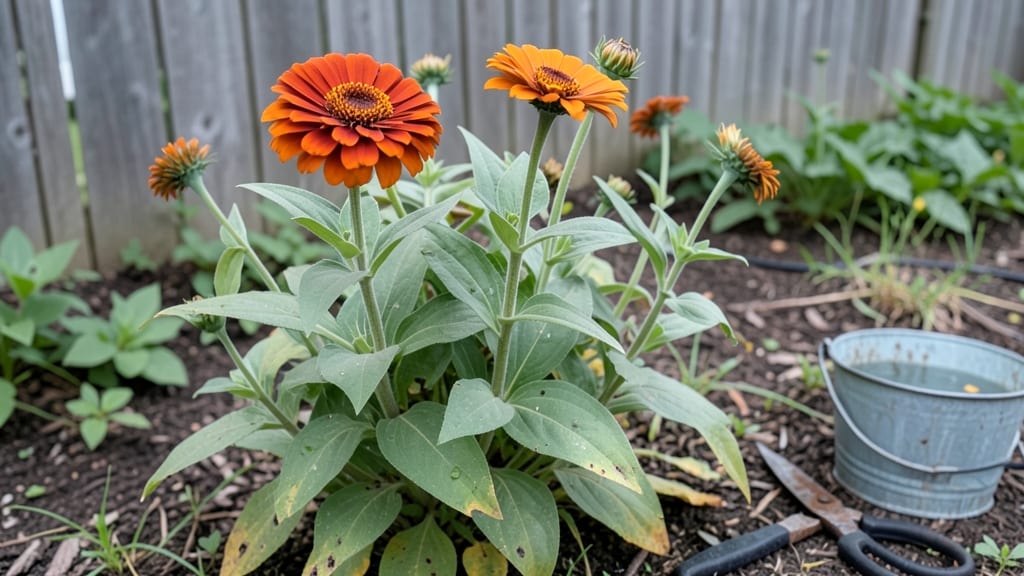
Growing zinnias for cut flowers is the secret weapon behind my neighbor-jealousy levels of bouquets all summer long. These bold blooms thrive in heat, bounce back from rain, and keep giving—even when other flowers wilt.
The key isn’t just planting seeds; it’s mastering the timing, pruning, and deadheading to turn your garden into a nonstop flower factory.
Start with well-draining soil and full sun—zinnias reward both with vibrant, long-stemmed blooms. Plant seeds after your last frost (or start indoors 4-6 weeks earlier), and keep them consistently moist until established.
Once they’re growing, water at the base and let the soil dry slightly between drinks—overwatering leads to floppy stems, and nobody wants wobbly bouquets.
Here’s where the magic happens: pinch back young plants to encourage bushier growth, then deadhead spent blooms daily to trigger more flowers. With this approach, you’ll harvest cut flowers for 8-10 weeks straight—enough for weekly bouquets or even selling extras at farmers’ markets.
The stems stay sturdy, and the colors pop like they just stepped out of a florist shop.
For maximum longevity, harvest in the morning, trim stems at an angle, and store in cool water. These zinnias play by their own rules—heat-loving, drought-tolerant, and frost-resistant—but when you follow these steps, they’ll deliver showstopping blooms that outlast anything from a grocery store.
Ready to turn your garden into a cut-flower powerhouse?
📚 In This Guide
- What you need
- Instructions
- Tips and common mistakes
- Wrapping up and next steps
What you need
- ● Zinnia Seeds: Choose frost-resistant varieties like Benary’s Giant or Profusion Series (1–2 packs, ~50–100 seeds each).
- ● Well-draining potting mix: 10–20 lbs (for containers) or enrich garden soil with compost (5–10 lbs per 10 sq ft).
- ○ Containers (optional): 4–6" pots (3–5 plants per pot) or raised beds (if not planting directly in the ground).
- ● Fertilizer: Balanced 10-10-10 or slow-release granules (1 tbsp per plant at planting time).
- ● Watering can or hose with a gentle nozzle: Zinnias need consistent moisture but hate soggy roots!
- ● Pruning shears: Sharp, clean pair for harvesting and shaping plants.
- ○ Gloves (optional): Protect your hands from thorns (especially on larger varieties).
- ● Mulch: Straw or shredded leaves to retain moisture and suppress weeds.
- ● Plant markers: Label seeds or seedlings to track varieties.
- ● Floral preservative: For extending the life of your cut flowers (e.g., Floralife).
- ● Sun hat or shade cloth: If your zinnias are in a hot, exposed area (30–50% shade for seedlings).
- ● Bug spray (organic): Neem oil or insecticidal soap to deter aphids or spider mites.
How to grow zinnias for long-lasting cut flowers
Here’s how to grow zinnias that thrive in your garden and last for days in a vase.
Choose the Right Variety and Planting Time
Pick a variety suited to your climate—Benary’s Giant or Profusion Series are top choices for cut flowers. Zinnias are frost-sensitive, so wait until after the last frost date in your area, usually late spring when soil temperatures reach at least 60°F. I plant mine in early May in most regions to ensure strong, healthy growth before summer heat arrives.
Zinnias grow best in full sun—at least 6-8 hours daily. If your garden has partial shade, opt for shorter varieties like Crystal Series that tolerate lighter conditions. The key is to avoid planting too early; cold soil slows germination and weakens seedlings.
Prepare Soil and Plant Seeds
Zinnias thrive in well-draining soil with a pH between 6.0 and 7.0. Amend heavy clay soil with 2-3 inches of compost to improve drainage and fertility. I mix in a balanced 10-10-10 fertilizer at planting time to give them a nutrient boost right away.
Sow seeds ¼ inch deep in rows spaced 12-18 inches apart, depending on the variety. Thin seedlings to 12-18 inches apart once they reach 2-3 inches tall—this prevents overcrowding and encourages stronger stems. If you’re planting 4 zinnias, space them 18 inches apart in a row.
Water and Maintain for Strong Growth
Keep the soil evenly moist but not soggy—zinnias hate wet feet. Water at the base of the plant in the morning to reduce fungal risks. Once established, zinnias are drought-tolerant, but consistent moisture ensures bold, long-lasting blooms. You’ll know they’re happy when leaves stay crisp and stems remain sturdy.
Deadhead spent blooms regularly to encourage continuous flowering. Pinch back leggy stems to promote bushier growth. I also side-dress with compost tea every 4-6 weeks to keep nutrients flowing without overfeeding.
Harvest for Cut Flowers
Harvest zinnias when buds are just beginning to open—this ensures longer vase life. Cut stems at a 45-degree angle with clean pruners, and remove lower leaves that would sit in water. Harvest in the early morning when stems are full of moisture for the best results.
Place cut zinnias in lukewarm water and recut stems every 2-3 days to keep them fresh. With proper care, zinnias last 7-10 days in a vase—longer than many other cut flowers. Store uncut stems in the fridge overnight if you’re not arranging them immediately.
Extend the Season with Care
Zinnias are frost-sensitive, so protect late-season plants with row covers if frost is forecast. In warmer climates, they may rebloom after a light frost, but most varieties die back with cold temperatures. Save seeds from your best blooms by allowing a few flowers to mature and dry on the stem.
For a second crop, succession plant every 2-3 weeks through early summer. This ensures a steady supply of fresh cut flowers all season. I’ve had zinnias bloom from June through October with proper care—far longer than most gardeners expect!
Tips & tricks for perfect zinnia cut flowers
These simple strategies will help you grow zinnias that not only thrive in your garden but also deliver the longest-lasting blooms in your vase.
Variety Matters: While Benary’s Giant and Profusion Series are excellent choices, consider Crystal Series for partial shade areas—it tolerates lighter conditions better than other varieties. For the longest stems, focus on Benary’s Giant or Profusion Series, which can reach 3-4 feet tall with proper care. The right variety makes all the difference in both garden performance and vase life.
Soil Preparation Secret: When amending heavy clay soil with 2-3 inches of compost, mix in a handful of perlite or coarse sand to improve drainage even further. This prevents waterlogging, which can lead to root rot. I also recommend testing your soil pH—zinnias thrive in the 6.0-7.0 range, and adjusting with lime or sulfur if needed can make a noticeable difference in plant health.
Watering Wisdom: The key to consistent moisture without soggy soil is to water deeply but infrequently. Once established, zinnias can handle drought conditions, but for the first few weeks, aim to keep the top 1-2 inches of soil moist. Watering at the base in the morning prevents fungal diseases and ensures the plants develop strong, sturdy stems perfect for cutting.
Harvesting Timing: Those 6-8 hours of daily sun are crucial for developing strong stems, but the real secret to long vase life is harvesting at just the right moment. Look for buds that are half-open—this stage ensures maximum bloom duration. Cutting in the early morning when stems are fully hydrated gives you the best results, and always use clean pruners to avoid damaging the plant.
Pro Tips for Zinnia Cut Flowers
- These simple strategies will help you grow zinnias that not only thrive in your garden but also deliver the longest-lasting blooms in your vase.
- Variety Matters: While Benary’s Giant and Profusion Series are excellent choices, consider Crystal Series for partial shade areas—it tolerates lighter conditions better than other varieties.
- Soil Preparation Secret: When amending heavy clay soil with 2-3 inches of compost, mix in a handful of perlite or coarse sand to improve drainage even further.
Frequently asked questions
Got questions about zinnia cut flowers?
You’re not alone! Whether you’re a first-time grower or a seasoned florist, these answers will help you cultivate stunning, long-lasting blooms with ease.
How long do zinnia cut flowers last in a vase?
With proper care, zinnia cut flowers can last 7 to 14 days in a vase. To extend their life, trim stems at an angle, change the water every 2 days, and remove wilted blooms promptly. Adding a drop of bleach or floral preservative can also help fight bacteria and keep them fresh longer!
When is the best time to harvest zinnias for cutting?
Harvest zinnias when 2-3 buds are open per stem—this ensures a longer vase life. Avoid cutting fully bloomed flowers, as they’ll wilt faster. Early morning is ideal for harvesting, as stems are hydrated and less stressed. Use sharp shears to avoid crushing stems, and recut them under water to prevent air bubbles from blocking water uptake.
Can zinnias survive light frost?
While zinnias are frost-sensitive, they can tolerate a light frost if mature. However, temperatures below 28°F (-2°C) will damage or kill the plants. For a longer season, start seeds indoors 6-8 weeks before the last frost or use row covers to protect them. If frost hits, harvest remaining blooms and enjoy them indoors before the plants succumb.
What’s the best companion plant for zinnias?
Zinnias pair beautifully with marigolds, nasturtiums, and cosmos—these companions deter pests like aphids and whiteflies while adding color to your garden. Avoid planting near tomatoes or peppers, as zinnias can compete for nutrients. For cut flowers, interplant with herbs like basil or dill to repel insects naturally.
What can I do if my zinnia stems wilt quickly after cutting?
Quick wilting often signals bacterial growth or poor hydration. Try these fixes:
- Recut stems under warm water to remove blocked vessels.
- Use lukewarm water (cooler than room temp) to slow bacterial growth.
- Add 1 tsp of sugar + 2 drops of bleach per quart of water as a temporary preservative.
- Keep flowers away from direct sunlight and heat sources.
Wrapping up and next steps
Zinnia cut flowers are the perfect blend of beauty and resilience—easy to grow, long-lasting in arrangements, and thriving in diverse climates. Whether you're a seasoned gardener or a beginner, these vibrant blooms reward your efforts with stunning, low-maintenance color that brightens any space.
Now that you’re armed with the right tips, grab those seeds, get planting, and enjoy a summer (and beyond!) of effortless floral magic.
🌱 Next step: Start small—try a few zinnias in pots or your garden bed, and watch your confidence (and bouquets!) grow. Happy gardening! 🌸