
Trees
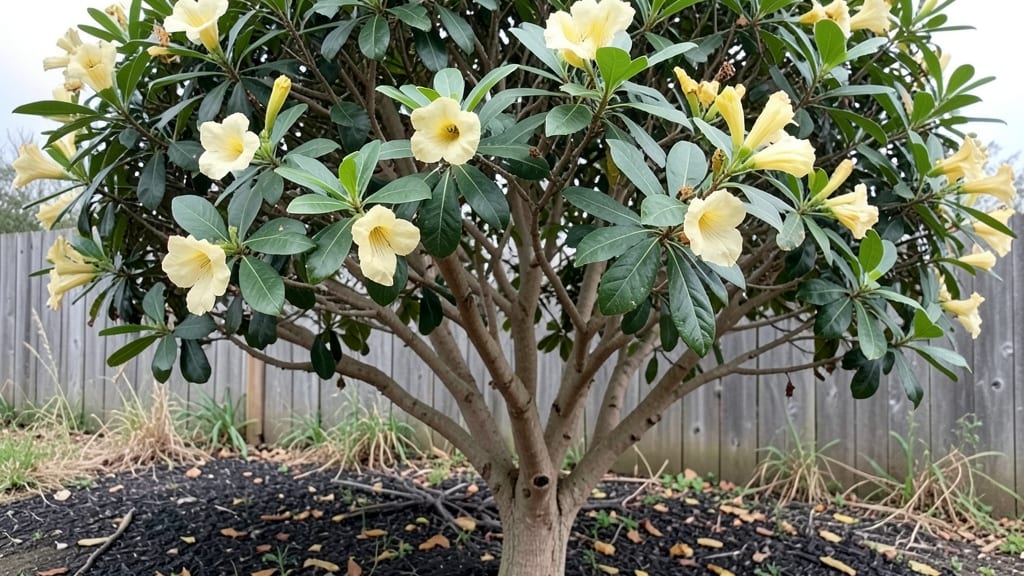
Growing a yellow flower tree in Florida isn’t just possible—it’s a showstopper that turns your yard into a sun-drenched paradise. 🌞 The right species blooms year-round in our heat, with fragrant blossoms that attract butterflies and hummingbirds like nothing else.
My first Yellow Bells (Tecoma stans) started as a tiny sapling and now stands 12 feet tall, covered in trumpet-shaped gold flowers that never fail to turn heads.
These trees thrive on Florida’s full sun and humidity, needing minimal fuss once established. They’re drought-tolerant once rooted, salt-resistant for coastal yards, and handle our sandy soil like a champ. The key?
Planting in well-draining soil and watering deeply only until the roots take hold—after that, they’re basically self-sufficient. Perfect for hedges, specimen plantings, or even large containers if space is tight.
By summer’s end, you’ll have a canopy of golden blooms that last from spring through fall, with some varieties even flowering lightly in winter. The foliage stays lush and green, and the tree’s upright habit makes it a natural focal point.
Plus, the nectar attracts pollinators all season long—your yard will buzz with life in the best way. Let’s get your Florida sunshine garden glowing!
Whether you’re planting a single specimen or creating a pollinator-friendly grove, these trees adapt beautifully to Florida’s climate. They’re also low-maintenance enough for busy homeowners but dramatic enough to impress even the most seasoned gardeners. Ready to add some golden magic to your landscape?
📚 In This Guide
- What you need
- Instructions
- Tips and common mistakes
- Wrapping up and next steps
What you need
- ○ Young tree (3–5 gallons): Choose a healthy, disease-free specimen (e.g., Cassia fistula, Laburnum, or Golden Rain Tree). High-quality potting soil: 50 lbs (22.7 kg) of well-draining, organic-rich soil (mix in perlite or sand for Florida’s humidity). Shovel & garden fork: For digging holes (1.5x wider than the root ball). Pruning shears: Sterilized, sharp shears for trimming dead branches. Mulch (3–4 inches): Pine bark or wood chips to retain moisture and regulate soil temp. Watering can or hose with nozzle: For deep, slow watering (1–2 gallons per week initially). Fertilizer (optional but helpful): Slow-release granular fertilizer (10-10-10 or 8-3-9) – 1 lb per 100 sq ft.
- ● Organic options like composted manure or worm castings.
Step-by-Step instructions for planting and caring for yellow flower trees in Florida
Here's how to establish your yellow-flowering trees for maximum bloom and resilience in Florida's climate.
🌱 Step 1: Select the Right Variety and Planting Site
Florida's heat and humidity suit several yellow-flowering trees perfectly, with Cassia fistula (Golden Shower) and Tabebuia chrysantha (Yellow Trumpet) as top performers. Choose a site with full sun exposure (6+ hours daily)—these trees thrive where others wilt. The soil must drain well, so avoid low-lying areas where water pools after rain.
I always test the soil pH before planting—aim for 6.0-7.0. If your soil tests acidic, amend with crushed limestone according to test recommendations. The reason? Yellow-flowering trees in Florida bloom best when they're not struggling with nutrient deficiencies or poor drainage. Amend heavy clay soil with 2-3 inches of compost mixed into the top 12 inches of soil.
🪴 Step 2: Plant at the Right Time and Depth
Plant your yellow-flowering tree in late winter or early spring (February-March) when soil temperatures are warming but before summer's peak heat arrives. Dig a hole twice as wide as the root ball but no deeper—planting too deep suffocates roots and prevents proper nutrient uptake.
Place the tree in the hole so the top of the root ball sits 1-2 inches above ground level. This ensures the tree won't settle too deeply over time. Backfill with native soil mixed with half as much compost as the hole's volume. Water deeply to settle the soil around roots, then create a 2-inch deep watering basin around the base to direct future irrigation.
☀️ Step 3: Establish Proper Watering and Mulching Routine
Water newly planted yellow-flowering trees deeply 2-3 times per week for the first 6-8 weeks until the root system establishes. You'll know you're watering correctly when the soil 6 inches deep stays consistently moist but not soggy. Overwatering leads to root rot, which these tropical trees despise.
Apply 3-4 inches of organic mulch (like pine bark or wood chips) around the base, keeping it 6 inches away from the trunk. Mulch conserves moisture, regulates soil temperature, and suppresses weeds—critical in Florida's intense summer heat. Replenish mulch annually as it breaks down, but never let it pile against the trunk where it can cause rot.
✂️ Step 4: Prune for Shape and Bloom Promotion
Prune your yellow-flowering tree in late winter (January-February) before new growth begins. Remove any dead, diseased, or crossing branches first—these compete with healthy growth and reduce flowering potential. Then shape the tree by thinning out 10-20% of the canopy to improve air circulation and sunlight penetration.
Here's the thing—yellow-flowering trees bloom best on new wood. If you see leggy growth or branches growing inward, cut them back to just above an outward-facing bud. This encourages bushier, more flowering growth. Never remove more than 25% of the tree's canopy in one year, or you'll stress the tree and reduce next year's bloom potential.
🌿 Step 5: Fertilize for Vibrant Blooms and Long-Term Health
Apply a balanced, slow-release fertilizer (10-10-10) in early spring and again in late summer to support flowering and root growth. Follow package instructions for application rates—over-fertilizing burns roots and attracts pests. I always water the tree deeply before fertilizing to help distribute nutrients evenly through the root zone.
For established trees (3+ years old), switch to a low-nitrogen, high-phosphorus fertilizer (5-10-10) in spring to promote flowering. You'll see the difference in 2-3 weeks as new growth appears denser and more vibrant. Avoid high-nitrogen fertilizers—they encourage leafy growth at the expense of flowers, which is the last thing you want from a yellow-flowering tree.
Tips & tricks for perfect yellow flower trees in Florida
Here's what nobody tells you about growing these sun-loving beauties that'll make all the difference in your Florida garden.
Soil Science Matters: That 6.0-7.0 pH range isn't just a suggestion—it's critical for nutrient availability. I learned this the hard way after seeing my first Golden Shower tree struggle with chlorosis (yellowing leaves) despite perfect sunlight. Test your soil before planting, and if it's outside that range, don't just guess at amendments. Florida's sandy soils often need extra phosphorus—consider adding bone meal to the planting hole for that extra boost.
Root Ball Placement is Non-Negotiable: When you're placing your tree in Step 2, that 1-2 inch elevation above ground level isn't just a recommendation—it's a lifesaver. I've seen too many trees planted too deeply where roots suffocate. Think of it like your tree's foundation: too deep and it can't breathe; too shallow and it's unstable. Use a level to check before backfilling.
Watering Wisdom for Florida Heat: Those 2-3 waterings per week for the first 6-8 weeks need to be strategic. Water deeply in the morning so the soil has all day to dry out, preventing fungal issues. I use a moisture meter to check that 6-inch depth—if it's still damp, wait another day. And here's a pro move: water the root zone, not the leaves, to prevent fungal diseases that thrive in our humidity.
Pruning for Maximum Blooms: The 10-20% canopy thinning in Step 4 isn't about making your tree look pretty—it's about creating the perfect conditions for flowering. I always prune on a dry day when the tree is dormant (January-February). Cut just above those outward-facing buds to encourage new growth where the sun can reach. And remember: you're not just pruning branches, you're shaping next year's flower display.
Pro Tips for Yellow Flower Tree Florida
- Here's what nobody tells you about growing these sun-loving beauties that'll make all the difference in your Florida garden.
- Soil Science Matters: That 6.0-7.0 pH range isn't just a suggestion—it's critical for nutrient availability.
- Root Ball Placement is Non-Negotiable: When you're placing your tree in Step 2, that 1-2 inch elevation above ground level isn't just a recommendation—it's a lifesaver.
Frequently asked questions
Got questions about growing or caring for a yellow-flowering tree in Florida? You’re not alone! Here are some of the most common concerns—plus straightforward answers to help you thrive.
What’s the best yellow-flowering tree for Florida’s heat and humidity?
Top picks include the Yellow Tabebuia (Florida Yellow Tabebuia), Golden Rain Tree (Koelreuteria paniculata), and Black Olive (Bucida buceras). These trees handle Florida’s climate well, with vibrant blooms and minimal fuss. For coastal areas, Yellow Bells (Tecoma stans) is drought-tolerant and salt-resistant!
When do yellow-flowering trees bloom in Florida?
Blooming times vary by species. Yellow Tabebuia typically flowers in late winter to early spring, while Golden Rain Tree bursts into bloom in summer. Black Olive may flower year-round but peaks in spring and fall. Planting in full sun (6+ hours/day) maximizes blooms!
Why isn’t my yellow-flowering tree blooming?
Lack of blooms often stems from over-fertilizing with nitrogen (focus on phosphorus for flowers), poor sunlight, or stress from drought/overwatering. Prune lightly in late winter to encourage new growth. If pests (like aphids) are present, treat with neem oil or insecticidal soap.
Can I grow a yellow-flowering tree in a pot?
Yes! Dwarf varieties like Dwarf Yellow Tabebuia or Compact Golden Rain Tree thrive in large containers (15+ gallons). Use well-draining soil, repot every 2–3 years, and move pots to bright, indirect light in winter. Just remember: potted trees may bloom less than in-ground plants.
Are yellow-flowering trees good for pollinators?
Absolutely!
Trees like Golden Rain Tree and Black Olive attract bees, butterflies, and hummingbirds. Their nectar-rich flowers support local ecosystems. For extra pollinator power, pair yours with native Florida plants like Firebush (Hamelia patens) or Blanket Flower (Gaillardia).
Pro Tip:
Mulch around your tree’s base with 3–4 inches of organic mulch (like pine bark) to retain moisture and regulate soil temperature. Water deeply but infrequently—once a week in summer, less in winter—to encourage deep root growth!
Wrapping up and next steps
Growing a yellow flower tree in Florida is a rewarding way to add vibrant color and shade to your landscape—especially when you embrace its love for sun and humidity! 🌞 From selecting the perfect variety like the Cassia or Tabebuia to mastering soil prep and pruning, every step brings you closer to a thriving, sun-drenched beauty.
With patience and care, your tree will flourish, becoming a standout feature in your outdoor space.
Ready to take the next step? Start by choosing your favorite yellow-blooming tree and mark its future home in your yard. Whether you’re a seasoned gardener or a beginner, your sunny oasis is just a few seasons away! 🌱